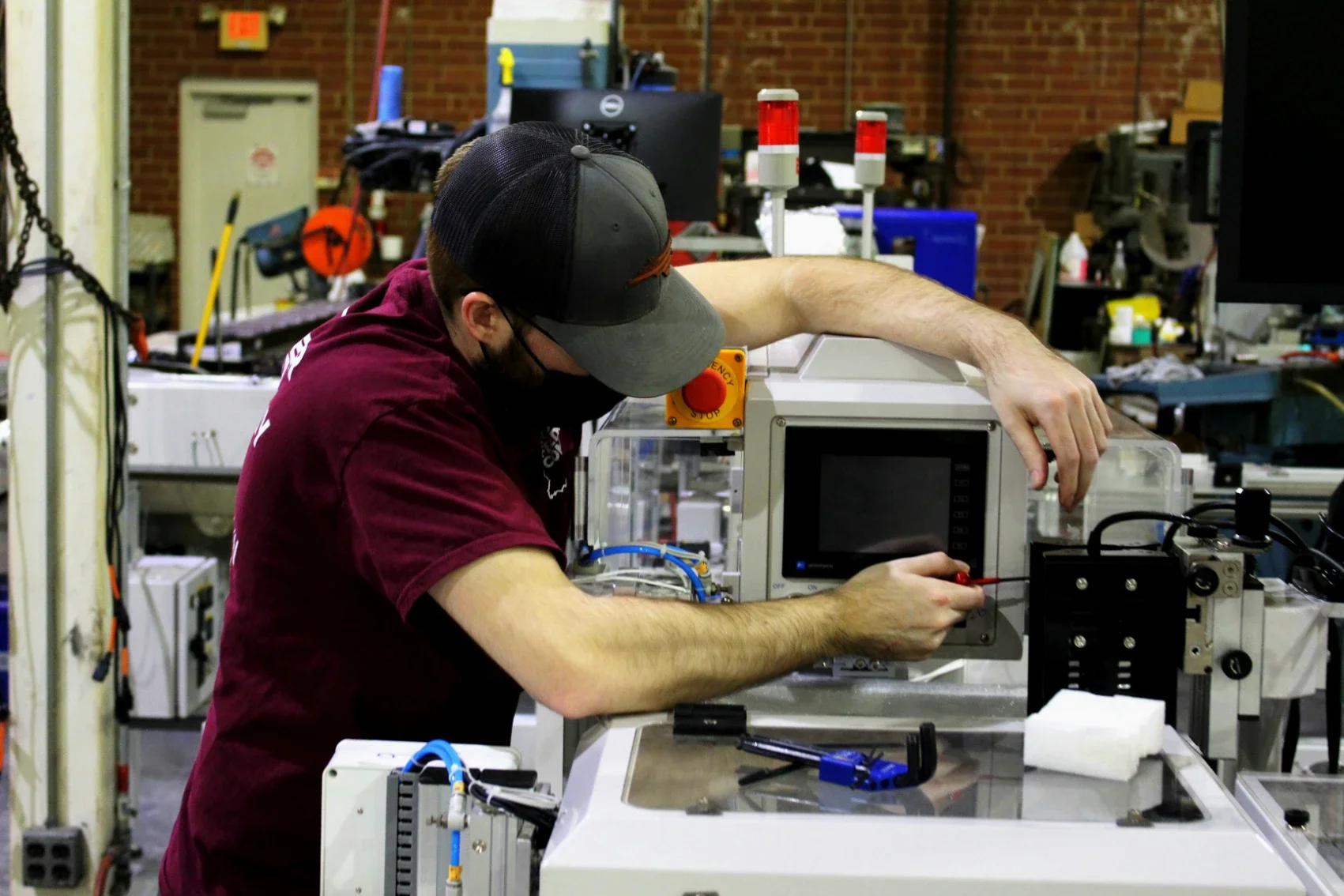
While reaching out to an HVAC professional is always the safest long-term solution, there are several AC troubleshooting steps homeowners can take before scheduling a service call.

When summer temperatures climb, a malfunctioning air conditioner quickly becomes more than an inconvenience—it’s a disruption to your daily comfort. While reaching out to an HVAC professional is always the safest long-term solution, there are several AC troubleshooting steps homeowners can take before scheduling a service call. Understanding these basics not only helps you identify minor issues but can also prevent unnecessary ac repairs.
1. Start With the Thermostat
It may seem simple, but thermostat settings are one of the most common culprits behind AC problems. Make sure your thermostat is set to cool, not fan or heat. Check that the temperature is set lower than the current indoor temperature and that the batteries are working properly. A malfunctioning thermostat can easily mimic the signs of a failing AC system.
2. Check Your Air Filter
A clogged air filter restricts airflow, causing the system to struggle or even shut down to prevent overheating. If you notice weak airflow, warm air from vents, or ice forming on the unit, the filter may be the root of the issue. Most filters should be replaced every 30–60 days, depending on usage and household air quality.
3. Inspect the Outdoor Unit
Your outdoor condenser needs adequate airflow to function properly. Leaves, dirt, and debris can collect around the system and impede its performance. As part of your AC troubleshooting, inspect the unit to ensure there’s at least two feet of clearance on all sides. Gently clean away debris and make sure nothing is blocking the coils or fan.
4. Look for Tripped Breakers
If the AC won’t turn on at all, the problem may be electrical. Check your breaker panel for any tripped circuits and reset them if necessary. A repeatedly tripping breaker, however, is a sign of a deeper issue and should prompt a call to an AC repair technician.
5. Examine Air Vents and Ductwork
Blocked or closed vents can create uneven cooling and make your system appear less effective than it actually is. Ensure all vents are open and free of obstructions. If you notice whistling noises or unusually high energy bills, damaged ductwork may be contributing to the problem.
6. Listen for Unusual Noises
Grinding, rattling, or buzzing sounds are often warning signs of worn parts, loose components, or electrical issues. While these noises shouldn’t be ignored, identifying them early through basic troubleshooting can help you explain symptoms clearly to a technician and potentially avoid more extensive repairs later.
When Troubleshooting Isn’t Enough
While these steps can resolve simple cooling issues, some problems require professional diagnostics—especially when refrigerant leaks, frozen coils, or failing compressors are involved. If your system continues to struggle after basic AC troubleshooting, contacting a licensed HVAC technician is the safest and most effective next step.
Stay up to date with our latest ideas!