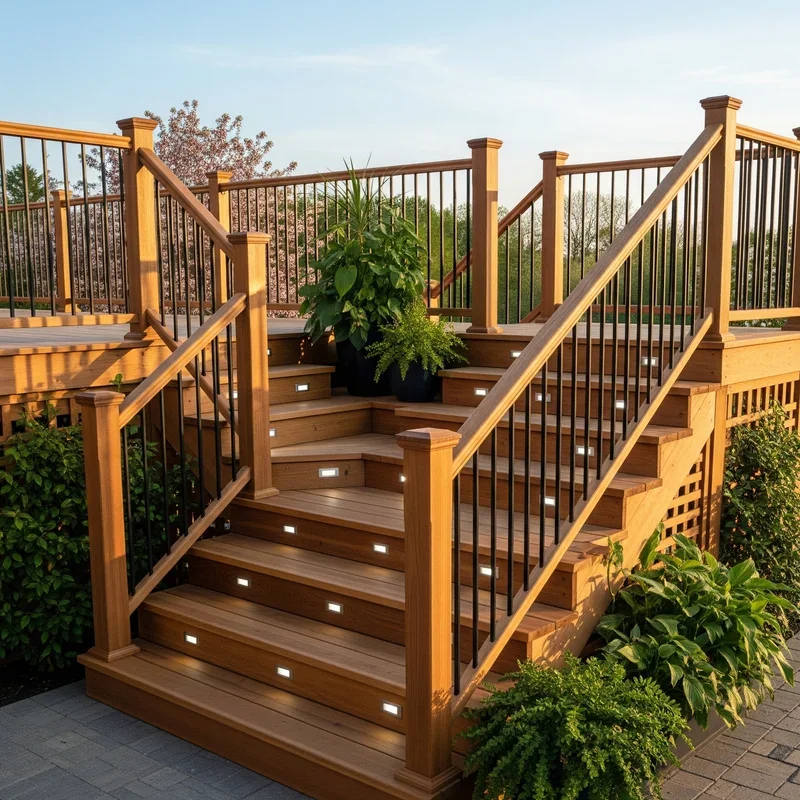
Transform your outdoor space with these 15 creative deck ideas featuring roofs. Discover cozy designs for year-round comfort and style.
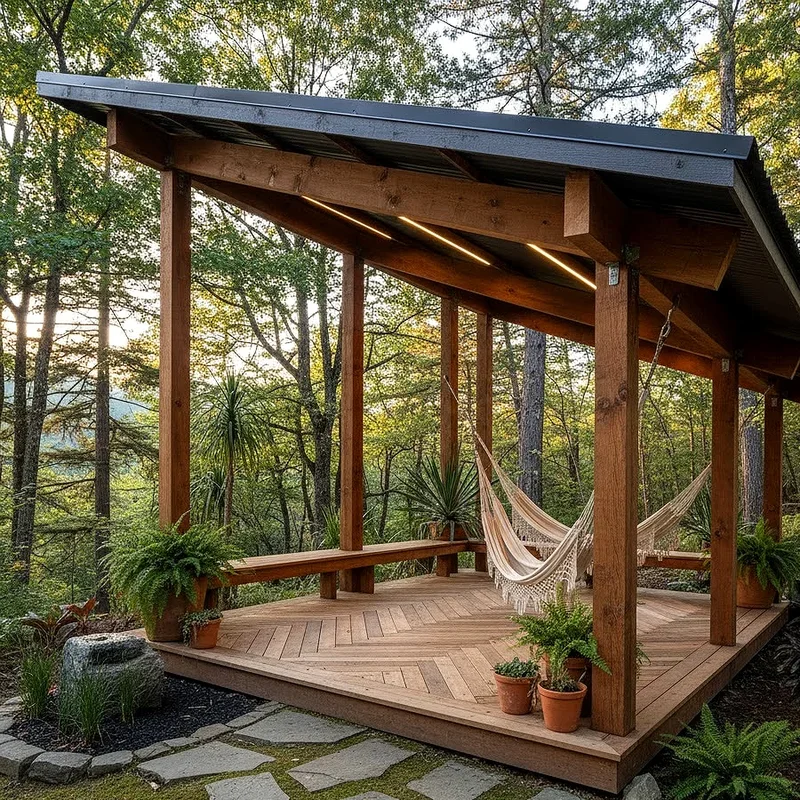
Have you ever dreamed of sipping morning coffee on your deck while rain gently patters overhead? A covered deck transforms ordinary outdoor spaces into year-round sanctuaries where weather becomes background music rather than a party crasher. Think of a roof over your deck as an umbrella that never folds, creating that perfect sweet spot between indoor comfort and outdoor freedom. Whether you're looking to host summer barbecues without sunburn worries or create a cozy autumn retreat, roofed decks offer endless possibilities. These covered outdoor spaces blend functionality with aesthetics, turning your backyard into an extension of your living area. From modern minimalist designs to rustic pergola-style covers, the right deck roof can dramatically increase your home's value while giving you more usable square footage.
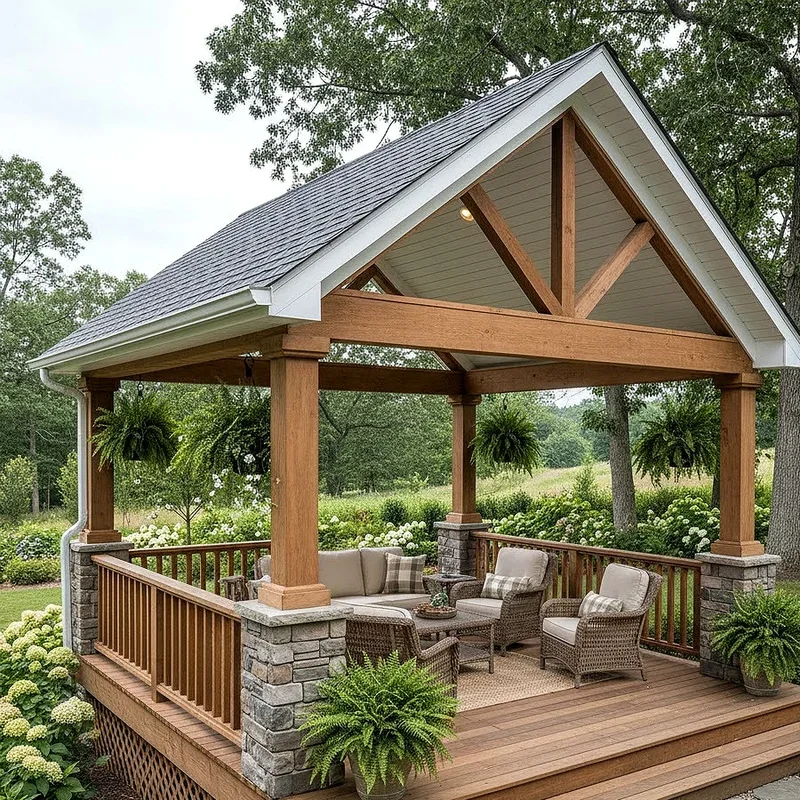
1. Classic Gable Roof Deck for Traditional Charm
Picture a deck that looks like it belongs in a storybook, complete with a peaked roof that channels rainwater away beautifully. The gable roof design brings timeless elegance to your outdoor space while offering practical benefits that modern homeowners appreciate. This triangular roof structure creates impressive height at the center, making your deck feel spacious and airy rather than cramped. The steep pitch prevents snow accumulation in winter and provides excellent drainage during rainy seasons. You can match the roofing material to your house for seamless integration or choose contrasting colors for visual interest. The underside creates a cathedral-like effect, perfect for hanging plants, lights, or ceiling fans. This design works beautifully with traditional, colonial, and craftsman-style homes, adding architectural interest that boosts curb appeal significantly.
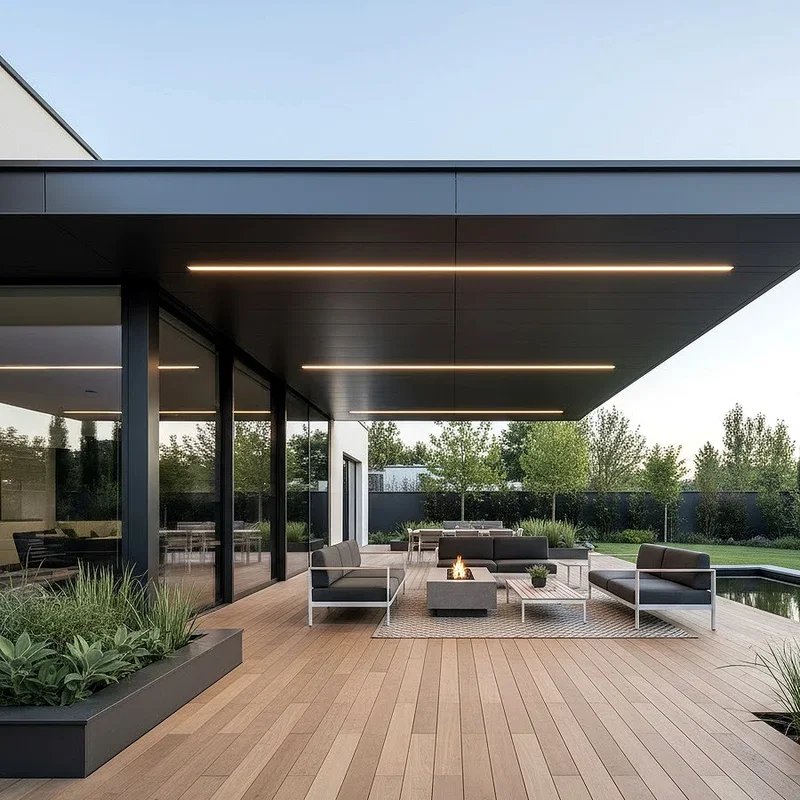
2. Modern Flat Roof Design with Clean Lines
Minimalism meets functionality in the sleek flat roof deck design that's taking contemporary homes by storm. This streamlined approach creates a sophisticated outdoor room with uninterrupted sightlines and a distinctly urban vibe. The flat plane overhead provides a clean canvas for integrated lighting, heating elements, or outdoor speakers for entertainment needs. Despite its name, these roofs include subtle slopes for water drainage, preventing pooling while maintaining that crisp, horizontal aesthetic. The design pairs exceptionally well with modern architecture featuring geometric shapes and neutral color palettes. You'll appreciate how this style maximizes headroom without adding unnecessary vertical bulk to your home's exterior profile. Installation tends to be straightforward, potentially saving on construction costs while delivering that coveted magazine-worthy look that impresses guests and neighbors.
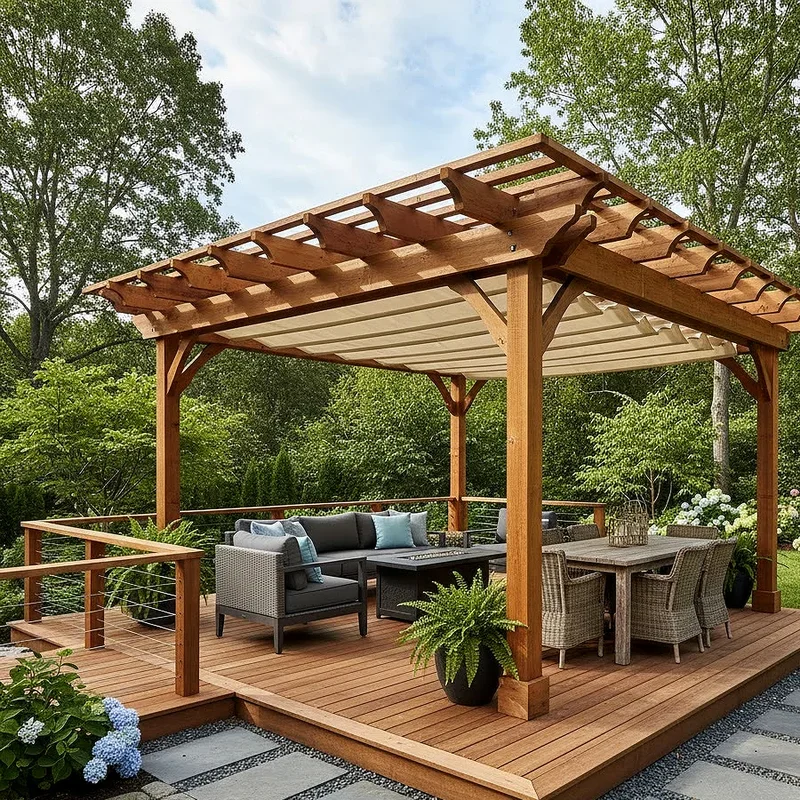
3. Pergola Style Deck with Partial Coverage
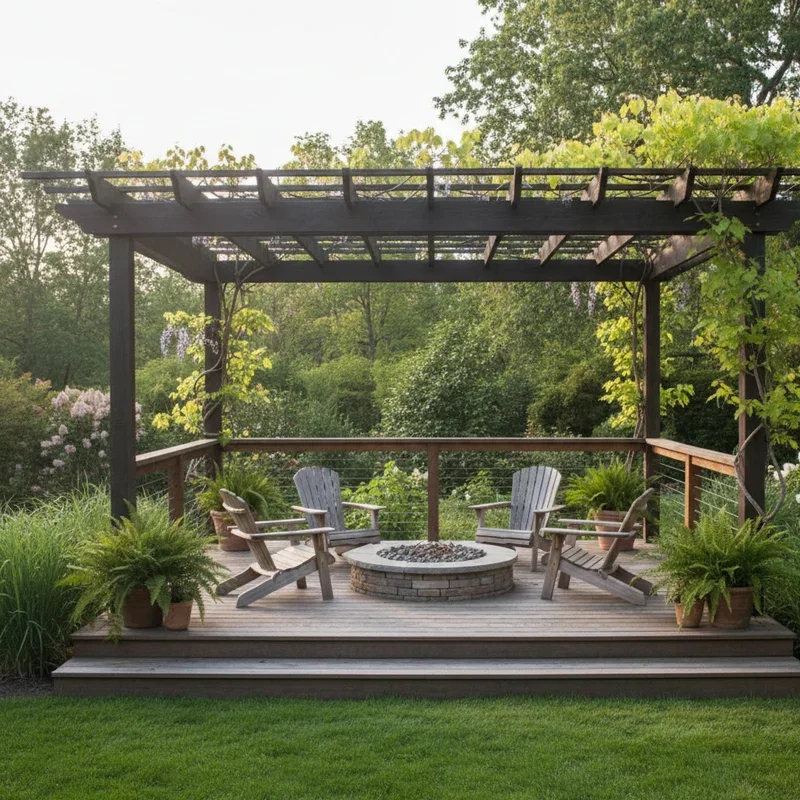
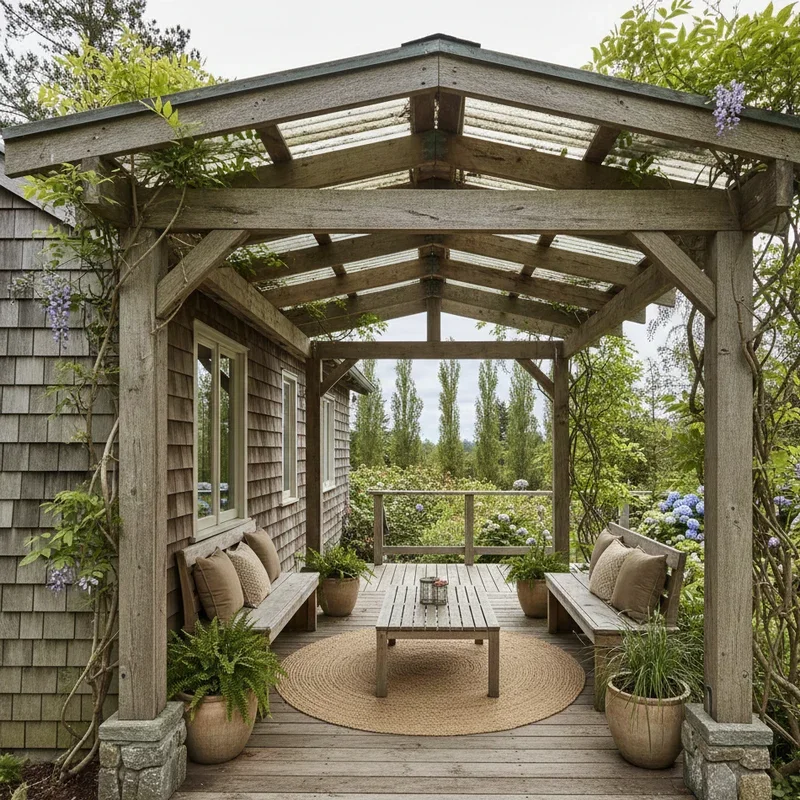
Why choose between full sun and complete shade when you can have the best of both worlds? Pergola-topped decks offer dappled sunlight that dances across your outdoor furniture, creating an enchanting atmosphere throughout the day. The open beam structure allows climbing plants like wisteria, jasmine, or grapevines to weave through, forming a living ceiling that evolves with seasons. This design provides enough coverage to reduce direct sunlight while maintaining an open, airy feeling that fully enclosed roofs cannot match. You control the coverage level by adjusting beam spacing and choosing whether to add fabric panels between rafters. The pergola style complements virtually any architectural style, from Mediterranean villas to modern farmhouses. Maintenance stays minimal since the open design prevents moisture trapping, and construction costs considerably less than solid roofing.
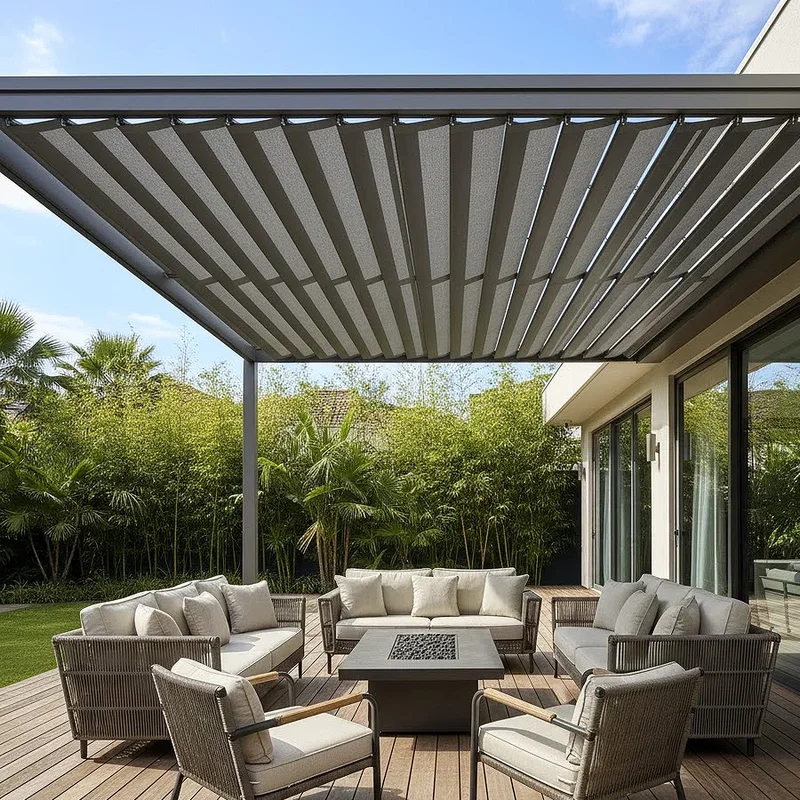
4. Retractable Roof System for Flexible Living
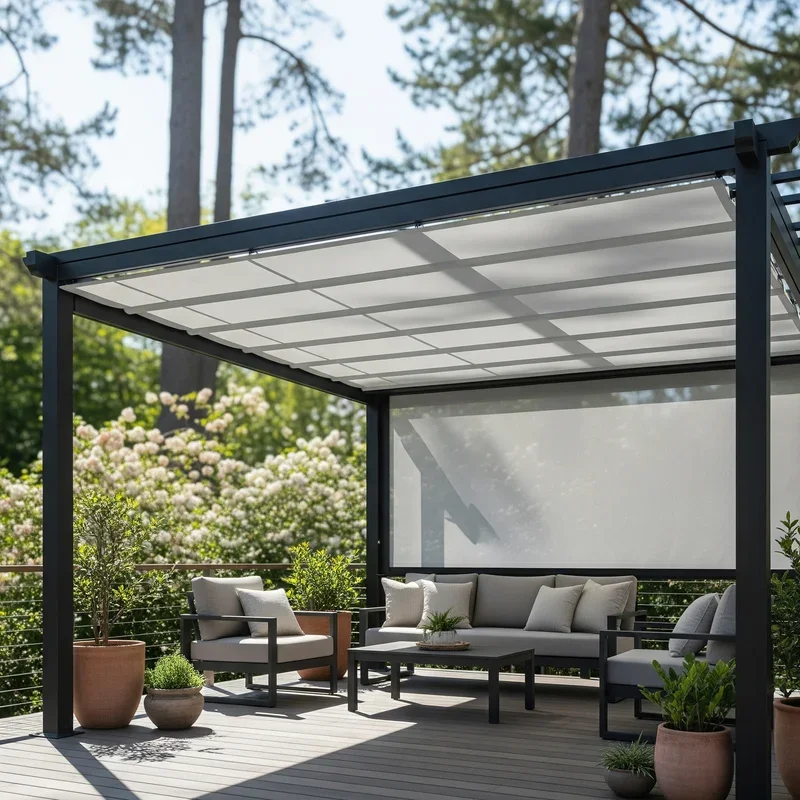
Imagine pressing a button to transform your deck from a sun-soaked patio to a weather-protected retreat in seconds. Retractable roof systems deliver ultimate flexibility for homeowners who refuse to compromise between open-air freedom and sheltered comfort. These motorized or manual systems feature fabric panels or rigid slats that slide along tracks, allowing you to adjust coverage based on weather, time of day, or your mood. The technology has advanced significantly, with weather-resistant materials that withstand wind, rain, and UV exposure without fading or tearing. You'll love how this option eliminates the permanent commitment of fixed roofs while providing reliable protection when needed. Installation integrates seamlessly with existing deck structures, and many models include smart home compatibility for voice-activated control. Though initial investment runs higher, the versatility justifies the cost.
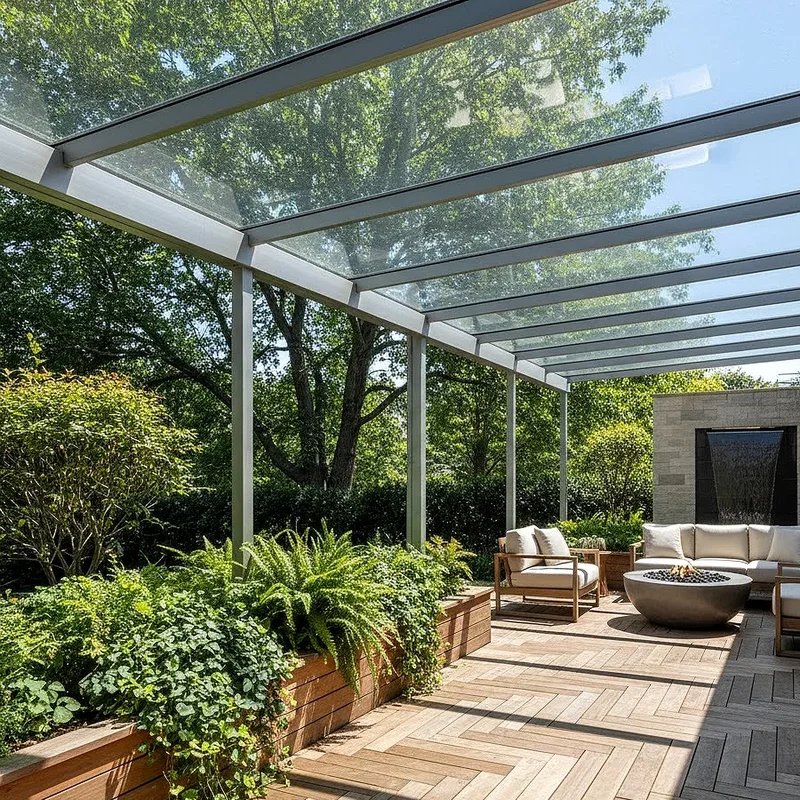
5. Glass Panel Roof for Maximum Natural Light
Who says roofed decks must sacrifice sunshine? Glass panel roofing transforms your covered deck into a luminous sanctuary where natural light floods every corner. This transparent approach protects you from precipitation while maintaining that open-sky feeling that makes outdoor living so appealing. Modern tempered glass panels resist impacts, handle temperature fluctuations, and include UV filtering to prevent furniture fading and reduce heat buildup. The crystal-clear ceiling creates stunning visual effects as sunlight shifts throughout the day, and stargazing becomes possible even with overhead coverage. You can incorporate tinted or frosted glass panels to control light intensity and add privacy where desired. The design particularly suits contemporary and transitional homes seeking to blur boundaries between indoor and outdoor spaces. Maintenance involves occasional cleaning, but the breathtaking ambiance makes every effort worthwhile.
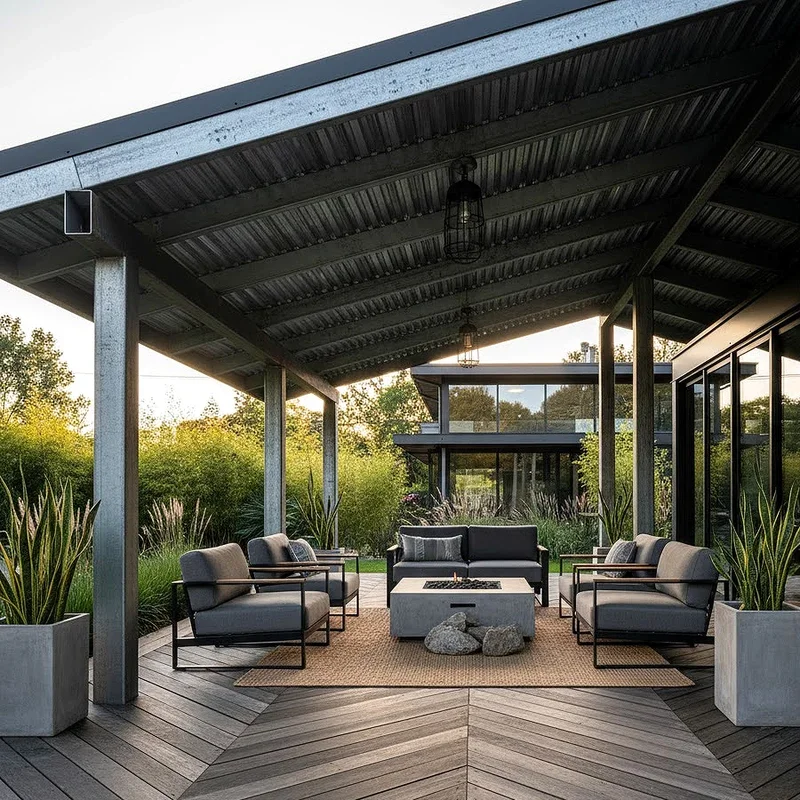
6. Corrugated Metal Roof for Industrial Appeal
Raw, rugged, and remarkably practical, corrugated metal roofing brings an edgy aesthetic that resonates with industrial and modern farmhouse design enthusiasts. The ribbed panels create distinctive shadow patterns while efficiently channeling water away from your deck surface. Metal roofs excel in durability, withstanding harsh weather conditions that would damage other materials, and many products last over forty years with minimal maintenance. The material reflects heat rather than absorbing it, keeping your deck cooler during summer months compared to traditional shingles. Acoustic considerations matter here since rain creates that beloved pitter-patter sound some adore and others find distracting. You'll find countless color options beyond basic galvanized silver, from bold reds to subtle earth tones. Installation typically costs less than comparable wood structures, and lightweight material won't stress your foundation.
7. Living Green Roof Deck for Eco-Friendly Spaces
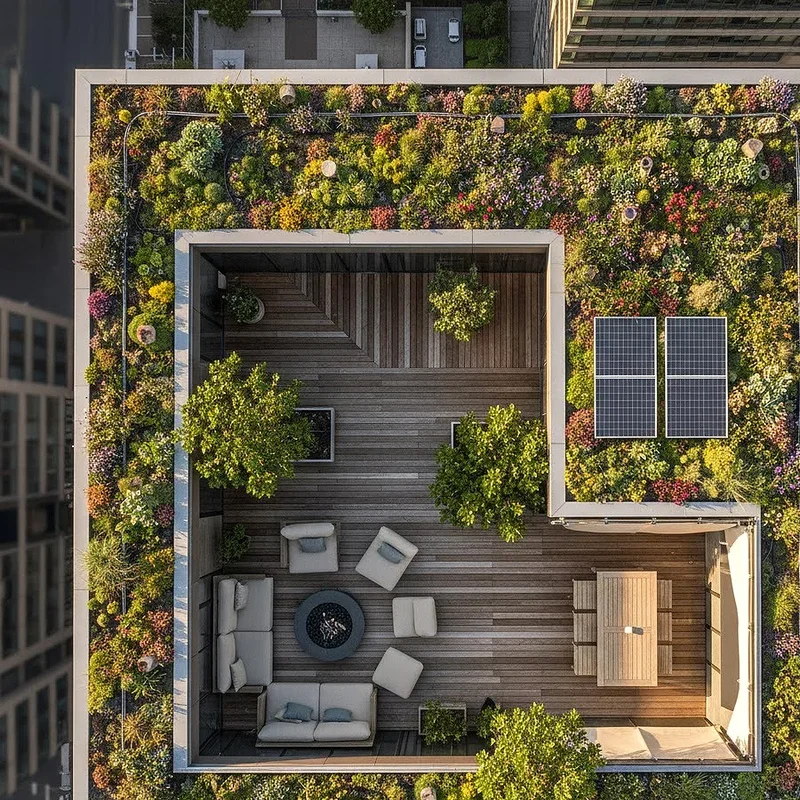
Transform your deck roof into a thriving ecosystem that benefits both your household and the environment. Green roofs feature layers of waterproof membrane, drainage systems, growing medium, and specially selected plants that create an insulating blanket overhead. This innovative approach reduces energy costs by regulating temperature, absorbs rainwater to prevent runoff, and provides habitat for pollinators like bees and butterflies. The visual impact stuns visitors as your deck becomes a secret garden retreat with vegetation cascading overhead. Sedums and other drought-tolerant succulents work beautifully in most climates, requiring minimal irrigation once established. Installation demands professional expertise to ensure proper waterproofing and weight distribution, and initial costs exceed traditional roofing. However, the long-term environmental benefits, noise reduction qualities, and unique aesthetic make green roofs increasingly popular among sustainability-minded homeowners.
8. Screened Porch Deck Combination
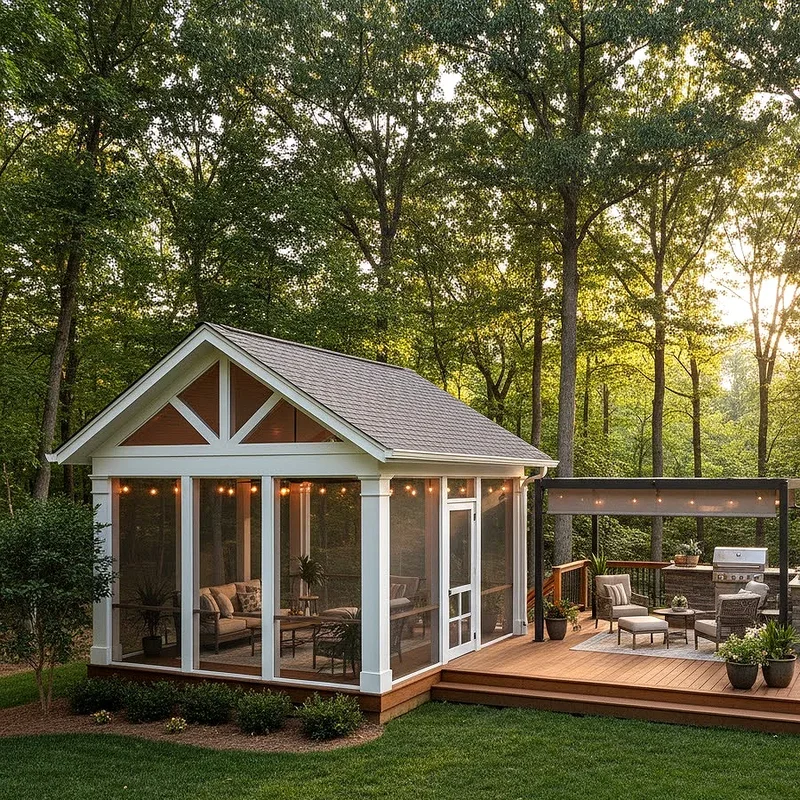
Merge the best features of screened porches and open decks into one versatile outdoor space that adapts to your needs. This hybrid approach includes a solid roof section with mesh screening on the sides, creating a bug-free zone where you enjoy evening gatherings without becoming mosquito bait. The screening allows breezes to flow freely while blocking insects, leaves, and other debris that typically interrupt outdoor relaxation. You can incorporate removable screen panels or windows that adjust seasonally, opening fully during pleasant weather and closing for protection during cooler months. The covered, screened section naturally extends your indoor living space, creating a transitional area perfect for dining, lounging, or working remotely with nature views. Many designs include sections of open deck beyond the screened area, providing sun-soaked spaces for plants or sunbathing.
9. Multi-Level Deck with Varied Roof Heights
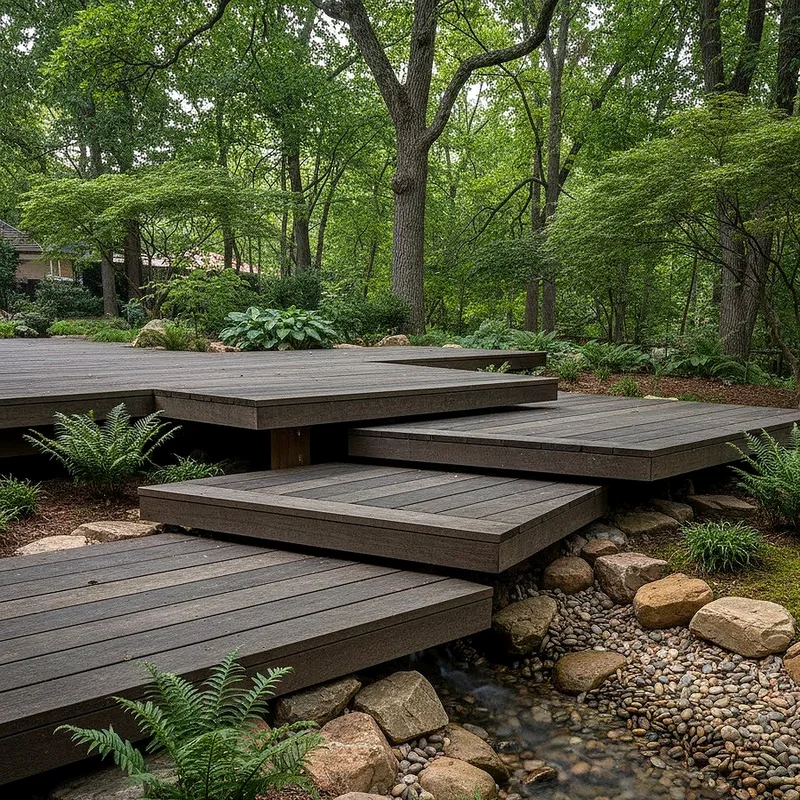
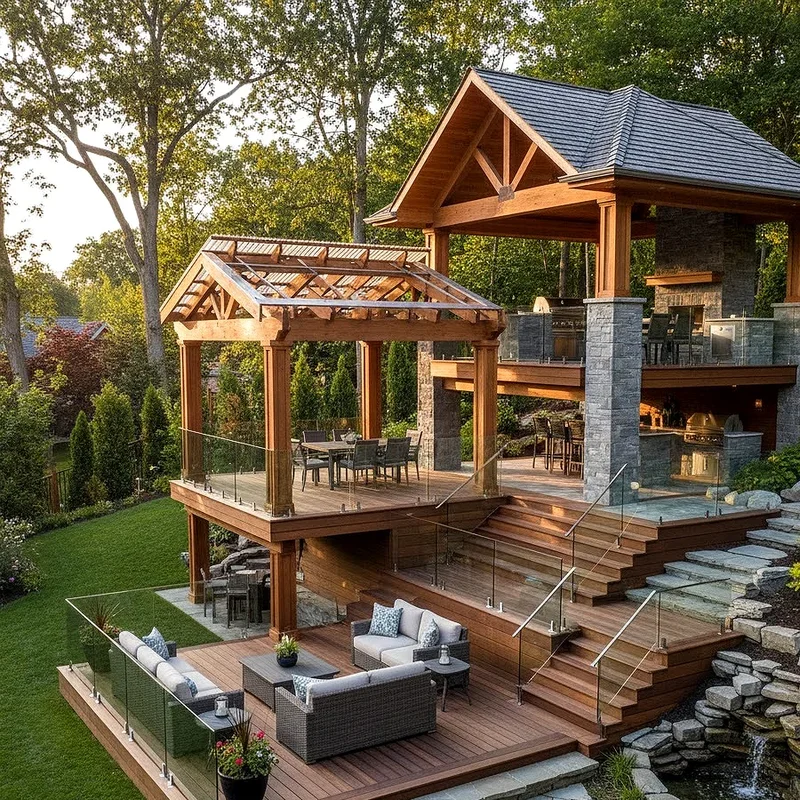
Why settle for flat monotony when your deck can feature dynamic elevation changes that create distinct outdoor rooms? Multi-level designs with staggered roof heights add architectural drama while serving practical purposes like defining spaces for cooking, dining, and relaxation. The varying ceiling heights create visual interest from both inside and outside your home, breaking up large deck expanses into intimate, purposeful zones. Higher roof sections over gathering areas provide an airy, expansive feeling, while lower-covered sections create cozy nooks perfect for reading or conversation. This approach works exceptionally well on sloped properties where natural terrain changes inspire the deck's configuration. The stepped rooflines also improve drainage and prevent the boxy appearance that single-plane roofs sometimes create. Construction complexity increases with multiple levels, affecting both timeline and budget considerations.
10. Attached Sunroom Extension Deck
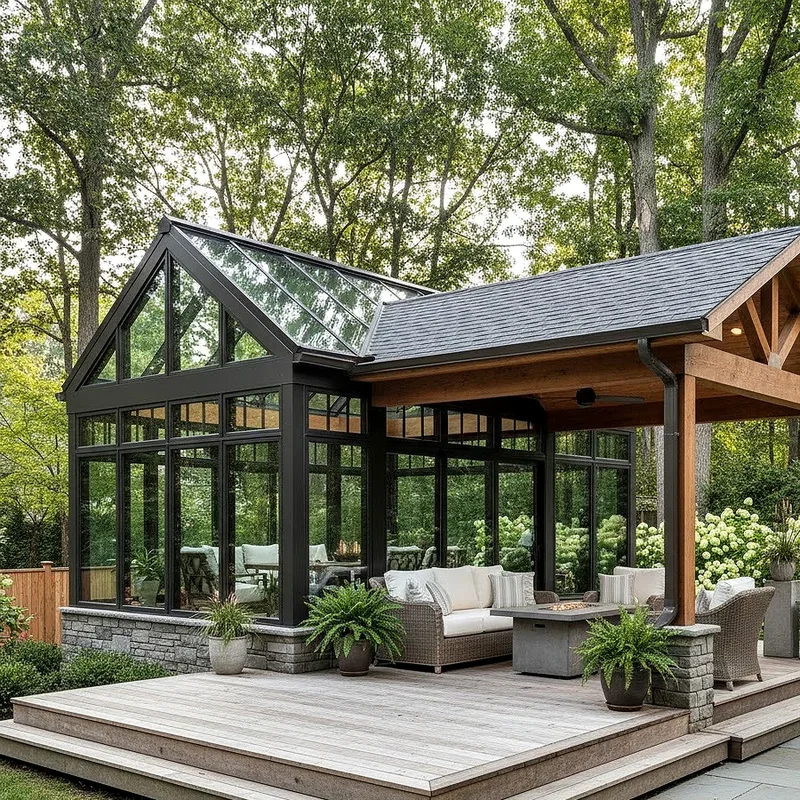
Extend your indoor living space seamlessly by creating a covered deck that connects directly to an enclosed sunroom or three-season room. This integrated approach blurs the line between interior comfort and outdoor freedom, allowing smooth transitions between climate-controlled and fresh-air environments. The deck section provides an overflow area during parties and a transition zone where muddy shoes come off before entering the sunroom. Architectural continuity matters here, with the roof design flowing naturally from your sunroom's structure to create cohesive visual harmony. You'll appreciate having protected outdoor space immediately adjacent to comfortable indoor seating where guests can move freely between environments based on weather and preference. The combination maximizes usable square footage year-round, with the sunroom serving winter needs and the open deck shining during summer months.
11. Freestanding Pavilion Style Deck
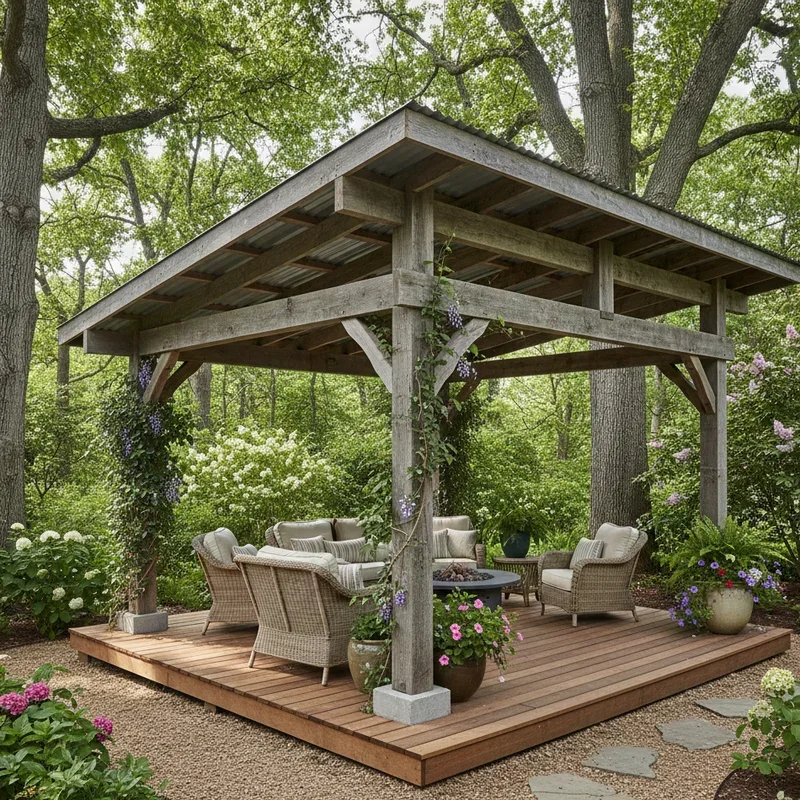
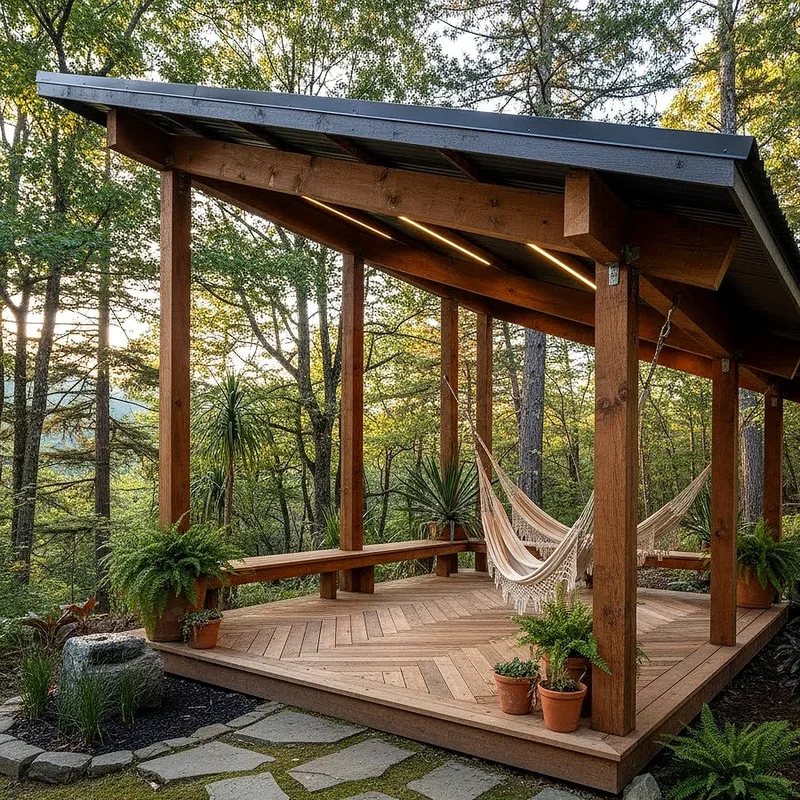
Break free from your home's footprint by creating a destination deck structure that stands independently in your yard. Freestanding pavilion decks become focal points in landscape design, drawing people away from the house to explore different areas of your property. The four-post or multi-post structure supports a substantial roof without relying on your home's exterior walls, offering design freedom that attached decks cannot provide. You'll create a true outdoor room perfect for hot tubs, outdoor kitchens, or meditation spaces that feel separate from household chaos. The pavilion style particularly suits larger properties where distance from the house enhances privacy and creates distinct zones for various activities. Construction requires independent foundation work and structural support, but the payoff includes a striking architectural element that dramatically increases property value and creates genuine outdoor living rooms.
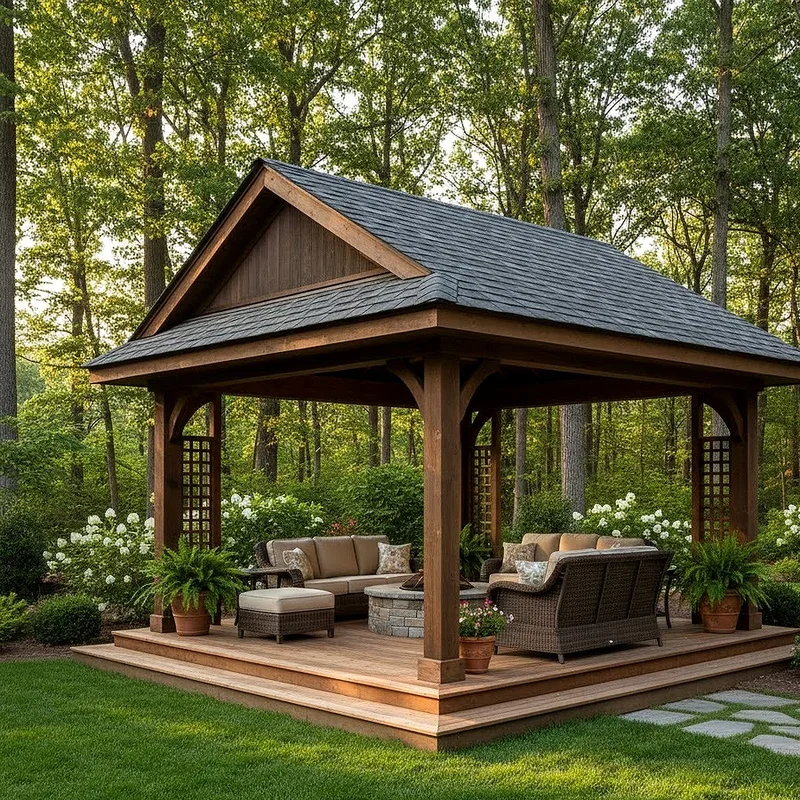
12. Louvered Roof System for Adjustable Shade
Experience ultimate control over your deck's environment with rotating louvers that pivot to adjust sunlight, airflow, and weather protection precisely to your preferences. These sophisticated systems feature horizontal slats that rotate from fully open to completely closed, allowing you to fine-tune conditions throughout the day. During hot afternoons, angle louvers to block direct sun while maintaining breezes; when weather threatens, close them completely for waterproof protection. The adjustability means you never compromise between ventilation and coverage, adapting instantly to changing conditions. Modern systems include motorization with remote controls or smartphone apps, and some high-end versions feature rain sensors that automatically close when precipitation starts. The clean, contemporary aesthetic suits modern homes beautifully, with sleek aluminum or vinyl construction in various colors. Though investment costs exceed fixed roofs, the versatility justifies the expense.
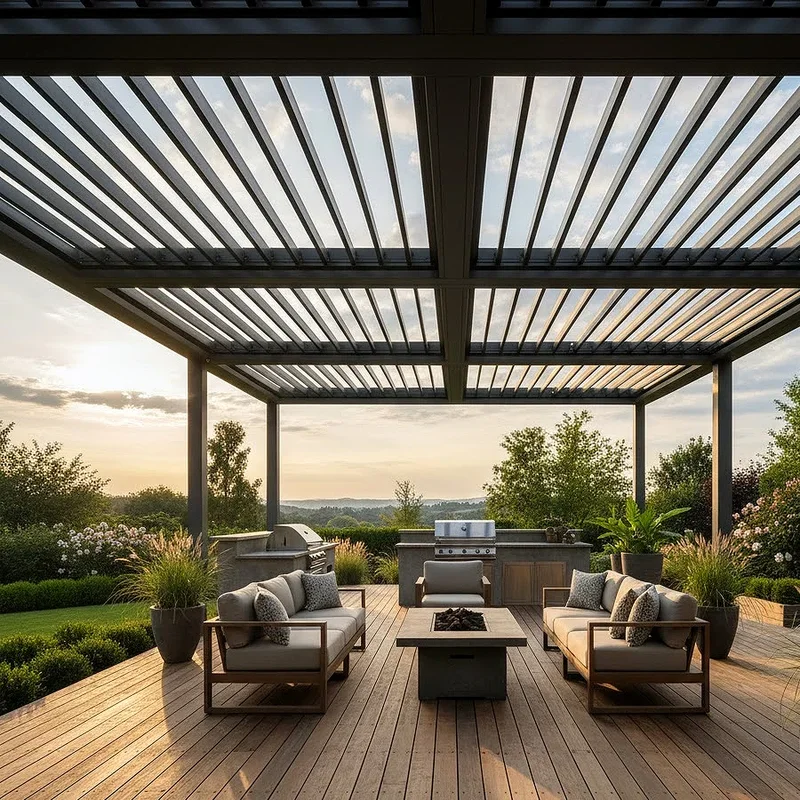
13. Fabric Canopy Deck for Soft Ambiance
Embrace the romance of flowing fabric overhead with a canopy-style roof that transforms your deck into an elegant outdoor sanctuary. Fabric canopies create soft, diffused lighting that flatters complexions and creates intimate atmospheres perfect for dinner parties or quiet evenings. The material gently filters sunlight rather than blocking it completely, maintaining connection with the sky while reducing harsh glare and UV exposure. You'll find countless fabric options from weather-resistant canvas to high-tech materials that resist mildew, fading, and tearing. Installation ranges from permanent structures with taut fabric panels to retractable systems that roll away when not needed. The billowing effect adds movement and visual interest, especially when gentle breezes catch the material. This approach costs considerably less than solid roofing while delivering substantial aesthetic impact and romantic appeal.
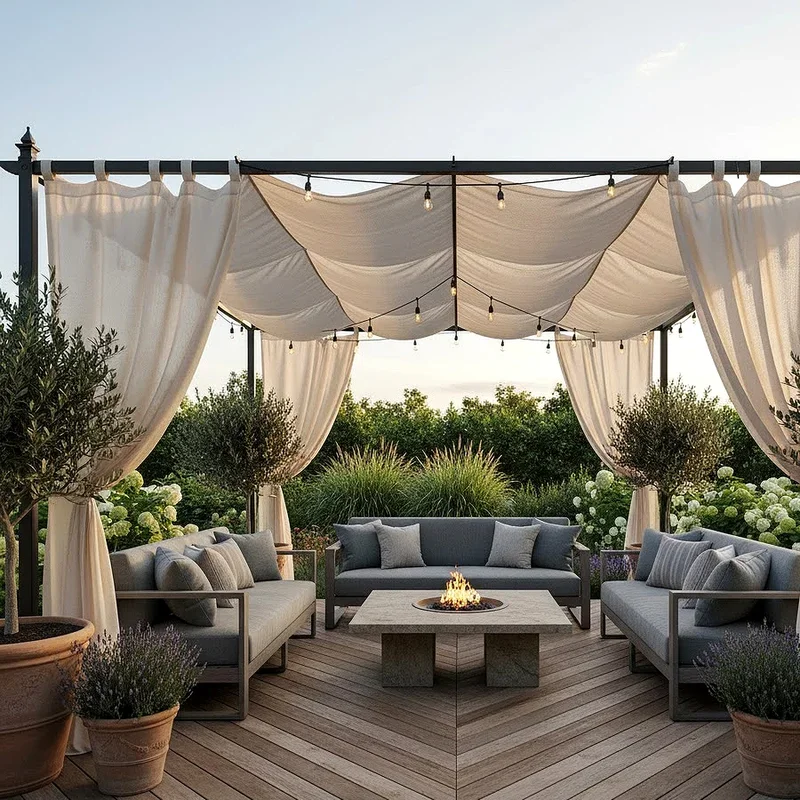
14. Solar Panel Integrated Roof Deck
Turn your deck roof into an energy-generating asset by incorporating solar panels that reduce electric bills while providing overhead coverage. This dual-purpose approach maximizes the value of your deck investment, transforming what would be simple shelter into a power source that pays dividends for decades. Modern solar roofing systems integrate seamlessly with deck structures, using sleek panels that don't look like afterthought additions. You'll generate clean, renewable energy while creating shade and weather protection that makes your outdoor space more usable. The system particularly suits south-facing decks with minimal tree shade that receive consistent sunlight throughout the day. Initial installation costs significantly exceed traditional roofing, but federal tax credits, state incentives, and energy savings typically provide return on investment within seven to twelve years. The environmental benefits appeal to eco-conscious homeowners seeking sustainable living solutions.
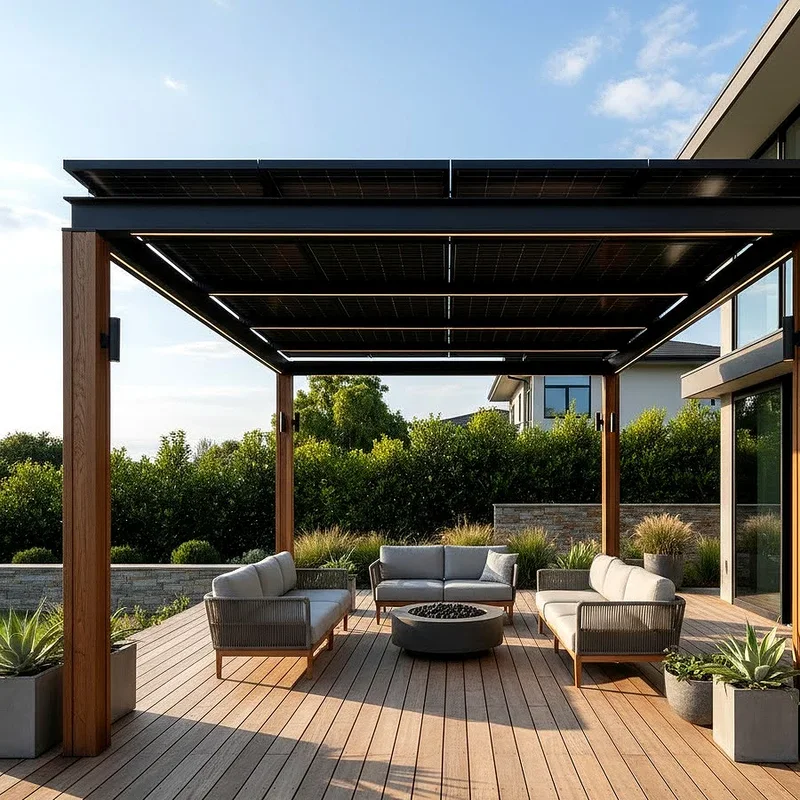
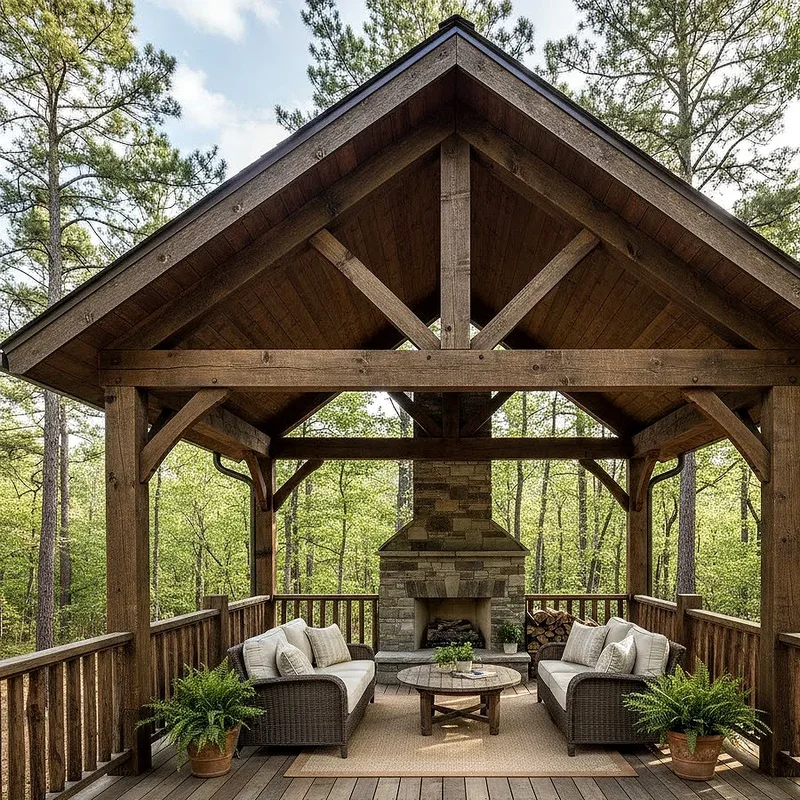
15. Rustic Timber Frame Covered Deck
Channel mountain lodge ambiance with massive timber beams supporting a robust roof structure that makes bold architectural statements. Timber frame construction showcases natural wood's beauty through exposed beams, joinery, and structural elements that become focal points rather than hidden components. The substantial posts and beams create a sense of permanence and craftsmanship that lighter materials simply cannot match. You'll enjoy the warmth and character that wood brings, with grain patterns, natural color variations, and aging processes that add beauty over time. This style particularly complements log homes, craftsman architecture, and rustic properties where natural materials dominate the design palette. The construction demands skilled labor and quality materials, making timber frames premium investments, but the resulting structure becomes a true outdoor room that feels like a permanent addition rather than an accessory.
Conclusion
Creating a roofed deck transforms how you experience outdoor living, extending usable seasons and protecting your investment in furniture and finishes. These fifteen ideas demonstrate that covered decks aren't one-size-fits-all solutions but customizable spaces reflecting your lifestyle, architecture, and budget. Whether you choose classic gable roofs or cutting-edge solar panels, the right design turns underutilized outdoor areas into favorite gathering spots. Consider your climate, maintenance willingness, and long-term goals when selecting which approach suits your property best. The beauty of roofed decks lies in their versatility, offering protection without sacrificing the outdoor connection that makes these spaces special in the first place.
Read next: How Long for Deck Stain to Dry Before Use or Sealing
Frequently Asked Questions
Q1: What is the most cost-effective roofed deck option?
A: Pergola-style or fabric canopy designs typically offer the lowest initial investment while providing functional coverage.
Q2: Do I need permits to build a covered deck?
A: Most municipalities require permits for structural additions, so check with your local building department first.
Q3: How long do roofed decks typically last?
A: With proper maintenance, quality roofed decks last 15-30 years, depending on materials and climate conditions.
Q4: Can I install a roof on my existing deck?
A: Yes, many roof systems retrofit to existing decks if the foundation supports the additional weight.
Q5: What roofing material requires the least maintenance?
A: Metal and composite materials generally need less upkeep than wood or fabric options over time.
Stay up to date with our latest ideas!