How to Start a Lawn Mower: Simple Steps for Beginners
Master lawn mower startup with our beginner-friendly guide. Learn essential steps, safety tips, and troubleshooting tricks for perfect starts.
So, you've got yourself a lawn mower and a yard that's screaming for attention. Honestly, there's nothing quite like the satisfaction of a freshly cut lawn, but first things first, you need to get that machine roaring to life. If you're staring at your mower like it's some kind of alien spacecraft, don't sweat it. Starting a lawn mower isn't rocket science, though it might feel that way when you're pulling that cord for the tenth time and nothing's happening. Whether you've inherited an old push mower from your neighbor or just bought a shiny new model from the hardware store, getting familiar with the basics will save you heaps of frustration. Truth be told, most beginners make the same simple mistakes that prevent their mowers from starting smoothly.
Understanding Your Lawn Mower Type
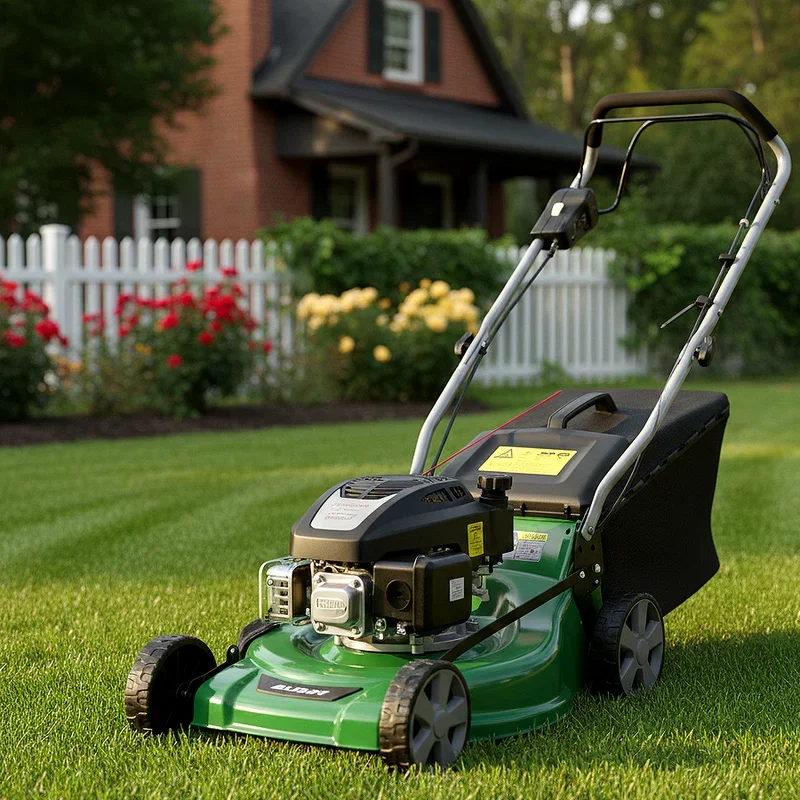
Before diving into the starting process, you've got to know what kind of beast you're dealing with. Lawn mowers come in different flavors, and each one has its own quirks when it comes to getting started. Push mowers are the most common type you'll see in suburban neighborhoods. These bad boys require manual effort to move forward, but they're reliable and straightforward. Then there are self-propelled mowers that do most of the walking for you, which is pretty sweet if you've got a larger yard or some slopes to tackle. Riding mowers are like the luxury cars of lawn care, perfect for massive properties where walking just isn't practical.
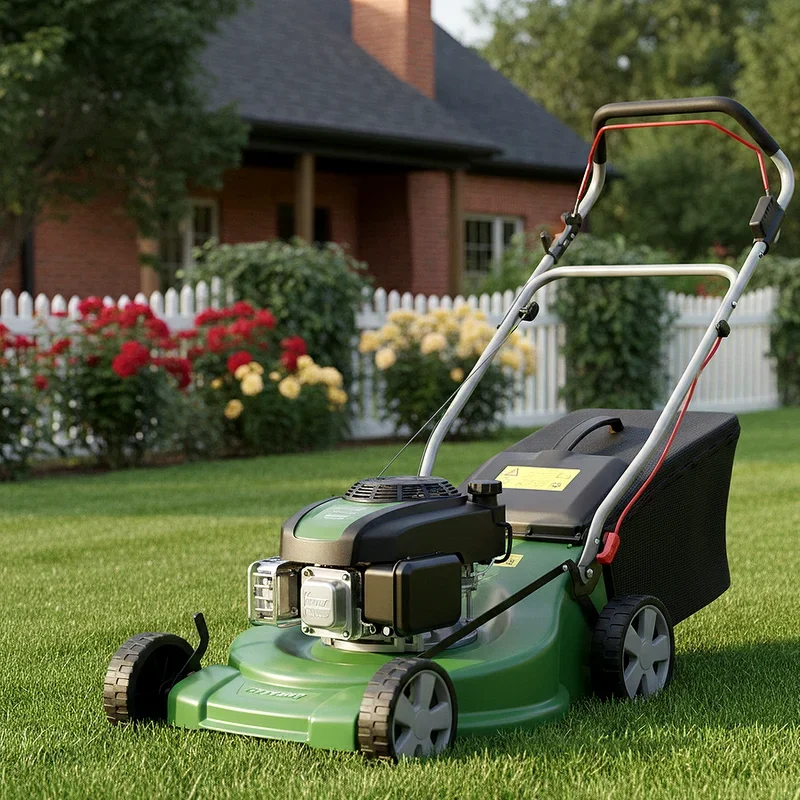
Within these categories, you'll find gas-powered mowers and electric models. Gas mowers are still the go-to choice for many folks because they pack serious power and don't need charging. However, electric mowers have been gaining ground lately, especially cordless battery-powered ones that offer convenience without the hassle of extension cords. For this guide, we'll focus mainly on gas-powered push mowers since they're the most common and, frankly, the ones that give beginners the most trouble when starting.
Essential Pre-Start Safety Checks
Hold your horses before yanking on that starter cord. Safety should always come first, and a few quick checks can prevent accidents and damage to your mower. Start by scanning your yard for any obstacles like rocks, sticks, toys, or anything else that could become a dangerous projectile once that blade starts spinning. Trust me, you don't want a rock flying through your neighbor's window or, worse, hitting someone.
Next up, give yourself a once-over. Are you wearing proper footwear? Flip-flops and sandals are a big no-no when operating lawn equipment. Closed-toe shoes with good grip are essential. Long pants are also a smart choice to protect your legs from flying debris. If you've got long hair, tie it back so it doesn't get caught in any moving parts.
Check the mower itself for any visible damage or loose parts. Make sure the blade isn't bent or damaged, and verify that all safety guards are properly in place. Many mowers have safety features like blade control bars or bail arms that must be engaged for the engine to run. Get familiar with these controls before attempting to start the machine.
Checking Fuel and Oil Levels
Alright, now we're getting to the nitty-gritty. One of the most common reasons mowers won't start is simply because they're running on empty. Pop open that fuel cap and take a peek inside. If the tank's bone dry or the fuel looks old and stale, that's your culprit right there. Gas actually goes bad after sitting for a while, usually around 30 days, especially if it doesn't have a stabilizer added. Old fuel can gum up the carburetor and make starting nearly impossible.
If you need to add fresh fuel, use the type recommended in your owner's manual. Most mowers run on regular unleaded gasoline, but some require a specific octane rating. Fill the tank, but don't top it off completely since fuel expands when it gets hot. Leave a little breathing room at the top.
Now, let's talk about oil because your mower's engine needs proper lubrication to run smoothly. Locate the oil dipstick, which is usually near the base of the engine. Pull it out, wipe it clean with a rag, insert it back in without screwing it down, then pull it out again to check the level. The oil should fall between the minimum and maximum marks on the dipstick. If it's low, add the appropriate type of oil as specified in your manual. Running a mower with low oil can seriously damage the engine, so don't skip this step.
Priming the Engine
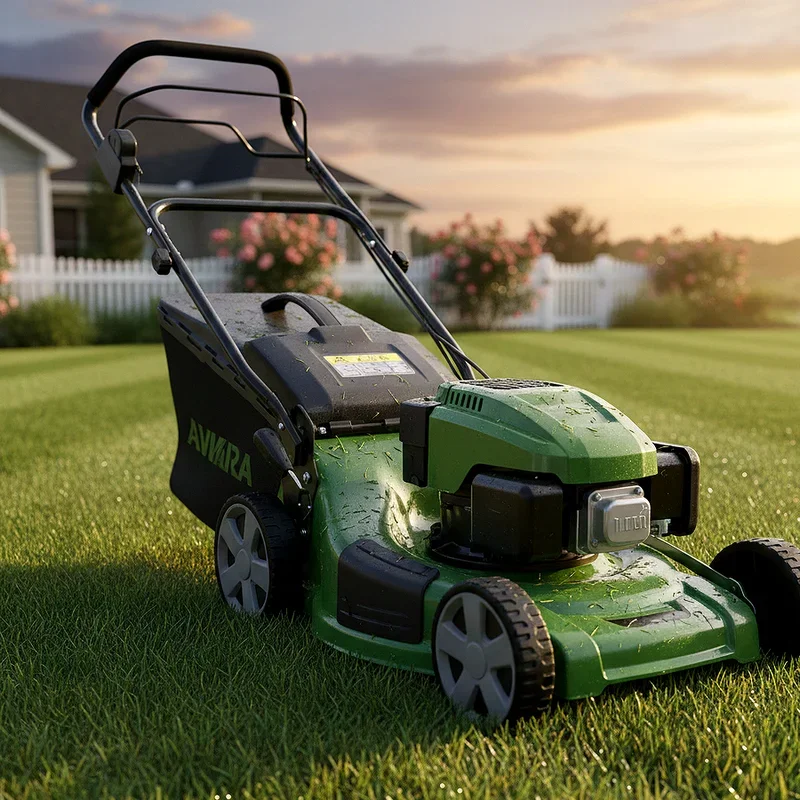
Many gas mowers have a primer bulb, which is typically a small rubber button on the side of the engine. This little guy's job is to pump fuel into the carburetor before starting. If your mower has one, you'll need to press it several times before pulling the starter cord. Generally, three to five firm presses should do the trick, but check your owner's manual for the specific recommendation.
When you press the primer bulb, you should feel some resistance, and you might see fuel moving through a clear tube if your mower has one. If the bulb feels squishy and doesn't have any resistance, there might be an issue with the fuel line or the bulb itself might need replacing. Don't go overboard with priming, though. Too much fuel can flood the engine, making it harder to start.
Some newer mowers don't have primer bulbs and instead use an automatic choke system. If that's what you've got, you can skip this step entirely. Just make sure the choke is in the correct position for a cold start, which we'll cover in the next section.
Setting the Choke Correctly
The choke is super important for cold starts, especially on cooler mornings. What it does is restrict airflow into the engine, creating a richer fuel mixture that's easier to ignite when the engine is cold. Most mowers have a choke lever or switch located somewhere on the engine or handle. You'll see markings that typically show "choke," "run," or symbols like a closed circle for choke and an open circle for run.
For a cold start, meaning the engine hasn't been running recently, set the choke to the full choke position. This is usually indicated by moving the lever to the closed position or the symbol showing a solid circle. If the engine is still warm from recent use, you might not need the choke at all, or just a partial choke setting.
Here's where beginners often mess up. They forget to move the choke back to the run position after the engine starts. If you leave it on full choke while the engine is running, it'll run rough, sputter, or even stall out. Once the engine fires up and runs for about 30 seconds, gradually move the choke lever to the run position.
Mastering the Pull-Start Technique
Now comes the moment of truth, the part that makes or breaks most beginners' mowing experience. Starting a pull-start mower takes a bit of technique, not just brute force. First, make sure you're standing in a comfortable, stable position with your feet shoulder-width apart. You want good balance because you'll be pulling with some force.
Locate the starter cord handle. Before pulling, let the cord retract fully so you're starting from the beginning. Place one foot on the mower deck to hold it steady, but make sure your foot is well away from the blade housing. Now, here's the key. Don't just yank the cord as hard as you can. Instead, pull it out smoothly and briskly in one continuous motion. The cord should extend almost completely before it engages the starting mechanism.
If the engine doesn't start on the first pull, don't panic. That's totally normal, especially on a cold engine. Let the cord retract fully, wait a second, then try again. It might take three or four pulls before the engine catches. If you've pulled more than six or seven times without any sign of life, stop and reassess. Check your fuel, make sure the choke is set correctly, and verify that you've pressed the primer bulb if your mower has one.
Engaging the Safety Features
Modern mowers come equipped with various safety features, and you need to understand how they work. The most common is the blade control bar or bail arm, which is that lever on the handle that you squeeze against the handlebar. This is actually a dead man's switch, meaning the blade and engine will shut off if you let go. It's designed to protect you in case you slip or lose control of the mower.
To start most mowers, you'll need to hold this bar down against the handle while pulling the starter cord. Some folks find this awkward at first because you're holding the bar with one hand while pulling with the other. The trick is to get a firm grip on the handle with your non-dominant hand, squeeze the bar tight, then pull the cord with your dominant hand.
Some mowers also have a separate engine kill switch or a key that must be inserted and turned to the on position before starting. Check your specific model to see what safety features it has and make sure they're all properly engaged before you start pulling that cord.
How to Start a Lawn Mower: Simple Steps for Beginners with Electric Start
Lucky you if your mower has an electric start feature. This eliminates the whole pull-cord drama and makes starting as easy as turning a key or pressing a button. However, there are still a few things you need to know to use this feature effectively.
Electric start mowers have a battery, similar to a car battery, that provides power to the starter motor. Before attempting to start, make sure this battery is charged. If the mower has been sitting unused for an extended period, the battery might be dead or low. You can usually charge it by connecting a charger to the battery terminals or by running the mower once it starts, which charges the battery through the alternator.
To use the electric start, turn the key to the on position or press and hold the start button. You should hear the starter motor engaging and turning the engine over. Hold it for a few seconds, but don't exceed 10 seconds of continuous cranking as this can overheat the starter motor. If the engine doesn't start after one attempt, wait about 30 seconds before trying again to let the starter cool down.
Even with electric start, you still need to follow all the same preparation steps like checking fuel, setting the choke, and engaging safety features. The electric start just replaces the manual pull cord, making the physical act of starting much easier.
Troubleshooting Common Starting Problems
Okay, so you've followed all the steps and your mower still won't start. Don't throw in the towel just yet. There are several common issues that prevent mowers from starting, and most of them are pretty easy to fix.
If the engine turns over but won't catch and run, you might have a spark plug problem. The spark plug is responsible for igniting the fuel mixture in the engine. Over time, spark plugs can get fouled with carbon deposits or simply wear out. Remove the spark plug using a spark plug wrench and inspect it. If it's black and crusty, clean it with a wire brush or replace it with a new one. They're cheap and easy to swap out.
Another common culprit is a clogged air filter. The air filter prevents dirt and debris from entering the engine, but when it gets too dirty, it restricts airflow and makes starting difficult. Pop open the air filter cover and take a look. If the filter is black or extremely dirty, clean it if it's foam type or replace it if it's paper. A clean air filter can make a world of difference.
If you're getting no response at all when pulling the cord, check the fuel shut-off valve if your mower has one. Sometimes these get accidentally turned to the off position, preventing fuel from reaching the engine. Also, verify that the spark plug wire is firmly connected to the spark plug. It can sometimes vibrate loose during use.
Maintaining Your Mower for Easy Starts
Prevention is better than cure, as they say. Regular maintenance will keep your mower starting reliably season after season. At the end of each mowing season, take some time to properly winterize your equipment. Either run the engine until the fuel tank is completely empty, or add a fuel stabilizer to the gas and run the engine for a few minutes to circulate it through the system.
Change the oil at least once per season or after every 50 hours of use. Fresh oil keeps the engine running smoothly and reduces wear on internal components. While you're at it, replace the spark plug annually, even if the old one looks okay. It's cheap insurance against starting problems.
Keep the mower clean by scraping off grass clippings and debris after each use, especially from under the deck where it can build up and affect performance. Sharpen the blade at least once per season or whenever you notice it's not cutting cleanly. A sharp blade not only cuts better but also puts less strain on the engine.
Starting in Different Weather Conditions
Weather can definitely throw a wrench in your starting routine. Cold weather makes starting more challenging because cold fuel doesn't vaporize as easily, and engine oil gets thicker. In chilly conditions, you'll definitely need to use full choke and might require a few extra pulls to get things going. Some folks find it helpful to store their mower in a garage or shed overnight to keep it a bit warmer than if it sat outside.
Hot weather presents different challenges. In extreme heat, fuel can evaporate quickly, and vapor lock can occur where fuel turns to vapor before reaching the carburetor. If you're having trouble starting on a scorching day, try moving the mower to a shaded area and letting it cool down for a few minutes. You might also need less choke or none at all when starting a hot engine.
Humidity affects starting too. In very humid conditions, moisture can get into the fuel system or affect the spark plug's ability to create a strong spark. If you're in a humid climate, consider using fresh fuel more frequently and check the spark plug regularly for signs of moisture-related issues.
When to Call a Professional
Sometimes, despite your best efforts, a mower just won't cooperate. If you've tried all the troubleshooting steps and the mower still refuses to start, it might be time to call in a professional. Persistent starting problems could indicate more serious issues like carburetor problems, compression loss, or internal engine damage that require specialized tools and expertise to diagnose and repair.
Most small engine repair shops can quickly identify and fix common problems. The cost of a professional tune-up is usually well worth it compared to the frustration of dealing with a stubborn mower. Plus, a technician can spot potential problems before they become major headaches and give your mower a thorough once-over to ensure everything is in good working order.
Don't feel bad about seeking help. Even experienced folks sometimes encounter problems that are beyond basic troubleshooting. Knowing when to ask for professional assistance is actually a smart move that can save you time and money in the long run.
Conclusion
Getting comfortable with How to Start a Lawn Mower: Simple Steps for Beginners doesn't have to be intimidating. With the right preparation, understanding of your equipment, and a little patience, you'll have that engine purring every time. Remember to perform regular maintenance, follow safety protocols, and don't rush through the starting process. Each mower has its own personality, and you'll soon develop a feel for what yours needs. Keep this guide handy for reference, and before you know it, starting your lawn mower will become second nature.
Read next: How Often Should You Aerate Your Yard?
Frequently Asked Questions
Q1: How many times should I prime my lawn mower before starting?
A: Typically press the primer bulb three to five times for most gas mowers.
Q2: Why won't my lawn mower start even with fresh gas?
A: Check the spark plug, air filter, choke position, and ensure safety features are engaged.
Q3: Can I start my mower without using the choke?
A: Only if the engine is already warm from recent use or very hot weather.
Q4: How long should I wait between pull attempts if it doesn't start?
A: Wait about five seconds between pulls to avoid flooding the engine with fuel.
Q5: Is it normal for a mower to take several pulls to start?
A: Yes, especially on cold starts, three to five pulls is completely normal and expected.
Stay up to date with our latest ideas!