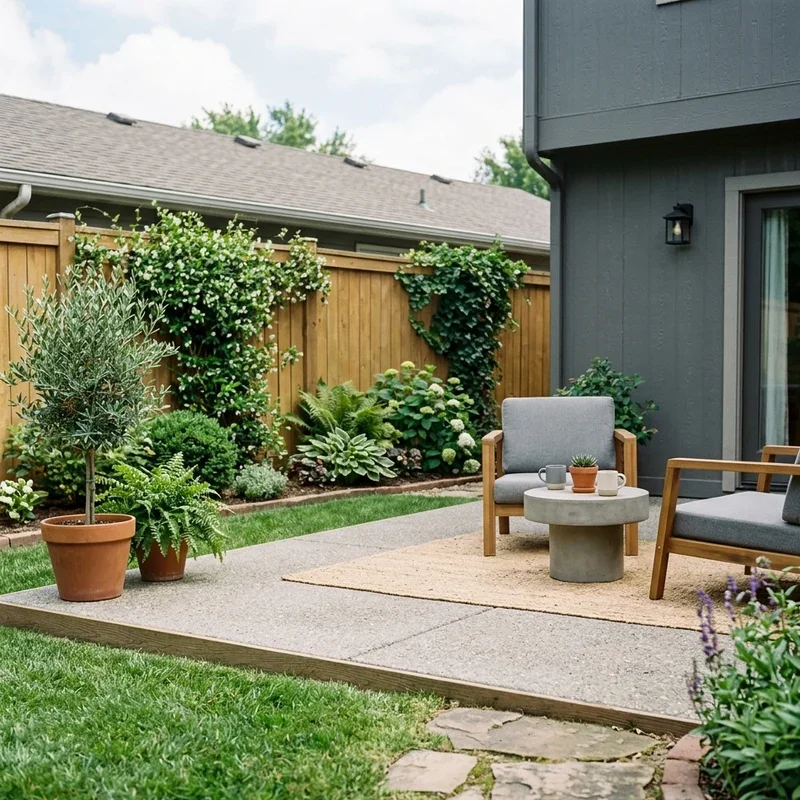
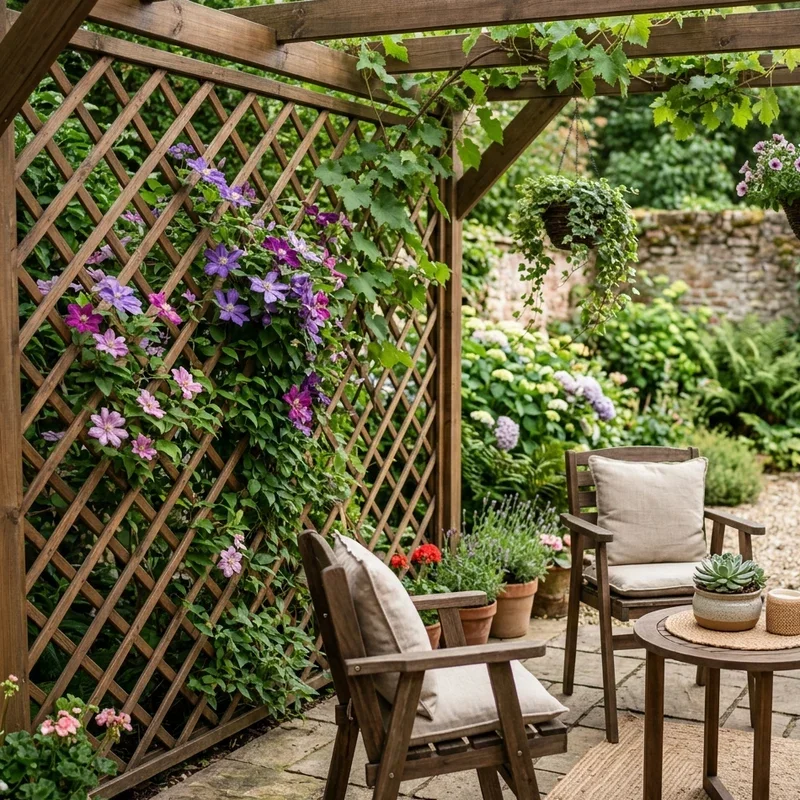
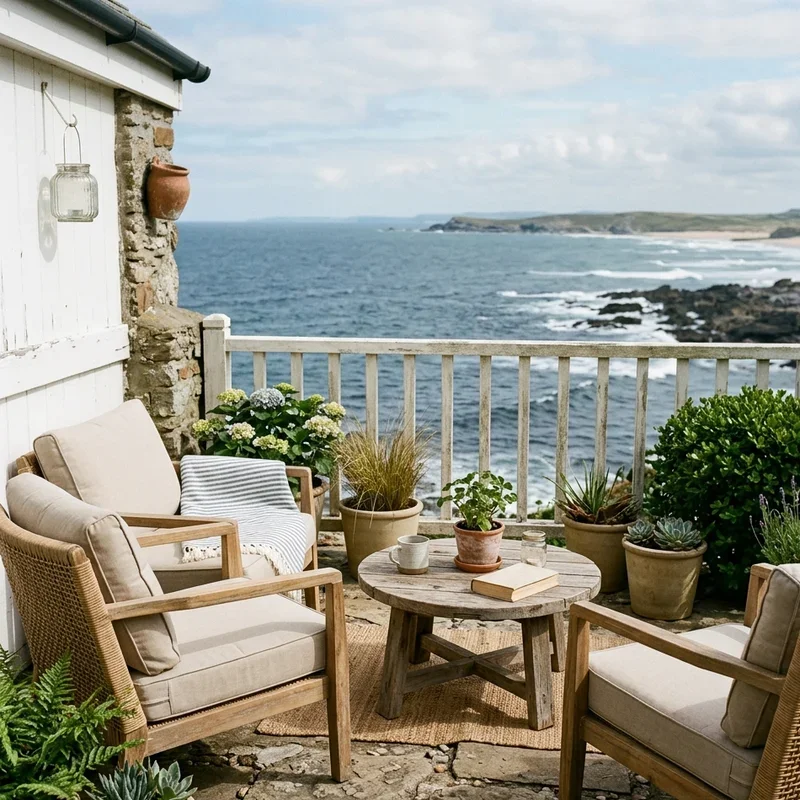
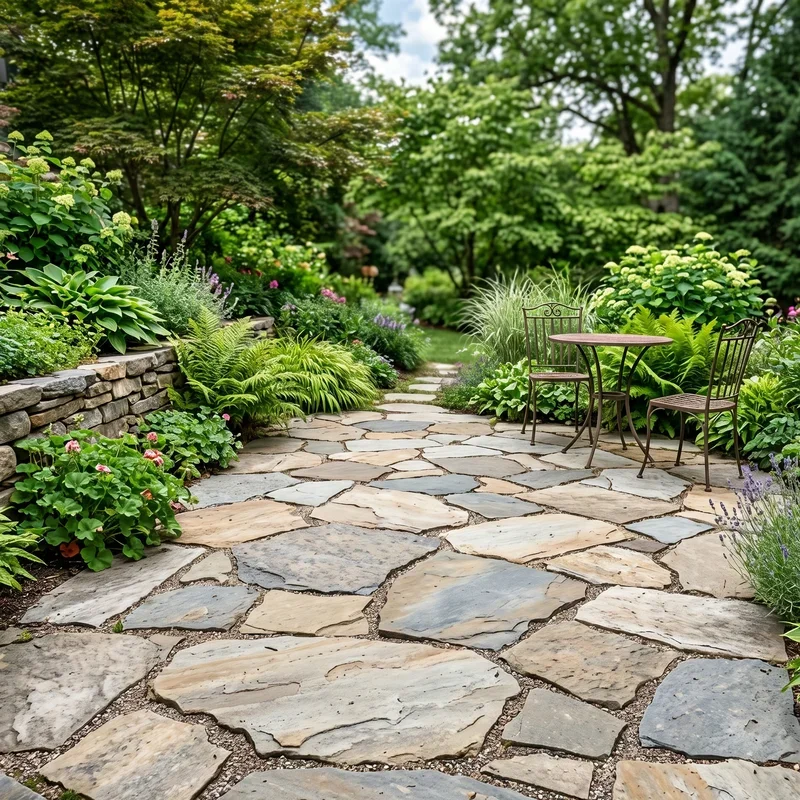
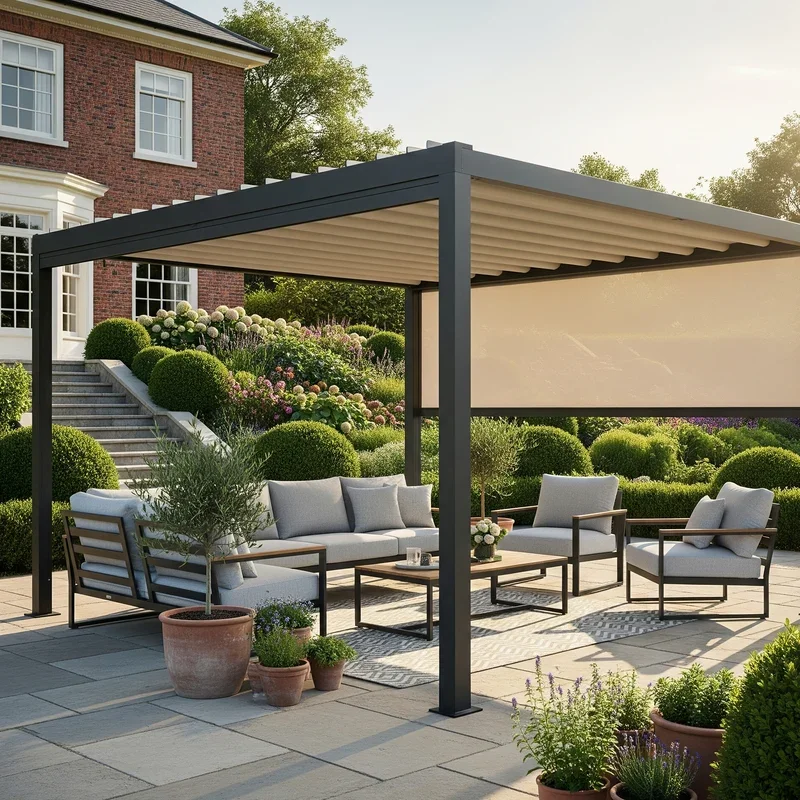
Transform your outdoor space with these 15 budget-friendly concrete patio ideas that add style, function, and value to your backyard oasis.
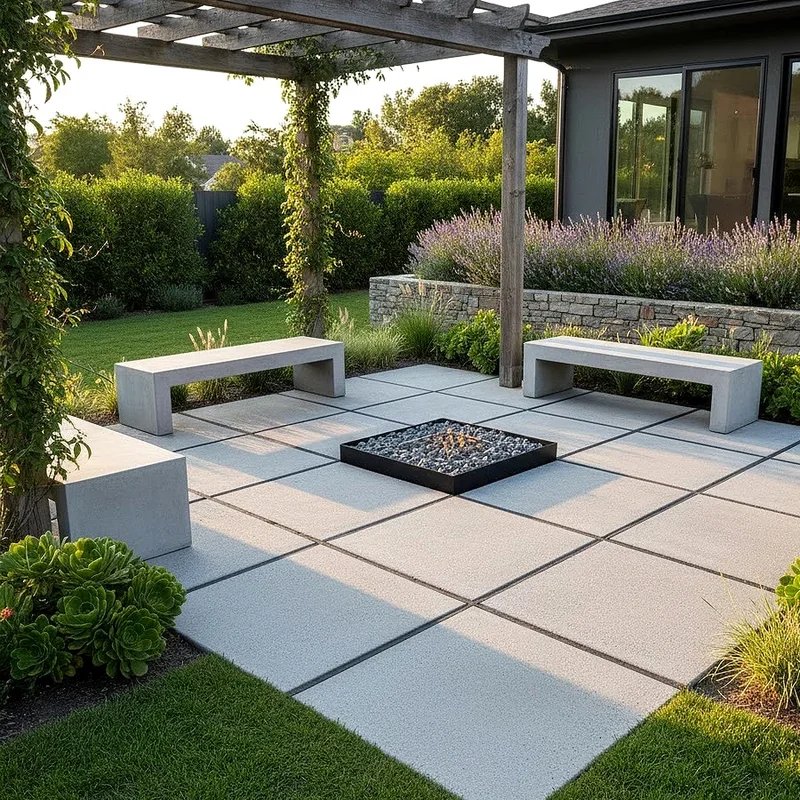
Have you ever looked at your backyard and felt it was missing something special? Your outdoor space holds incredible potential, and a concrete patio might be the perfect solution. Concrete patios offer durability, versatility, and affordability that few materials can match. This material has evolved beyond plain gray slabs, now offering stunning design possibilities. From stamped patterns to colorful stains, modern concrete techniques transform ordinary yards into extraordinary spaces. You can create a backyard oasis without breaking the bank. These fifteen creative ideas will inspire you to reimagine your outdoor area with practical solutions that balance beauty with budget. Ready to discover how concrete transformations can elevate your yard? Let's explore these game-changing patio ideas together.
1. Stamped Concrete Patterns for Classic Elegance
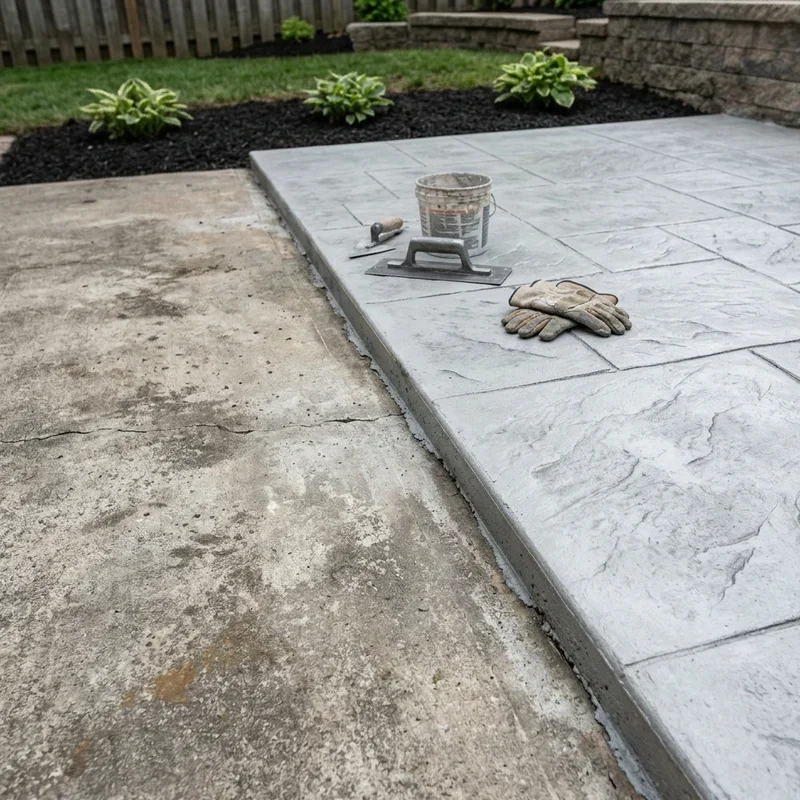
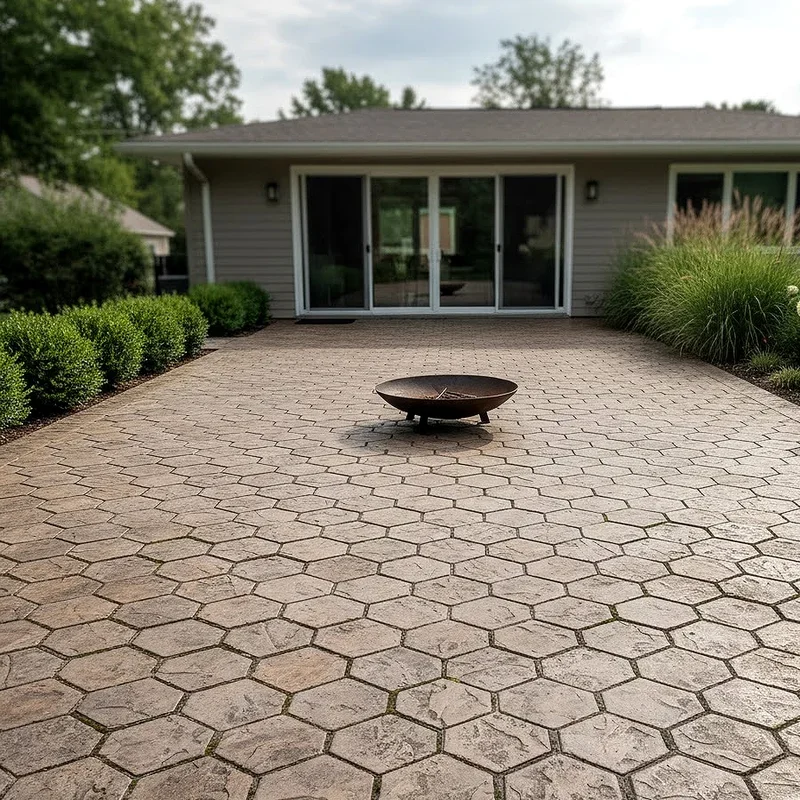
Stamped concrete brings the luxurious look of natural stone, brick, or tile to your patio without the hefty price tag. This technique involves pressing patterns into freshly poured concrete, creating realistic textures that fool even discerning eyes. You can choose from hundreds of stamp patterns including cobblestone, slate, and wood plank designs. The process adds minimal cost compared to actual stone while delivering comparable impact. Stamped concrete resists cracking better than pavers and requires less maintenance. Your contractor can customize colors to match your home's exterior perfectly. This option works beautifully for traditional and contemporary homes, offering flexibility that adapts to your preferences. Consider combining multiple patterns to create visual interest and define different zones.
2. Stained Concrete for Bold Color Statements
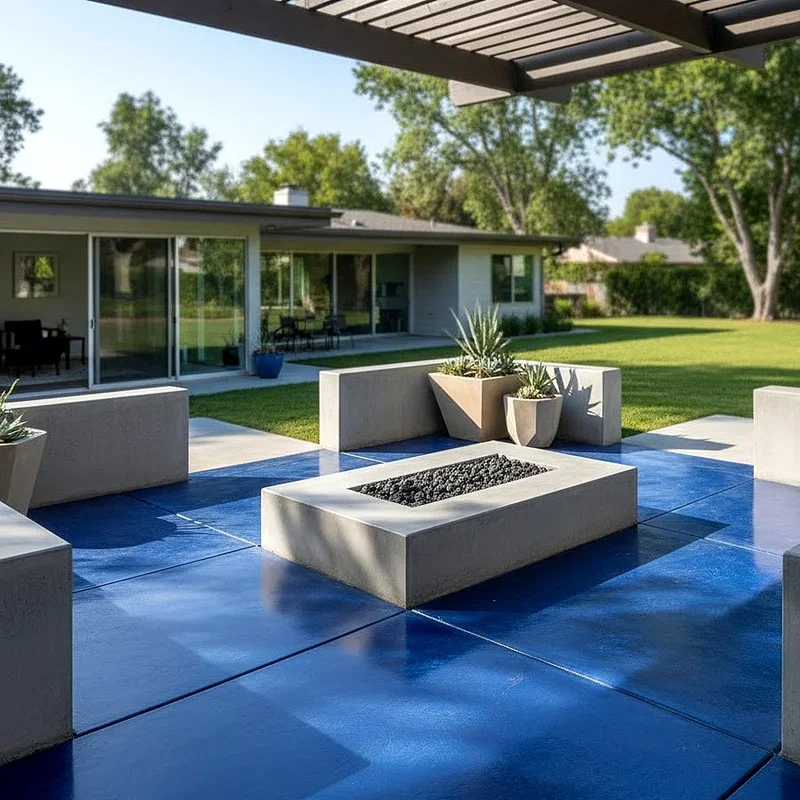
Concrete stains penetrate the surface to create rich, permanent colors that won't chip or peel like paint. These chemical reactions produce variegated, translucent tones that add depth and character. You can select earth tones like terracotta and brown for warmth, or choose bolder hues like blue and charcoal for drama. Staining works on both new and existing concrete, making it excellent for refreshing old patios. The application involves cleaning, staining, and sealing, which most homeowners can tackle as a weekend project. Multiple colors can be layered to create custom shades that reflect your personality. This technique costs significantly less than replacement while delivering transformative results. Sealed stained concrete maintains its beauty for years.
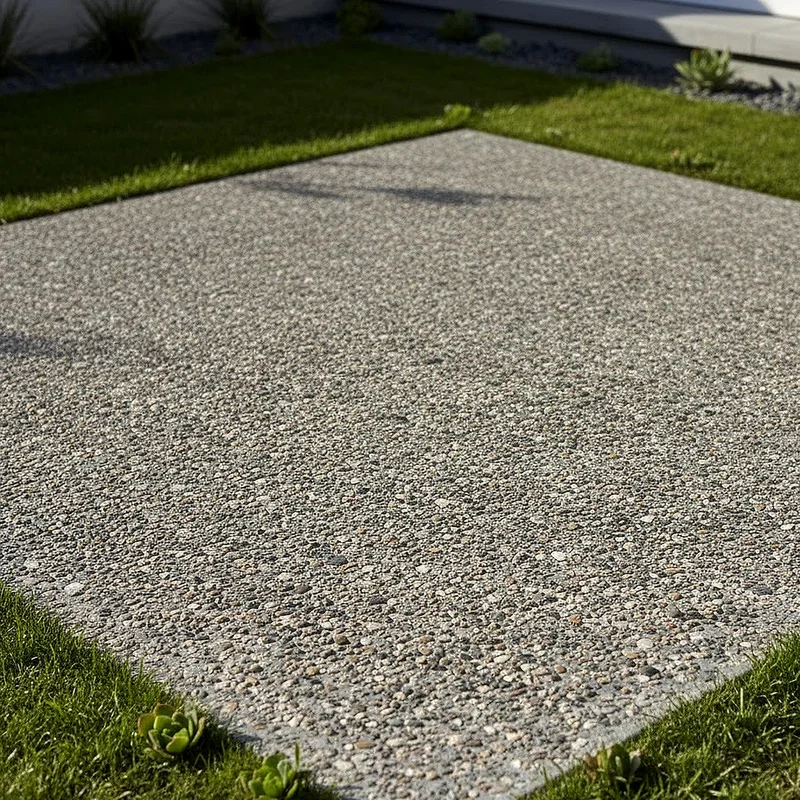
3. Exposed Aggregate for Texture and Grip
Exposed aggregate concrete reveals the natural beauty of stones embedded within the mix, creating a textured, slip-resistant surface perfect for pool areas. Contractors pour concrete mixed with decorative stones, then wash away the top layer to expose the aggregate. You can choose river rock, crushed granite, quartz, or recycled glass for unique combinations. This finish provides excellent traction when wet, making it safer around water features. The technique adds visual interest through natural stone colors and creates a casual, organic feel. Exposed aggregate handles foot traffic exceptionally well and hides minor imperfections better than smooth finishes. Installation requires professional expertise, but the durability justifies the investment for high-traffic spaces.
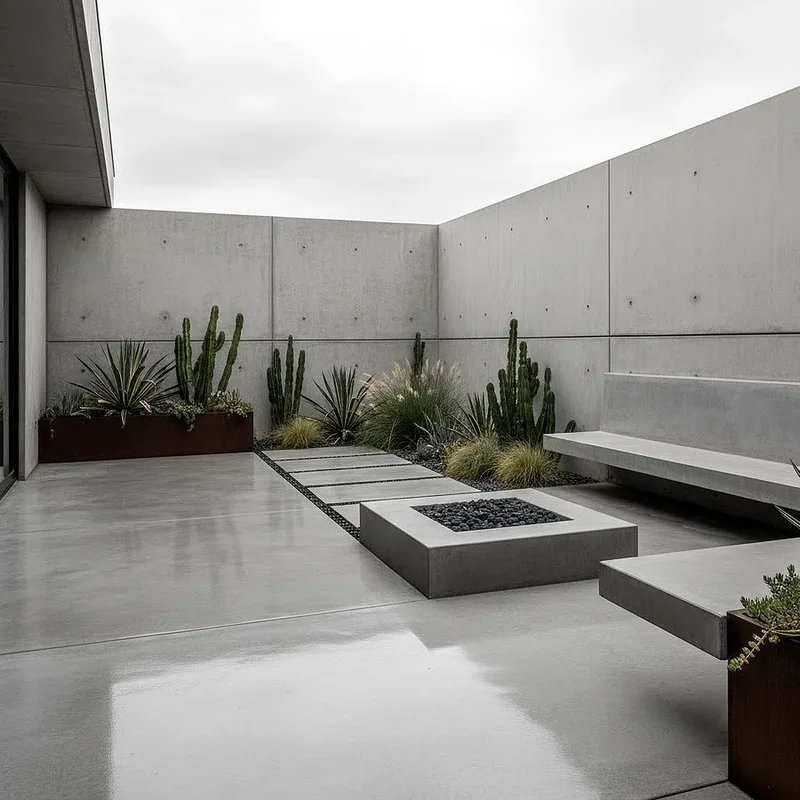
4. Polished Concrete for Modern Minimalism
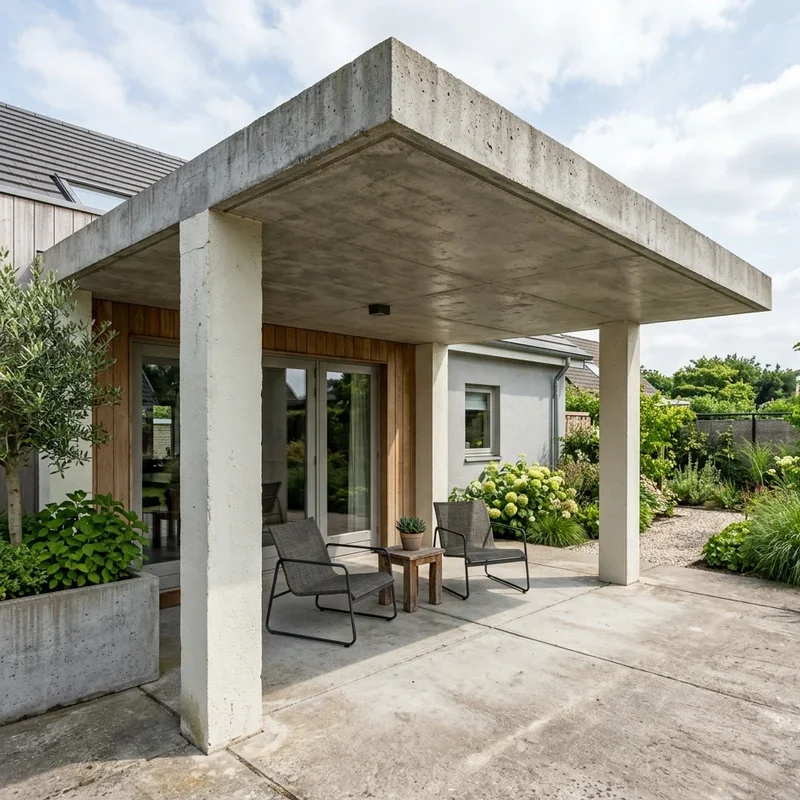
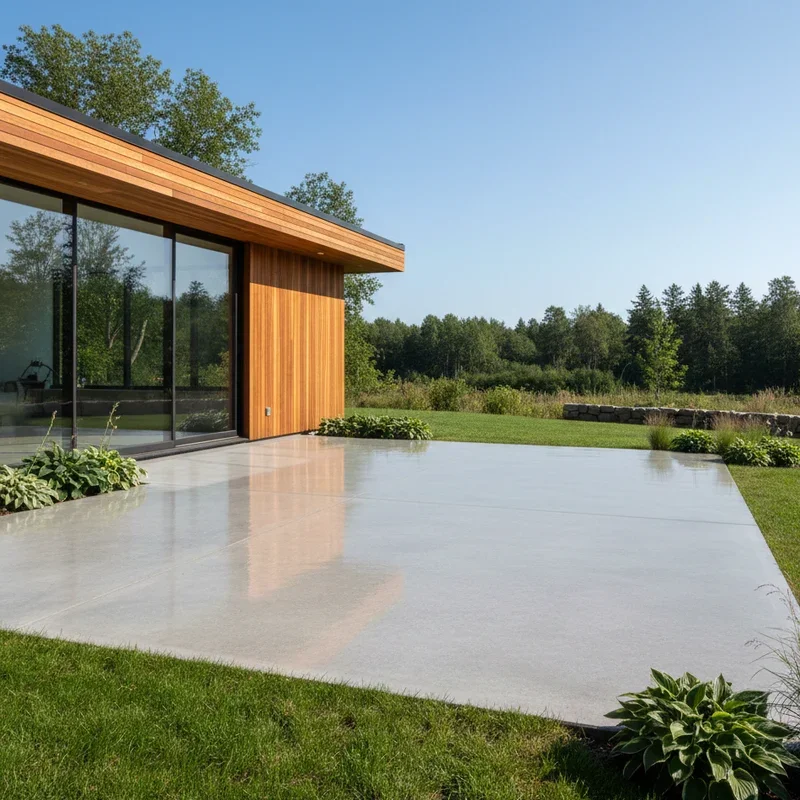
Polished concrete delivers sleek, reflective surfaces that bring contemporary sophistication to outdoor spaces with industrial-chic appeal. Specialized grinding equipment smooths the surface progressively, then polishing compounds create a glass-like sheen. This finish works particularly well for covered patios where the surface stays protected from harsh weather. You can choose different gloss levels from satin to high-gloss depending on your preferences. Polished concrete resists staining better than porous finishes and requires only regular sweeping and occasional mopping. The technique enhances concrete's natural color variations, creating subtle movement across the surface. Consider combining polished concrete with minimalist furniture and clean architectural lines to maximize the modern aesthetic throughout your outdoor area.
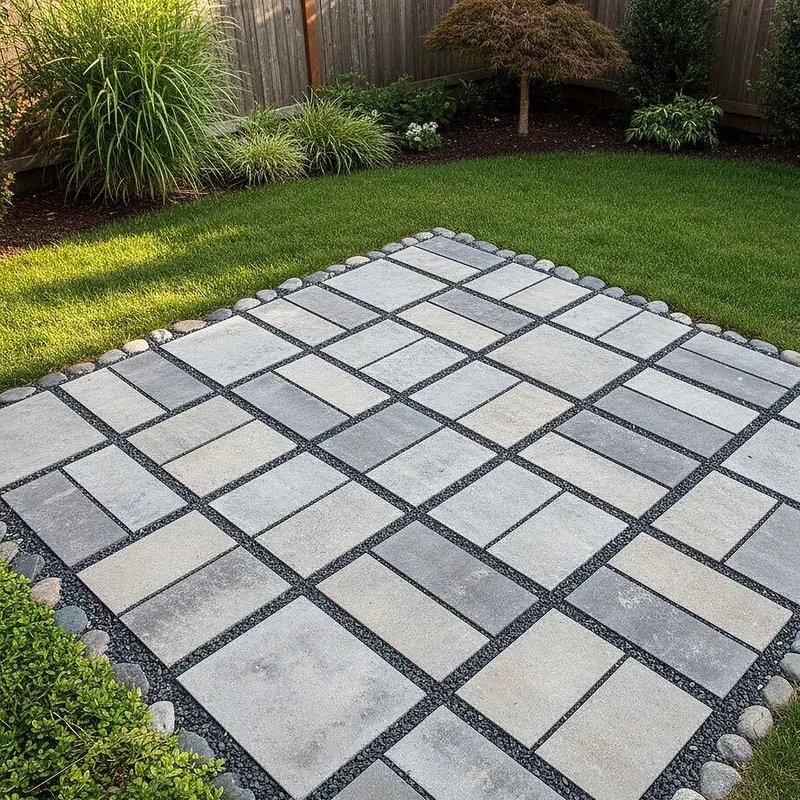
5. Concrete Pavers for Easy Installation
Concrete pavers offer the flexibility of individual units that you can arrange in countless patterns without the permanence of poured concrete. These precast pieces come in various shapes, sizes, colors, and textures, allowing creative designs. Installation involves preparing a gravel base, laying sand, setting pavers, and filling joints with sand. You can easily replace damaged individual pavers without disturbing the entire patio. Pavers allow water drainage between units, reducing puddles and protecting against frost heave. The installation suits confident DIYers, potentially saving thousands in labor costs. Consider mixing paver colors or sizes to create borders, medallions, or geometric patterns that add visual interest to otherwise simple patios.
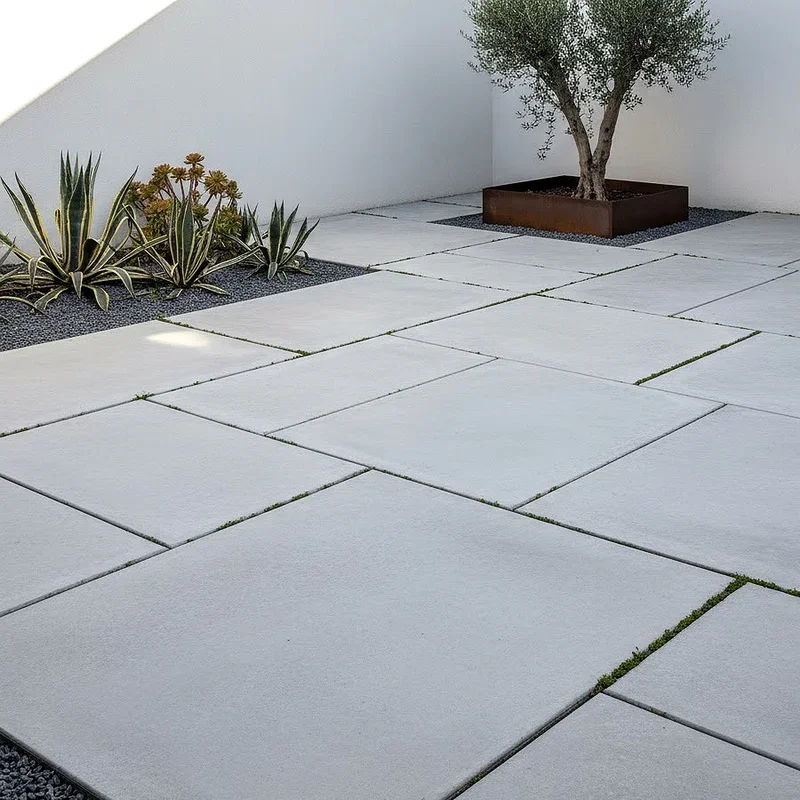
6. Geometric Designs with Concrete Scoring
Concrete scoring involves cutting shallow grooves into cured concrete to create geometric patterns, borders, or design elements that transform plain slabs. This technique costs relatively little but delivers significant visual impact by breaking up large expanses. You can create grid patterns that mimic tile, diagonal lines for movement, or curves that soften the space. Scoring also provides functional benefits by creating control joints that direct cracking along planned lines. The grooves can be left natural, filled with contrasting grout, or highlighted with stains. This option works beautifully for existing patios needing visual refreshment without complete replacement. Consider combining scoring with staining techniques to create two-tone effects that add depth.
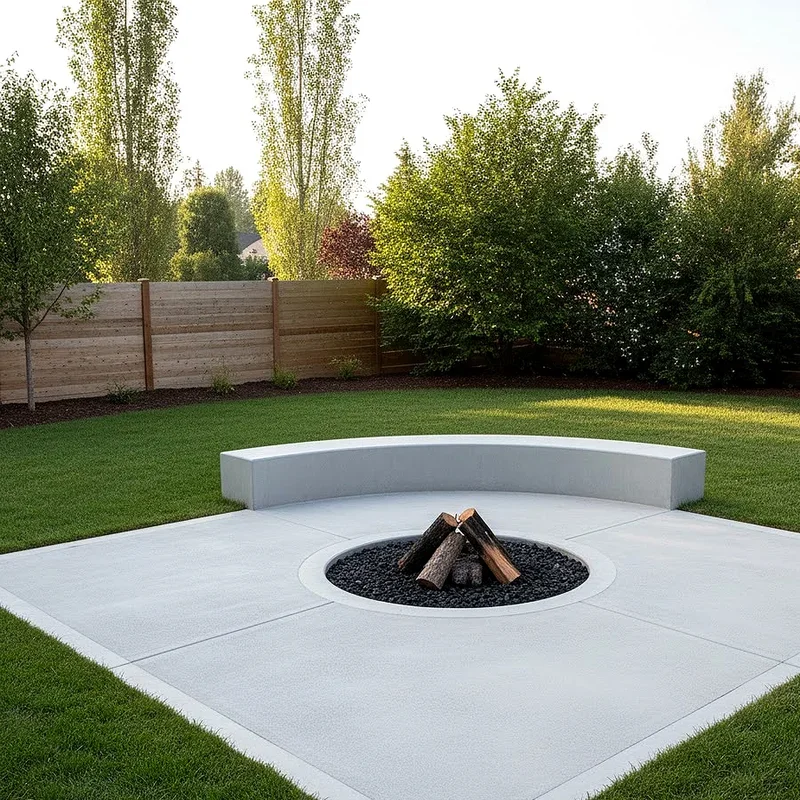
7. Integrated Fire Pit Surrounds
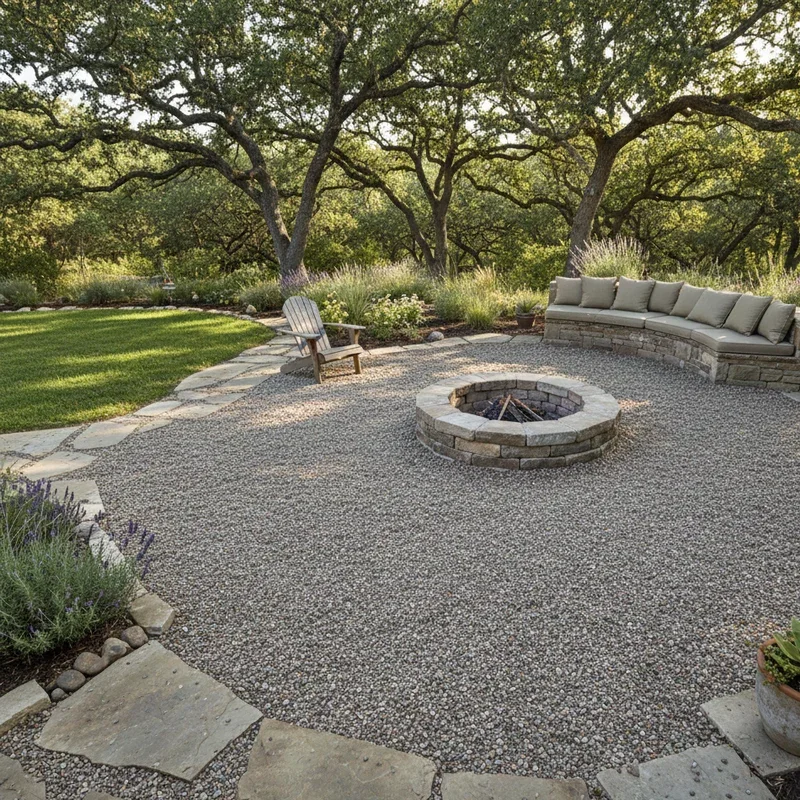
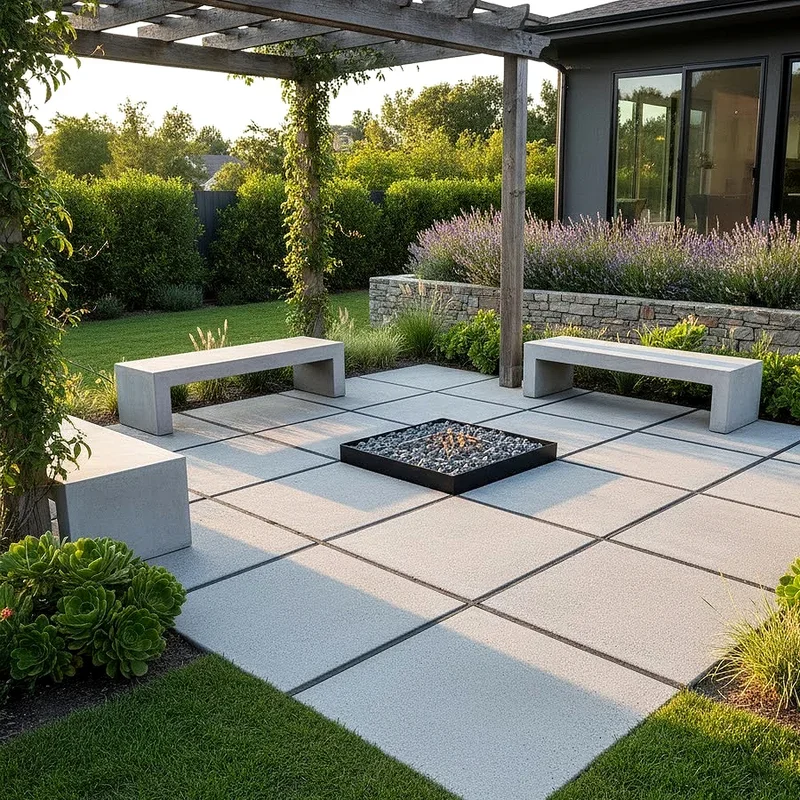
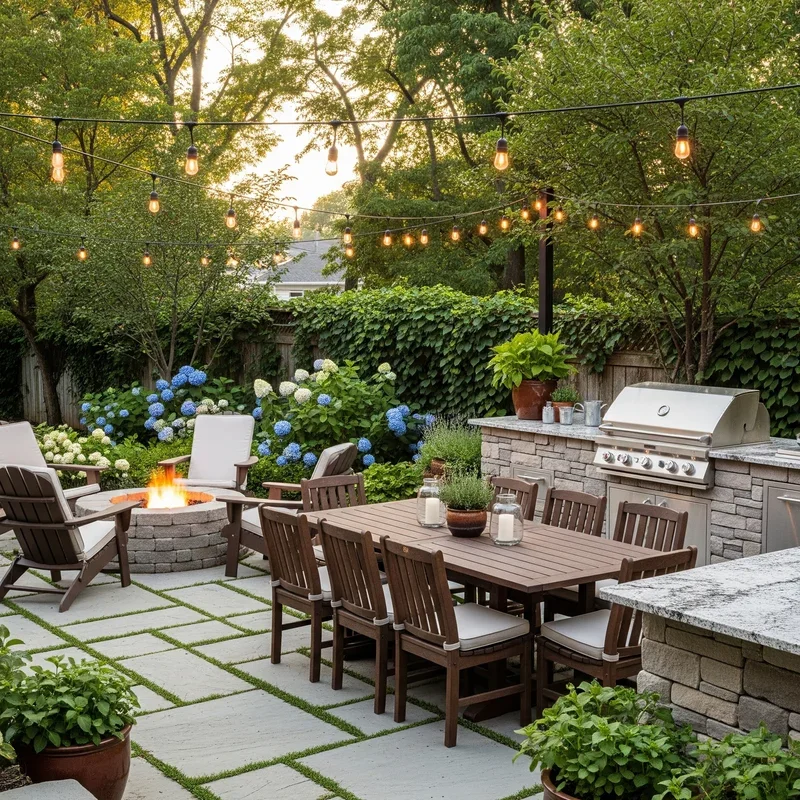
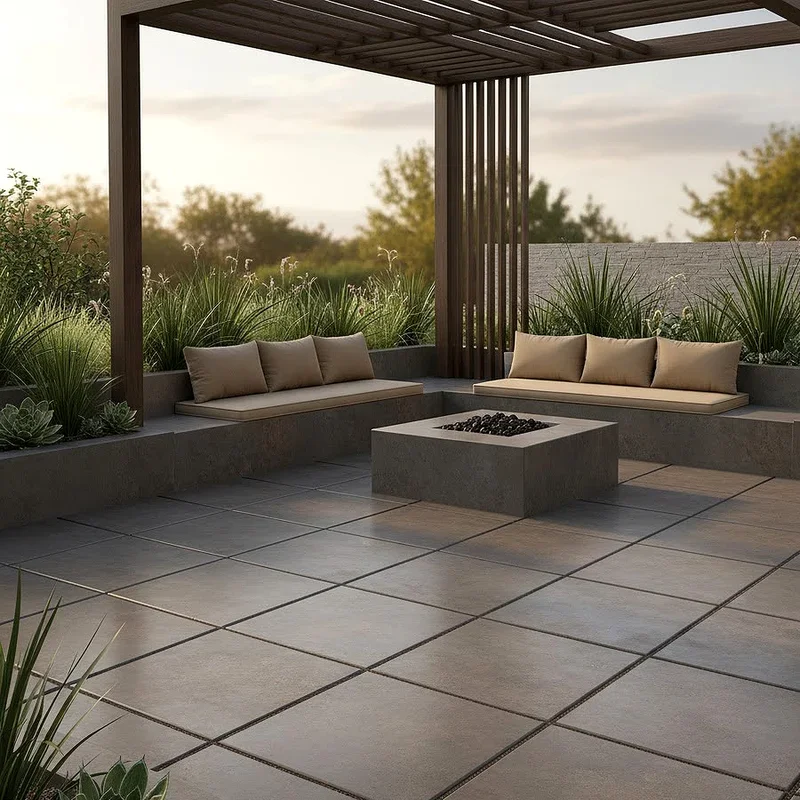
Building your fire pit directly into your concrete patio creates a cohesive entertainment space that naturally draws people together. The concrete surround provides a heat-resistant, low-maintenance platform that safely contains the fire feature while extending seating areas. You can design the surround at various heights, creating built-in seating ledges or leaving it flush for furniture flexibility. Stamped or stained concrete around the fire pit coordinates with the main patio while defining the gathering zone. This integrated approach eliminates the need for separate fire pit pads. Consider incorporating subtle lighting within the concrete surround to illuminate the area after sunset. The fire pit becomes a permanent focal point that increases your home's value.
8. Multi-Level Concrete Terraces
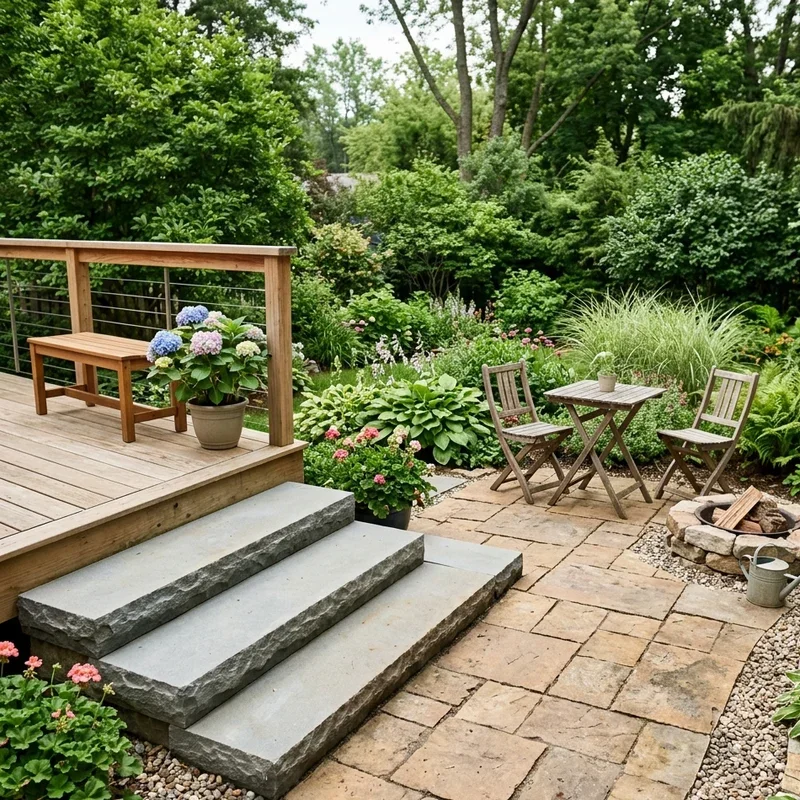
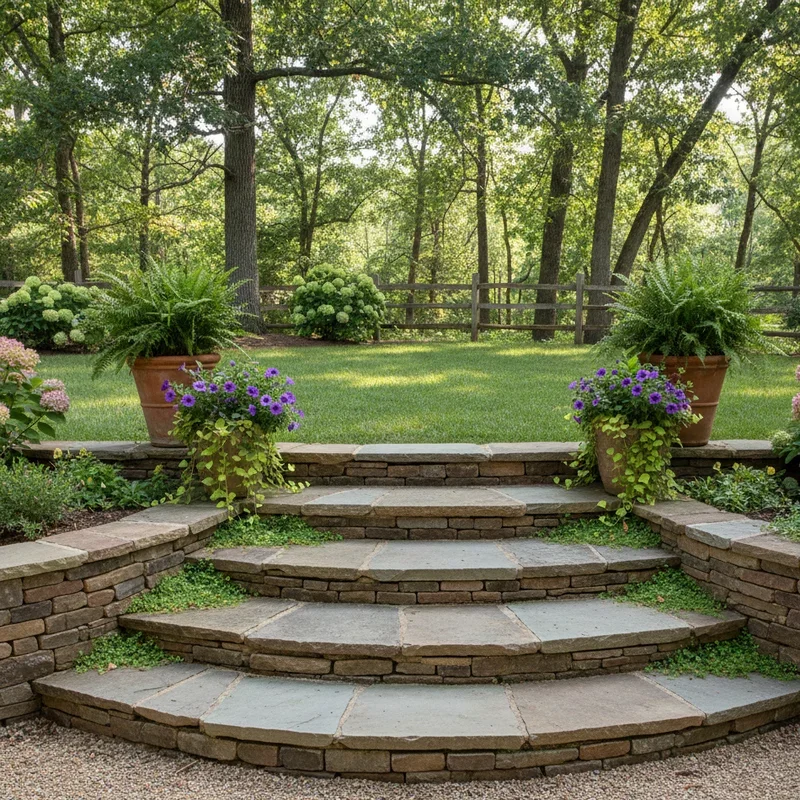
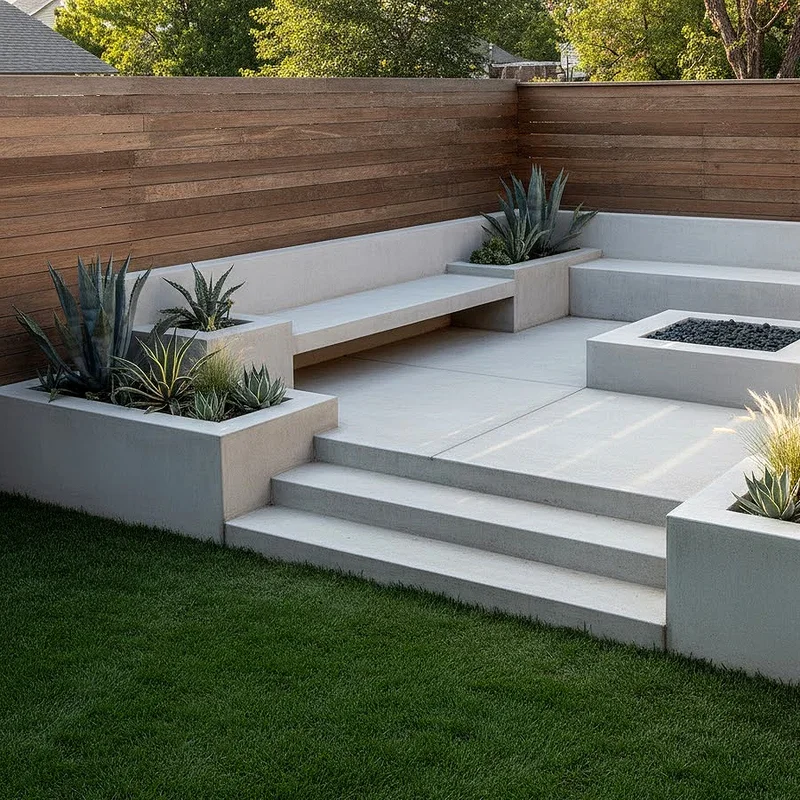
Creating multiple levels within your patio design adds architectural interest and helps manage sloped yards while defining distinct functional zones. Each level can serve a specific purpose like dining, lounging, or cooking, with steps connecting the spaces seamlessly. Concrete's versatility allows you to pour each terrace with different finishes, colors, or textures. Multi-level designs work particularly well for hillside properties where they reduce erosion and improve drainage. You can integrate retaining walls, planters, or lighting between levels to enhance functionality. This approach transforms challenging topography into a design asset. Consider the traffic flow between levels carefully, ensuring comfortable step heights and adequate landing spaces for safety.
9. Concrete and Wood Combination Patios
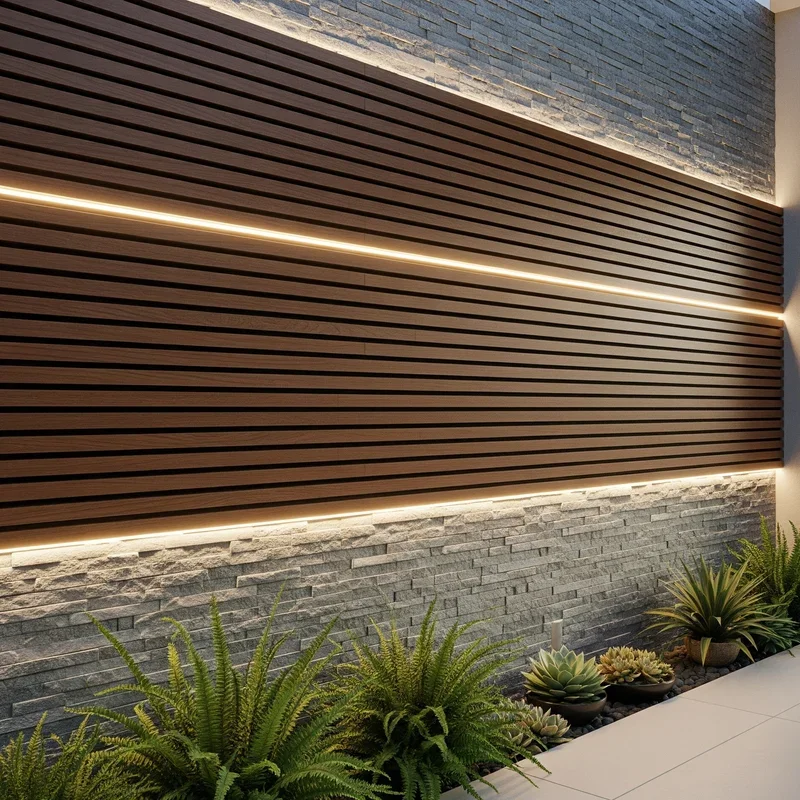
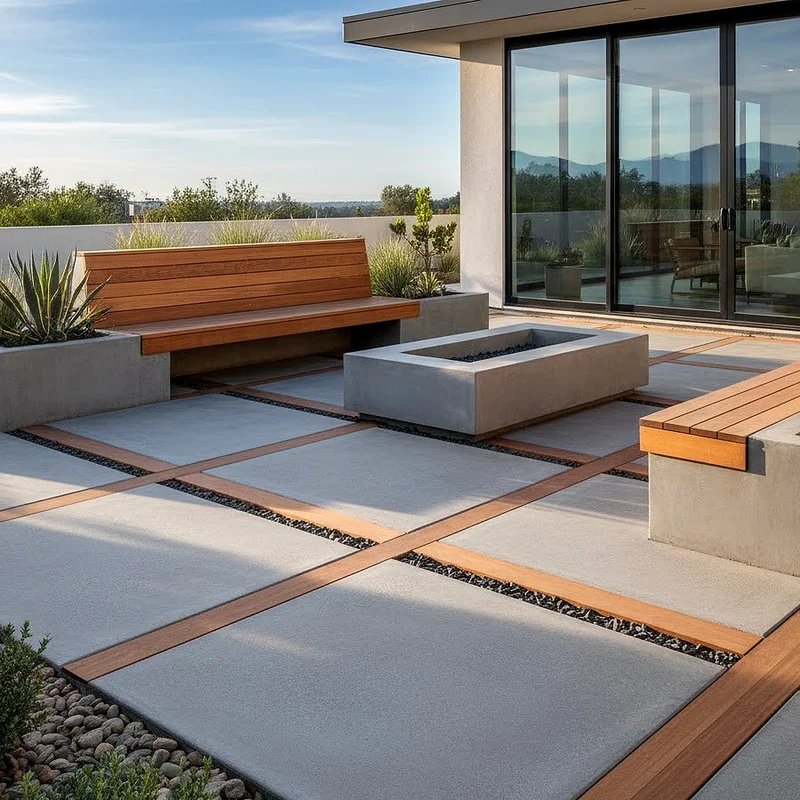
Blending concrete with wood elements creates warmth and visual contrast that softens concrete's industrial character while maintaining durability. You might install wood deck sections within concrete frames, creating raised platforms that define seating areas. Alternatively, embed wood beams into concrete surfaces to create striped patterns that add texture. This combination allows you to place wood in protected areas while using concrete in high-traffic zones requiring superior durability. The contrast between materials adds architectural interest and helps define different functional zones. Consider treating wood elements with matching stains to coordinate with stained concrete sections. This hybrid approach offers the best characteristics of both materials while minimizing their respective weaknesses.
10. Acid-Washed Concrete for Unique Finishes
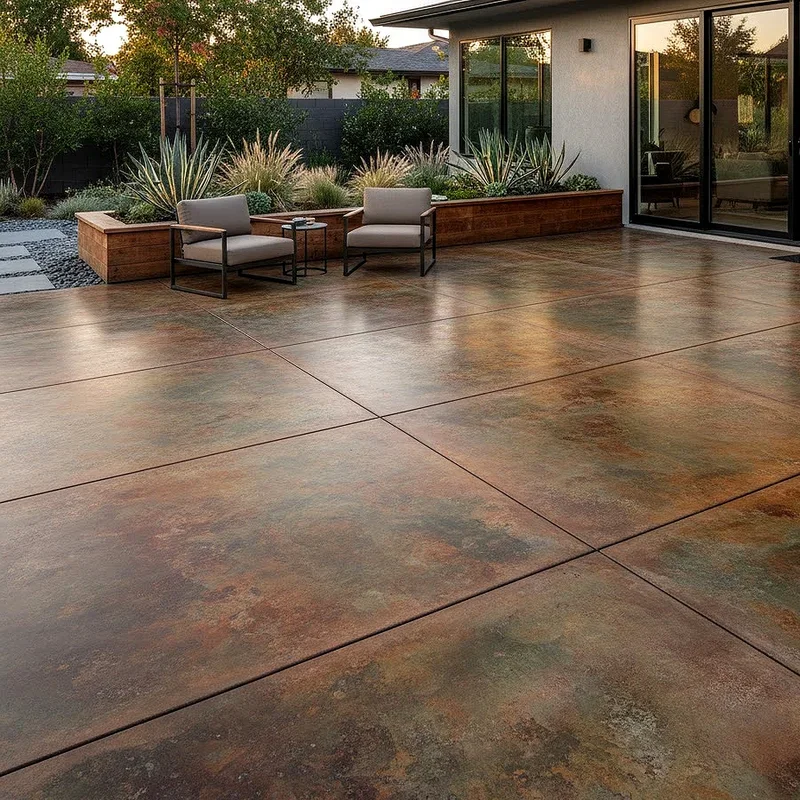
Acid washing creates beautifully variegated, marbled effects on concrete surfaces through chemical reactions that produce one-of-a-kind artistic results. The acid reacts with minerals in the concrete, creating translucent color variations ranging from subtle earth tones to dramatic hues. No two acid-washed patios look identical, giving your outdoor space a custom, artisan quality. This technique works on both new and existing concrete, making it perfect for updating old patios. Application requires safety precautions and proper neutralization afterward, so many homeowners choose professional installation. The final appearance depends on concrete composition, application technique, and dwell time. Seal acid-washed concrete properly to protect the finish and maintain the stunning effects.
11. Broom-Finished Concrete for Budget-Friendly Style
Broom-finished concrete provides excellent slip resistance through simple texture created by dragging a broom across freshly poured concrete. This classic technique costs nothing extra beyond standard concrete installation, making it the most budget-conscious option. The subtle parallel lines create visual interest while providing superior traction, especially important for areas that might get wet. You can vary the texture intensity by using different broom types or adjusting the timing of the finishing process. This finish hides minor imperfections better than smooth concrete and ages gracefully. Consider running the broom lines in different directions to create zones or patterns within your patio. While simple, this technique delivers practical benefits and clean aesthetics.
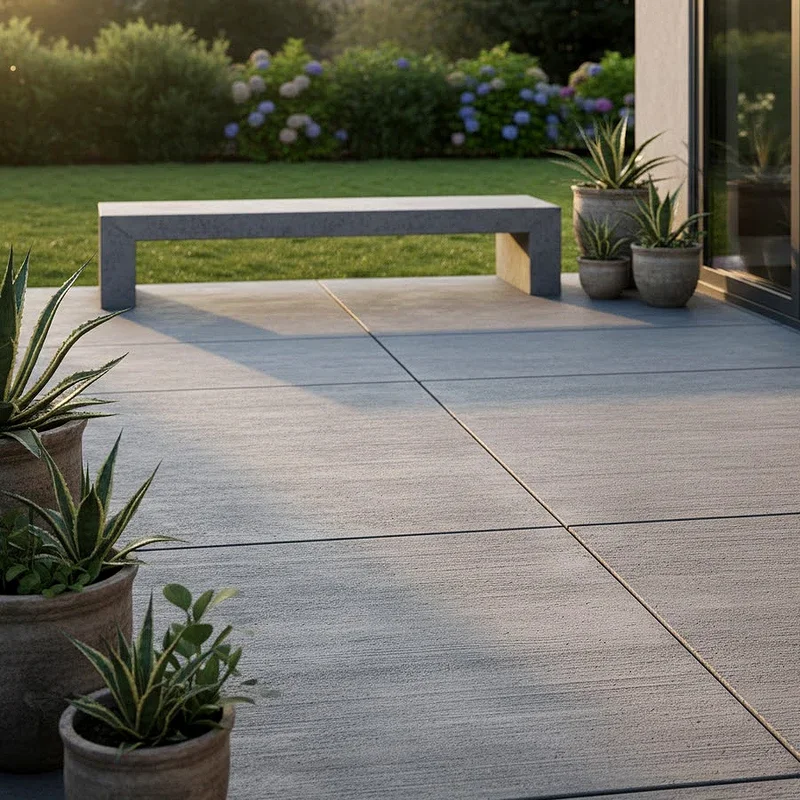
12. Concrete Borders with Gravel Infill
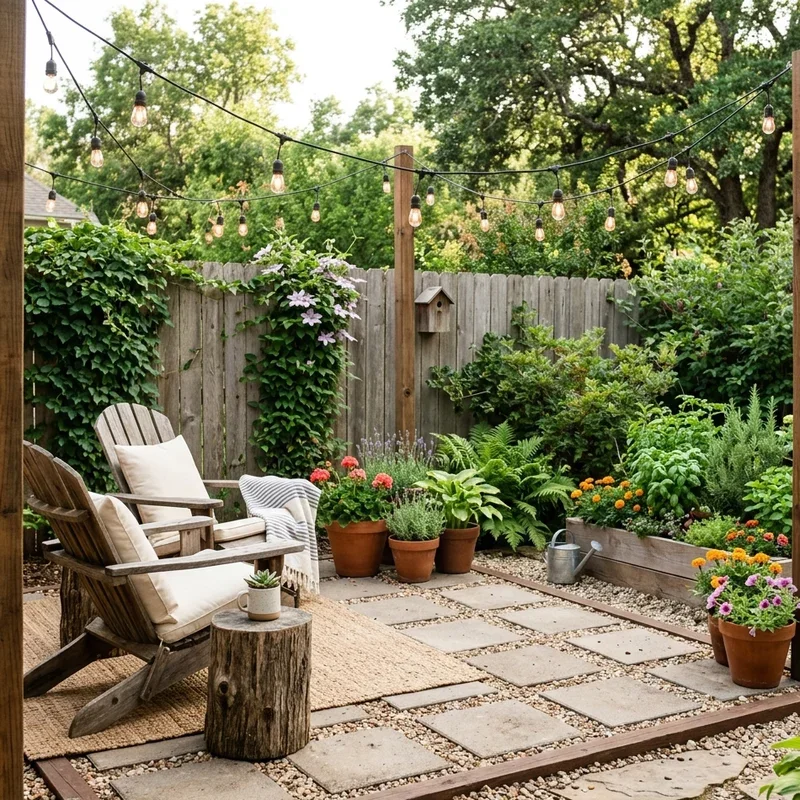
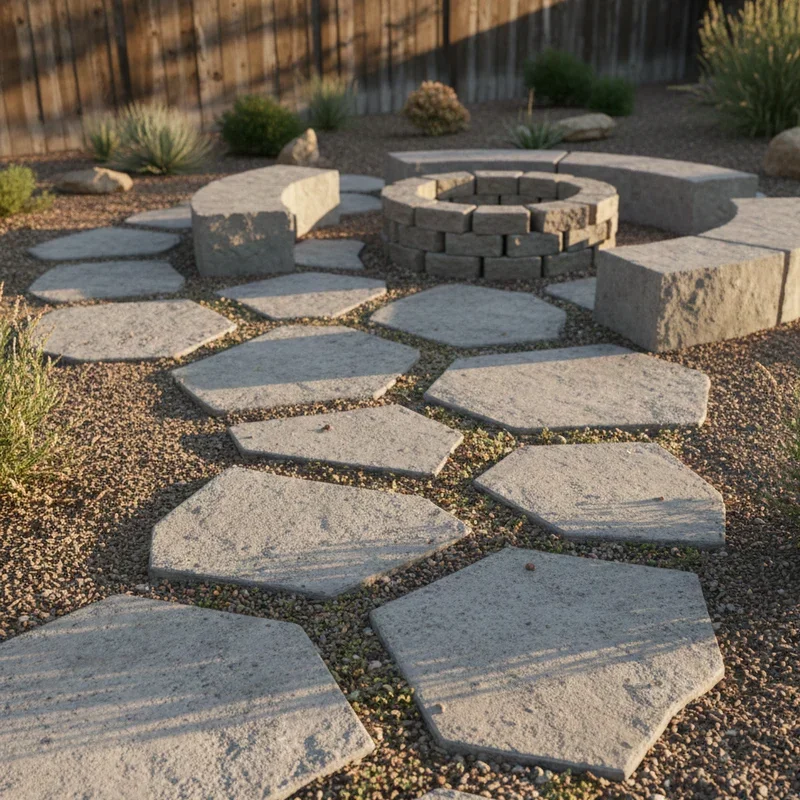
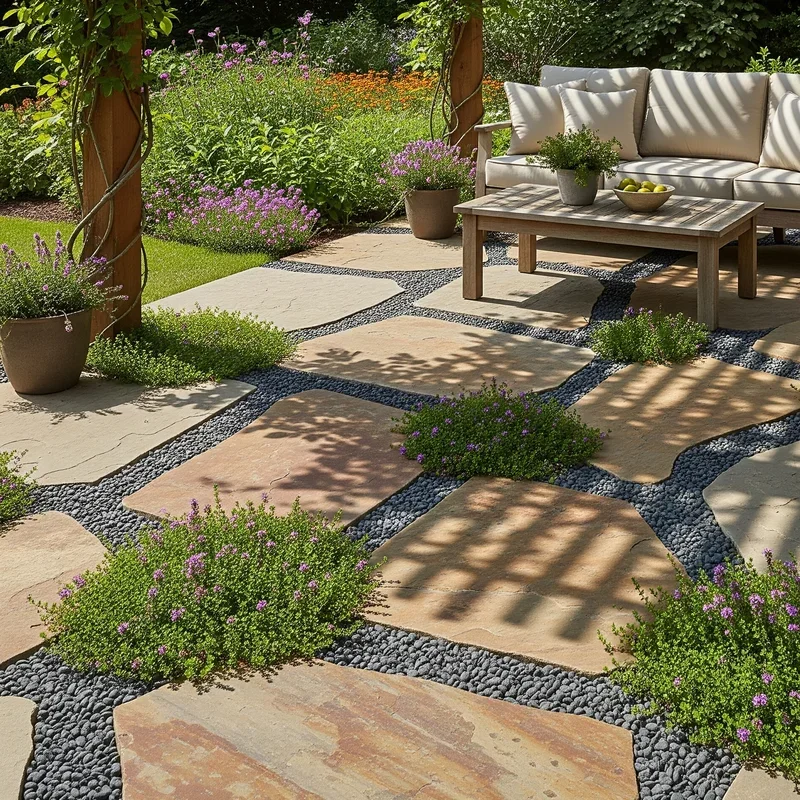
Combining concrete borders with gravel infill creates interesting texture contrast while reducing concrete volume and overall project costs significantly. Pour concrete perimeter borders to define the patio shape and provide stable edges, then fill the interior with decorative gravel. This approach allows excellent drainage, preventing puddles while creating a casual, garden-friendly aesthetic. You can incorporate stepping stones or concrete pads within the gravel for stable pathways and furniture placement. The gravel softens the hardscape appearance and provides flexibility to change the look later. Maintenance involves occasional raking to keep gravel level and adding fresh material every few years. Consider installing landscape fabric beneath the gravel to suppress weeds while allowing drainage.
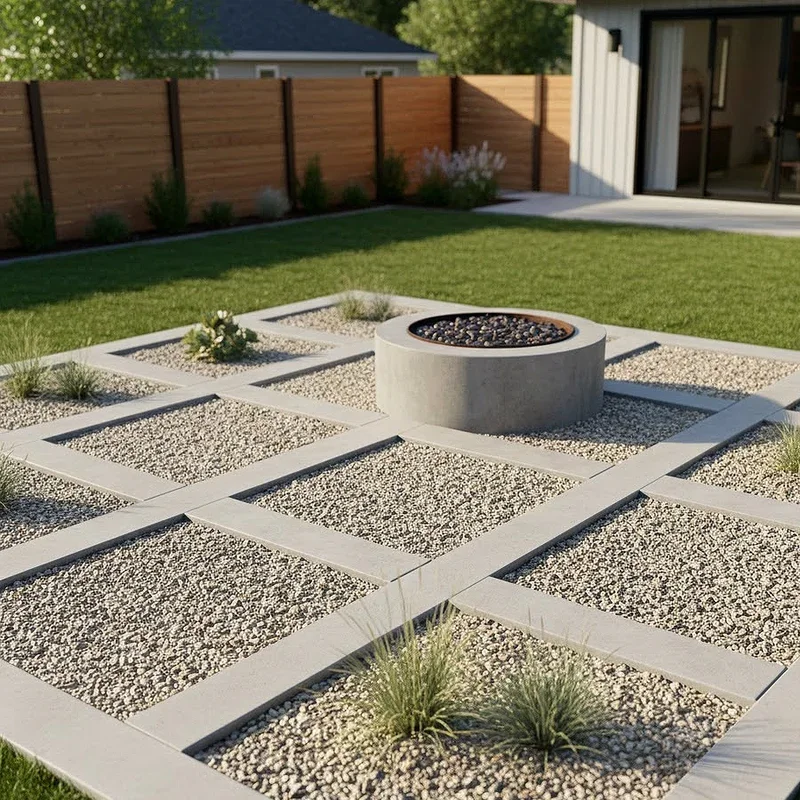
13. Curved Concrete Edges for Organic Flow
Curved concrete edges create flowing, organic shapes that complement natural landscapes better than rigid rectangles, softening the transition between hardscape and plantings. These graceful lines draw the eye through the space, making yards appear larger while creating visual interest. Forming curves requires flexible edging materials and careful planning, but the results justify the extra effort. Curved patios feel more inviting and comfortable, encouraging people to wander and explore. You can echo curves from other landscape features like garden beds or pools, creating visual harmony. Consider combining curved edges with contrasting materials like brick or stone borders to emphasize the organic shapes. This design approach works particularly well for cottage gardens.
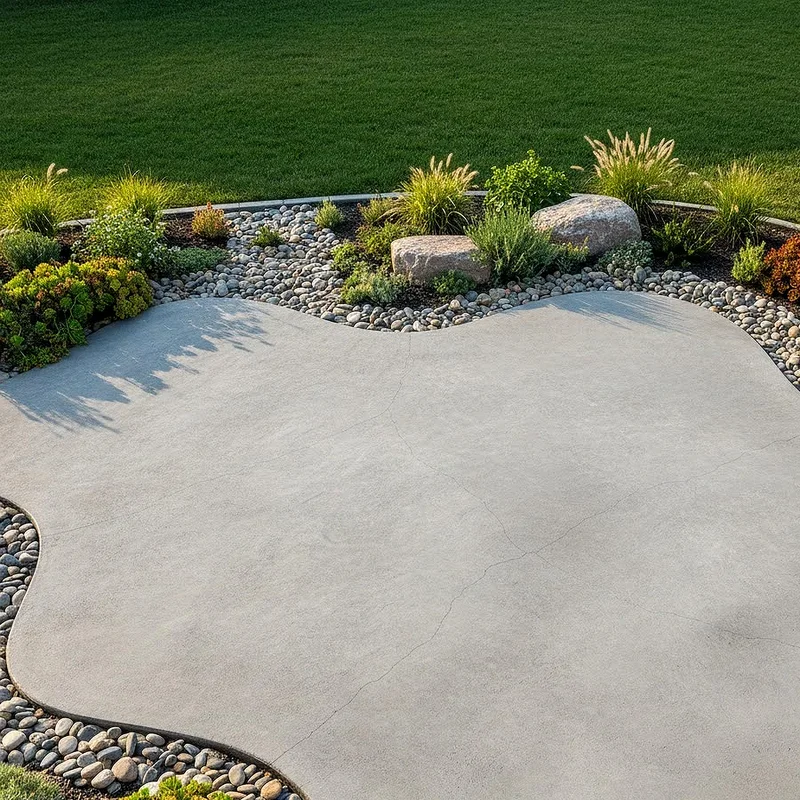
14. Stamped Concrete with Built-in Seating
Incorporating built-in seating walls into your stamped concrete patio creates cohesive, space-efficient gathering areas that maximize functionality without crowding movable furniture. These integrated seats define the patio perimeter while providing permanent seating that never needs storing during winter. You can pour the seat walls simultaneously with the patio slab, creating a monolithic structure that shares the same stamped pattern. Cap the seat walls with smooth concrete, contrasting materials, or cushioned surfaces to enhance comfort. Built-in seating works beautifully around fire pits, along patio edges overlooking views, or as room dividers. Consider the seating height carefully, typically between sixteen and eighteen inches, ensuring comfort for adults. This permanent solution eliminates furniture-buying expenses.
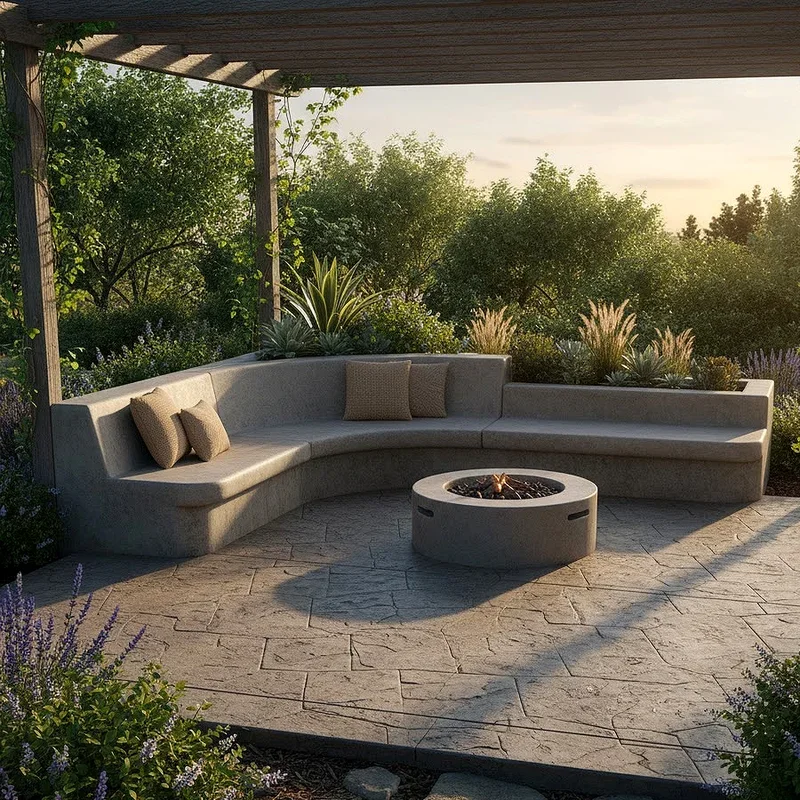
15. Tinted Concrete for Subtle Sophistication
Tinted concrete involves adding color pigments directly to the concrete mix before pouring, creating consistent color throughout the entire slab depth. Unlike surface treatments, integral color won't wear off or fade significantly over time. You can choose from earth tones like tan, brown, and red that complement natural settings, or gray variations ranging from charcoal to dove. This technique costs only slightly more than standard gray concrete but delivers dramatically improved aesthetics. Tinted concrete provides a sophisticated backdrop for furniture and decor without competing visually. The subtle color adds warmth and character while maintaining the clean, modern aesthetic that makes concrete so appealing. Consider combining tinted concrete with scoring or stamping techniques.
Conclusion
Your backyard deserves a patio that reflects your lifestyle and enhances your home's beauty without exhausting your renovation budget. These fifteen concrete patio ideas prove that practical doesn't mean boring, offering creative solutions for every style preference and skill level. Whether you choose bold stamped patterns, subtle color tints, or clever material combinations, concrete provides the versatility to bring your vision to life. The durability and low maintenance concrete offers mean you'll enjoy your outdoor space for decades with minimal upkeep or expensive repairs. Start by identifying which ideas resonate with your aesthetic preferences and functional needs, then consult professionals or tackle DIY projects with confidence.
Read next: 15 RV Patio Ideas to Upgrade Your Outdoor Space
Frequently Asked Questions
Q1. How long does a concrete patio typically last?
A: A properly installed concrete patio lasts 30 to 50 years with basic maintenance and sealing.
Q2. Can I install a concrete patio myself?
A: Small patios suit DIY installation, but larger projects benefit from professional expertise and equipment.
Q3. How much does a concrete patio cost per square foot?
A: Basic concrete costs $6 to $12 per square foot; decorative finishes range $12 to $25.
Q4. When is the best time to install a concrete patio?
A: Spring and fall offer ideal temperatures; avoid pouring during freezing weather or extreme heat.
Q5. How do I maintain my concrete patio?
A: Sweep regularly, clean spills promptly, reseal every two to three years for protection.
Stay up to date with our latest ideas!