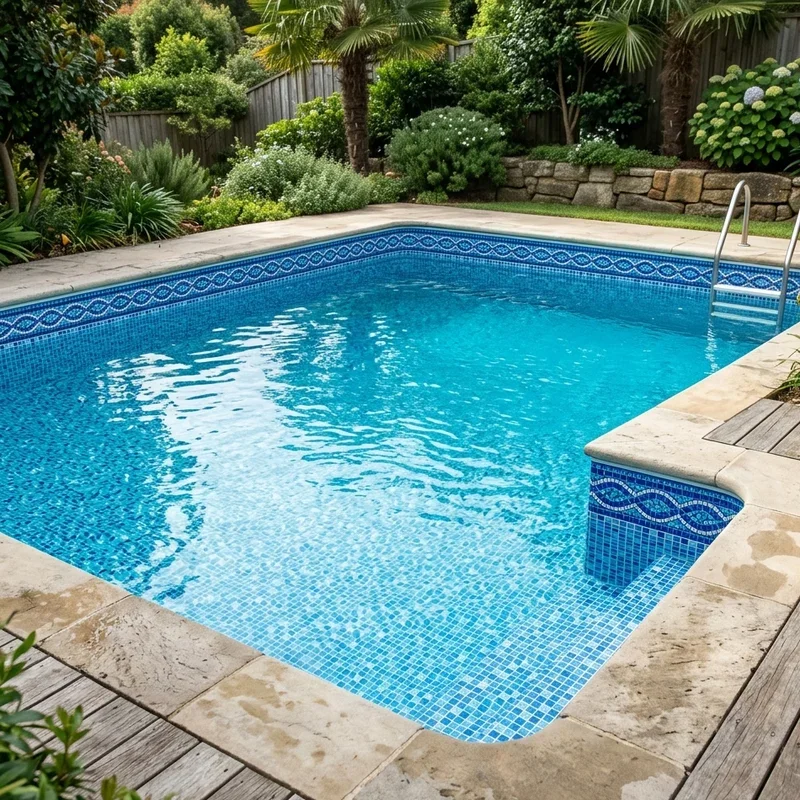
Where Does Water Go When a Pool Leaks and Why
Discover where does water go when a pool leaks and why it happens. Learn about underground paths, damage risks, and detection tips.
You've noticed the water level dropping faster than usual. At first, you blamed evaporation or maybe the kids splashing a bit too enthusiastically during last weekend's pool party. But deep down, something tells you there's more to the story. That sinking feeling in your stomach? Yeah, it might be justified.
Pool leaks are sneaky little troublemakers that cost homeowners thousands of dollars annually while often going undetected for weeks or even months. The water vanishing from your pool doesn't simply evaporate into thin air. It goes somewhere, and understanding exactly where can mean the difference between a minor repair and a major catastrophe.
Here's the thing about leaking pool water. It doesn't just politely disappear. That water is actively working its way through your property, potentially undermining foundations, saturating soil, and creating conditions for serious structural damage. Ignorance isn't bliss when gallons upon gallons are silently escaping beneath your beautiful backyard oasis.
Understanding where does water go when a pool leaks and why this matters isn't just academic curiosity. This knowledge empowers you to spot problems early, understand the urgency of repairs, and protect your property from the cascading consequences that unchecked leaks can cause.
So grab a seat, maybe away from the pool for now, and let's explore the mysterious journey that escaping pool water takes once it breaks free from its intended home.
The Science Behind Pool Water Escape
Water follows the path of least resistance. Always has, always will. When your pool develops a leak, water immediately begins seeking its own level, flowing downward and outward through whatever pathways become available.
Understanding Water Movement Underground
Beneath your pool deck and surrounding landscape lies a complex world of soil layers, each with different properties affecting how water moves through them. Sandy soils allow water to drain quickly, often traveling significant distances before being absorbed. Clay-heavy soils hold water near the surface, potentially causing pooling and saturation close to the leak source.
The type of soil on your property dramatically influences where leaked water ends up. In permeable soils, water can travel surprisingly far from the original leak location. One homeowner discovered their pool leak was actually contributing to a neighbor's basement flooding three houses away. Water really doesn't care about property lines.
Gravity pulls leaked water downward through soil layers until it reaches either impermeable bedrock, the water table, or encounters obstacles that redirect its flow. This underground journey can take hours or weeks depending on soil conditions and leak severity.
Hydrostatic Pressure and Its Effects
Pool water exerts constant pressure against pool walls and floors. A filled pool can contain upwards of 20,000 gallons, creating significant force pushing outward in all directions. When structural integrity becomes compromised at any point, this pressure exploits weaknesses relentlessly.
Even tiny cracks or gaps allow water to escape under pressure. What begins as minor seepage can rapidly enlarge as water erodes surrounding materials. Concrete pools are particularly susceptible to this phenomenon since small cracks expand over time as water freezes and thaws within them.
The pressure differential between your filled pool and the surrounding soil means water actively pushes to escape rather than passively seeping. This aggressive nature of pool leaks explains why small problems become big ones seemingly overnight.
Where Does Water Go When a Pool Leaks and Why It Takes Different Paths
Leaked pool water doesn't follow a single predictable route. Depending on where the leak originates and what conditions exist around your pool, water can end up in various concerning locations.
Into the Surrounding Soil
Most commonly, leaked water saturates the soil immediately surrounding your pool structure. This might sound relatively harmless, but saturated soil creates numerous problems. The ground becomes unstable, potentially settling unevenly and taking your pool deck or nearby structures along for the ride.
Oversaturated soil loses its load-bearing capacity. Think of it like this: dry sand at the beach supports your weight easily, but step into waterlogged sand and you sink. The same principle applies to the soil supporting your pool, patio, and even your home's foundation.
Over time, consistently wet soil attracts root growth from nearby trees and plants seeking moisture. These roots can further damage pool structures while also clogging drainage systems designed to manage normal groundwater.
Toward Foundation Structures
Here's where things get genuinely scary. Leaked pool water often migrates toward building foundations, particularly if your pool sits uphill from your home or if soil composition channels water in that direction.
Foundation damage from pool leaks isn't immediately apparent. Water seeping against foundation walls can take months or years to cause visible problems. But behind the scenes, moisture is weakening concrete, promoting mold growth, and compromising structural integrity.
Basement flooding traced back to pool leaks isn't uncommon, though homeowners often blame rain or groundwater before considering their pool as the culprit. If you're experiencing unexplained moisture in below-grade spaces, your pool deserves investigation.
Into Underground Utilities
Pipes, cables, and conduits running beneath your property create pathways that water loves to follow. Leaked pool water can travel along the exterior of buried utilities, sometimes emerging far from the original leak location.
This migration pattern makes leak detection challenging since wet spots or landscape damage might appear nowhere near your pool. Water following utility trenches can even enter homes through gaps around pipe penetrations, confusing homeowners and plumbers alike.
Sewer lines are particularly concerning. Water infiltrating around sewer pipes can eventually find its way inside, contributing to septic system problems or overwhelming municipal sewer connections.
Into the Water Table
In areas with high water tables, leaked pool water eventually joins groundwater supplies. While this might seem like an environmentally neutral outcome, pool water carries chlorine, stabilizers, algaecides, and other chemicals that can contaminate groundwater.
Private wells in the vicinity can become affected by chlorinated water intrusion. Though dilution typically reduces chemical concentrations to safe levels, sustained leaks from large pools can create localized contamination issues.
The environmental implications extend beyond immediate property concerns. Responsible pool ownership includes preventing chemical-laden water from escaping into broader water systems.

Common Causes of Pool Leaks Explained
Understanding why pools leak helps you prevent problems and identify issues early when they do occur.
Structural Deterioration
All pool materials eventually break down. Concrete develops cracks as it ages and shifts with ground movement. Vinyl liners become brittle after years of sun exposure and chemical contact. Fiberglass shells can develop osmotic blisters that eventually breach the surface.
Freeze-thaw cycles accelerate structural deterioration in cooler climates. Water trapped in tiny cracks expands when frozen, widening gaps and creating new pathways for future leaks.
Ground movement from settling, earthquakes, or even heavy construction nearby can stress pool structures beyond their tolerance. What seemed like a rock-solid installation gradually develops compromises that allow water to escape.
Plumbing System Failures
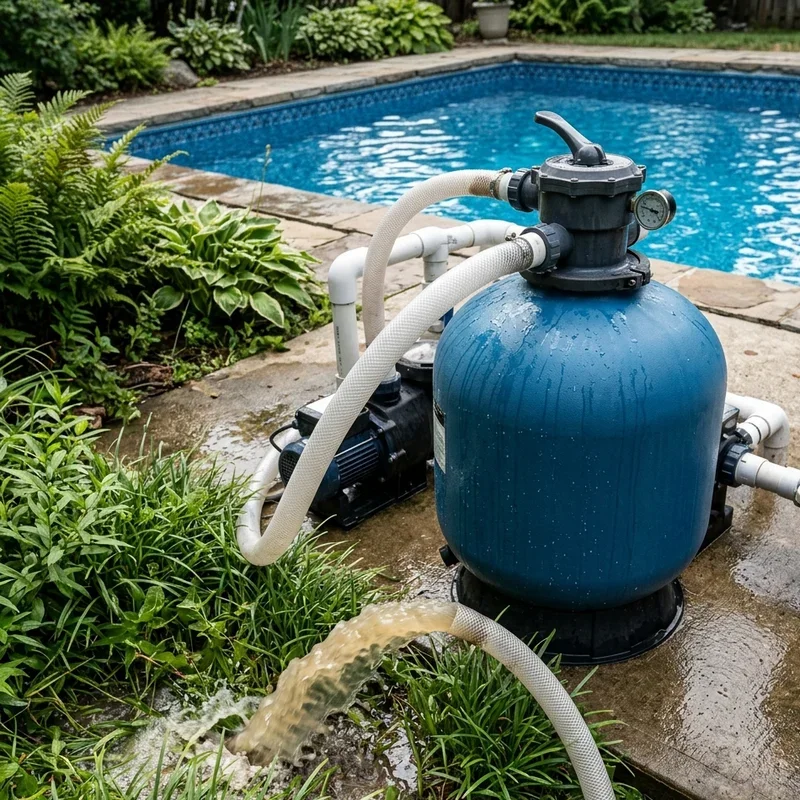
Your pool's plumbing network includes numerous potential leak points. Underground pipes connecting the pool to pumps, filters, and heaters can crack, separate at joints, or corrode over time.
Older pools with galvanized or iron plumbing components face particular risks. Corrosion eats through metal pipes from the inside out, creating leaks that are invisible until significant damage has occurred.
Even PVC plumbing systems aren't immune. Ground movement can stress glued joints, causing separation. Tree roots can crush pipes. Improper winterization can leave pipes vulnerable to freeze damage.
Equipment and Fitting Issues
Where equipment connects to your pool, potential leak points exist. Skimmer boxes, return fittings, lights, and drains all penetrate the pool shell and rely on gaskets and seals to maintain watertight integrity.
These components experience thermal expansion and contraction, chemical exposure, and mechanical stress from normal operation. Over years of service, seals dry out, crack, and fail. The resulting leaks might be small but persistent.
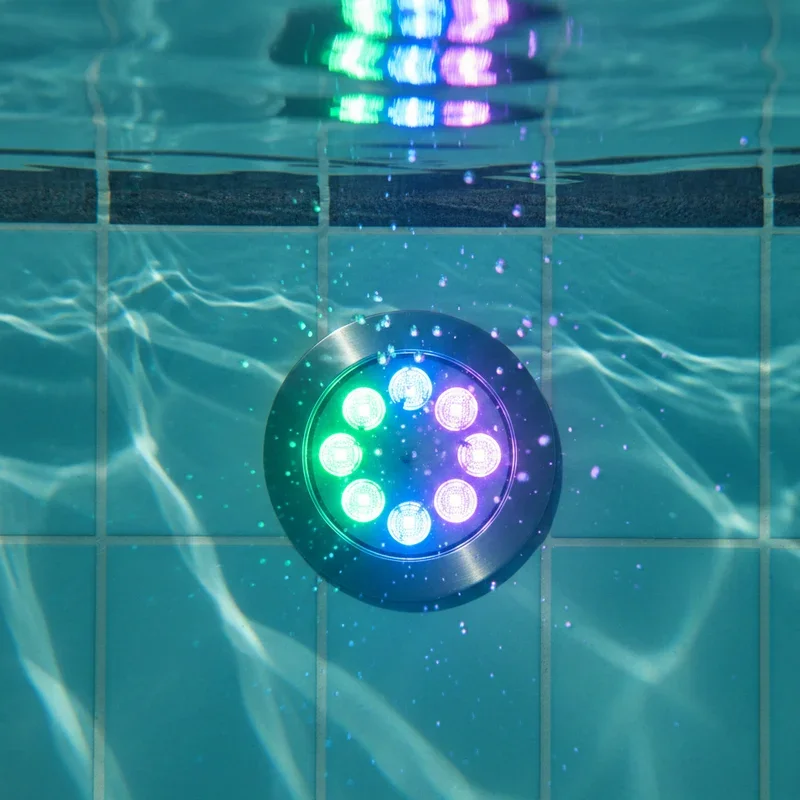
Pool lights are notorious leak sources. The conduit running from the light niche to the junction box can become a water highway if seals fail. Light fixture housings themselves can crack from age or impact.
Detecting Where Your Pool Water Is Going
Suspecting a leak and confirming one are different matters entirely. Fortunately, several approaches help pinpoint both leak presence and destination.
The Bucket Test
This simple diagnostic helps distinguish between normal evaporation and actual leaks. Fill a bucket with pool water and place it on a pool step with water levels equal inside and outside the bucket. After 24 hours, compare levels.
If the pool lost more water than the bucket, you've likely got a leak. Both containers experience identical evaporation conditions, so any difference indicates water escaping through means other than evaporation.
Running this test with equipment running and then again with equipment off helps identify whether leaks exist in the pool structure itself or within the plumbing system.
Professional Leak Detection
When DIY methods point toward problems, professional leak detection services offer precision that saves time and money. Specialists use pressure testing, dye testing, electronic listening devices, and even underwater cameras to locate exact leak positions.
The investment in professional detection typically pays for itself by preventing unnecessary excavation or demolition. Knowing precisely where water escapes allows targeted repairs rather than exploratory surgery on your pool system.
Landscape Observation
Your property often reveals leak locations if you know what to look for. Unexplained wet spots in the lawn, areas where grass grows exceptionally lush and green, or sections where soil seems perpetually soggy all suggest water accumulation from leaks.
Sunken areas in pool decks or surrounding hardscape indicate soil washout beneath, often caused by water migration from leaks. Cracks in nearby concrete might result from ground movement triggered by saturated, unstable soil.
The Environmental and Financial Impact
Ignoring pool leaks creates consequences extending beyond repair costs and property damage.
Water Waste Concerns
In drought-prone regions, leaking pools contribute to water scarcity. A moderate leak losing one inch of water daily from an average pool wastes roughly 7,000 gallons monthly. That's enough to supply a typical household for weeks.
Many municipalities impose water usage restrictions and even fines for excessive consumption. Your leaking pool could push household usage into penalty tiers, adding insult to injury with inflated utility bills.
Chemical and Energy Costs
Every gallon that escapes takes dissolved chemicals with it. Maintaining proper water chemistry requires constantly replacing lost chlorine, stabilizer, and balancing chemicals. These costs add up quickly when leaks persist.
Your pool equipment works overtime trying to maintain conditions in a pool that's constantly losing water. Pumps run longer, heaters work harder, and energy consumption climbs. Monthly operating costs can increase substantially before leaks are addressed.
Property Value Implications
Unrepaired pool leaks and their resulting damage affect property values. Home inspectors specifically look for signs of water damage, foundation issues, and pool problems. Discovered issues can derail sales or require price reductions.
Even after repairs, disclosed leak history might concern potential buyers. Addressing problems promptly and maintaining repair documentation demonstrates responsible ownership and minimizes lasting impact on property value.
Preventing Pool Leaks Before They Start
While some leak causes remain unavoidable, preventive measures significantly reduce risk.
Maintain proper water chemistry to prevent chemical damage to pool surfaces and equipment. Schedule regular professional inspections from a pool leak detection company to catch developing problems early. Address small cracks and worn seals before they become leak sources. Winterize properly in cold climates to prevent freeze damage. Keep trees with aggressive root systems at safe distances from pool structures.
Conclusion
Understanding where does water go when a pool leaks and why helps homeowners appreciate the urgency of leak detection and repair. Escaped water doesn't simply vanish but travels through soil toward foundations, utilities, and groundwater supplies, potentially causing extensive property damage along the way. Early detection through observation and testing prevents small problems from becoming expensive disasters. Protecting your investment means taking water loss seriously and acting promptly when leaks are suspected.
Read next: 15 Pool Shade Ideas for Cool and Stylish Retreats
Frequently Asked Questions
1.How much water loss indicates a pool leak versus normal evaporation?
Losing more than one quarter inch daily typically indicates a leak rather than evaporation.
2.Can a pool leak cause foundation damage to my house?
Yes, leaked water migrating toward foundations can cause settling, cracking, and structural issues over time.
3.How long can a pool leak go undetected?
Small leaks often go unnoticed for months or even years before visible signs appear.
4.Does homeowner insurance cover pool leak damage?
Policies vary significantly, so check your coverage for water damage and pool structure exclusions.
5.Can I repair a pool leak myself?
Minor surface cracks may be DIY repairable, but plumbing and structural leaks require professional attention.
Stay up to date with our latest ideas!