Discover how much to pave a driveway with detailed pricing breakdowns, material costs, and money-saving tips for your home improvement project.
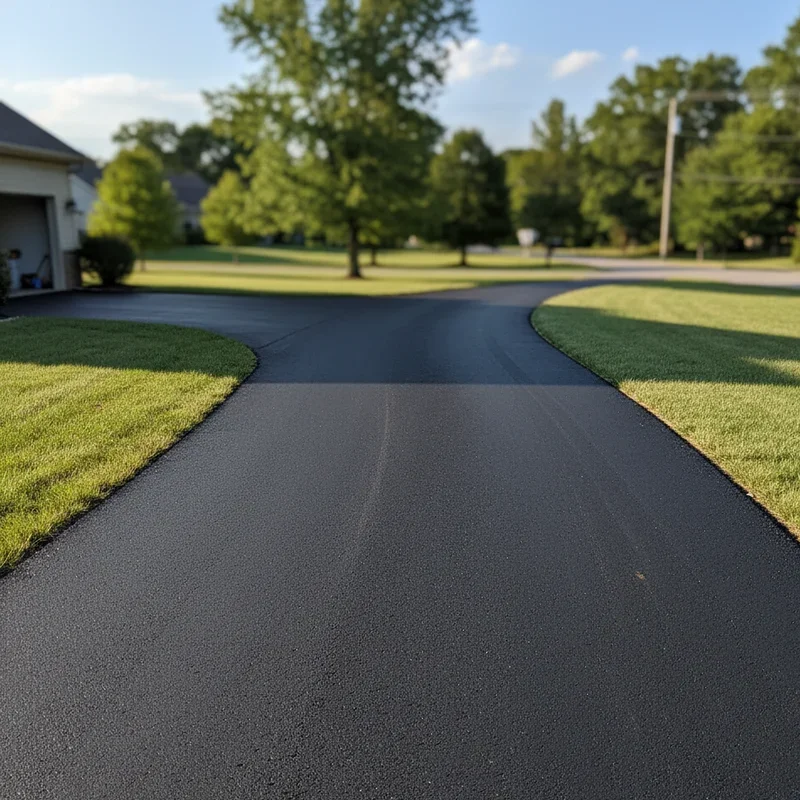
Well, here's the thing about driveways: they're kinda like that trusty pair of shoes you wear every single day. You don't really notice 'em until they start falling apart! If you're staring at your cracked, pothole-riddled driveway thinking it's time for an upgrade, you're probably wondering about the elephant in the room. How much is this gonna cost me?
Let me tell you, figuring out driveway paving costs isn't exactly rocket science, but boy oh boy, there's more to it than meets the eye. Whether you're dreaming of sleek asphalt or fancy concrete pavers, getting a handle on pricing beforehand can save you from sticker shock later. So grab a cup of coffee, and let's dive into everything you need to know about driveway paving costs!
Understanding the Basics of Driveway Paving Costs
Before jumping into specific numbers, it's worth understanding what actually goes into paving a driveway. You see, it's not just about slapping some material on the ground and calling it a day. Nope! There's excavation, grading, base preparation, and then the actual paving itself. Each step adding to the final bill, naturally.
The average homeowner can expect to shell out anywhere from $3 to $15 per square foot for driveway paving. Yeah, that's quite a range! But hang on, several factors come into play here, and understanding them helps you budget more accurately.
Key Factors That Influence How Much to Pave a Driveway? Pricing Explained
Driveway Size and Dimensions
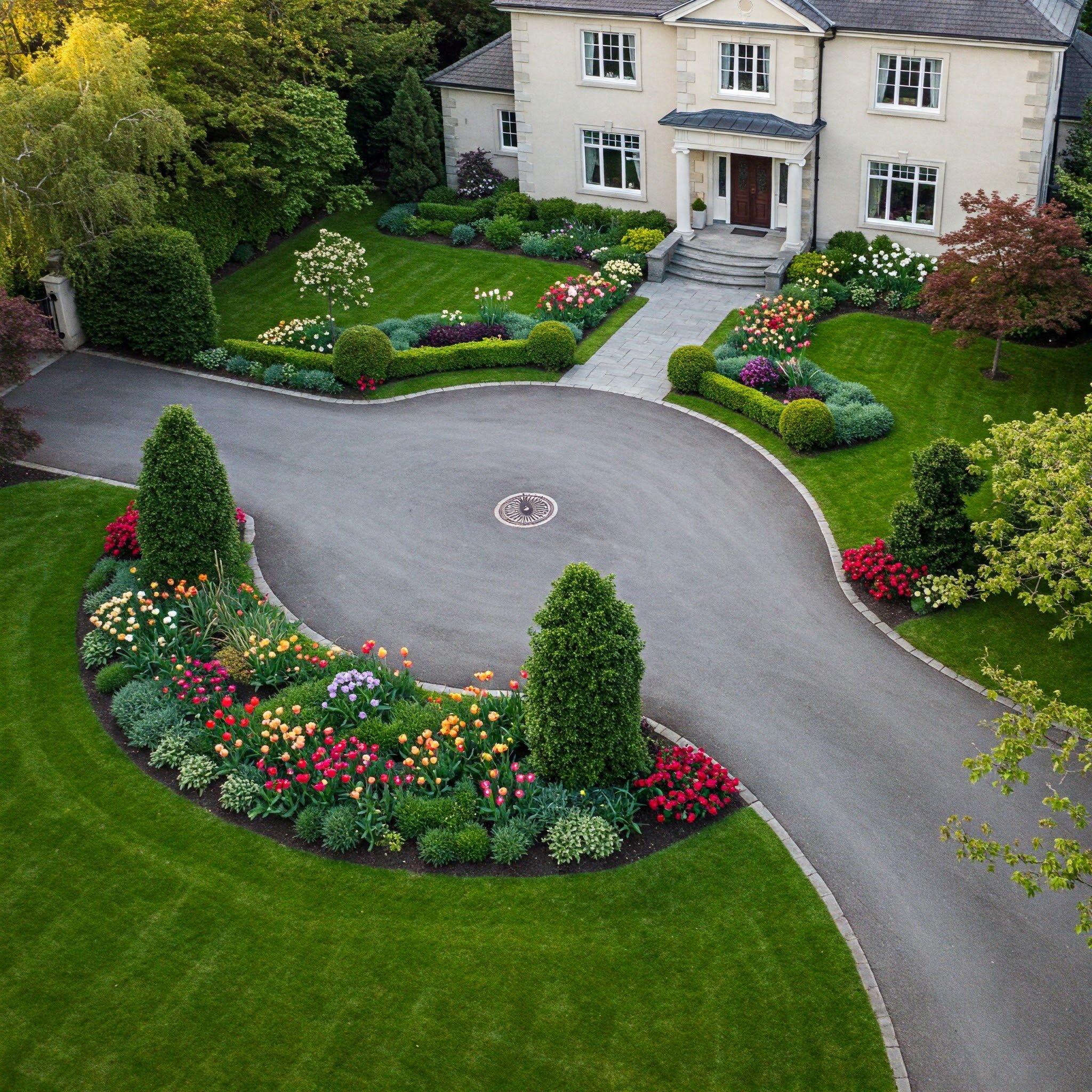
Obviously, size matters when it comes to cost! A typical two-car driveway runs about 400 to 600 square feet, while those lucky folks with circular driveways might be looking at 900 square feet or more. Here's the kicker though: larger driveways often get a slight discount per square foot since contractors can work more efficiently.
Material Selection Makes All the Difference
Oh boy, this is where things get interesting! Your choice of material impacts not just the initial cost but also long-term maintenance expenses. Let's break down the most popular options:
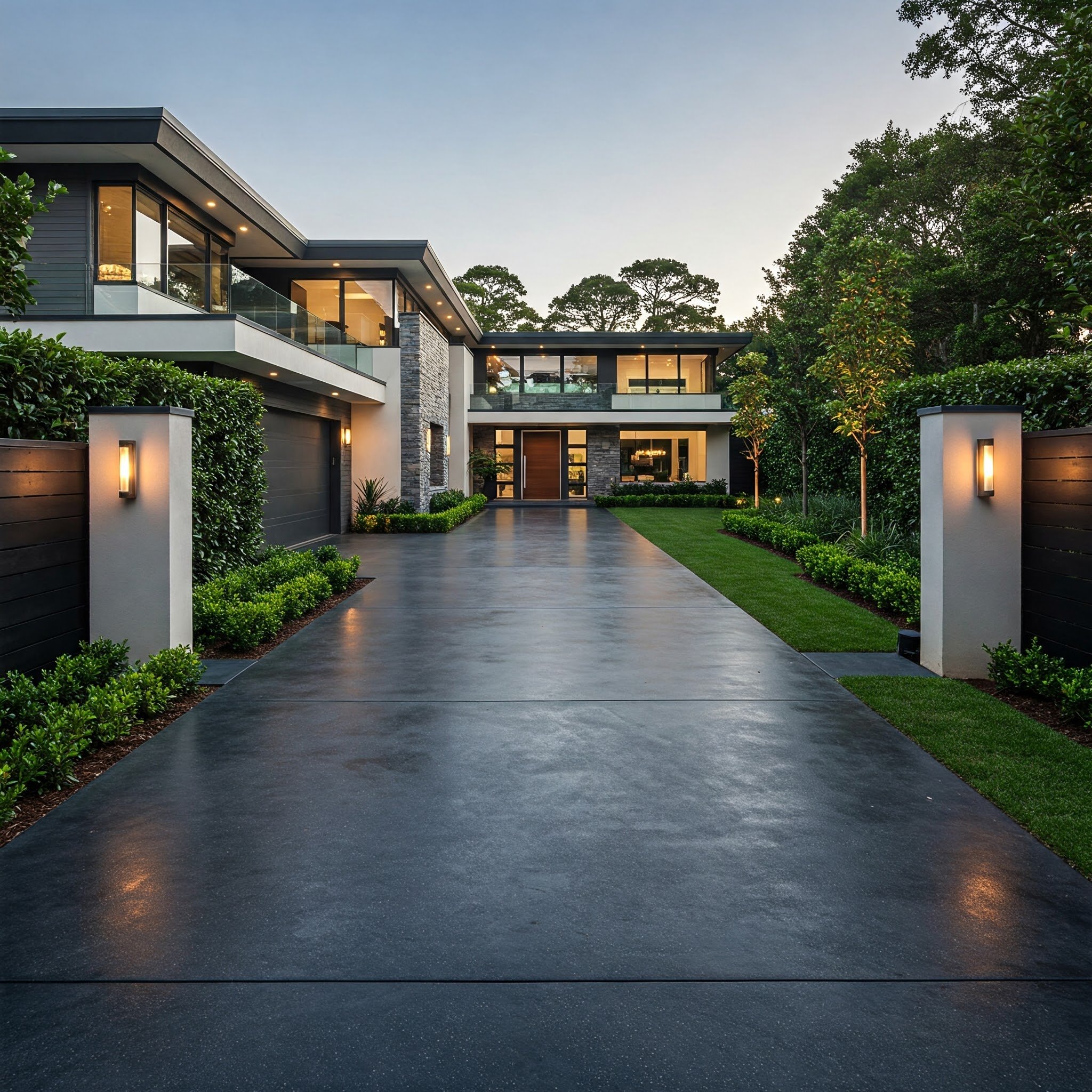
Asphalt Paving: The budget-friendly champion! Running about $3 to $7 per square foot, asphalt's your go-to if you want decent quality without breaking the bank. Sure, it needs resealing every few years, but hey, it gets the job done.
Concrete Paving: Stepping up the game here! Expect to pay $4 to $15 per square foot for concrete. It lasts longer than asphalt and offers more design flexibility, though repairs can be trickier when cracks eventually show up.
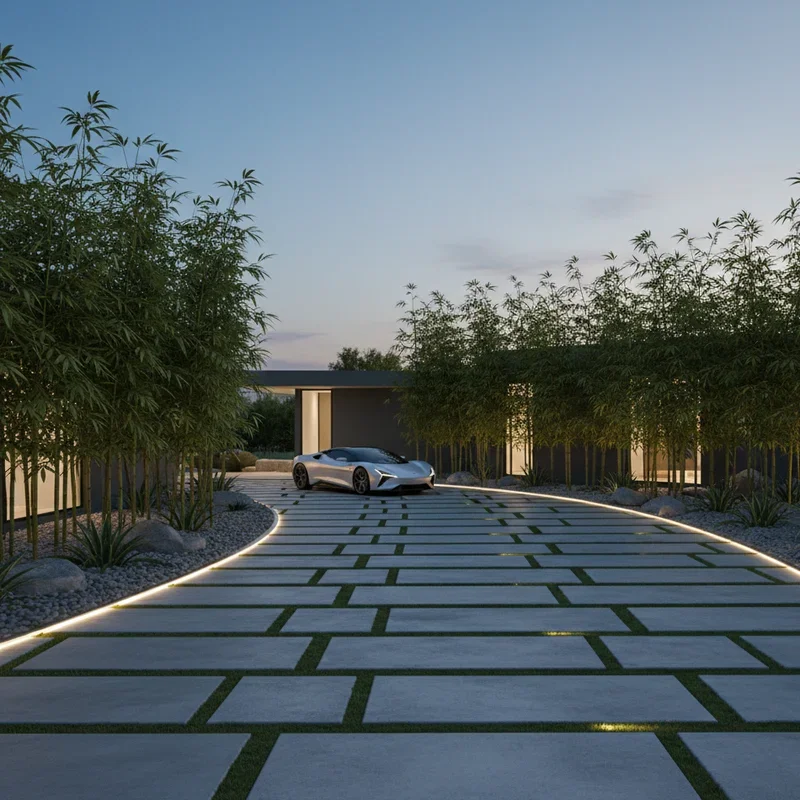
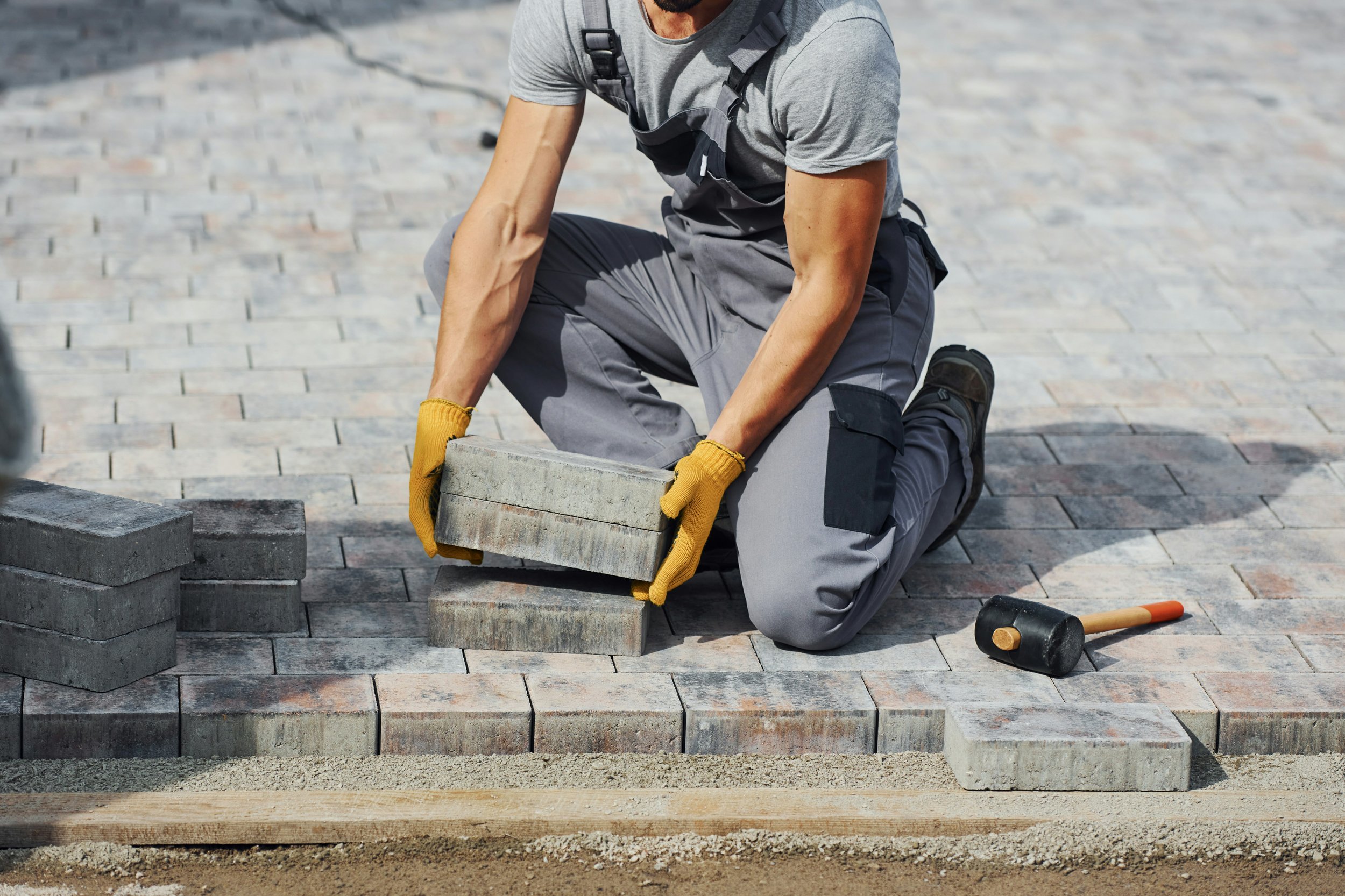
Paver Stones: Talk about fancy! These beauties cost $10 to $30 per square foot but wow, do they look amazing. Plus, if one breaks, you just replace that single paver instead of redoing the whole thing.
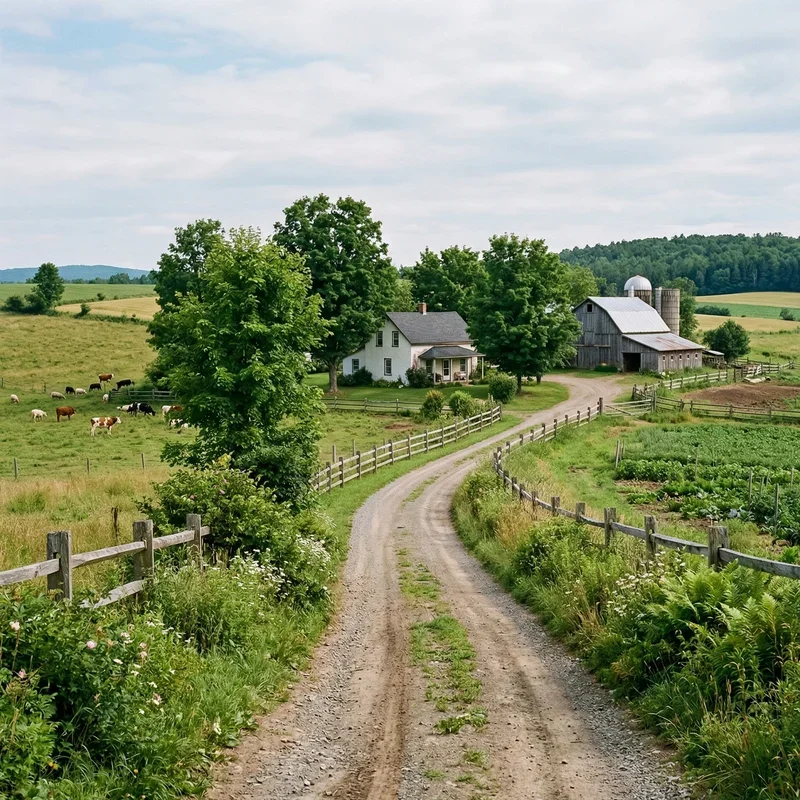
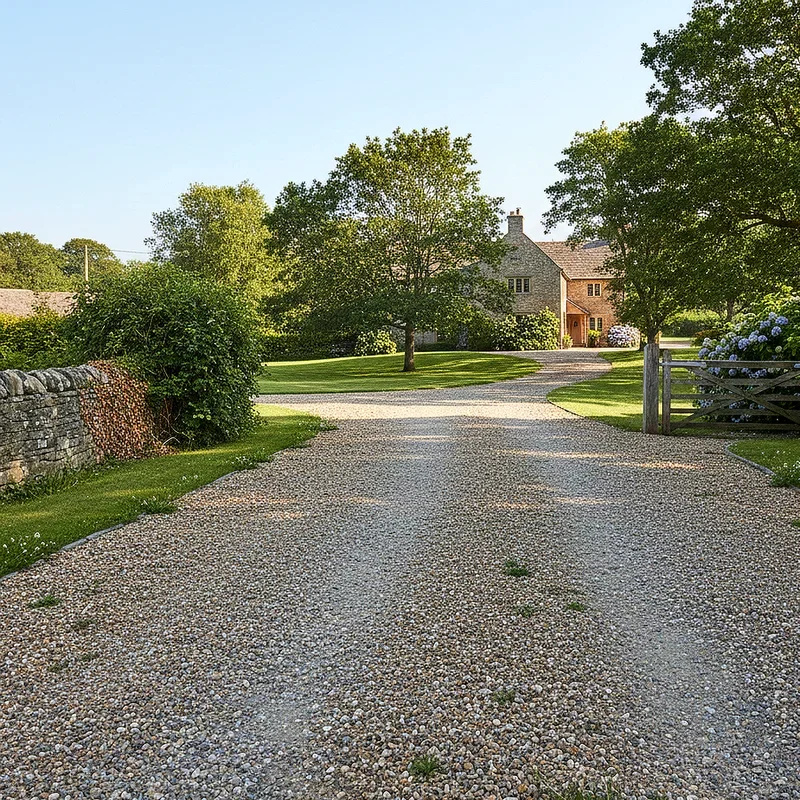
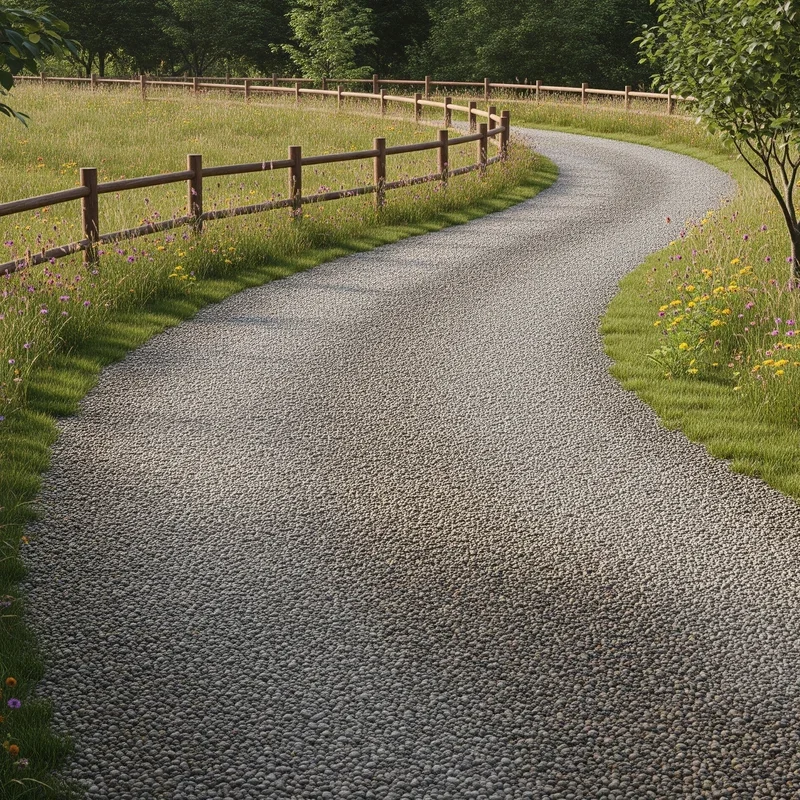
Gravel: The real penny-pincher option at $1 to $3 per square foot. Not exactly paved in the traditional sense, but worth mentioning for those on super tight budgets.
Geographic Location and Regional Pricing
Where you live plays a huge role in pricing, believe it or not! Urban areas typically charge more due to higher labor costs and permit fees. Meanwhile, rural locations might have lower labor costs but could charge extra for material delivery. It's a real catch-22 sometimes!
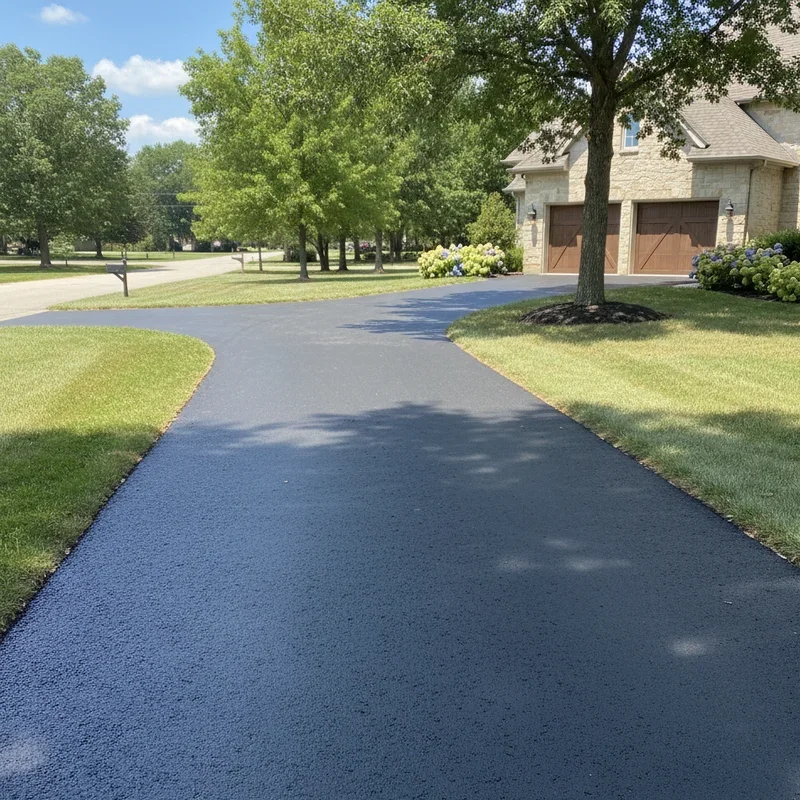
Breaking Down the Complete Cost Structure
Site Preparation Expenses
Here's something many homeowners overlook: prep work! If your existing driveway needs removal, tack on another $1 to $3 per square foot. Got drainage issues? That's gonna cost extra too. Tree roots causing problems? Yep, more money. Sometimes the prep work costs more than the actual paving!
Labor Costs You Should Expect
Labor typically accounts for 50% to 60% of your total project cost. Professional crews charge anywhere from $40 to $80 per hour, and a standard driveway takes about 1 to 3 days to complete. Quick math shows you're looking at significant labor expenses!
Additional Features and Customization
Want heated coils for snow melting? Decorative borders? Special patterns or colors? Each add-on increases the price, sometimes substantially. A basic heated driveway system, for instance, adds $12 to $25 per square foot. Ouch!
How Much to Pave a Driveway? Pricing Explained by Project Size
Small Driveways (Single Car)
For driveways under 300 square feet, you're typically looking at:
Asphalt: $900 to $2,100
Concrete: $1,200 to $4,500
Pavers: $3,000 to $9,000
Medium Driveways (Two Cars)
The most common size, ranging from 400 to 600 square feet:
Asphalt: $1,200 to $4,200
Concrete: $1,600 to $9,000
Pavers: $4,000 to $18,000
Large Driveways (Three Cars or Circular)
For those spacious 900+ square foot driveways:
Asphalt: $2,700 to $6,300
Concrete: $3,600 to $13,500
Pavers: $9,000 to $27,000
Hidden Costs Nobody Tells You About
Alright, here's where things get sneaky! Permits usually run $50 to $200, depending on your area. Drainage improvements might add $1,000 to $5,000 if water pooling's an issue. And don't forget about sealing costs for asphalt, running about $0.15 to $0.25 per square foot every few years.
Got an HOA? They might require specific materials or colors, limiting your budget-friendly options. Utility lines running under your driveway? That complicates everything and adds to the cost. Sometimes these "extras" double your initial estimate!
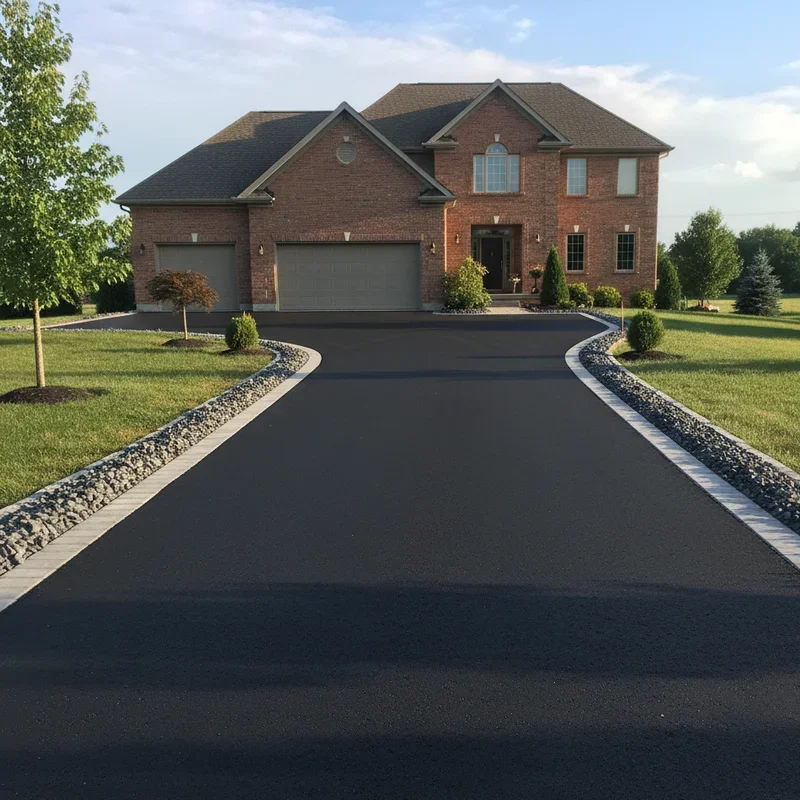
Money-Saving Tips Without Sacrificing Quality
Timing Your Project Right
Believe it or not, scheduling matters! Late spring and early summer often see higher prices due to demand. Try booking in early spring or fall when contractors aren't as busy. You might snag a 10% to 20% discount just by being flexible with timing!
DIY vs. Professional Installation
Now, I know what you're thinking. Can't I just do this myself? Well, technically yes, but honestly? Driveway paving isn't exactly a weekend warrior project. The equipment rental alone might cost $500 to $1,000 per day, and without experience, mistakes get expensive real quick.
Getting Multiple Quotes
This one's a no-brainer! Get at least three quotes from different contractors. Prices can vary wildly, sometimes by thousands of dollars for the exact same job. Just make sure you're comparing apples to apples, checking what's included in each quote.
Long-term Value Considerations
Maintenance Costs Over Time
Here's something to chew on: cheaper upfront doesn't always mean cheaper overall. Asphalt needs resealing every 3 to 5 years at about $500 per treatment. Concrete might crack and need repairs costing $300 to $800. Pavers? They're pretty low maintenance but occasionally need re-leveling.
Impact on Property Value
A new driveway typically returns 50% to 75% of its cost in increased home value. Not bad! Plus, it seriously boosts curb appeal, potentially making your house sell faster when that time comes.
Regional Price Variations Across the Country
Living in the Northeast? Expect prices on the higher end due to freeze-thaw cycles requiring stronger materials. Southern states might offer lower prices but need materials that handle intense heat. West Coast prices vary dramatically between urban and rural areas.
Midwest homeowners often find middle-ground pricing, though harsh winters mean investing in quality materials pays off long-term. Each region's got its quirks affecting final costs!
Choosing the Right Contractor
Red Flags to Watch For
Super low bids screaming "too good to be true"? They probably are! Contractors demanding full payment upfront? Run away! No insurance or licensing documentation? That's a hard pass. These warning signs save you from costly headaches down the road.
Questions You Must Ask
Don't be shy about grilling potential contractors! Ask about warranties, previous work examples, timeline expectations, and what happens if weather delays the project. Understanding exactly what you're getting prevents nasty surprises later.
Alternative Options for Budget-Conscious Homeowners
Resurfacing Instead of Replacing
Got an existing driveway that's not completely shot? Resurfacing might work! It costs about 50% less than full replacement while giving you that fresh, new look. Perfect for driveways with surface damage but solid foundations.
Phased Installation Approach
Can't afford the whole driveway at once? Consider doing it in sections! Pave the most critical areas first, then complete the rest when finances allow. Not ideal, but definitely doable if you're really strapped for cash.
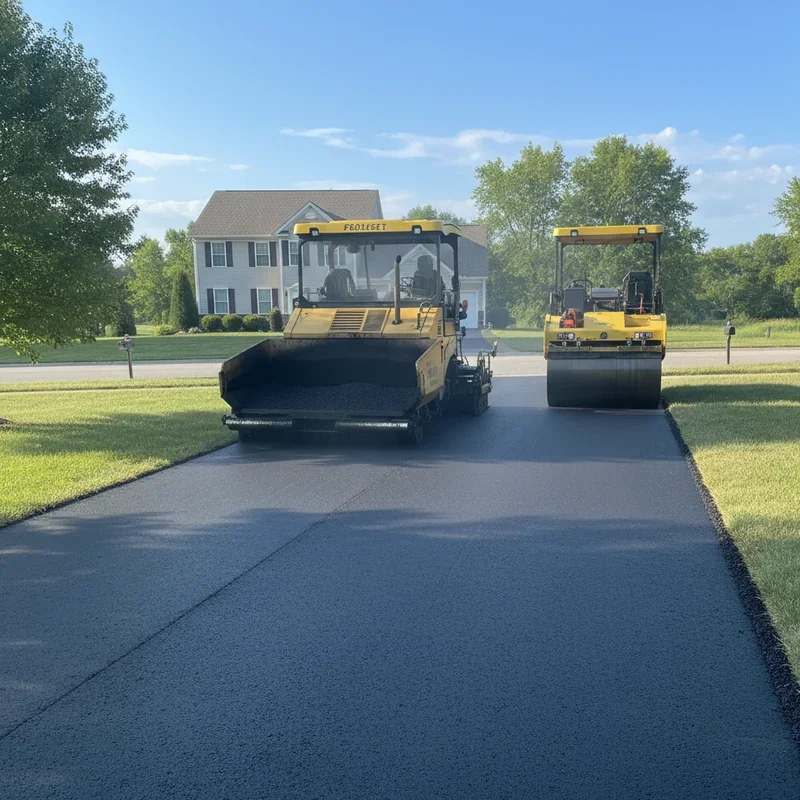
Environmental Considerations and Eco-Friendly Options
Permeable Paving Solutions
These environmentally friendly options let water seep through, reducing runoff and helping prevent flooding. They cost a bit more initially but might qualify for tax credits or rebates in some areas. Plus, you're doing Mother Earth a solid!
Recycled Materials
Some contractors offer recycled asphalt or concrete at reduced prices. Quality's usually comparable to new materials, and you're keeping stuff out of landfills. Win-win situation if you ask me!
Warranty and Insurance Considerations
Most reputable contractors offer warranties ranging from 1 to 10 years, depending on materials and workmanship. Make sure you understand what's covered and what voids the warranty. Also, verify your homeowner's insurance covers any potential damage during installation.
Conclusion
Looking at all these factors, understanding how much to pave a driveway involves way more than just square footage calculations! From material choices and regional variations to hidden costs and long-term maintenance, every decision impacts your final investment. Smart planning, careful contractor selection, and realistic budgeting help ensure you get a driveway that fits both your needs and wallet without any nasty financial surprises.
Read next: 15 Modern Driveway Ideas to Elevate Your Curb Appeal
Frequently Asked Questions
Q1: What's the cheapest driveway paving option available?
A: Gravel's cheapest at $1-$3 per square foot, asphalt follows at $3-$7.
Q2: How long does a newly paved driveway typically last?
A: Asphalt lasts 15-20 years, concrete 30-40 years with proper maintenance.
Q3: Can I pave over my existing driveway?
A: Sometimes possible with asphalt overlay, but foundation must be structurally sound.
Q4: When's the best time of year to pave?
A: Late spring through early fall offers ideal weather conditions for paving.
Q5: Does a paved driveway increase home value?
A: Yes, typically returns 50-75% of cost in increased property value.
Stay up to date with our latest ideas!