Learn why regular home electrical maintenance is essential for safety, efficiency, and reliability while preventing hazards, outages, and costly repairs.
Table of Contents
Introduction: Importance of Electrical System Maintenance
Preventing Electrical Hazards
Enhancing Energy Efficiency
Extending the Lifespan of Appliances and Systems
Ensuring Code Compliance and Safety Upgrades
Boosting Home Value
Reducing Environmental Impact
Preventing Costly Repairs
Conclusion
Introduction: Importance of Electrical System Maintenance
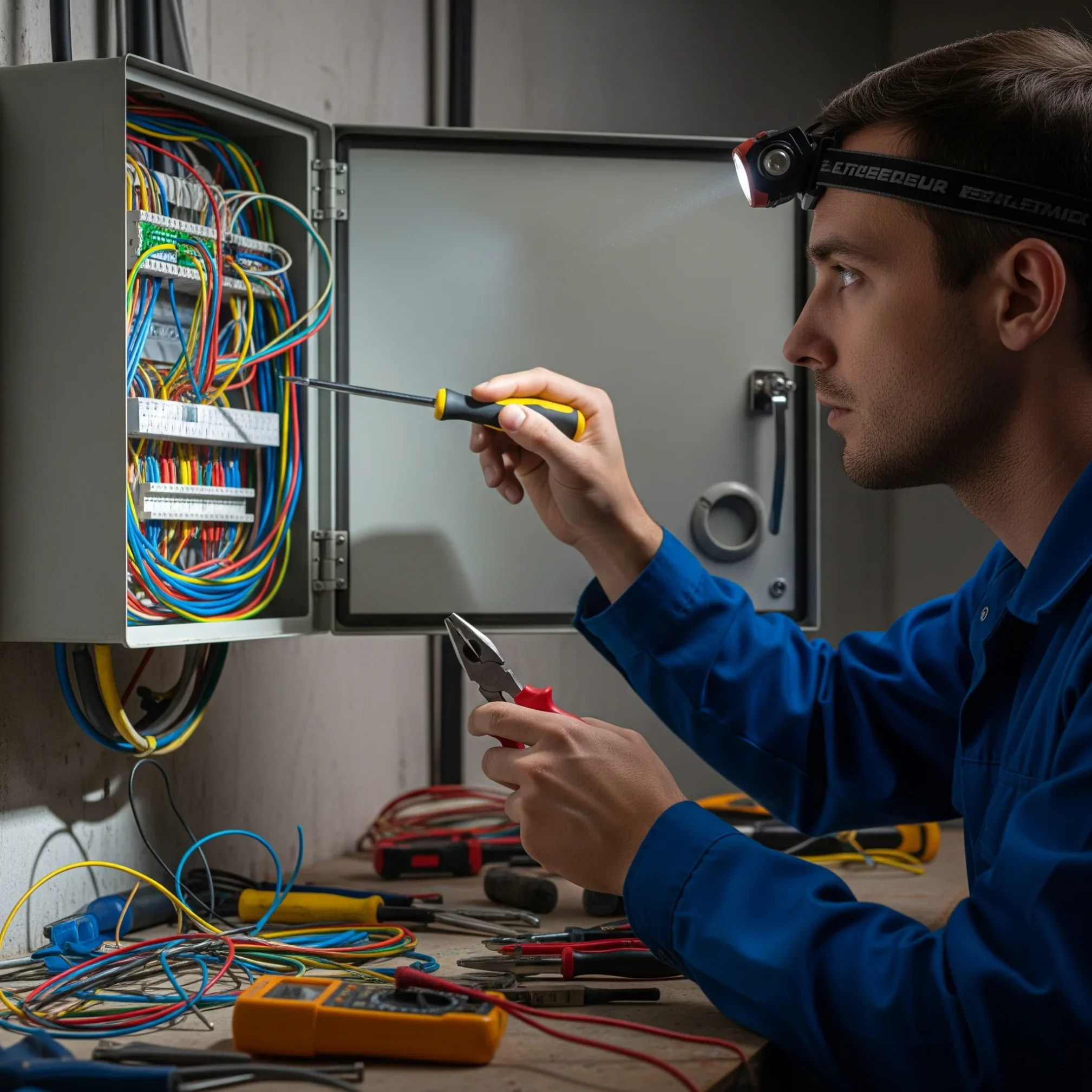
When it comes to keeping your home safe, comfortable, and energy efficient, one of the most overlooked factors is the condition of your electrical system. Homeowners often don’t realize that proactive care and regular inspections can make all the difference in preventing hazards and maximizing efficiency. Having professionals inspect your home's wiring, outlets, and electrical panels is a practical way to safeguard your investment and minimize costly surprises. Teaming up with trusted experts, such as Fusion Electric, ensures your home's electrical system remains in optimal condition.
Electrical systems quietly power everything from kitchen appliances to climate control, but problems like loose connections or overloaded circuits can go undetected. Minor issues can quickly become serious risks if left unchecked. By making electrical maintenance a regular priority, you’re taking an important step to protect your property and your family’s well-being for years to come.
Preventing Electrical Hazards
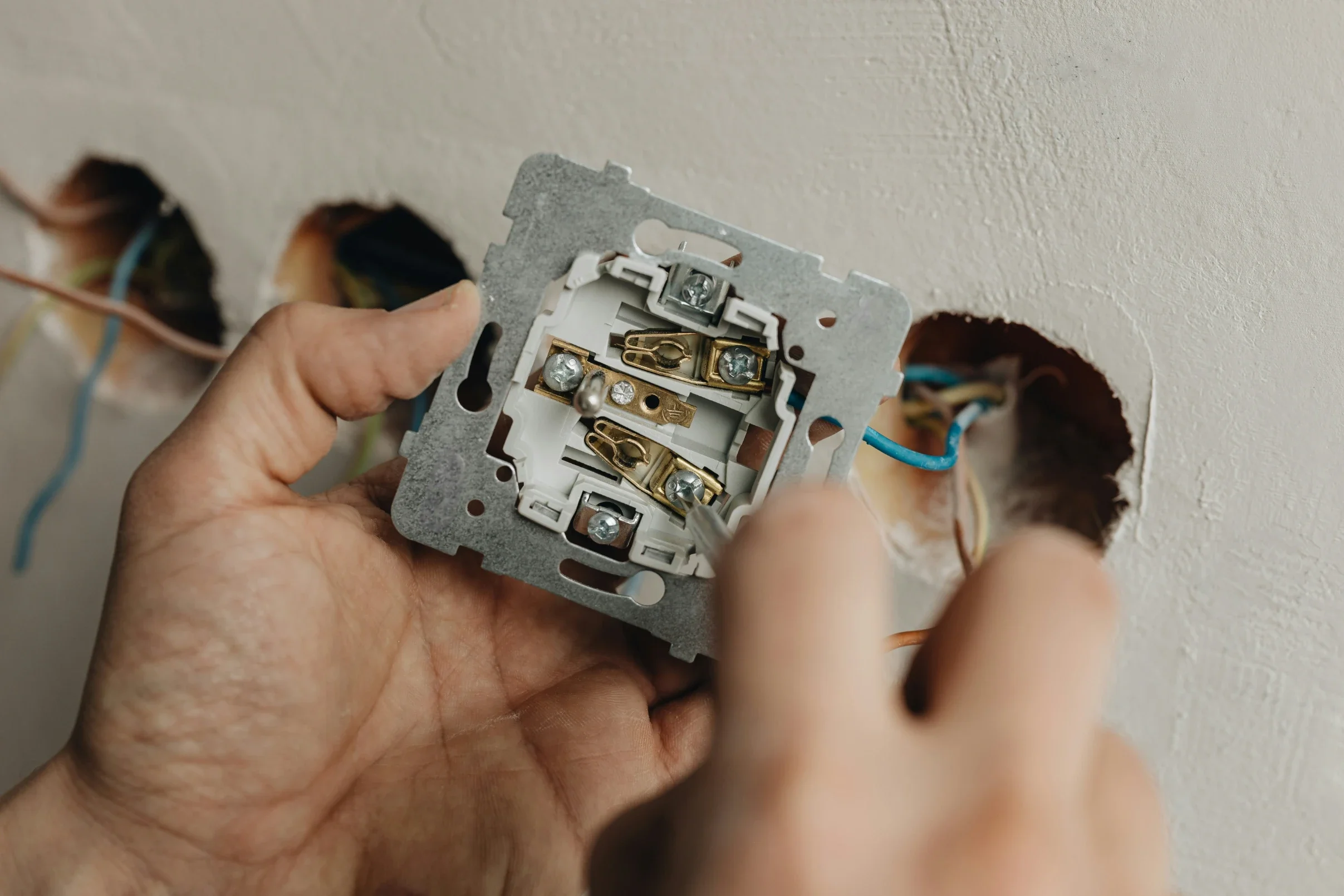
The most critical reason to invest in regular maintenance is to guard against electrical hazards. Even simple wear and tear can compromise your system’s integrity, leading to frayed wires or loose terminals that may overheat, spark, or even ignite fires behind walls. If your circuit breakers trip frequently or you notice flickering lights, these are warning signs that should never be ignored. Having a professional perform inspections and repairs means these dangers are caught and resolved before they escalate, ensuring a safer living environment for everyone. For guidance on protecting yourself from electrical hazards during everyday use or emergencies, the CDC offers practical safety tips.
In addition to hidden dangers, overloaded outlets and faulty wiring can damage expensive electronics or start electrical fires. Across the United States, electrical malfunctions are one of the top causes of home fires each year, underscoring the importance of preventive care and expert guidance.
Enhancing Energy Efficiency
Energy waste is often invisible until you see it reflected in your utility bill. Outdated breakers, poorly maintained wires, or antiquated appliances can draw more power than necessary, quietly driving up costs every month. Routine maintenance helps pinpoint any inefficiencies and allows you to address problems before they cause an expensive spike in energy use. According to Energy.gov, improving energy efficiency not only saves money but also reduces environmental impact, making it a critical consideration for every homeowner. Whether it’s tightening connections, replacing worn components, or recommending more modern solutions, these steps can lower your utility bill and minimize your home’s carbon footprint for years to come.
Extending the Lifespan of Appliances and Systems
Your home’s electrical panel serves as the central hub for all energy use. When it’s in optimal working order, appliances and devices receive consistent voltage, minimizing unnecessary wear. Overloaded or malfunctioning panels force devices to work harder, shortening their lifespan and necessitating early replacements. Annual maintenance checks give professionals the chance to spot loose wires, aging outlets, or malfunctioning breakers, and address them quickly. This not only protects your appliances but also prevents the need for emergency repairs, which can often be far more expensive than routine service.
Ensuring Code Compliance and Safety Upgrades
Electrical codes and safety standards are constantly evolving—what was considered safe or compliant a decade ago may not meet today’s requirements. Every few years, changes are made to improve protection from shocks, surges, or fires, particularly as household technology becomes more complex. Scheduling regular checkups ensures your wiring and panels are up to date, so you’re confident in the safety and legal compliance of your electrical system, especially if you plan to sell, renovate, or add new appliances to your home.
Boosting Home Value
Well-maintained electrical systems offer peace of mind and can significantly enhance your property’s value. Routine maintenance shows potential buyers that your home has been adequately cared for and reduces the likelihood of failed inspections that could derail a sale. Additionally, updated, efficient electrical systems are beautiful to buyers concerned about safety, sustainability, and the future-proofing of their investment.
Reducing Environmental Impact
When electrical systems are neglected, waste mounts up over time in the form of higher energy consumption and prematurely replaced equipment. Routine checkups help ensure your wiring, outlets, and major fixtures use only what is necessary, reducing unnecessary demands on power generation and conserving resources. Simple updates and repairs, done regularly, add up to a lower carbon footprint and more innovative use of resources.
Preventing Costly Repairs
Minor issues can quickly become large, expensive problems when left unchecked. Faulty wiring, a failing panel, or persistent power surges often progress to system-wide outages or appliance damage if not addressed early. Regular electrical maintenance helps you avoid sudden disruptions, emergency service calls, and damage to property or electronics. By catching problems early, homeowners save money and stress—and keep their households running smoothly.
Conclusion
Regular home electrical maintenance is an investment in your home’s safety, comfort, and longevity. By scheduling inspections and working with qualified professionals, you not only protect your property and loved ones but also ensure your systems are efficient, compliant, and future-ready. Proactive care today means a more reliable, secure home tomorrow.
Stay up to date with our latest ideas!