Key Plumbing Care Tips Every Homeowner Should Know
Learn essential plumbing care tips every homeowner should know to prevent leaks, avoid costly repairs, and keep your system running efficiently.
Key Takeaways
Regular inspections can prevent minor issues from becoming major problems.
Proper disposal habits and drain maintenance reduce the risk of clogs.
Winterizing your plumbing protects against freezing and bursting pipes.
Knowing the location of your main water shutoff valve is vital in emergencies.
Professional inspections complement your maintenance efforts.
Table of Contents
Regular Inspections
Proper Disposal Habits
Drain Maintenance
Water Pressure Checks
Winterizing Your Plumbing
Knowing Your Main Water Shutoff Valve
Scheduling Professional Inspections
Conclusion
Keeping your home’s plumbing in top condition safeguards your property and brings peace of mind. Every homeowner should take proactive steps to minimize the threat of major repairs and unexpected water emergencies. Enlisting the help of a trusted plumber in Park City, Utah for guidance and emergencies can be invaluable in maintaining your home’s plumbing health.
By practicing simple habits, you can prevent costly damage, save water, and protect the environment. These easy solutions keep your household running smoothly and save you money over time. Routine inspections and smart plumbing habits are essential for avoiding disruptions and repairs. Building basic plumbing awareness helps you identify problems early. Knowing where your main shutoff valve is and following maintenance tips can help you act quickly or prevent crises. This is especially important in areas with harsh winters or aging infrastructure. Regular maintenance reduces emergencies, promotes sustainable water use, and prolongs your systems' lifespan. These tips protect your investment, keep your family safe, and extend the life of your system.
Regular Inspections
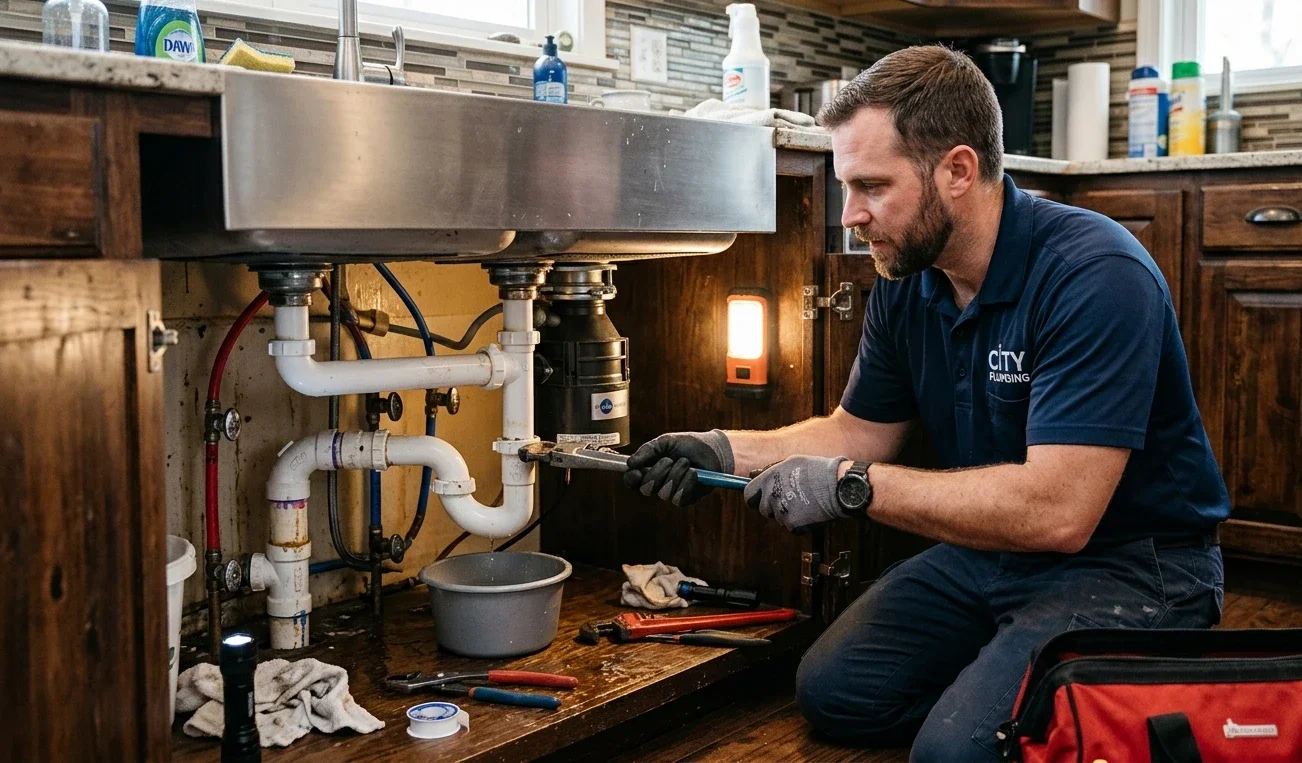
Regularly checking your plumbing is one of the most effective ways to avoid surprises. Inspect exposed pipes under sinks, behind appliances, and in your basement for any signs of moisture, corrosion, or wear. Look for puddles, water stains, or mineral buildup on pipe joints and beneath fixtures. Catching these warning signs early helps prevent costly repairs and keeps your living space dry and safe.
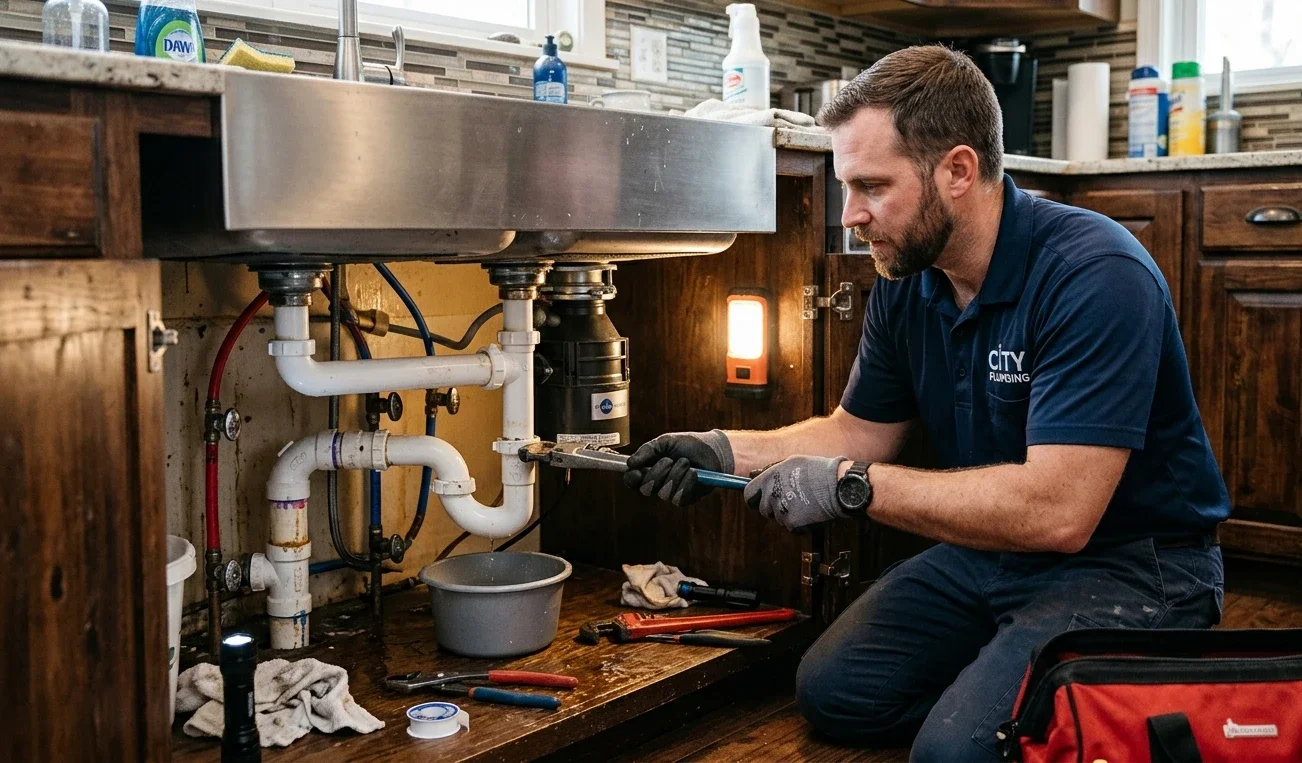
Examine hoses and connections on appliances that use water, such as washing machines, dishwashers, and refrigerators with icemakers, at least every six months. Replace any brittle, bulging, or cracked hoses to stop leaks before they start. Simple visual inspections go a long way in detecting vulnerabilities early on and can be performed easily by most homeowners.
Proper Disposal Habits
Toilets and drains are not trash cans. Only flush toilet paper and human waste. Items like wipes (even if labeled flushable), cotton swabs, feminine products, and dental floss can cause clogs and strain wastewater systems. Avoid dumping grease, fats, or cooking oil down the sink, as they solidify and block pipes. Scrape leftover food into compost or trash instead of rinsing it down the drain. Good disposal practices protect pipes and prevent costly backups. Educate household members on proper disposal to reduce plumbing mishaps.
Drain Maintenance
Install and regularly clean mesh strainers in sinks, drains, and showers to catch debris. Pour hot water and a vinegar-baking soda mixture weekly to dissolve buildup naturally. Avoid harsh chemical drain cleaners that damage pipes; instead, use preventative, eco-friendly maintenance to keep drains clear and extend plumbing life.
Water Pressure Checks
Water pressure that is too low or too high can reveal underlying issues such as hidden leaks, pipe obstructions, or failing pressure regulators. Use a simple water pressure gauge, available at hardware stores, to test your home’s pressure by attaching it to an outside spigot. Ideally, pressure should be between 40 and 60 pounds per square inch (psi). If you notice a sudden decrease or are consistently outside of the recommended range, contact a professional for evaluation. Unchecked high pressure can damage fixtures and appliances, while persistent low pressure often indicates an underlying problem.
Winterizing Your Plumbing
In regions where temperatures can drop below freezing, it is especially important to prepare your pipes for winter. Disconnect and drain garden hoses, insulate exposed exterior pipes, and cover outdoor faucets. For interior pipes located in unheated spaces, pipe sleeves or heat tape can help prevent freezing. During severe cold, let a slow drip run from taps to maintain water flow and reduce the risk of freezing. Open cabinet doors under sinks to circulate warm air around pipes, particularly on exterior walls. For more winterization advice, refer to guides from organizations like the Homes & Gardens Winter Home Maintenance Checklist. Taking these actions every autumn helps prevent frozen pipes, which can burst and cause thousands of dollars in repairs and water damage. It also safeguards you from the inconvenience of losing access to running water in your home during cold weather snaps.
Knowing Your Main Water Shutoff Valve
If a pipe bursts or a major leak occurs, knowing how to shut off your main water supply quickly is crucial. Main shutoff valves are commonly found near your water meter, in your basement, garage, or where the main water line enters your house. Familiarize yourself and every adult in your household with the location and operation of this valve. Practicing a shut-off drill can ensure that everyone is prepared in an emergency and can act rapidly to minimize water damage.
Mark your main shutoff clearly with a tag or sticker for added peace of mind. Quick action during a plumbing emergency can prevent extensive property damage and expensive repairs.
Scheduling Professional Inspections
Even diligent DIY maintenance should be complemented by an annual professional plumbing inspection. Licensed plumbers can detect issues you might overlook, such as hidden leaks, early corrosion, or sediment in your water heater. Preventative steps like flushing, adjusting water pressure, and inspecting old pipes can extend your system's lifespan and highlight needed upgrades.
Professional inspections help ensure your plumbing’s efficiency, safety, and reliability, offering tailored advice. Following these tips and staying aware of your plumbing system can prevent problems, save money, and promote environmental responsibility through efficient water use.
Conclusion
Maintaining your plumbing system requires a combination of routine inspections, responsible usage habits, and preventive care. Simple actions such as monitoring water pressure, keeping drains clear, winterizing pipes, and knowing your main shutoff valve can significantly reduce the risk of leaks and costly damage. By pairing these everyday practices with regular professional inspections, homeowners can ensure their plumbing systems remain efficient, reliable, and capable of supporting a safe and comfortable home for years to come.
Stay up to date with our latest ideas!