The True Cost of Delaying Roof Repairs
Discover the true cost of delaying roof repairs, from rising damage and energy loss to costly replacements and long term structural issues.
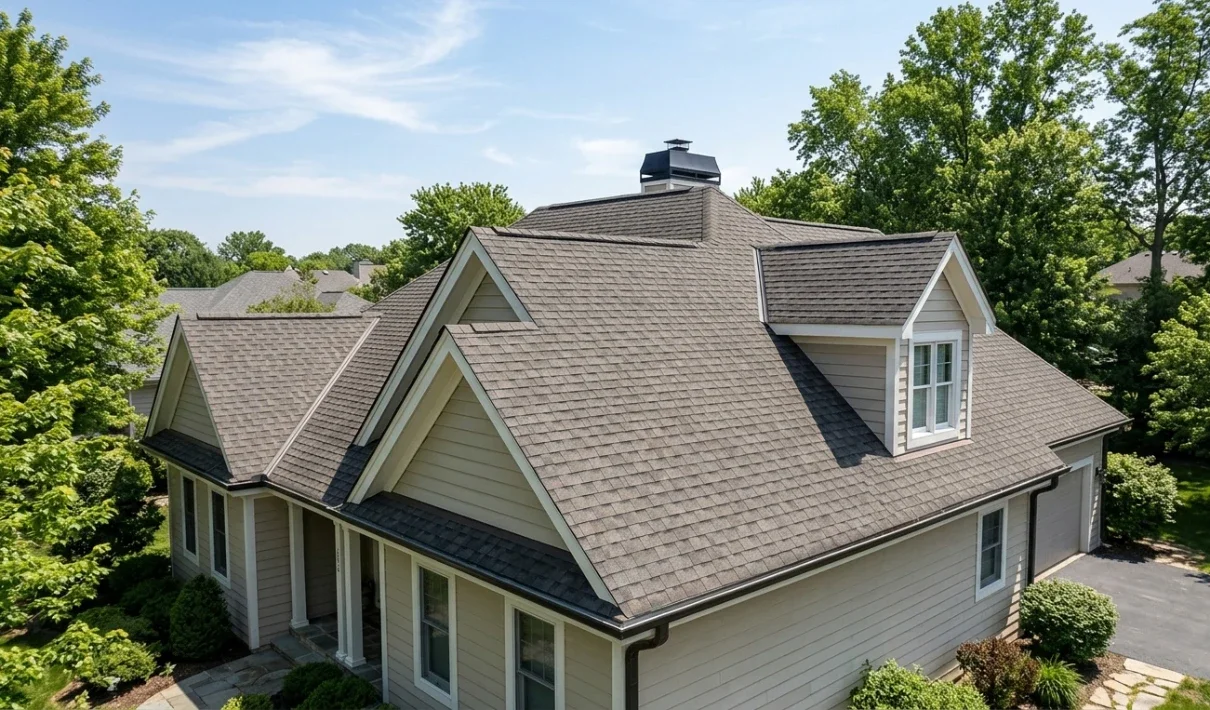
A roof is one of the most important parts of any property. It protects the structure from the elements, keeps occupants safe, and preserves the value of the building. Despite its significance, roof problems are often ignored until they become serious. Delaying roof repairs can seem convenient at the time, especially if the damage appears minor. However, the true cost of postponing maintenance or repairs can be substantial. Understanding these costs helps property owners make informed decisions and avoid expensive consequences.
Structural Damage
One of the most immediate risks of delaying roof repairs is structural damage. Water leaks, even small ones, can compromise the integrity of wooden beams, rafters, and supports. Over time, continuous exposure to moisture weakens timber, causing it to warp, rot, or collapse. Metal components may also corrode when exposed to water, reducing their strength and stability.
Structural damage is not always immediately visible. In many cases, deterioration occurs in areas that are hidden from view, such as under tiles, inside ceiling cavities, or within roofing membranes. By the time the damage becomes apparent, repair costs are significantly higher than addressing the problem early. Ignoring structural issues can lead to emergency repairs or even the need for complete roof replacement.
Increased Repair Costs
Minor roof problems are usually affordable to fix. Replacing a few tiles, resealing flashing, or repairing a small membrane tear requires limited materials and labour. However, delaying repairs allows these minor issues to escalate. A small leak can grow larger, affecting wider areas of the roof and interior spaces.
As the damage spreads, the cost of repairs rises exponentially. What could have been a simple patch may develop into a project requiring multiple trades, extensive materials, and longer labour hours. Investing in timely repairs is therefore not only practical but also cost effective, preventing a minor issue from becoming a financial burden.
Interior Damage
Delaying roof repairs does not only affect the structure. Water penetration can damage ceilings, walls, and flooring. Plaster and paint may peel or bubble, wallpaper can warp, and carpets or timber flooring may become stained or warped. Furniture, electronics, and personal belongings are also at risk if leaks are left unattended.
Interior damage is particularly costly because it involves multiple areas of the property. Replacing ceilings or repainting walls may require scaffolding or specialised labour. Flooring repair or replacement can be expensive, especially if water has penetrated deeply. Early roof repairs prevent water from entering the interior, preserving the aesthetics and function of the property.
Mould and Health Risks
Moisture from leaks creates an ideal environment for mould growth. Mould can spread quickly and is often difficult to remove once it penetrates walls, ceilings, and insulation. Exposure to mould can cause health problems, including allergies, respiratory issues, and skin irritation.
The longer roof problems are left unresolved, the more extensive mould growth becomes. In some cases, entire sections of the property may need to be treated or rebuilt to remove contaminated materials. Addressing roof issues promptly prevents moisture accumulation, reducing the risk of mould and protecting the health of occupants.
Insurance Implications
Delaying roof repairs can also have consequences for insurance claims. Many insurance policies cover damage resulting from sudden or accidental events, but they may not cover issues caused by neglect or deferred maintenance. If an insurer determines that damage was avoidable, they may reduce or deny a claim entirely.
Regular roof maintenance and timely repairs demonstrate responsible property management. Keeping records of inspections, repairs, and professional assessments can strengthen insurance claims if storm damage or other incidents occur. Ignoring problems, however, can leave property owners financially responsible for extensive repairs that could have been prevented.
Energy Efficiency Losses
A damaged roof can reduce the energy efficiency of a property. Leaks, gaps, or deteriorated insulation allow heat to escape during winter and cool air to escape during summer. This results in higher heating and cooling costs as HVAC systems work harder to maintain a comfortable temperature.
Energy efficiency losses are often overlooked but can add significantly to the overall cost of delaying roof repairs. Replacing damaged tiles or sealing leaks improves insulation and reduces energy consumption, making timely repairs an investment in long-term savings.
Pest Infestations
Roof damage can also provide access points for pests. Birds, rodents, and insects can enter through gaps, cracks, or holes created by leaks or damaged roofing materials. Once inside, pests can cause further damage to the structure, wiring, and insulation.
Infestations are costly to manage and can disrupt daily life. Repairing the roof promptly removes entry points and helps prevent additional problems, maintaining the safety and comfort of the property.
Property Value and Marketability
Delaying roof repairs can affect the market value of a property. A well-maintained roof is a key selling point for buyers and reassures them that the property is structurally sound. Conversely, visible damage or evidence of deferred maintenance raises concerns, potentially reducing the sale price or making the property harder to sell.
Regular roof repairs maintain the integrity and appearance of the building. For landlords and investors, this protects rental income and prevents vacancies caused by property deterioration. Timely repairs are therefore an essential part of responsible property management and long-term value preservation.
Emergency Situations
Ignoring minor roof issues increases the likelihood of emergency situations. Storms, heavy rain, or strong winds can exacerbate damage, leading to sudden leaks, partial roof collapses, or interior flooding. Emergency repairs are more expensive because they require immediate attention, often outside of regular business hours, and may involve additional risks.
By addressing roof problems early, property owners reduce the risk of emergencies and ensure that repairs can be scheduled safely and efficiently. This proactive approach minimises stress and inconvenience while controlling costs.
Long-Term Maintenance Benefits
Investing in regular roof maintenance and timely repairs provides long-term benefits. It extends the life of the roof, improves energy efficiency, protects interior finishes, and reduces the risk of structural problems. Preventative maintenance is far more economical than reactive repairs, making it a practical strategy for all property owners.
Regular inspections, cleaning gutters, replacing damaged tiles, and repairing minor leaks prevent deterioration and maintain the roof in optimal condition. This approach not only protects the property but also ensures peace of mind, knowing that the roof is reliable even during adverse weather conditions.
Conclusion
The true cost of delaying roof repairs extends beyond the immediate expense of materials and labour. Structural damage, increased repair costs, interior damage, mould growth, health risks, insurance complications, energy losses, pest infestations, and reduced property value all contribute to the financial and practical consequences of postponing maintenance.
Taking timely action, engaging professional roofing contractors, and implementing preventative maintenance strategies protects both the property and its occupants. Early intervention reduces repair costs, preserves energy efficiency, maintains property value, and prevents emergency situations that can be disruptive and dangerous.
Ultimately, the cost of ignoring roof problems far exceeds the investment in timely repairs. Being proactive ensures that the roof continues to perform its essential role in protecting the building, maintaining comfort, and preserving long-term value. Property owners who prioritise roof maintenance and address issues promptly enjoy greater security, lower costs, and peace of mind.
A well-maintained roof is a wise investment that safeguards both the property and those who use it. Understanding the consequences of delay and taking action when problems arise is the most effective way to avoid the hidden costs associated with neglected roof repairs.
Stay up to date with our latest ideas!