Learn how to handle common plumbing emergencies at home with practical steps that minimize damage, restore function, and keep your household safe.
Key Takeaways
Immediate and correct action can drastically reduce water damage.
Every resident should know the primary water shut-off location and how to use it.
Routine plumbing maintenance lowers the risk of future emergencies.
Table of Contents
Identify the Problem
Shut Off the Water Supply
Turn Off Electricity If Necessary
Contain the Leak
Call a Professional Plumber
Document the Damage
Preventive Measures
Assemble an Emergency Plumbing Kit
Plumbing emergencies are unpredictable events that can bring chaos and stress to any household. Acting quickly and effectively is key to minimizing water damage and protecting your property. When a plumbing disaster strikes, knowing the right steps to take can make all the difference between a minor inconvenience and a major catastrophe. If you ever find yourself in a crisis, having rapid access to an emergency plumbing service in Gaithersburg, MD, can be an absolute lifesaver—ensuring your plumbing problems are fixed efficiently and safely.
Whether it’s a burst pipe, overflowing toilet, or a mysterious leak, being prepared puts you in control of the situation. Understanding the basics of emergency plumbing response not only protects your home but also reduces repair costs, property loss, and the kinds of disruptions that upend your daily life. This comprehensive guide walks you through the essential steps every homeowner should know to handle plumbing emergencies like a pro.
Identify the Problem
The first step in any plumbing emergency is to assess the cause and severity quickly. Look for obvious indicators: pooling water, wet patches on walls and ceilings, damp cabinets under sinks, or strange sounds like hissing or dripping. Identifying if the issue is localized, like a blocked toilet, or widespread, such as a burst main, helps you take targeted action. A fast assessment can be crucial for effective communication when you call for professional help. If the situation involves no immediate risk, take a moment to trace the problem back to its potential source—this can save valuable time later.
Shut Off the Water Supply
Stopping the flow of water is critical to preventing further damage. Find your home's main water shut-off valve, which is typically installed near where your main water line enters the property (often in a basement, crawlspace, or utility room). Turn the valve clockwise to stop the water supply immediately. Knowing this location should be part of every homeowner’s basic knowledge, and practicing the shut-off process in advance will make you confident when it’s needed most.
Turn Off Electricity If Necessary
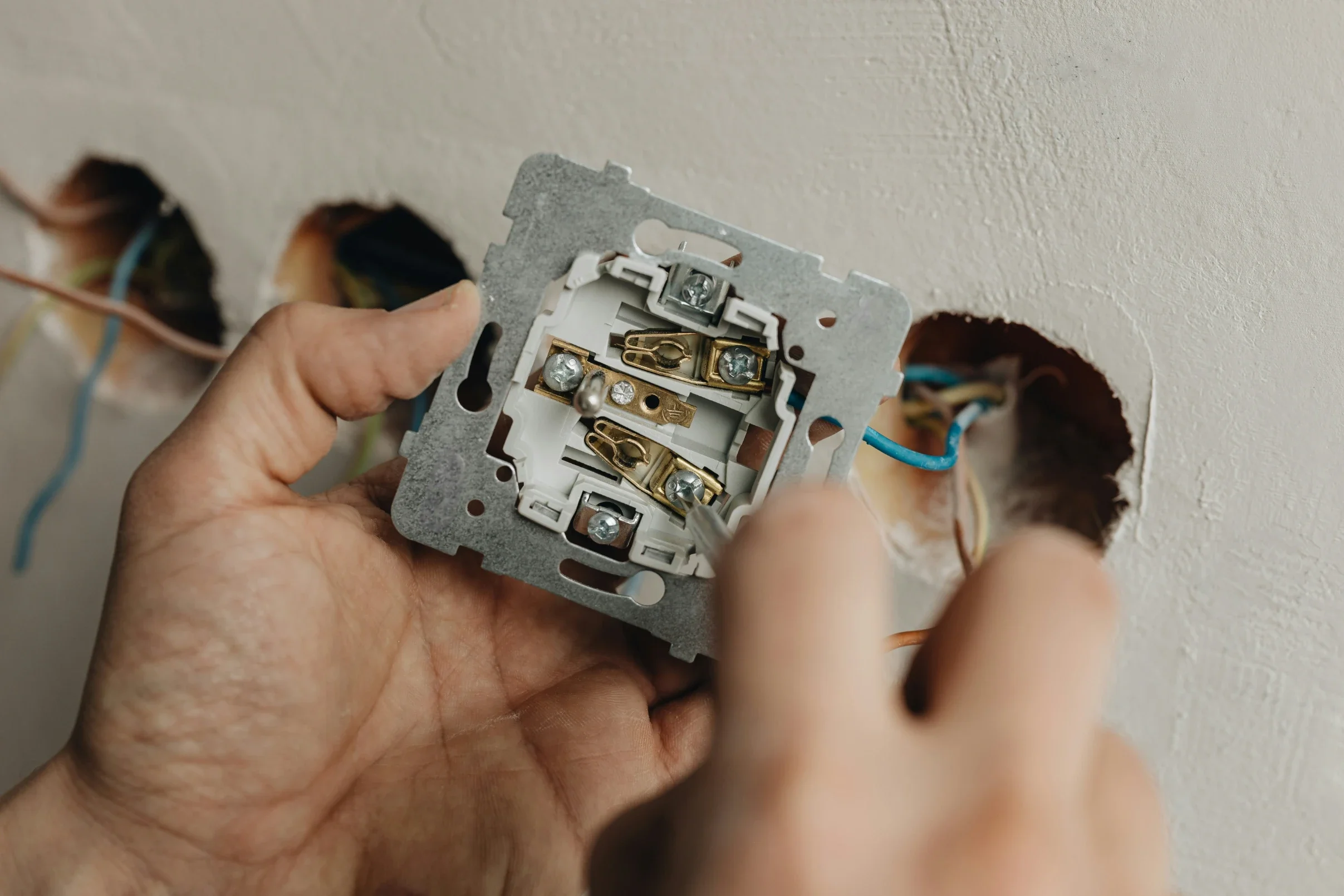
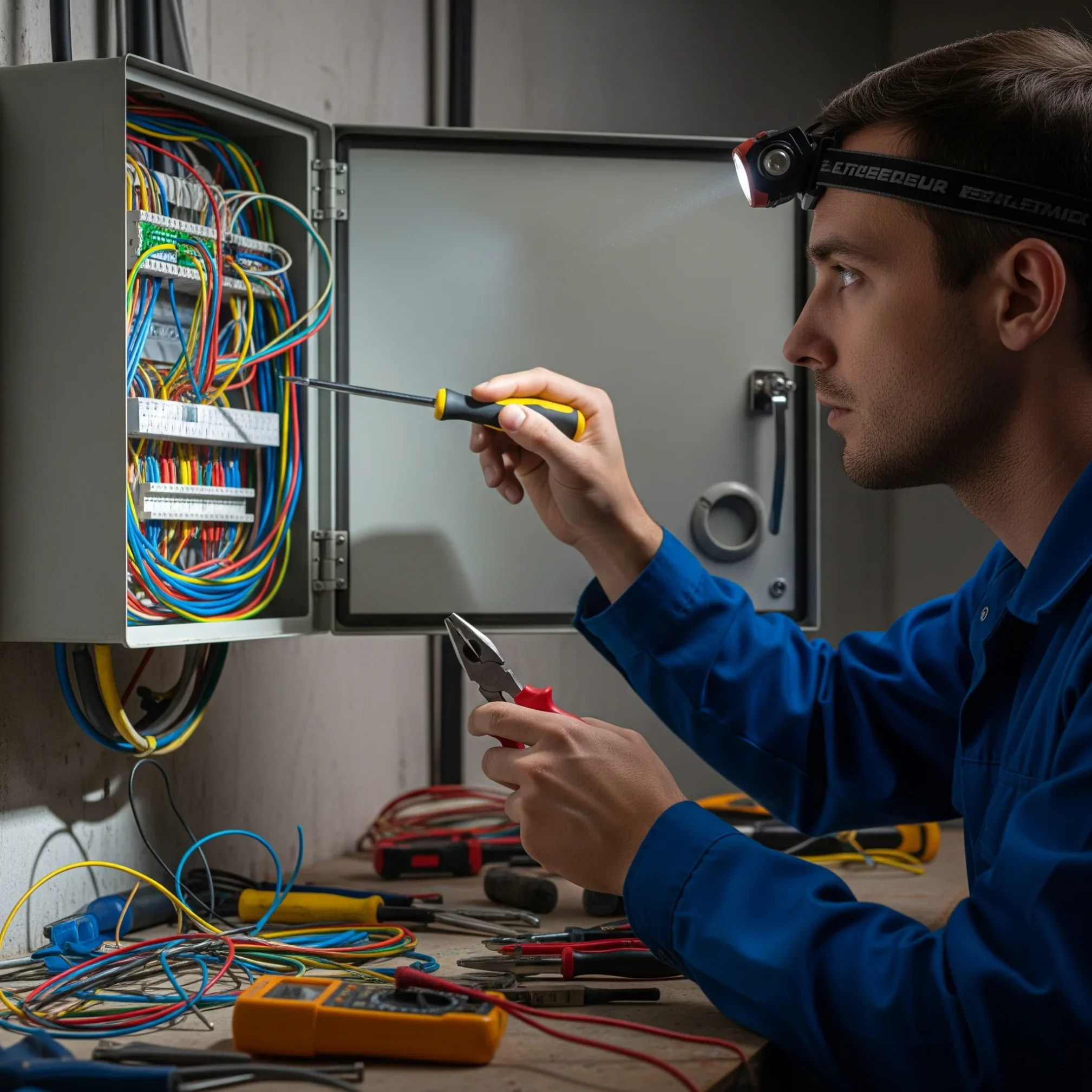
If water is leaking near electrical outlets, appliances, or the circuit box, your next step is safety: turn off the power at your main circuit breaker. This reduces the risk of life-threatening electric shock and limits the chances of fire. If it's not safe to reach the breaker or if water is already pooling around electrical fixtures, wait for emergency professionals. Safety must always take priority over property protection.
Contain the Leak
After ensuring that water flow and electricity are safely controlled, concentrate on containing the leak. Collect excess water quickly using buckets, towels, or a wet/dry vacuum. For slow drips under sinks, place a container beneath and wipe up regularly. Remove furniture, electronics, and valuables from the area to avoid further damage. Acting quickly helps minimize structural harm and lowers the risk of mold or mildew. The Environmental Protection Agency emphasizes addressing even small leaks promptly, as minor drips can lead to significant water waste over time. Even minor leaks can noticeably raise your water bill over several months. Regularly inspecting faucets, pipes, and appliances can help prevent these problems from becoming serious.
Call a Professional Plumber
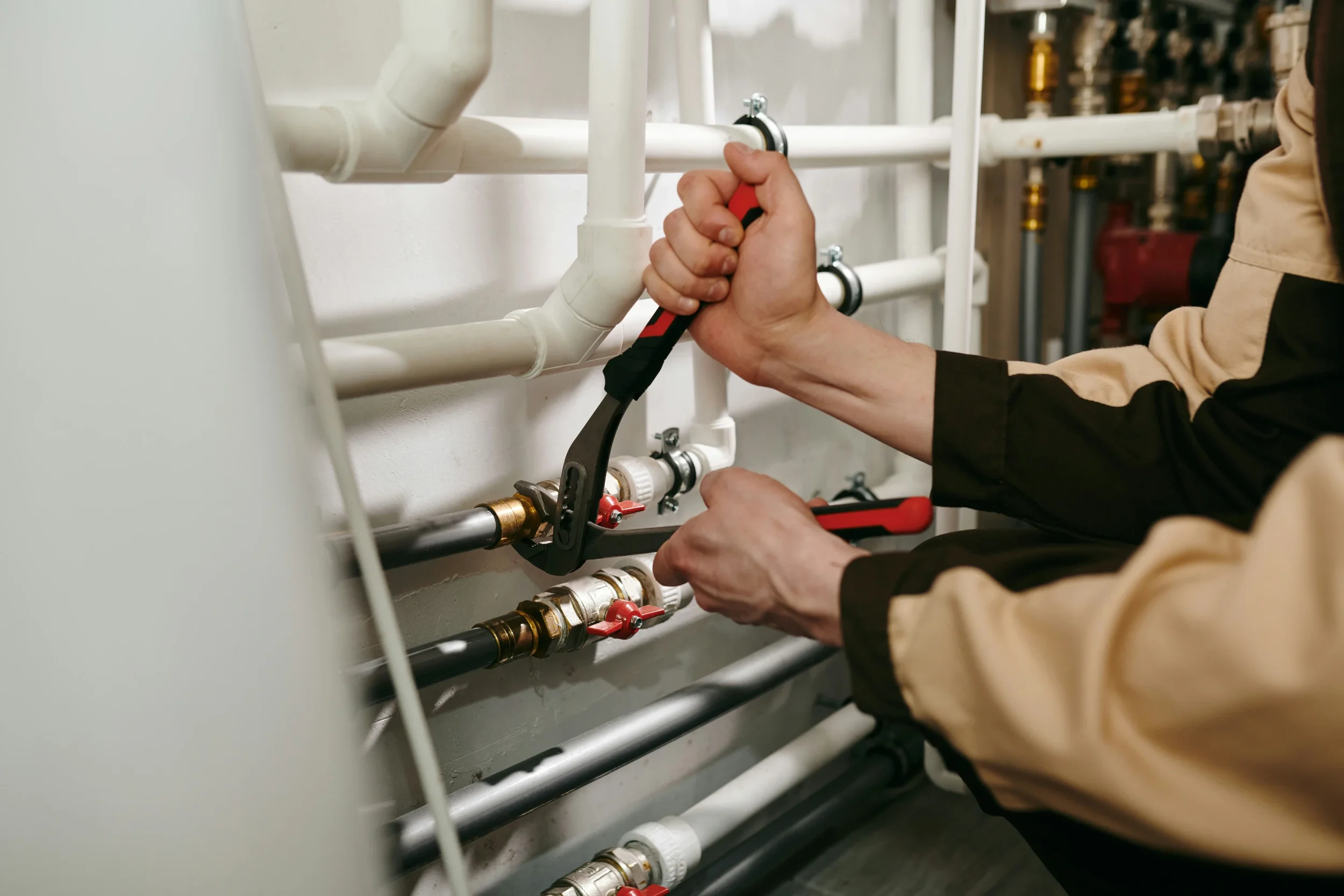
Contact a licensed plumber as soon as possible—don't try to tackle major emergencies, complex repairs, or sewage problems on your own. Plumbers have the specialized tools and knowledge to diagnose and repair the source efficiently. Keep a list of trusted emergency contacts easily accessible, so there’s no delay while searching during a crisis.
Document the Damage
For insurance and recovery purposes, document everything with photos and videos before beginning any cleanup beyond water removal. Snap clear images of affected rooms, fixtures, destroyed belongings, and the problem’s source. This evidence is essential for homeowners’ insurance claims or landlord communication, streamlining the process and maximizing your coverage.
Preventive Measures
Taking a proactive stance can drastically reduce your chances of facing another plumbing emergency. Regularly check exposed pipes and supply lines for corrosion, leaks, and loose fittings. Insulate water pipes to shield them from freezing in the winter months. Schedule professional maintenance to inspect sewer lines and water heaters. Proactivity also includes educating all household members on basic plumbing shut-off and emergency processes.
Assemble an Emergency Plumbing Kit
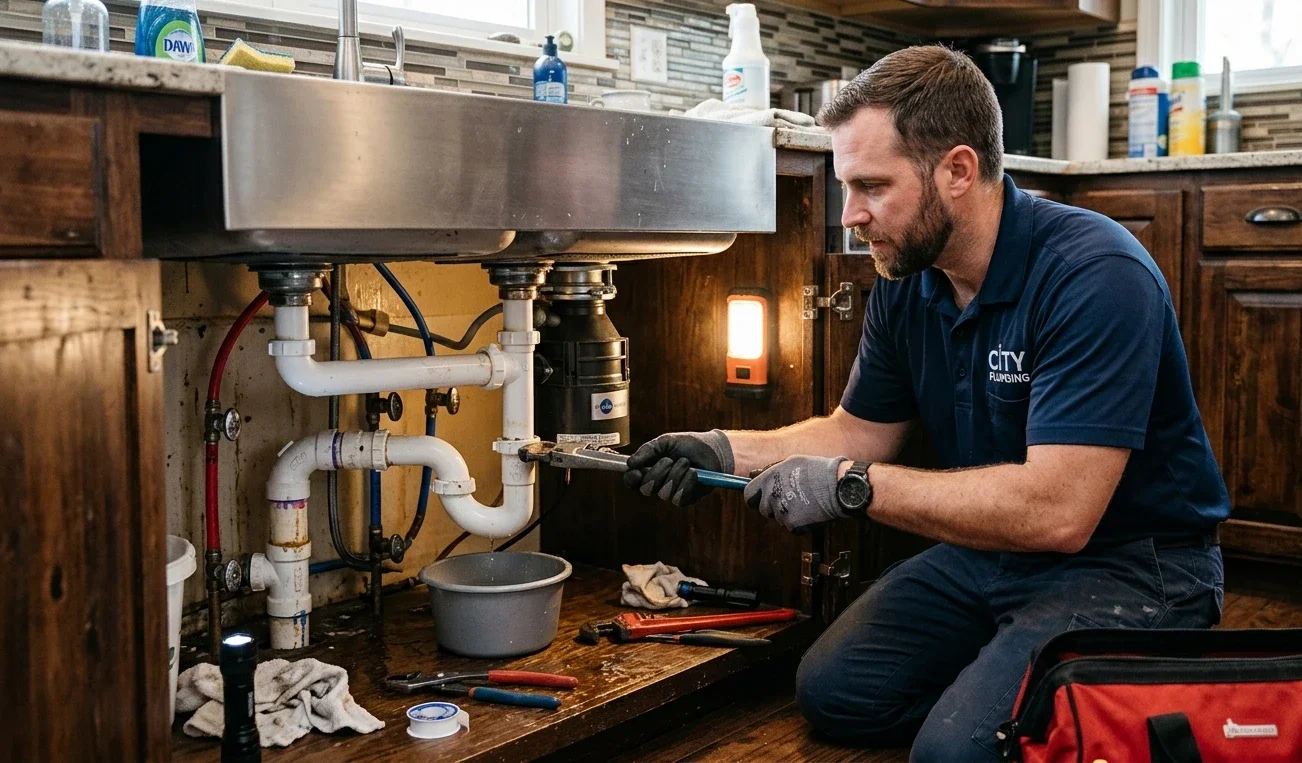
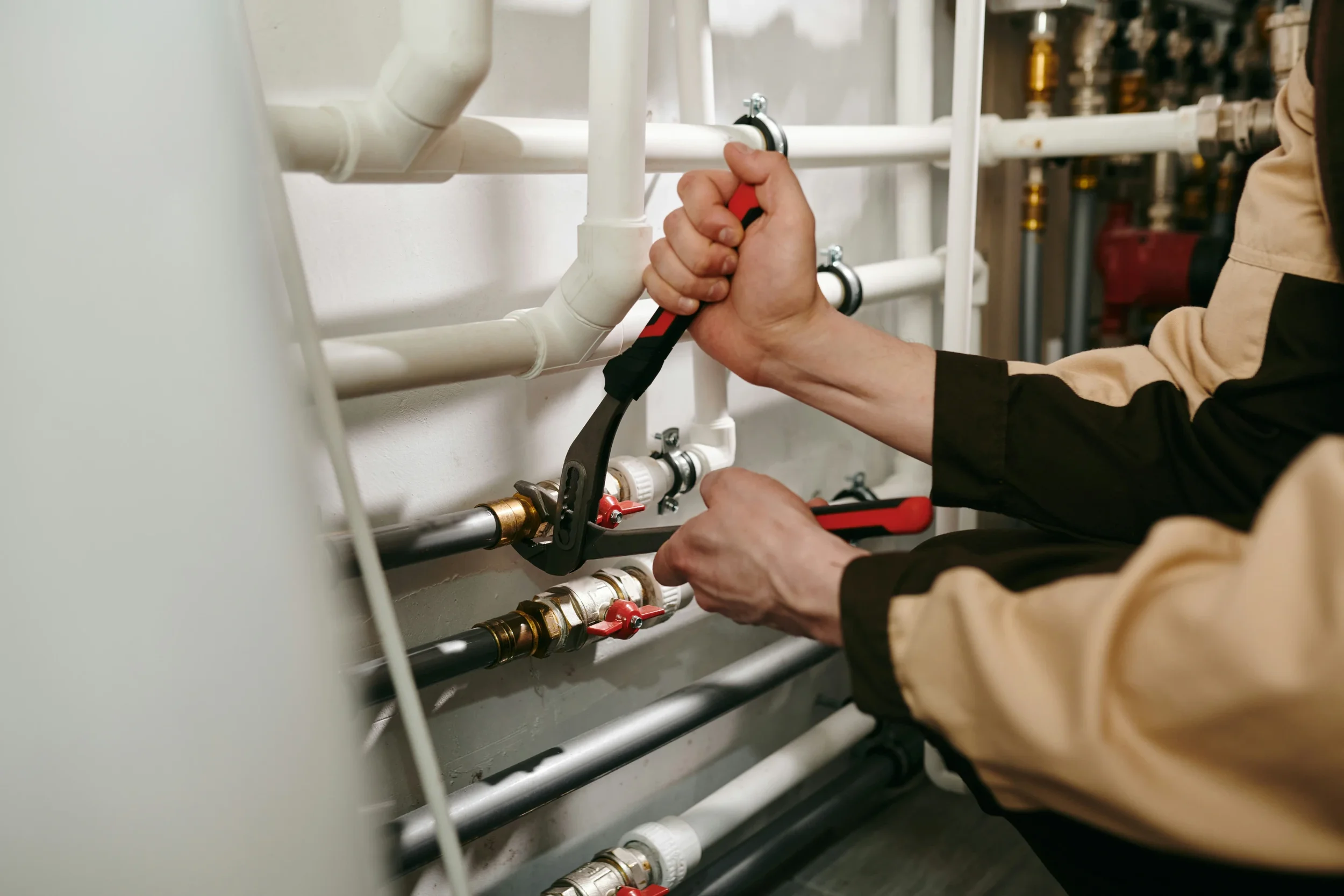
A well-stocked emergency plumbing kit empowers you to act fast. Essential items include a heavy-duty plunger (for toilets and drains), an adjustable wrench, slip-joint pliers, plumber’s tape, flashlight with batteries, absorbent towels, rubber gloves, and a mop. Keep the kit in an easily accessible location. With these tools, you’ll be ready to tackle minor clogs or leaks and protect your home until help arrives.
Plumbing emergencies demand calm action and preparation. By recognizing warning signs, shutting off utilities, containing damage, documenting everything, and enlisting professional help, you’ll safeguard your home, health, and peace of mind.
Stay up to date with our latest ideas!