Discover when to water lawn in summer for strong root growth. Learn optimal timing, frequency, and techniques for a thriving yard.

Summer hits, temperatures soar, and suddenly your once-gorgeous lawn starts looking more like a crispy brown welcome mat than the lush green carpet you've been dreaming about. Sound familiar? You're definitely not alone in this struggle. Countless homeowners watch helplessly as their grass turns from vibrant to sad during those scorching summer months.
Here's the kicker though. Most lawn problems during summer aren't actually caused by the heat itself. Nope, they're caused by watering at the wrong time or in the wrong way. You could be dumping gallons and gallons of water onto your yard and still end up with grass that looks like it hasn't seen moisture in weeks.
The secret to a resilient summer lawn lies beneath the surface, quite literally. Strong roots are what separate lawns that bounce back from heat stress and those that surrender to the summer sun. And building those roots? Well, that comes down to understanding exactly when to water lawn in summer for strong root growth.
Think of it this way. Your lawn is like an athlete training for a marathon. Proper hydration at the right times builds endurance and strength. Poor hydration habits, even with plenty of water available, lead to weakness and burnout. The timing of your watering matters just as much as the amount, maybe even more.
So let's dig into the nitty-gritty of summer lawn watering. By the time you finish reading, you'll know exactly when to turn on those sprinklers, how long to run them, and why your neighbors' lawns might be greener than yours. Spoiler alert: it's probably not because they're spending more money.
Understanding Root Growth and Water Needs
Before we talk timing, let's get a handle on what's actually happening underground. Your grass isn't just sitting there passively. It's actively working, growing, and adapting to conditions you create.
How Grass Roots Respond to Water
Grass roots are surprisingly smart in their own botanical way. They grow toward moisture, seeking out water wherever it exists in the soil profile. When you water frequently but shallowly, roots stay near the surface where the water accumulates. When you water deeply but less often, roots push downward searching for that moisture.
Deep roots make all the difference during summer heat waves. Surface-dwelling roots dry out quickly when temperatures spike, leaving grass vulnerable and stressed. Deep roots, on the other hand, access moisture reserves that persist even when the top layer of soil bakes in the sun.
This root behavior is exactly why understanding when to water lawn in summer for strong root growth matters so much. Your watering schedule literally shapes your lawn's underground architecture.
The Science of Soil Moisture
Different soil types hold and release water differently. Sandy soils drain quickly, requiring more frequent watering to maintain moisture levels. Clay soils hold water longer but can become waterlogged if overwatered. Loamy soils fall somewhere in between, offering the best balance for most grass types.
Knowing your soil type helps you calibrate both timing and duration of watering sessions. A lawn planted in sandy soil might need watering every three days during peak summer, while clay soil lawns can often go four to five days between waterings.
Check your soil by grabbing a handful and squeezing. Sandy soil falls apart immediately when released. Clay soil holds its shape and feels sticky. Loam crumbles slowly and feels neither gritty nor slick.
The Golden Hours: When to Water Lawn in Summer for Strong Root Growth
Alright, let's get to the heart of the matter. When exactly should those sprinklers be running?
Early Morning: The Optimal Window
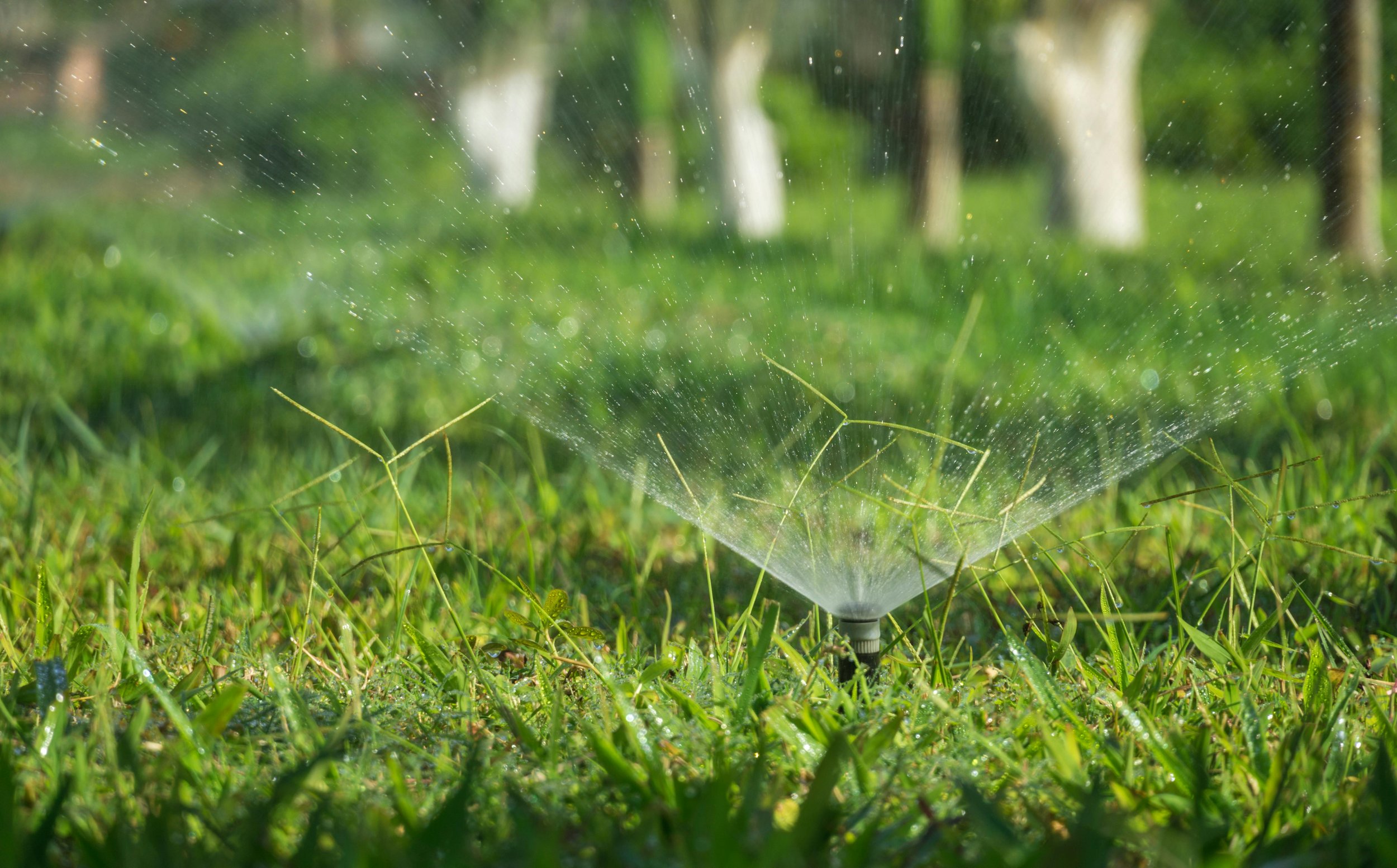
If there's one takeaway from this entire article, let it be this: water your lawn between 4 AM and 10 AM. This early morning window represents the absolute best time for summer lawn irrigation, and here's why.
Morning temperatures remain cool, meaning less water evaporates before soaking into the soil. Calm winds typical of early morning hours allow sprinklers to distribute water evenly without drift. The grass has all day to dry before nightfall, reducing disease risk significantly.
That sweet spot between 6 AM and 8 AM hits the perfect balance. The sun is up enough to begin the drying process but not so intense that evaporation steals your water before it reaches the roots. Most irrigation experts consider this the prime time for lawn watering, period.
Why Midday Watering Wastes Water
Watering during the heat of the day seems logical to many homeowners. The grass looks stressed, it's obviously hot, so giving it water right then should help, right? Actually, wrong.
Midday watering is incredibly inefficient. Hot temperatures and strong sun cause rapid evaporation, meaning a significant portion of your water never reaches the soil. Some studies suggest up to 30% of water applied during peak afternoon hours simply evaporates before benefiting your lawn.
Beyond waste, midday watering can actually damage grass. Water droplets on blades act like tiny magnifying glasses, potentially causing leaf scorch. The rapid temperature change from cool water hitting hot grass stresses plants rather than refreshing them.
Evening Watering: A Risky Second Choice
Life happens, and sometimes morning watering just isn't possible. If you absolutely must water outside the early morning window, late afternoon or early evening (4 PM to 6 PM) serves as a distant second choice.
Evening watering allows grass to dry somewhat before darkness falls, though not as completely as morning watering permits. The cooler temperatures reduce evaporation losses compared to midday application.
However, evening watering carries real risks. Grass that remains wet overnight becomes susceptible to fungal diseases. Those damp, dark conditions create perfect environments for dollar spot, brown patch, and other lawn diseases that can devastate grass quickly.
Night Watering: Just Don't
Watering at night seems convenient. It's cooler, you're home, and nobody's competing for water pressure. But night watering is perhaps the worst possible choice for lawn health.
Moisture sitting on grass blades for eight or more hours before morning sun arrives practically guarantees disease problems. Fungal spores that would otherwise die in dry conditions thrive in the extended wet environment night watering creates.
Many lawn care professionals can spot night-watered lawns instantly by their disease patterns. Save yourself the headache and set that timer for morning instead.
How Long and How Often to Water
Timing covers when to turn on the water. Now let's discuss duration and frequency.
Deep Watering Principles
Most established lawns need about one to one and a half inches of water weekly during summer. This includes rainfall, so adjust your watering based on what Mother Nature provides.
Rather than spreading this water across daily light sprinklings, concentrate it into two or three deep watering sessions. Each session should deliver approximately half an inch of water, enough to penetrate six to eight inches into the soil.
How long does that take? It varies based on your sprinkler system's output. Place empty tuna cans around your lawn during watering to measure accumulation. When cans contain half an inch, you've watered long enough for that session.
Frequency Guidelines by Grass Type
Cool-season grasses like Kentucky bluegrass, fescue, and ryegrass typically need watering every three to four days during hot summer stretches. These grasses naturally struggle in heat and benefit from consistent moisture availability.
Warm-season grasses including Bermuda, zoysia, and St. Augustine handle heat better and often thrive with watering every four to seven days. Their deeper natural root systems access moisture that cool-season varieties can't reach.
During extreme heat waves exceeding 95 degrees Fahrenheit, even drought-tolerant grasses benefit from additional watering. Watch for stress signs like footprints remaining visible after walking across the lawn, indicating the grass lacks moisture to spring back.

Signs Your Lawn Needs Water
Rather than following rigid schedules, learning to read your lawn's signals helps you water more effectively.
Visual Stress Indicators
Grass blades that fold lengthwise or curl indicate moisture stress. This is the plant's attempt to reduce surface area exposed to sun, conserving internal moisture. Watering at the first signs of folding prevents deeper stress.
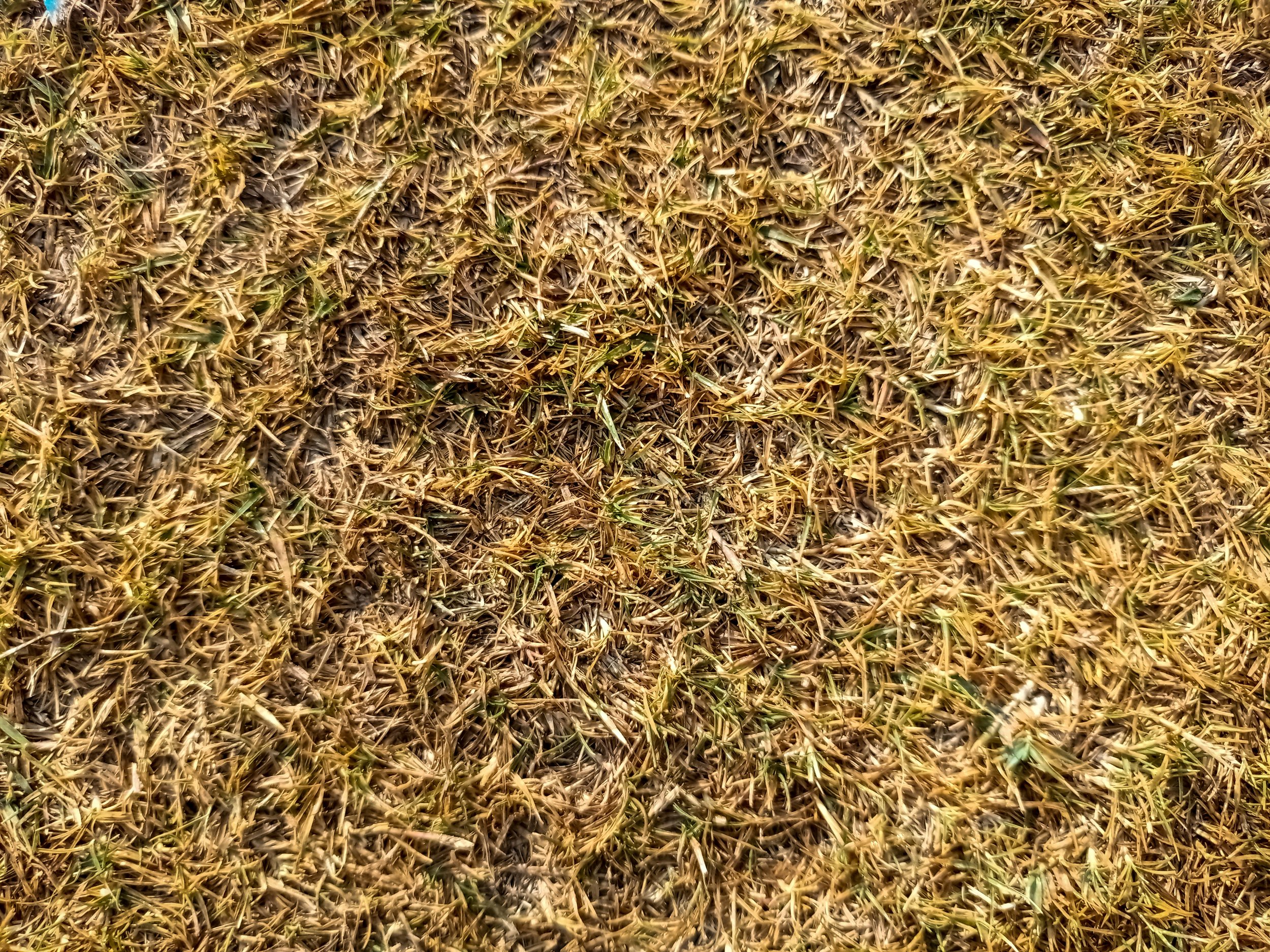
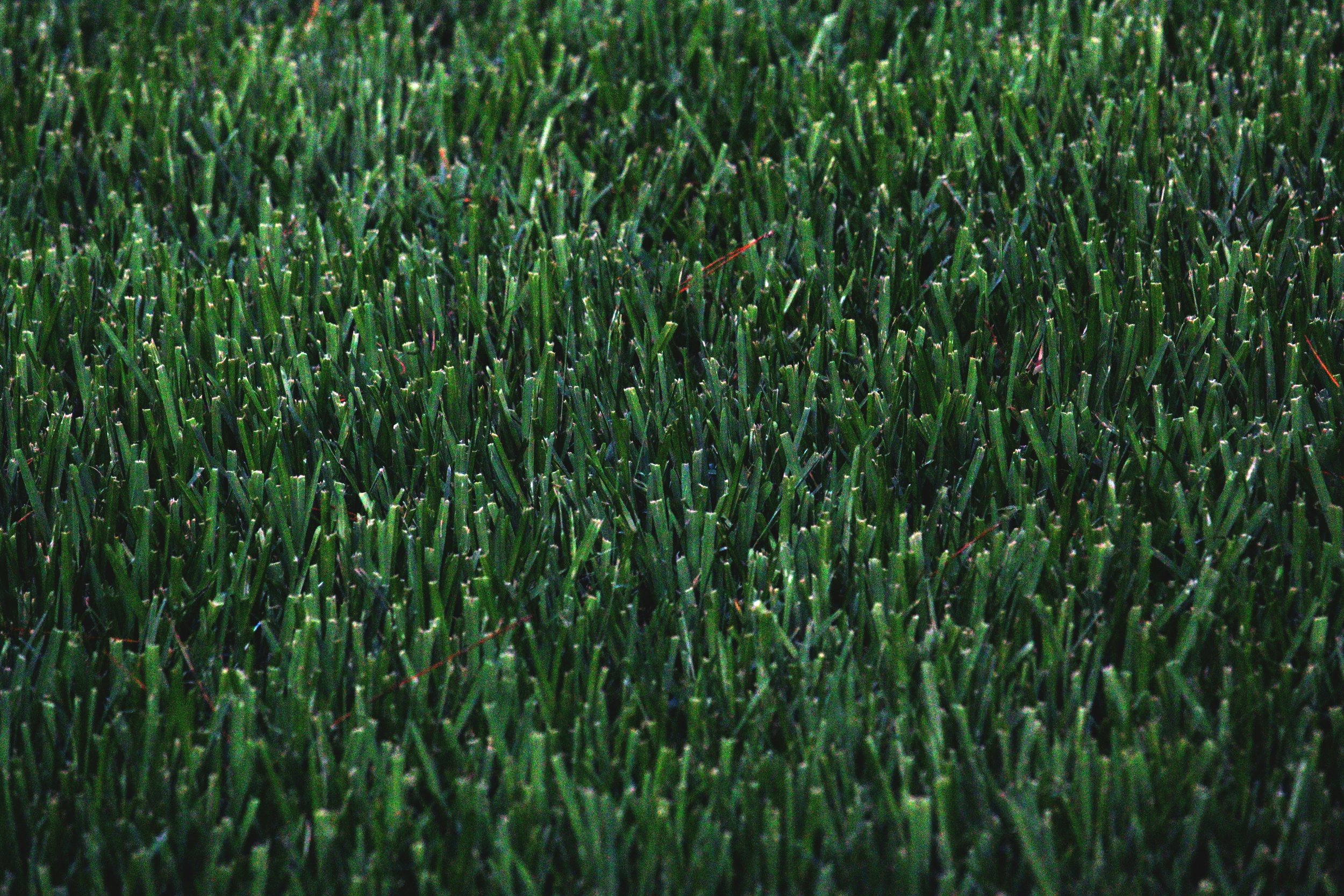
Color changes tell important stories. Healthy grass maintains vibrant green coloring. Stressed grass takes on a blue-gray or dull purple tint before eventually turning brown. The earlier you catch color changes, the faster grass recovers with proper watering.
The footprint test remains one of the simplest indicators. Walk across your lawn and look back. If grass springs back quickly, moisture levels are adequate. If footprints remain visible for more than a few seconds, it's time to water.
Soil Testing Methods
The screwdriver test offers a quick soil moisture check. Push a long screwdriver into the lawn. It should slide in easily if soil is adequately moist. Resistance indicates dry soil that needs watering.
For more precision, soil moisture meters provide actual readings of moisture content at various depths. These inexpensive tools remove guesswork from watering decisions and help prevent both over and under watering.
Simply observing your sprinkler zones also helps. Areas that dry faster due to sun exposure, slope, or soil composition may need additional attention compared to shaded or low-lying sections.
Common Summer Watering Mistakes
Even well-intentioned homeowners sabotage their lawns through easily corrected errors.
Overwatering Problems
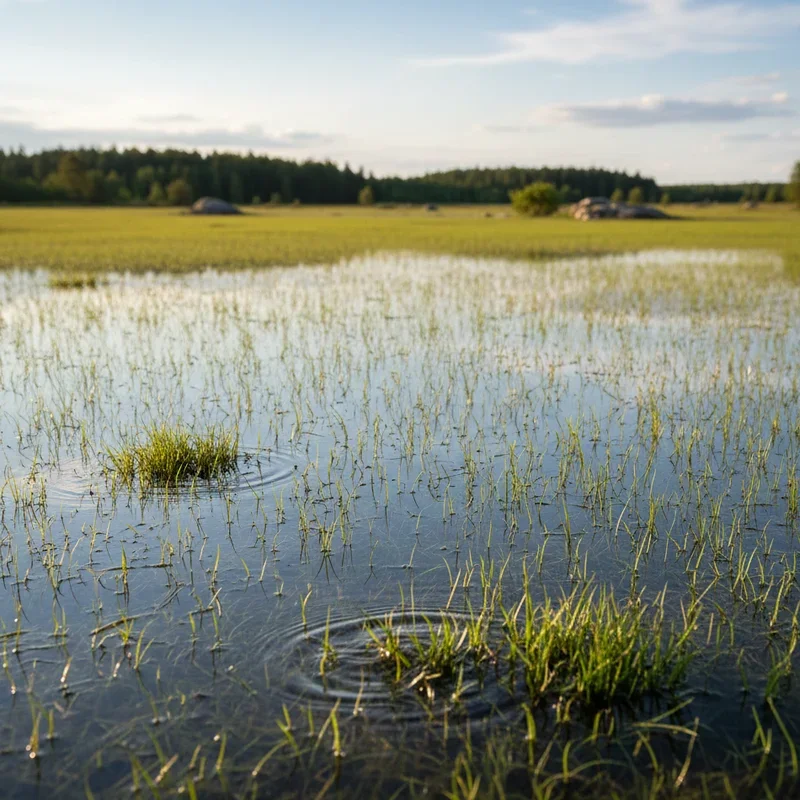
Believe it or not, overwatering causes as many lawn problems as underwatering. Waterlogged soil suffocates roots, promotes disease, and encourages shallow root development. Those roots have no reason to grow deep when moisture constantly exists at the surface.
Signs of overwatering include perpetually mushy soil, fungal growth, yellowing grass, and the appearance of moss or algae. If your lawn squishes when walked on or water pools during irrigation, you're overdoing it.
Underwatering Issues
On the flip side, insufficient watering stresses grass and prevents the deep root growth we're aiming for. Lawns that receive frequent light waterings develop weak, shallow root systems that can't survive drought conditions.
Brown patches, excessive weed growth, and grass that doesn't recover from foot traffic all suggest underwatering. Increasing depth rather than frequency usually solves these problems.
Inconsistent Scheduling
Erratic watering confuses grass and prevents adaptation to any particular moisture pattern. Roots can't establish effective growth strategies when water arrives unpredictably.
Consistency matters more than perfection. A regular schedule that delivers water at approximately the same times and amounts allows grass to develop efficient root systems adapted to your specific pattern.

Special Considerations for Summer Lawn Care
Watering doesn't happen in isolation. Other factors influence how effectively your lawn uses the water you provide.
Mowing Height and Water Retention
Taller grass retains soil moisture better than closely cropped lawns. During summer, raise your mowing height by at least half an inch compared to spring settings. This extra blade length shades soil, reducing evaporation and heat stress at ground level.
Taller grass also develops deeper roots naturally, complementing your deep watering efforts. The combination of proper mowing height and well-timed watering creates synergistic benefits neither practice achieves alone.
Mulching and Soil Health
Grasscycling, or leaving clippings on the lawn after mowing, returns moisture and nutrients to the soil. Decomposing clippings act as natural mulch, reducing evaporation while feeding beneficial soil organisms.
Healthy soil with good organic content holds moisture better than depleted soil. Annual aeration and occasional topdressing with compost improve soil structure over time, making your watering efforts more effective.
Heat Wave Survival Strategies
When temperatures spike into triple digits, even well-watered lawns may show stress. During extreme heat, consider allowing grass to go semi-dormant rather than pushing maximum growth.
Dormant grass appears brown but isn't dead. It's simply conserving resources until conditions improve. Light watering every two to three weeks keeps dormant grass alive without encouraging active growth that heat would immediately stress.
Conclusion
Mastering when to water lawn in summer for strong root growth transforms struggling yards into resilient, beautiful landscapes that handle heat with grace. Early morning watering between 6 AM and 8 AM delivers the best results, allowing deep soil penetration while minimizing evaporation and disease risk. Combined with appropriate frequency and proper lawn care practices, strategic watering builds the deep root systems that carry lawns through summer's toughest challenges successfully.
Read next: How to Remove Thatch From Lawn for Healthier Grass
Frequently Asked Questions
1.What is the best time of day to water my lawn during summer?
Early morning between 6 AM and 8 AM provides optimal conditions for water absorption and drying.
2.How often should I water my lawn in extreme summer heat?
Water deeply every three to four days, increasing to every two days during severe heat waves.
3.Can I water my lawn at night during summer months?
Night watering promotes fungal diseases and should be avoided whenever possible for lawn health.
4.How much water does my lawn need weekly during summer?
Most lawns require one to one and a half inches of water weekly including natural rainfall.
5.Why does my lawn turn brown even when I water regularly?
Shallow, frequent watering creates weak roots that cannot access deeper moisture during heat stress.
Stay up to date with our latest ideas!