Before the Build Begins: How Preparation Shapes Every Project
Great builds start before work begins. Discover how preparation, access planning and calm site set-up shape safer, smoother construction projects.
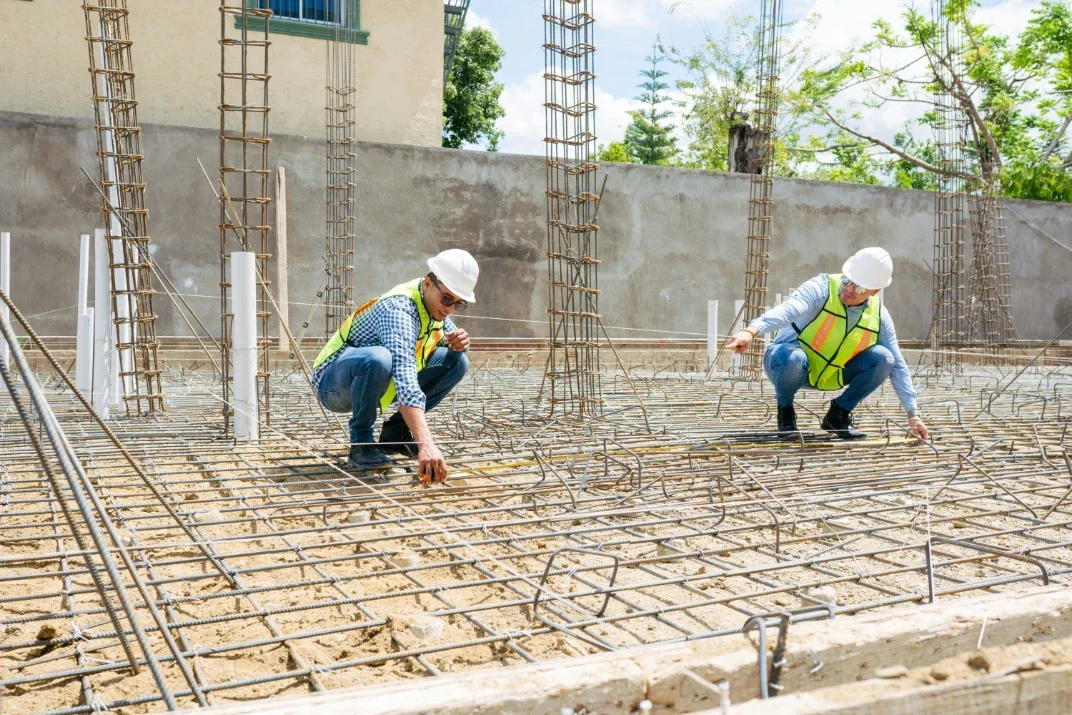
Every construction project has two beginnings. One is visible, marked by the arrival of materials, machinery and people. The other is quieter and far more influential. It takes place before work officially starts, in the decisions that shape access, movement and safety. Long before the finished structure takes form, the success of a project is already being determined.
Preparation is rarely celebrated in construction. It lacks the drama of progress and the satisfaction of completion. Yet it is preparation that allows everything else to happen calmly, efficiently and safely. When it is done well, it fades into the background. When it is rushed or overlooked, it makes itself known very quickly.
The Unseen Groundwork
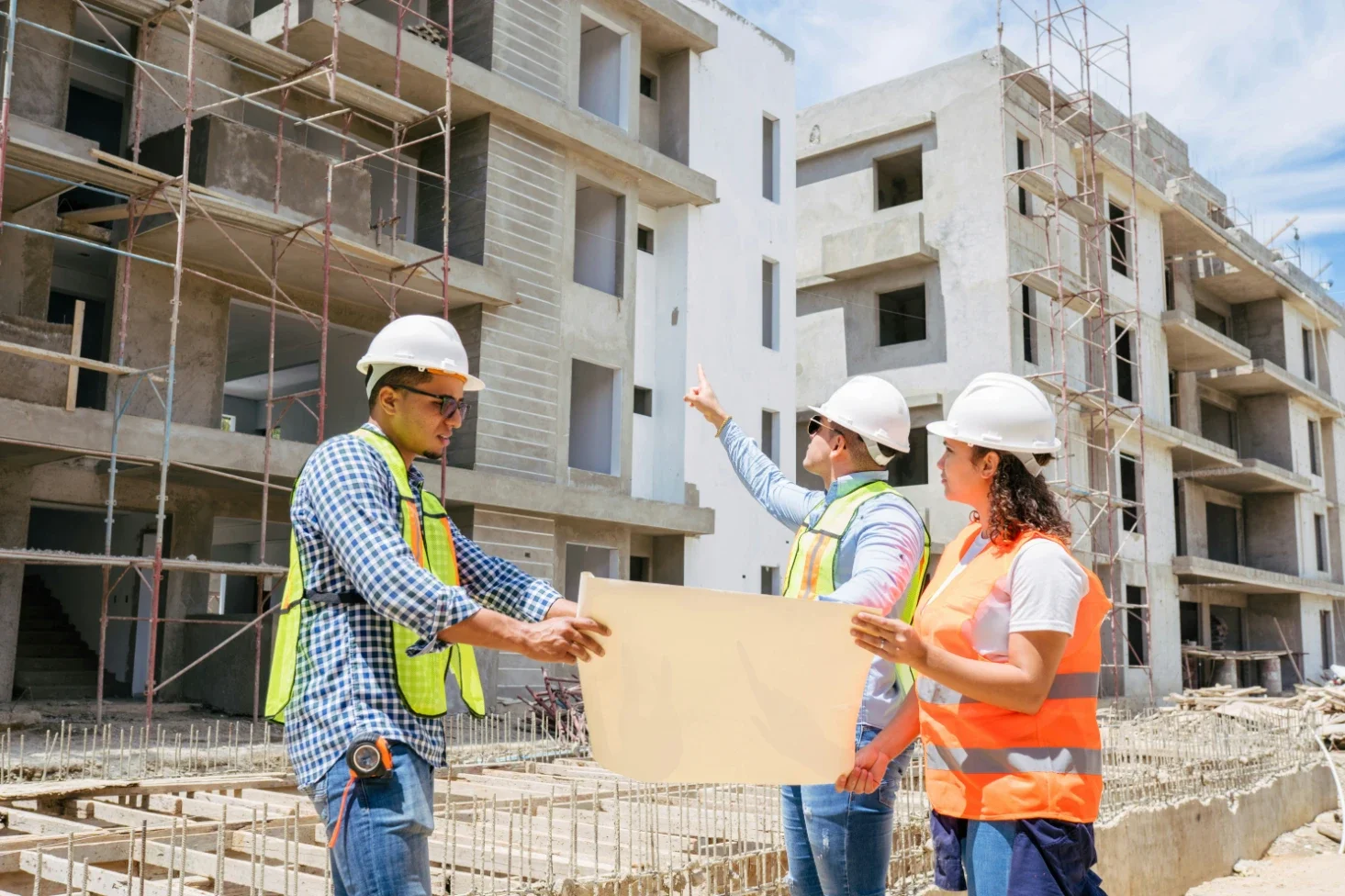
A building site is not just a physical space. It is a working environment that must support people as much as materials. How trades access their work, how they move around the structure and how tasks overlap all influence the rhythm of a project.
Thoughtful preparation considers these factors early. It asks practical questions before problems arise. Where will people work at height. How will materials be moved. What happens when multiple trades need access to the same area.
Answering these questions in advance reduces friction later. It creates a site that feels intentional rather than reactive.
Access as a Foundation
Access is one of the first and most important considerations on any build. Without it, progress stalls. With it, work flows.
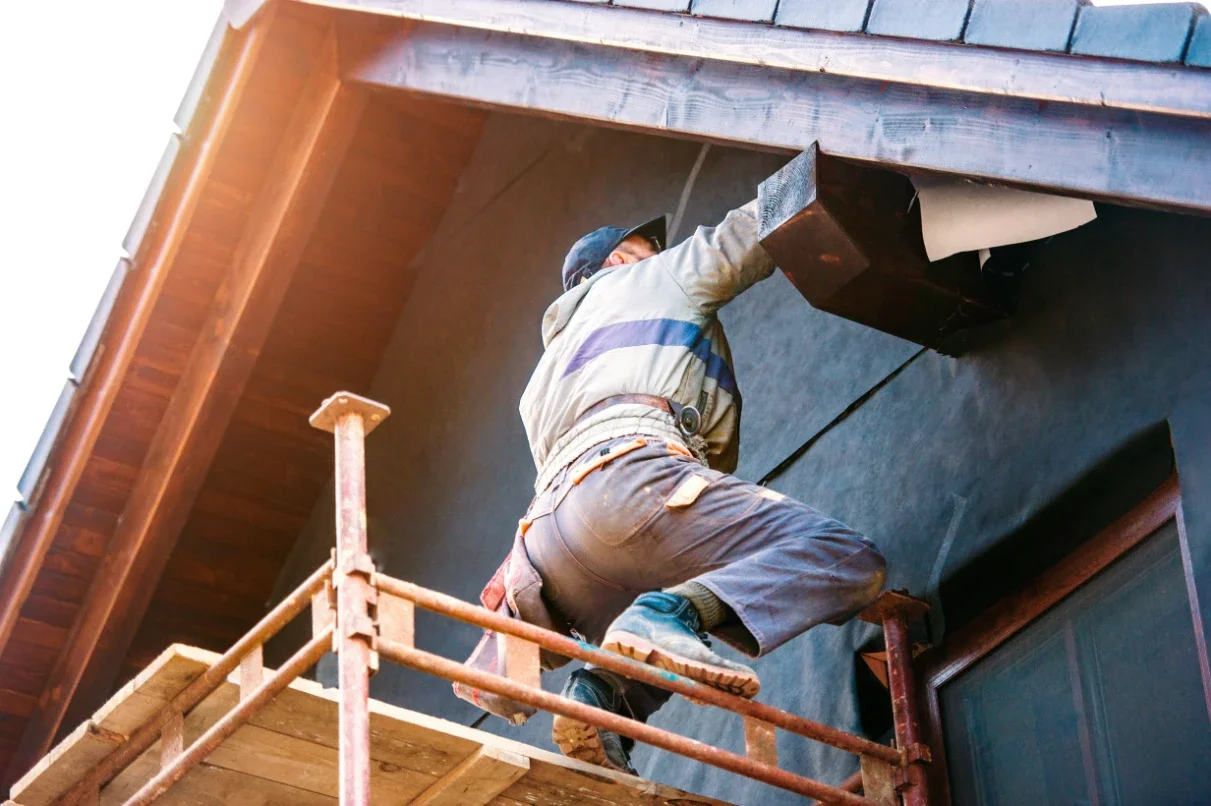
Scaffolding sits at the centre of this conversation. It shapes how a building is approached, both physically and mentally. Well-planned access allows trades to focus on their work rather than their footing. It creates confidence, which in turn supports quality.
Access that is poorly planned often leads to compromise. Workarounds appear. Time is lost. Standards slip under pressure. These issues rarely originate in the work itself, but in the conditions surrounding it.
Preparation and Pace
There is a common belief that preparation slows projects down. In reality, it sets their pace. Sites that feel rushed are often those where early decisions were deferred or underestimated.
A prepared site establishes rhythm. It allows tasks to progress logically, without constant adjustment. This steadiness benefits everyone involved. Trades arrive knowing what to expect. Supervisors spend less time resolving access issues. Work feels measured rather than frantic.
This sense of control is not about speed. It is about momentum that can be sustained.
When Planning Becomes Physical
Preparation moves from theory to reality when structures go up. Temporary works are where planning becomes tangible. They translate intention into usable space.
At this stage, decisions around layout, load and flow take shape. Choices made here influence every subsequent phase of the build. Even the sourcing and timing of scaffolding supplies can affect how smoothly a site comes together, particularly on projects where space or access is limited.
These details may appear minor, but they have a cumulative effect. Small efficiencies gained early often prevent larger disruptions later.
Safety Built into the Site
Safety is most effective when it is designed in, not added on. A prepared site reduces risk by creating clarity. People know where to work, where to move and where to store materials. Uncertainty is minimised.
Scaffolding plays a crucial role here. Stable platforms, consistent access points and clear routes reduce the likelihood of accidents. More importantly, they create an environment where people feel supported rather than constrained.
This confidence encourages better behaviour. When working conditions are reliable, shortcuts are less tempting. Safety becomes part of the culture rather than an external requirement.
The Human Experience of Preparation
Construction is a human process. It relies on cooperation, trust and shared understanding. Preparation supports these qualities by removing unnecessary stress.
A site that is well set up communicates respect for the people working on it. It acknowledges that their time, safety and focus matter. This respect is often reflected in the quality of work that follows.
Prepared sites tend to feel calmer. Conversations are more productive. Decisions are made with greater clarity. Problems are addressed before they escalate.
Temporary Structures, Lasting Impact
Although scaffolding and other temporary works are removed at the end of a project, their influence remains. They shape how the building was constructed, how people experienced the process and how effectively challenges were managed.
The most successful projects often share a common trait. They invested time and thought at the beginning. They recognised that preparation is not a separate phase, but the foundation of everything that follows.
Why Preparation Deserves More Attention
In an industry driven by deadlines and deliverables, preparation can feel intangible. It does not photograph well. It does not always show immediate results. But its value becomes clear over time.
Projects that begin with care tend to progress with confidence. They allow craftsmanship to flourish. They reduce unnecessary pressure. They create conditions where quality feels achievable rather than aspirational.
Before the build begins, the work has already started. And when that work is done well, everything else has a chance to fall into place.
Stay up to date with our latest ideas!