Are Robot Lawn Mowers Worth It? A Practical Guide for Homeowners
Learn how robot lawn mowers work, their benefits and limitations, and whether they are a worthwhile investment for maintaining your lawn.

Maintaining a healthy lawn takes time and consistent effort throughout the growing season. For many homeowners, mowing is one of the most repetitive outdoor chores. As smart home technology continues to expand into the garden, robotic mowers have become an increasingly common option. People researching the best robot lawn mowers often want to know whether these machines genuinely save time and improve lawn care or if traditional mowing methods remain the better choice.
How Robot Lawn Mowers Work
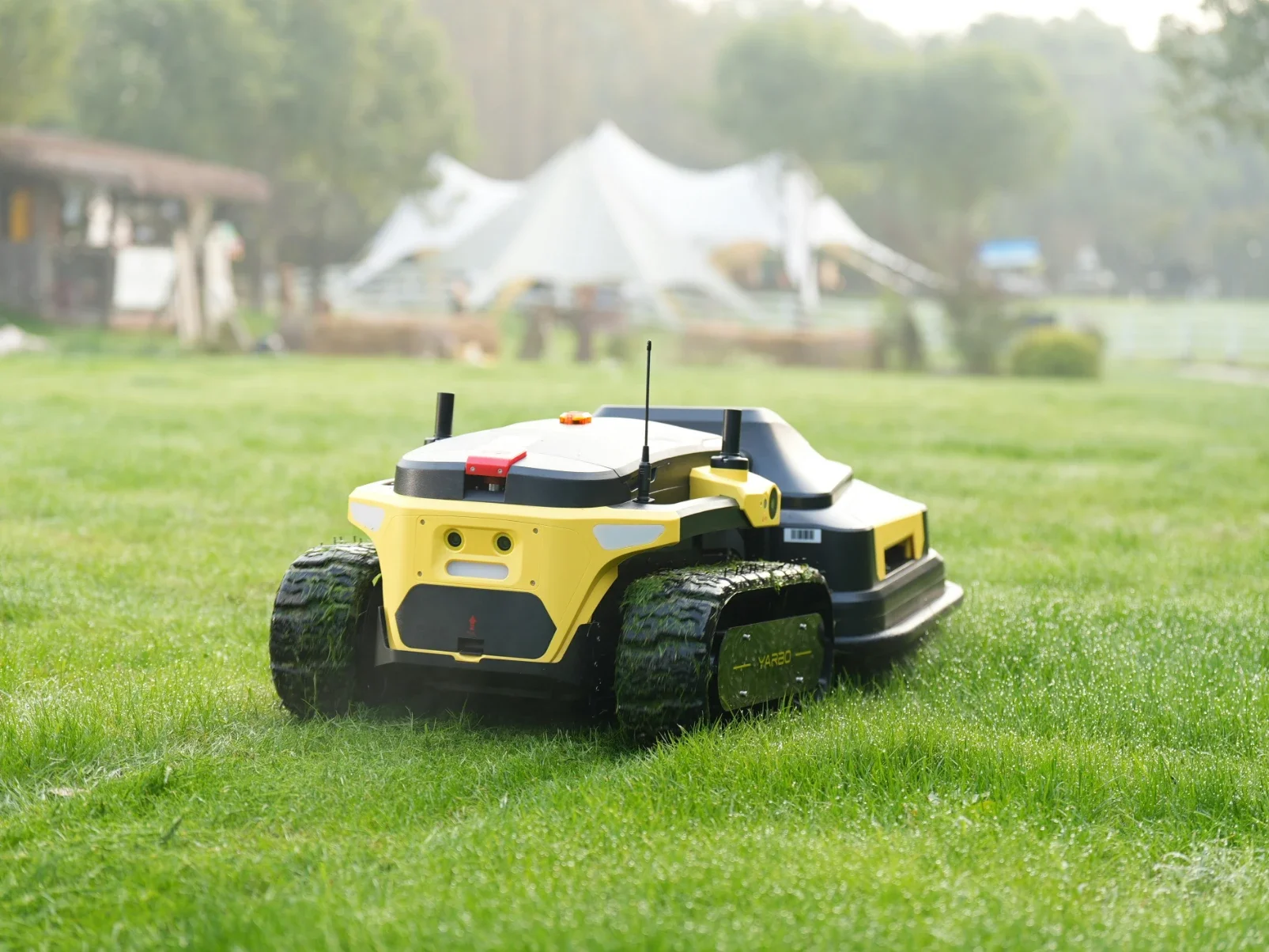
Robot lawn mowers are automated devices designed to cut grass with minimal human involvement. After installation and setup, the mower navigates the lawn independently, trimming small amounts of grass on a regular schedule.
Unlike traditional lawn mowers that typically remove a large amount of grass in a single session, robotic models operate more frequently. This continuous approach helps maintain a consistent lawn height throughout the growing season.
Most systems rely on boundary wires, GPS guidance, sensors, or a combination of technologies to stay within designated areas and avoid obstacles.
The Main Advantages of Robotic Mowing
The biggest appeal of robotic lawn mowers is convenience.
Time Savings
Homeowners can schedule mowing automatically, reducing the need to spend weekends pushing a mower around the yard.
Consistent Lawn Appearance
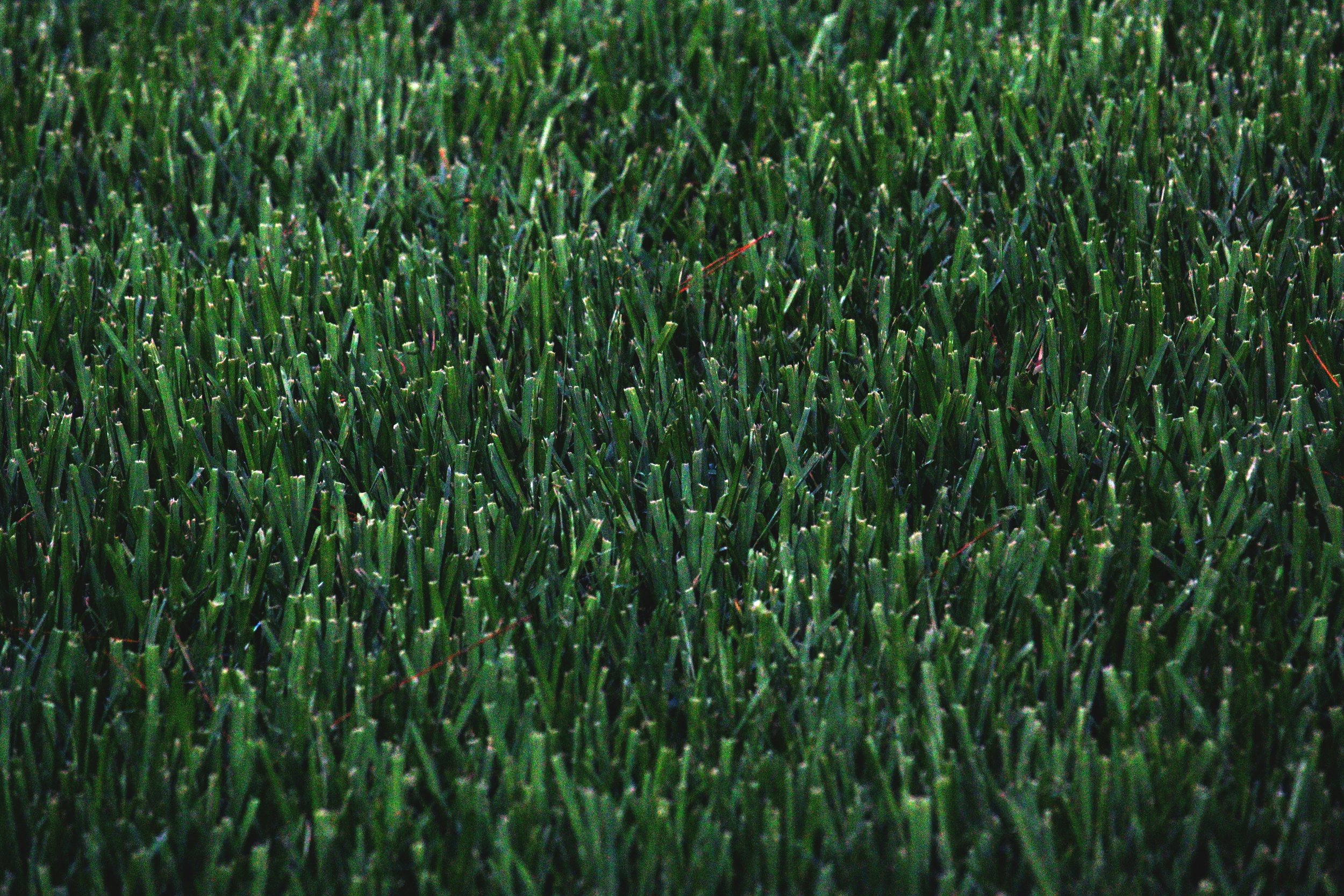
Frequent mowing helps create a uniformly maintained lawn. Because only small amounts of grass are cut at a time, the yard often looks freshly trimmed.
Quiet Operation
Most robotic mowers produce less noise than gas powered equipment, making them suitable for use during a wider range of hours without disturbing neighbors.
Reduced Physical Effort
People with busy schedules, mobility limitations, or large properties may appreciate the reduced physical demands associated with automated mowing.
Potential Drawbacks to Consider
While robotic mowers offer several benefits, they are not ideal for every property.
Initial Setup Requirements
Many systems require boundary installation and configuration before they can operate effectively. This process may take time, particularly for complex landscapes.
Challenging Terrain
Steep slopes, uneven ground, dense landscaping, and narrow passages can affect performance depending on the model.
Maintenance Still Exists
Although robotic mowers reduce mowing effort, they still require occasional cleaning, blade replacement, software updates, and battery maintenance.
Weather Considerations
Some units perform well in varying weather conditions, while others may require adjustment or temporary storage during severe weather events.
Are They Suitable for Every Lawn?
Not all lawns are equally compatible with robotic mowing technology.
Robot mowers tend to perform best on:
Small to medium sized yards
Relatively flat terrain
Clearly defined boundaries
Properties with limited obstacles
Large, highly landscaped, or unusually shaped properties may require more advanced systems or additional setup work.
Before purchasing any mower, homeowners should evaluate:
Lawn size
Terrain complexity
Tree coverage
Garden beds and obstacles
Connectivity requirements
Matching the mower to the property's specific characteristics is essential for satisfactory results.
Lawn Health Benefits
One advantage often overlooked is the potential effect on lawn health.
Because robotic mowers cut frequently, they remove only a small portion of each blade of grass at a time. The fine clippings naturally decompose and return nutrients to the soil.
This process can contribute to:
Improved moisture retention
Reduced need for bagging clippings
Healthier grass growth
More consistent lawn density
However, these benefits still depend on proper watering, fertilization, and overall lawn care practices.
Smart Garden Technology Beyond Mowing
Robot lawn mowers are part of a broader trend toward smart garden management.
Other technologies now available include:
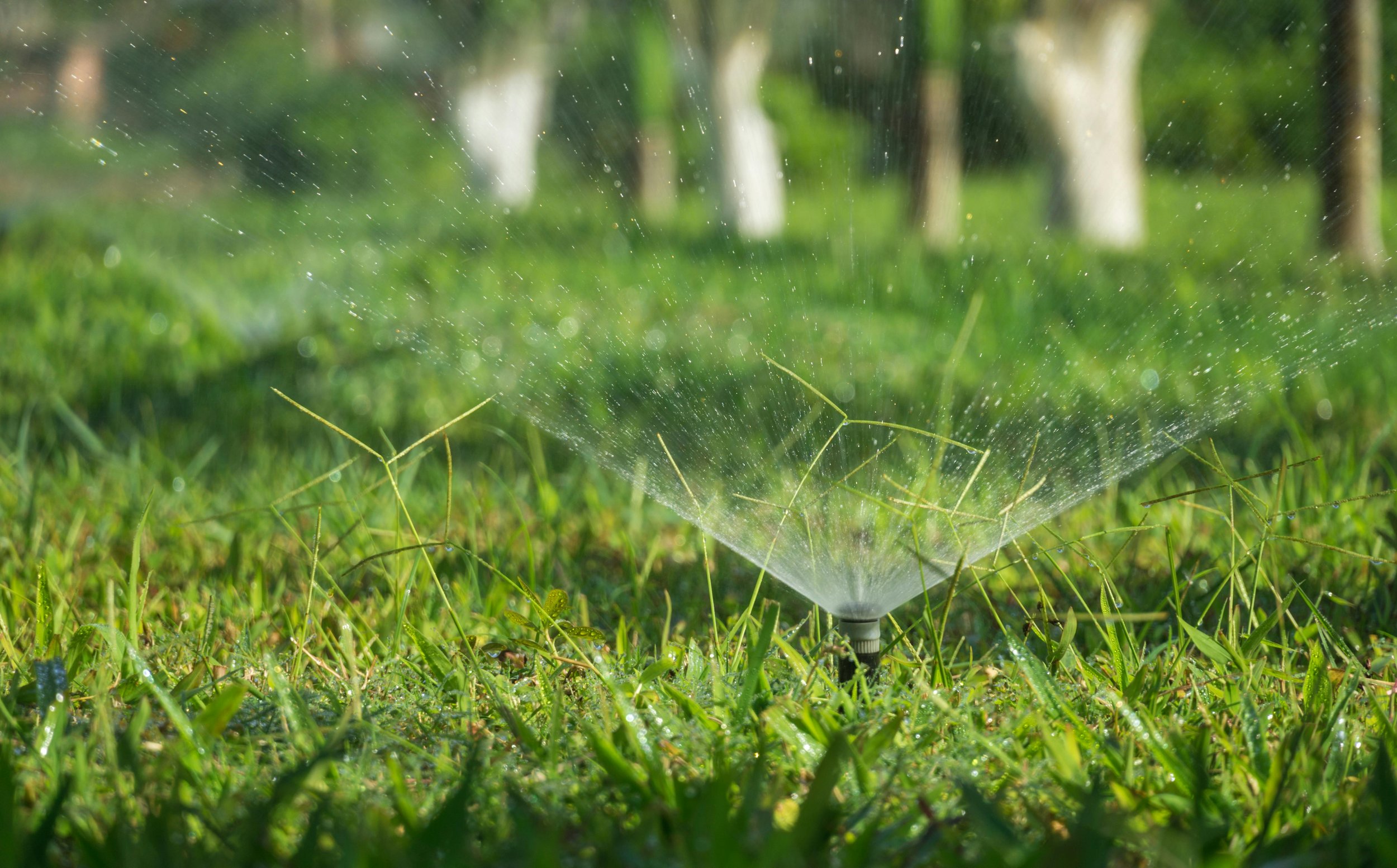
Smart irrigation systems
Automated weather monitoring
Soil moisture sensors
Connected outdoor lighting
App controlled watering schedules
For homeowners interested in reducing routine maintenance, combining several smart tools can create a more efficient outdoor care system.
Cost Versus Convenience
Whether a robot lawn mower is worth the investment depends largely on personal priorities.
Homeowners who value convenience, consistent appearance, and automation may find significant benefits. Those who enjoy lawn maintenance or have challenging landscapes may see fewer advantages.
When evaluating value, consider:
Time saved each week
Property size
Maintenance expectations
Desired level of automation
Long term ownership plans
The answer is often less about the machine itself and more about how much importance you place on reducing routine yard work.
Final Thoughts
Robot lawn mowers represent an interesting evolution in home and garden technology. They can provide consistent lawn maintenance, reduce physical effort, and free up valuable time for homeowners who prefer a more automated approach to yard care.
While they are not the perfect solution for every property, they can be a practical option for many households. By understanding both the strengths and limitations of robotic mowing systems, you can decide whether this technology fits your lawn, your lifestyle, and your long term gardening goals.
Stay up to date with our latest ideas!