Discover how to stop mushrooms growing in lawn naturally with simple, eco-friendly tips that keep your grass healthy and fungus-free.
Ever strolled out to your yard one morning only to find a cluster of mushrooms popping up like uninvited party guests? Yeah, it's a real head-scratcher, isn't it? One day your lawn looks pristine, and the next it's sprouting little umbrellas all over the place. Don't fret, though, because you're far from alone in this battle. Mushrooms are nature's way of telling you something's going on beneath the surface. The good news? You don't need harsh chemicals to send them packing. In this guide, we'll walk through how to stop mushrooms growing in lawn naturally, keeping your grass lush and your conscience clear. Let's dig in!
Why Mushrooms Decide to Crash Your Lawn Party
First things first, let's chat about why these fungi show up uninvited. Mushrooms aren't villains; they're actually a sign that your soil is teeming with organic matter. They thrive on decaying material like old roots, buried wood, or grass clippings left to rot. Whenever conditions turn damp and shady, these little guys seize their chance to flourish. Think of them as nature's cleanup crew, breaking down dead stuff to enrich your soil. While that sounds lovely in theory, nobody wants their manicured lawn looking like a forest floor. Understanding their motives, however, is the first step toward gently nudging them out the door for good.

The Usual Suspects Behind Mushroom Growth
Before tackling the problem, you've gotta know your enemy, right? Several culprits team up to create the perfect mushroom paradise. Pinpointing these factors makes it way easier to fix the issue at its root.
Here are the most common reasons mushrooms invade your turf:
Excess moisture from overwatering or poor drainage soaking the soil.
Heavy shade where sunlight rarely reaches the grass below.
Decaying organic matter like buried logs, dead roots, or thatch buildup.
Compacted soil that traps water and starves roots of oxygen.
Humid weather during rainy seasons or muggy summer stretches.
Once you've spotted which of these troublemakers is at play in your yard, you're already halfway to a mushroom-free lawn. Knowledge truly is power in the gardening game.
How to Stop Mushrooms Growing in Lawn Naturally by Fixing Drainage
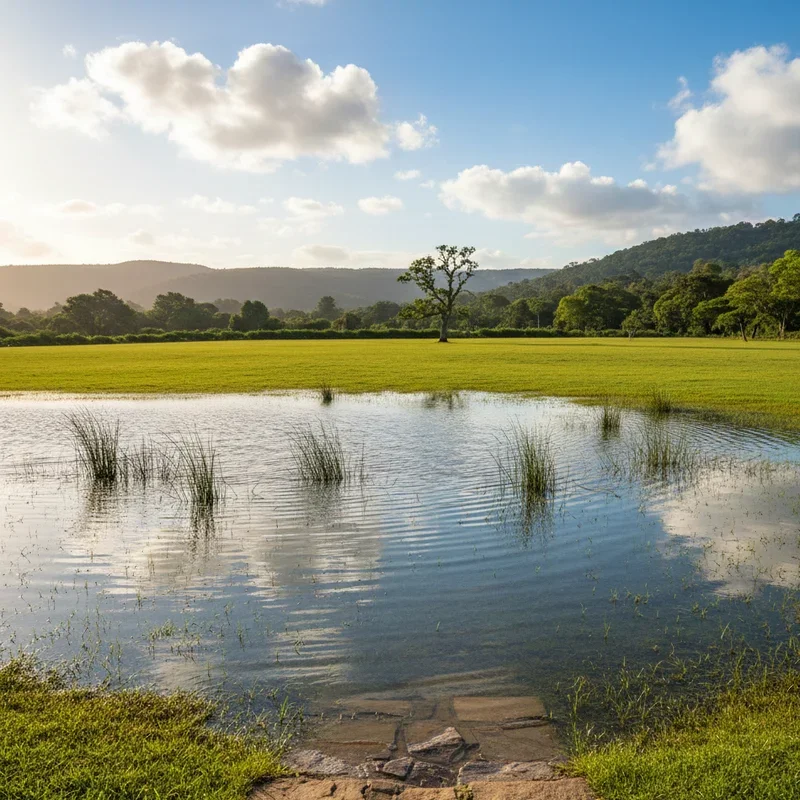
Let's get down to brass tacks. Soggy soil is basically a welcome mat for mushrooms, so improving drainage works wonders. If water tends to pool in certain spots, you've found a prime breeding ground. Start by aerating your lawn to break up compaction and let air flow freely. You can rent a core aerator or use a simple garden fork for smaller patches. Filling low areas with quality topsoil also helps water spread evenly instead of collecting. Honestly, tackling drainage is one of the smartest moves you can make. Dry out those damp zones, and mushrooms will lose their cozy little hideaways in no time flat.
Let the Sunshine In
Mushrooms absolutely adore the shade, so flooding your lawn with light gives them the boot. Take a good look at your yard and figure out which areas stay gloomy throughout the day. Overhanging branches are often the main offenders here. Trimming back trees and bushes opens up the canopy, letting glorious sunlight pour through. Not only does this discourage fungal growth, but it also gives your grass a healthy boost. After all, grass loves sunshine just as much as mushrooms hate it. So grab those pruning shears and let nature's spotlight shine. Your lawn will thank you, and the mushrooms? Well, they'll be far less thrilled.
How to Stop Mushrooms Growing in Lawn Naturally Through Smart Watering
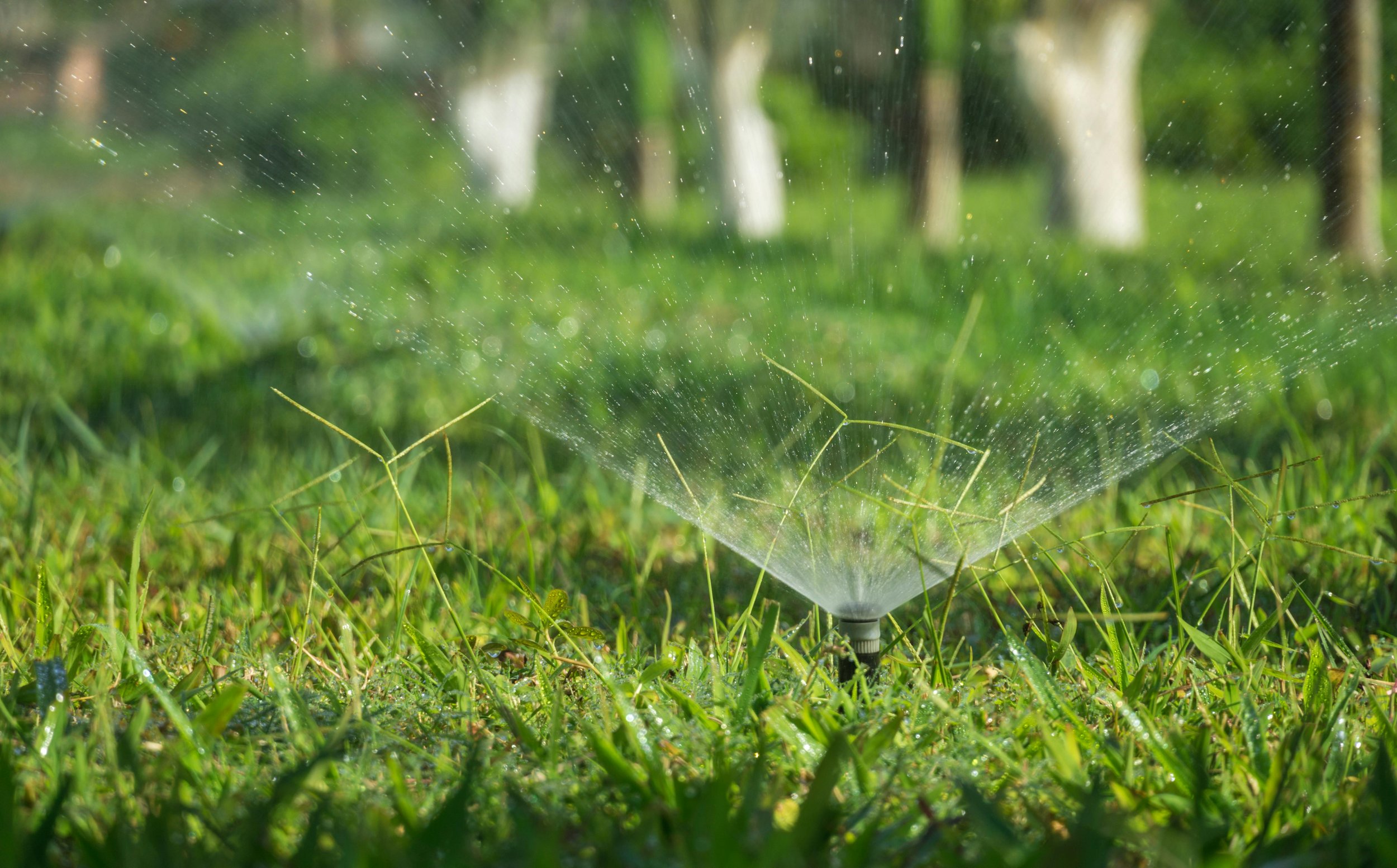
Here's a biggie that catches loads of folks off guard: watering habits. Overwatering practically rolls out the red carpet for fungi. Instead of sprinkling a little every single day, water deeply but less often. This encourages your grass roots to grow strong while keeping the surface drier. Aim to water early in the morning so the sun can evaporate any excess moisture. Watering at night? That's a recipe for a damp, mushroom-friendly disaster. Trust me, adjusting your watering schedule makes a massive difference. By letting your lawn dry out between drinks, you'll naturally starve mushrooms of the moisture they crave so desperately.
Rake Away the Debris
Sometimes the simplest solutions pack the biggest punch. Mushrooms feast on decaying organic matter, so clearing away debris cuts off their food supply. Fallen leaves, grass clippings, and twigs all become tasty snacks for hungry fungi. Make it a habit to rake your lawn regularly, especially during autumn when leaves pile up fast.
Keep an eye out for these debris culprits:
Piles of grass clippings left behind after mowing sessions.
Accumulated leaves rotting in shady corners of the yard.
Buried wood or roots from old trees or removed stumps.
Thick thatch layers building up between the soil and grass.
Once you've cleared the buffet, mushrooms won't have much reason to stick around. A tidy lawn really is a less inviting one for these unwanted guests.
Dethatch and Aerate Your Lawn
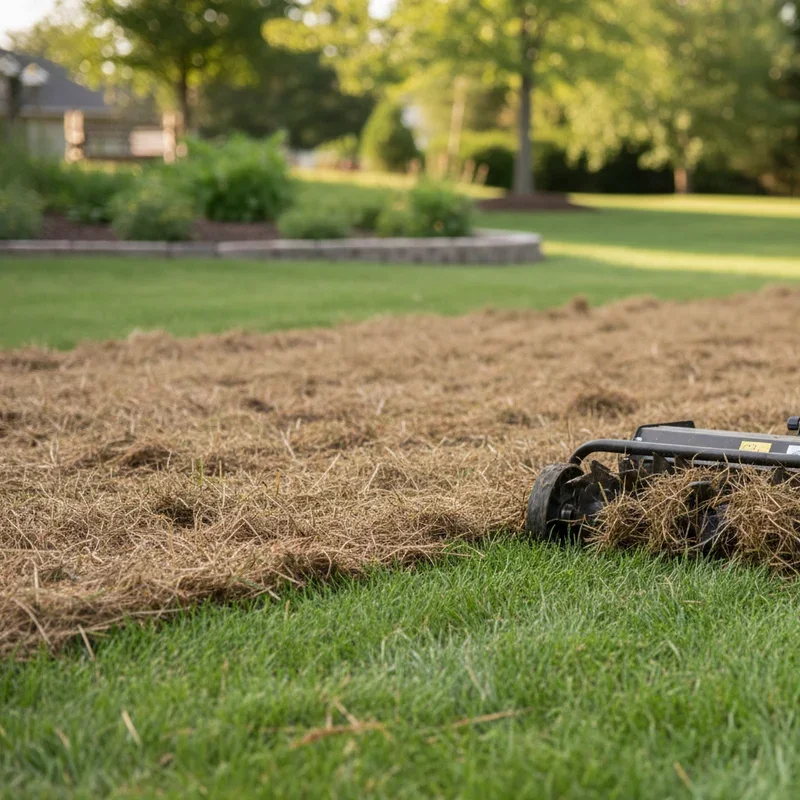
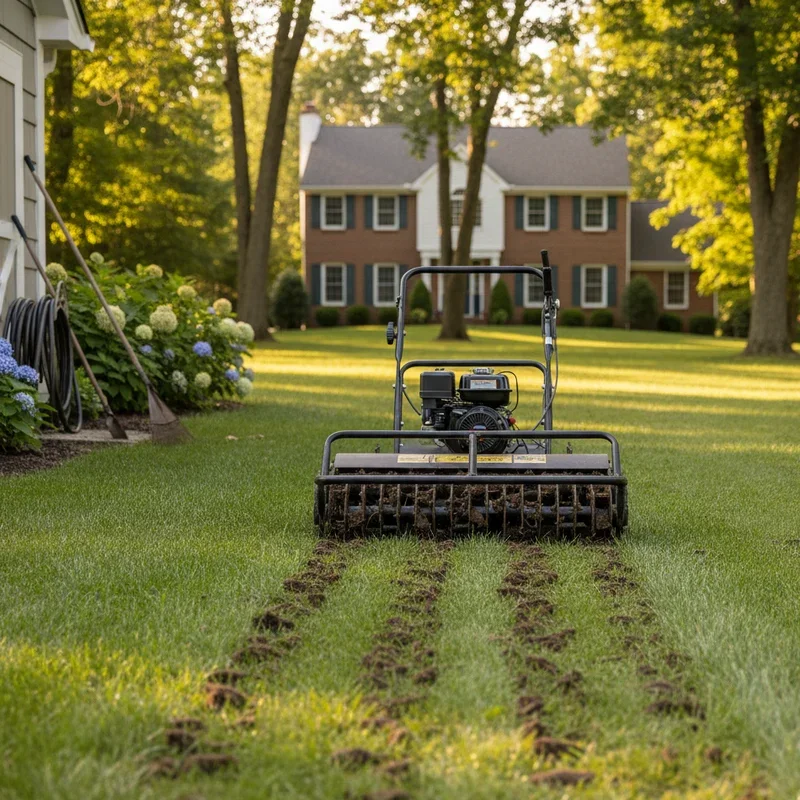
Now, let's talk about thatch, that pesky layer of dead grass and roots that piles up over time. When thatch gets too thick, it traps moisture and creates the perfect mushroom nursery. Dethatching removes this buildup, allowing your lawn to breathe and dry properly. You can use a dethatching rake for small areas or rent a power dethatcher for bigger jobs. Pair this with aeration, and you've got a powerful one-two punch. Aerating pokes holes that improve airflow and water absorption deep down. Together, these tasks transform compacted, soggy soil into a healthy environment where grass thrives and mushrooms struggle to gain a foothold.
Natural Remedies Worth Trying
Looking for some gentle, homegrown solutions? Mother Nature offers a few tricks that won't harm your lawn or the environment. These remedies are easy on the wallet and kind to the planet, which is a win-win in my book.
Give these natural fixes a shot:
Baking soda solution sprinkled or sprayed to raise soil pH slightly.
Vinegar spray applied directly to mushrooms, though use it sparingly near grass.
Dish soap and water mixture to dry out and disrupt fungal growth.
Cornmeal spread over affected areas to combat fungus over time.
Remember, these work best as part of a bigger plan rather than standalone miracles. Combine them with good lawn care, and you'll see the difference. Patience pays off here, so don't expect overnight results.
Hand-Pulling: The Old-Fashioned Way
Sometimes you've just gotta roll up your sleeves and get hands-on. Pulling mushrooms by hand is straightforward and surprisingly satisfying. While it won't kill the underground network, it does prevent them from releasing spores that spread the problem. Do this as soon as you spot them, ideally before they fully mature. Toss the picked mushrooms in the trash rather than your compost pile, since composting might just spread spores around. Wear gloves to keep your hands clean, and consider it a quick morning chore. Sure, it's a bit tedious, but staying on top of it keeps your lawn looking sharp between deeper treatments.
How to Stop Mushrooms Growing in Lawn Naturally With Proper Mowing
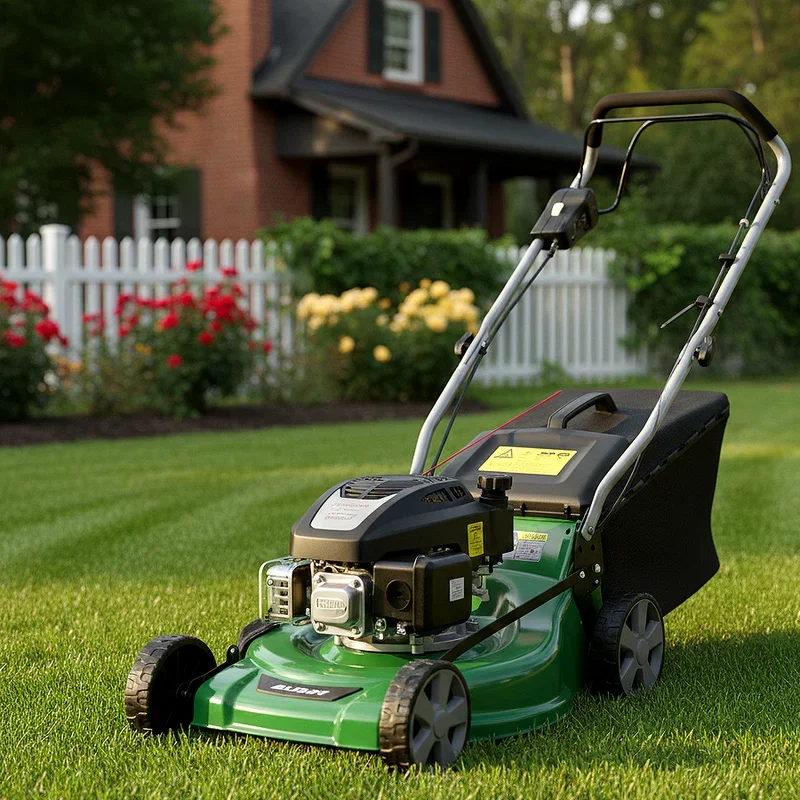
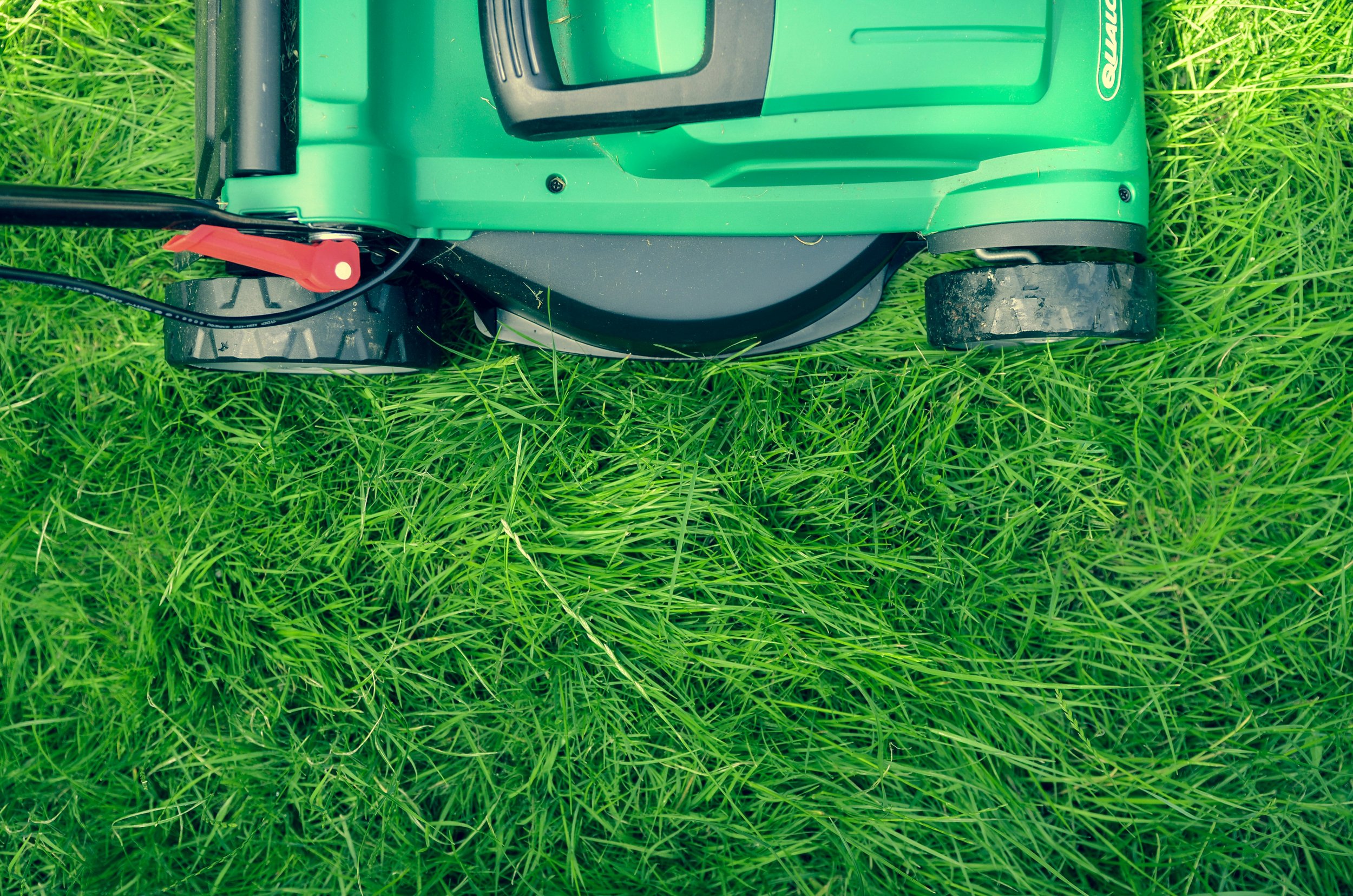
Believe it or not, your mowing routine plays a sneaky role in mushroom control. Cutting your grass at the right height keeps it healthy and resilient against fungal invaders. Mow too short, and you stress the grass, leaving gaps where mushrooms can sneak in. Keep your mower blades sharp, because ragged cuts invite disease. Also, collect those clippings instead of letting them rot on the surface. A well-maintained mowing schedule encourages thick, vigorous turf that crowds out unwanted fungi. Think of healthy grass as your frontline defense. When your lawn is dense and thriving, mushrooms find it tough to muscle their way into the neighborhood.
Improving Soil Health for the Long Haul
If you really want lasting results, focus on nurturing your soil from the ground up. Healthy soil supports robust grass that naturally resists fungal takeovers. Adding compost in moderation enriches the earth without piling on decaying matter that mushrooms love. Testing your soil's pH helps you understand what adjustments it needs to flourish. Sometimes a balanced fertilizer gives your grass the nutrients it craves to outcompete fungi. The goal here is creating an environment where grass wins the turf war. It's a marathon, not a sprint, but cultivating rich, balanced soil pays dividends for years. Strong roots truly make all the difference.
When Mushrooms Just Won't Quit
Alright, let's be real for a sec. Sometimes, despite your best efforts, mushrooms keep coming back like a bad penny. If you've tried everything and they're still throwing a fungal fiesta, the issue might run deeper. Buried wood or large decaying roots beneath the surface can fuel persistent growth for ages. In stubborn cases, you may need to dig up the source entirely. For especially troublesome spots, consider replacing the affected soil and reseeding. Don't beat yourself up if it takes a while, because tackling underground decay is no walk in the park. Persistence and patience usually win this battle eventually, so hang in there.
Conclusion
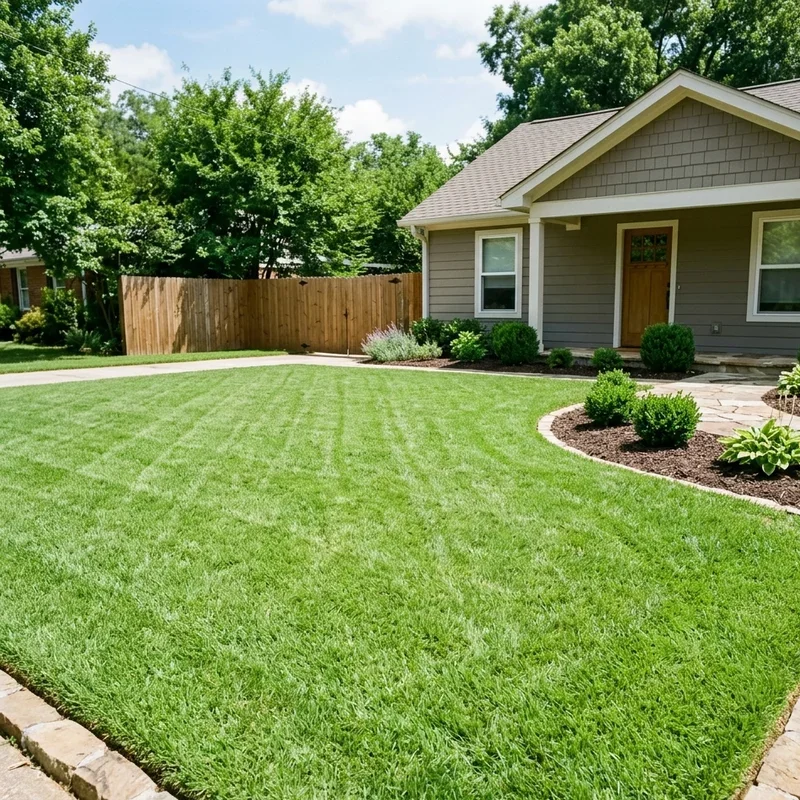
So there you have it, the complete lowdown on how to stop mushrooms growing in lawn naturally. By improving drainage, letting in sunlight, watering wisely, and clearing debris, you'll create a lawn where fungi simply can't thrive. Toss in some natural remedies and good mowing habits, and you're golden. Remember, mushrooms are a symptom of underlying conditions, so fixing those issues is key. Stay patient and consistent, and your grass will reward you with lush, healthy beauty. Now go reclaim your yard, one mushroom-free morning at a time!
Read next: How to Remove Thatch From Lawn for Healthier Grass
Frequently Asked Questions
1.Are lawn mushrooms harmful to my grass?
Not usually; they actually indicate healthy soil but can look unsightly on lawns.
2.Will mushrooms in my lawn go away on their own?
Often yes, especially once the weather dries out and moisture levels drop significantly.
3.Is it safe to touch lawn mushrooms?
Touching is generally fine, but wash your hands afterward and never eat unidentified ones.
4.Does removing mushrooms stop them from spreading?
Hand-pulling helps prevent spores spreading, though it won't kill the underground fungal network.
5.How long does it take to eliminate lawn mushrooms naturally?
It varies, but consistent care usually shows results within a few weeks to months.
Stay up to date with our latest ideas!