Do You Need to Shock a Salt Water Pool? What to Know
Learn do you need to shock a salt water pool and what to know about proper maintenance. Discover when, why, and how to shock effectively.
So you've made the switch to a salt water pool, or maybe you're considering one, and somewhere along the way you heard that these magical pools basically take care of themselves. No more harsh chemicals, no more regular shocking, just pristine water that practically maintains itself. Sounds like the dream, right?
Well, hold your horses there. While salt water pools definitely come with some fantastic advantages and require less hands-on maintenance than traditional chlorine pools, the idea that they never need shocking is one of the biggest misconceptions floating around pool ownership circles.
Here's the reality that many pool owners learn the hard way. Salt water pools generate their own chlorine through the salt chlorinator system, which is absolutely true and wonderful. But that steady chlorine production doesn't always handle every situation that arises. Heavy swimmer loads, algae blooms, contamination events, and other challenges sometimes demand a more aggressive approach.
Understanding do you need to shock a salt water pool and what to know about this process saves you from green water surprises, cloudy conditions, and frustrating chemistry problems. The answer isn't a simple yes or no but depends on circumstances you need to recognize and respond to appropriately.
This comprehensive guide breaks down everything salt water pool owners should understand about shocking. We'll explore when it becomes necessary, how it differs from shocking traditional pools, what methods work best, and how to maintain that beautiful crystal-clear water you invested in.
Let's dive into the details and clear up the confusion once and for all.
How Salt Water Pools Actually Work
Understanding your pool's chlorine generation helps clarify why shocking sometimes becomes necessary.
The Salt Chlorinator System
Salt water pools aren't chlorine-free, despite common misconceptions. They simply produce chlorine differently than traditional pools.
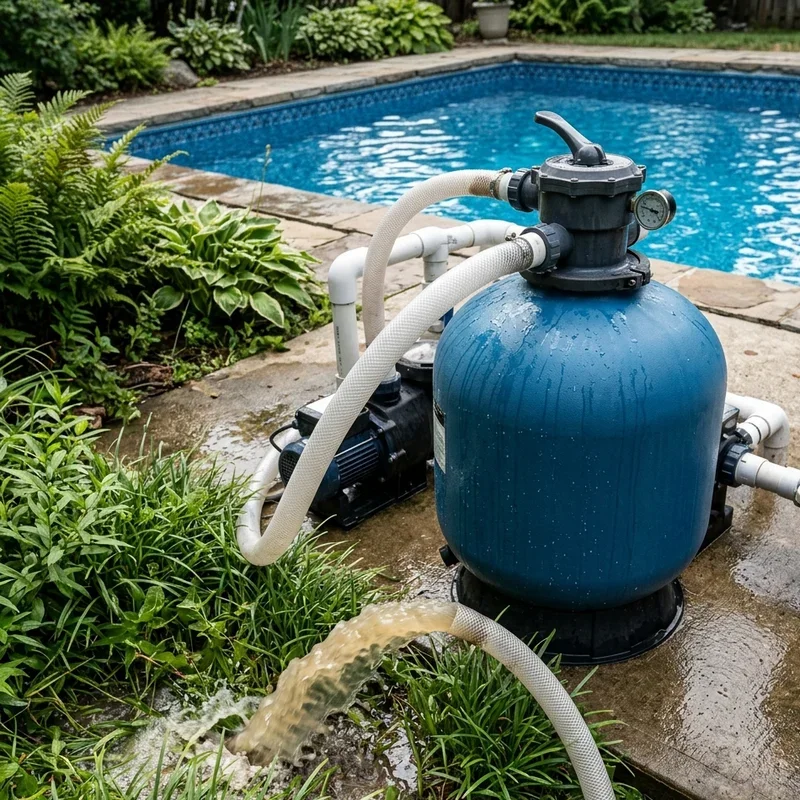
The salt chlorinator, or salt cell, converts dissolved salt into chlorine through a process called electrolysis. As water passes through the cell, an electrical charge breaks down salt molecules, releasing chlorine into the water.
This process creates a steady, continuous chlorine supply that sanitizes your pool without requiring you to manually add chlorine tablets or liquid. The chlorine does its job killing bacteria and algae, then converts back to salt, and the cycle continues.
Chlorine Levels in Salt Water Pools
Ideal chlorine levels remain the same regardless of how that chlorine gets into the water.
Salt water pools should maintain free chlorine levels between one and three parts per million, identical to traditional pools. The method of chlorine delivery differs, but the chemistry requirements don't.
The salt chlorinator typically maintains these levels under normal conditions. Problems arise when something overwhelms the system's production capacity or creates chlorine demand exceeding normal output.
The Continuous Generation Advantage
Having chlorine produced around the clock provides genuine benefits.
Unlike traditional pools where chlorine levels spike after treatment then gradually decline, salt water pools maintain more consistent levels. This consistency can mean less shocking is needed overall.
However, continuous generation doesn't mean unlimited generation. Salt cells have maximum output capacities, and certain situations exceed what they can handle alone.
Do You Need to Shock a Salt Water Pool? What to Know About When
Several situations call for shocking even well-maintained salt water pools.
After Heavy Pool Use
Pool parties, family gatherings, and heavy swimming activity introduce contaminants faster than your salt cell can neutralize them.
Swimmers bring sweat, sunscreen, body oils, and other organic matter into the water. Each person adds chlorine demand, and when multiple swimmers use the pool for extended periods, that demand can overwhelm normal chlorine production.
Shocking after significant swimmer loads helps the pool recover quickly rather than struggling for days to catch up.
Algae Problems
Green, yellow, or black algae outbreaks require immediate aggressive treatment that continuous chlorination can't provide.
Algae reproduce rapidly once established, quickly outpacing what your salt cell produces. Waiting for normal chlorination to handle an algae bloom means watching the problem worsen daily.
Shocking delivers the concentrated chlorine punch needed to kill algae before it takes over. Follow-up with proper sanitization prevents recurrence.
Contamination Events
Accidents happen, and some situations demand immediate chemical intervention.
Fecal contamination, vomit, excessive debris, and other contamination events create health risks requiring rapid response. Your salt cell, running at normal levels, can't address these emergencies quickly enough.
Health codes exist for good reason. Proper shocking following contamination protects swimmers from potentially dangerous pathogens.
Opening the Pool
Springtime pool opening typically requires shocking regardless of your pool type.
Winter covers, despite their protective intent, don't prevent all problems. Organic matter accumulates, water chemistry drifts, and various issues develop during months of dormancy.
Shocking at opening establishes proper sanitization levels before anyone swims. Starting the season right prevents problems from following you all summer.
Persistent Cloudy Water
Cloudy water that doesn't clear with normal filtration and circulation often indicates chloramine buildup or organic contamination.
Combined chlorine, or chloramines, form when chlorine binds with nitrogen compounds from sweat, urine, and other organic matter. This used-up chlorine creates that distinctive pool smell people mistakenly attribute to too much chlorine.
Shock treatment breaks down chloramines, converting combined chlorine back to free chlorine that can actually sanitize.
Do You Need to Shock a Salt Water Pool? What to Know About Methods
Different approaches exist for shocking salt water pools.
Traditional Chlorine Shock
Standard pool shock products work perfectly well in salt water pools.
Calcium hypochlorite shock delivers a rapid chlorine boost that raises levels quickly. This granular product dissolves in water and immediately begins working.
Be aware that calcium hypochlorite adds calcium to your water. In areas with hard water, this gradual calcium accumulation might become a concern over time.
Dichlor Shock
This stabilized chlorine shock offers some advantages for salt water pools.
Dichlor contains cyanuric acid, which protects chlorine from UV degradation. This can be beneficial if your stabilizer levels run low.
However, repeatedly using dichlor adds cyanuric acid each time. Monitor stabilizer levels carefully to avoid over-stabilization, which reduces chlorine effectiveness.
Non-Chlorine Shock
Potassium monopersulfate, commonly called MPS or non-chlorine shock, provides an alternative approach.
This oxidizer doesn't add chlorine but destroys organic contaminants and breaks down chloramines. It's useful for addressing cloudy water and swimmer waste without dramatically spiking chlorine levels.
Non-chlorine shock allows swimming within fifteen minutes of treatment, making it convenient for busy pools.
Using the Super Chlorinate Feature
Many salt chlorinators include a boost or super chlorinate function.
This feature temporarily increases chlorine production to maximum output, essentially shocking the pool using the existing system rather than adding external products.
Super chlorination works well for minor issues and routine maintenance but may not deliver enough punch for serious problems like algae blooms.
Proper Shocking Procedure
Effective shocking requires more than just dumping chemicals in the water.
Testing First
Always test your water before shocking to understand what you're working with.
Know your current free chlorine, combined chlorine, pH, and stabilizer levels. These readings help you determine how much shock to use and whether other adjustments are needed.
pH particularly matters because chlorine works most effectively when pH falls between seven point two and seven point six. Shocking with high pH wastes product and reduces effectiveness.
Calculating Proper Dosage
Follow product instructions, but understand your specific situation might require adjustments.
Manufacturer recommendations assume average conditions. Heavy algae blooms, severe contamination, or particularly large pools might need higher doses than standard directions suggest.
When in doubt, err slightly higher rather than lower. Under-shocking often means repeating the process, wasting time and product.
Application Timing
Evening application maximizes effectiveness since sunlight degrades chlorine rapidly.
Adding shock after sunset gives the chlorine all night to work before UV exposure begins reducing levels. This timing particularly matters with unstabilized chlorine products.
Run your pump during shocking to ensure proper distribution throughout the pool.
Post-Shock Monitoring
Check chlorine levels before allowing swimming after shocking.
Free chlorine should return to normal ranges, typically below five parts per million and ideally between one and three, before swimmers enter the water.
Test combined chlorine as well to confirm the shock successfully oxidized chloramines.
Common Shocking Mistakes
Avoid these errors that reduce effectiveness or create problems.
Shocking in Direct Sunlight
Daytime shocking wastes chlorine as UV rays degrade it rapidly.
Morning or midday application means significant chlorine loss before it can do its job. Always shock in the evening unless using stabilized products and facing an emergency.
Ignoring pH Levels
High pH dramatically reduces chlorine effectiveness.
Chlorine exists in different forms depending on pH, and the most effective form dominates at lower pH levels. Shocking a pool with pH above eight means most of your product is working at reduced efficiency.
Test and adjust pH before shocking whenever possible.
Insufficient Dosage
Going light on shock to save money often backfires.
Partial treatment might knock algae back without killing it completely. The surviving algae develop resistance and bounce back harder than before.
When shocking for problems, use sufficient product to handle the situation properly the first time.
Forgetting to Brush
Shocking alone doesn't remove algae clinging to surfaces.
Brush walls, floors, and other surfaces before shocking to break up algae colonies and expose them to the chlorine. Algae hiding in biofilm layers resist treatment unless physically disrupted.
Adding Shock Through the Skimmer
Concentrated chlorine products can damage equipment if poured directly into skimmers.
The high concentration passing through your pump, filter, and heater creates corrosion risks. Instead, broadcast shock across the water surface or pre-dissolve in a bucket before pouring around the pool perimeter.

Reducing Shocking Frequency
Proactive maintenance minimizes how often shocking becomes necessary.
Maintain Proper Salt Levels
Your chlorinator works optimally within specific salt ranges, typically between two thousand eight hundred and four thousand parts per million depending on the system.
Low salt reduces chlorine production efficiency. High salt can damage equipment and doesn't improve performance.
Test salt levels monthly and adjust as needed to keep your system running at peak efficiency.
Run the System Adequately
Chlorine generation only happens when water flows through the salt cell.
Many pool owners reduce pump runtime to save electricity but sacrifice chlorination in the process. Run your system long enough to filter all pool water and generate sufficient chlorine daily.
During hot weather or heavy use periods, extended runtime may be necessary.
Clean the Salt Cell Regularly
Scale buildup on cell plates reduces efficiency dramatically.
Inspect your cell monthly and clean it when calcium deposits appear. Most systems recommend cleaning two to four times per season depending on water hardness and usage.
A clean cell generates more chlorine, reducing the need for supplemental shocking.
Shower Before Swimming
Encouraging swimmers to rinse off before entering reduces contaminant load significantly.
Sunscreen, sweat, and body oils all create chlorine demand. Quick pre-swim showers remove much of this before it enters your pool.
Maintain Balanced Chemistry
Overall water balance affects chlorine effectiveness and demand.
Proper pH, alkalinity, calcium hardness, and stabilizer levels all contribute to chlorine's ability to sanitize efficiently. Neglecting other chemistry parameters means your chlorine works harder with less effect.
Conclusion
Understanding do you need to shock a salt water pool and what to know about this essential maintenance task protects your investment and ensures safe, enjoyable swimming. While salt water pools require less frequent shocking than traditional pools, certain situations absolutely demand this treatment including algae outbreaks, heavy swimmer loads, and contamination events. Proper technique maximizes effectiveness while avoiding common mistakes that waste product or create additional problems. Regular maintenance and attention to water chemistry minimize shocking needs while maintaining that crystal-clear water you love.
Read next: How Long Do Pool Covers Last? Lifespan and Factors
Frequently Asked Questions
1.How often should I shock my salt water pool under normal conditions?
Monthly shocking typically suffices for well-maintained salt water pools during swimming season without problems.
2.Can I use regular pool shock in my salt water pool?
Yes, standard chlorine shock products work perfectly well in salt water pools without causing damage.
3.Does the super chlorinate feature replace the need for traditional shocking?
Super chlorination handles minor issues but may not deliver sufficient power for serious problems.
4.How long after shocking can swimmers safely enter the pool?
Wait until free chlorine drops below five parts per million, typically eight to twenty-four hours.
5.Will shocking damage my salt chlorinator cell?
No, proper shocking doesn't damage salt cells, though extremely high chlorine levels warrant temporary system shutdown.
Stay up to date with our latest ideas!