How Long Does a Pool Filter Last? Lifespan Guide
Discover how long does a pool filter last in this lifespan guide. Learn maintenance tips, replacement signs, and ways to extend filter life.

Let's be honest for a second. Nobody really thinks about their pool filter until something goes wrong. Maybe the water looks a little cloudy, or the pressure gauge starts acting up, and suddenly you're wondering if that trusty filter has finally called it quits. It's one of those behind-the-scenes heroes that keeps your pool sparkling clean, yet it rarely gets the appreciation it deserves.
If you've landed here, chances are you're curious about how long your pool filter should actually last, or maybe you're trying to figure out if yours is on its last legs. Either way, you're in the right place. This How Long Does a Pool Filter Last? Lifespan Guide is going to walk you through everything you need to know, from the different types of filters to the sneaky factors that can shorten their lifespan. We'll also cover maintenance tricks that can help you squeeze every last bit of life out of your filter before it's time to say goodbye.
So grab a cold drink, pull up a chair by the pool, and let's dive right in.
Understanding Pool Filter Types and Their Lifespans
Before we can talk about how long a filter lasts, we need to talk about what kind of filter you've got. Not all pool filters are created equal, and the type you own plays a massive role in how many years you'll get out of it. There are three main players in the pool filter game, and each one brings something different to the table.
Sand Filters
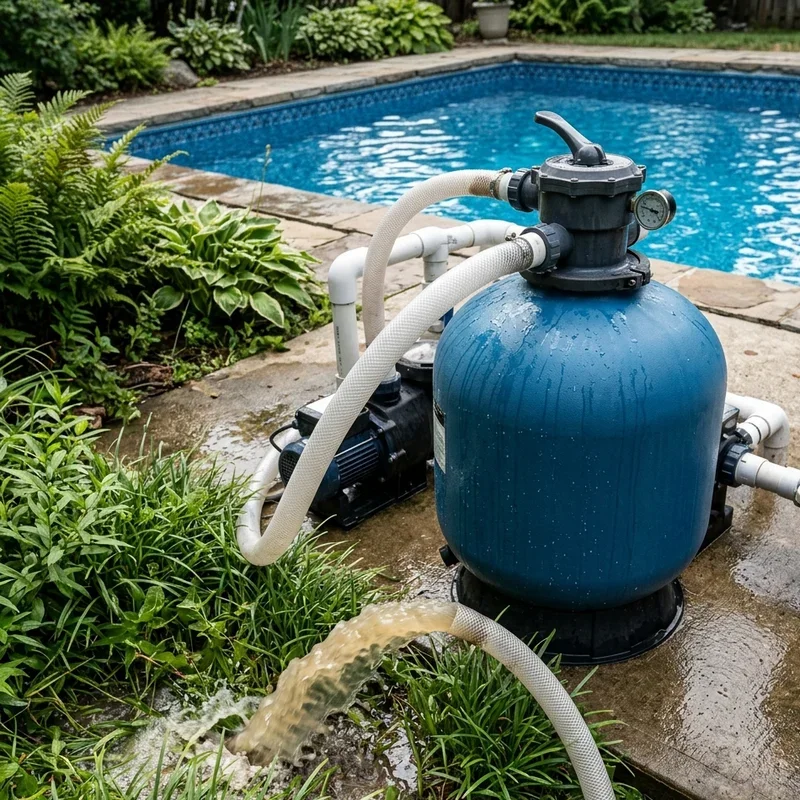
Sand filters are the old reliable of the pool world. They've been around for ages, and plenty of pool owners swear by them. Inside the tank, specially graded sand traps dirt and debris as water passes through. They're pretty low maintenance compared to other options, which makes them a popular choice for folks who don't want to fuss around too much.
On average, the sand inside these filters needs replacing every five to seven years. However, the actual tank and mechanical components can last significantly longer, sometimes up to fifteen years or more if you treat them well. The beauty of sand filters is their simplicity. There aren't a ton of moving parts that can break down, so they tend to be workhorses that just keep chugging along. That said, if you neglect backwashing or let the sand get too compacted, you could be looking at problems much sooner than expected.
Cartridge Filters
Cartridge filters have become increasingly popular over the past couple of decades, and it's not hard to see why. They offer excellent filtration, they're energy efficient, and they don't require backwashing, which saves water. The filter cartridge itself is a pleated polyester element that catches particles as small as ten to fifteen microns.
A single cartridge typically lasts between two and three years with proper care, though some pool owners report getting up to five years out of high quality cartridges. The overall filter housing unit can last a decade or longer. The catch is that cartridges need regular cleaning, usually every few months, and they're more sensitive to chemical imbalances in your pool water. If you're running your pool with wildly unbalanced chemistry, you'll burn through cartridges faster than you'd like.
Diatomaceous Earth Filters
DE filters, as most people call them, are the gold standard when it comes to filtration quality. They can filter out particles as tiny as three to five microns, which is pretty remarkable. They use a powder made from fossilized diatoms that coats internal grids, creating an incredibly fine filtering surface.
The grids inside a DE filter generally last anywhere from seven to ten years with proper maintenance. The filter tank itself can push past fifteen years if it's well maintained. DE filters do require the most upkeep of the three types, including regular backwashing and recharging with fresh DE powder. They're a bit more hands on, but if crystal clear water is your top priority, they're tough to beat.
Key Factors That Affect Your Pool Filter's Lifespan
Now that you know the basics of each filter type, let's talk about what can make your filter last longer or, unfortunately, give out sooner. There are quite a few variables at play here, and understanding them can save you a lot of headaches down the road.
Pool Usage and Swimmer Load
This one's pretty straightforward. The more people swimming in your pool, the harder your filter has to work. A pool that sees heavy daily use is going to put way more strain on the filter than one that only gets used on weekends. Body oils, sunscreen, hair products, and just plain old dirt from swimmers all add up quickly. If you're hosting pool parties every other weekend, don't be surprised if your filter needs attention sooner than the manufacturer suggests.
Water Chemistry and Chemical Balance
Here's where things get a little tricky. Your pool's chemical balance has a direct and significant impact on filter longevity. Water that's too acidic can corrode metal components and break down filter media faster. Water that's too alkaline can cause calcium buildup that clogs filter elements and reduces efficiency. Keeping your pH, alkalinity, and calcium hardness in the proper ranges isn't just about keeping swimmers comfortable. It's about protecting your equipment too.
Chlorine levels also matter. Running your chlorine too high on a consistent basis can degrade cartridge material and damage DE grids over time. It's all about finding that sweet spot and maintaining it consistently.
Environmental Factors
Where you live can have a surprising effect on your pool filter's lifespan. Pools in areas with lots of trees, pollen, or dust are going to see heavier debris loads, which means the filter works overtime. Coastal areas bring salt air and sometimes sand, both of which can be tough on equipment. Even your local climate plays a role. Pools in regions with long swimming seasons simply run more hours per year, which naturally leads to more wear and tear.
Maintenance Habits
This is the big one, folks. Hands down, the single most important factor in how long your pool filter lasts is how well you maintain it. Regular cleaning, timely backwashing, and consistent water chemistry checks can add years to your filter's life. On the flip side, neglecting these tasks is practically a guarantee that you'll be shopping for a replacement sooner than you'd hoped.
Signs Your Pool Filter Needs Replacing
Even the best maintained filter won't last forever. Knowing when it's time to replace yours can save you from dealing with green, murky water or a full blown equipment failure. Here are some telltale signs that your filter is reaching the end of its useful life.
The pressure gauge consistently reads eight to ten PSI above the normal clean operating pressure, even right after cleaning or backwashing.
Your pool water stays cloudy or has a greenish tint despite proper chemical treatment and regular filtration cycles.
You notice cracks, tears, or visible deterioration in cartridge elements, DE grids, or the filter tank itself.
The filter seems to require cleaning far more frequently than it used to, sometimes every few days instead of every few weeks.
You spot DE powder or sand blowing back into the pool through the return jets, which indicates broken internal components.
Water flow has decreased noticeably, and your pump seems to be working harder than normal to push water through the system.
If you're experiencing several of these issues at once, it's probably time to start shopping rather than throwing more money at repairs.

How to Extend the Life of Your Pool Filter
Alright, so we've covered what can go wrong. Now let's focus on the good stuff. There are plenty of things you can do to help your filter live a long and productive life. Think of it as preventive medicine for your pool equipment.
Stick to a Regular Cleaning Schedule
This might sound obvious, but you'd be amazed how many pool owners skip regular filter cleanings. For cartridge filters, pull them out and hose them down every four to six weeks during swimming season. Sand filters need backwashing when the pressure gauge rises about eight to ten PSI above normal. DE filters need backwashing and recharging with fresh powder on a similar schedule. Consistency is key here. A little bit of regular effort goes a long way toward preventing big problems.
Keep Your Water Chemistry Balanced
We touched on this earlier, but it bears repeating. Testing your water at least once a week and making adjustments as needed is one of the simplest ways to protect your filter. Keep your pH between 7.2 and 7.6, your alkalinity between 80 and 120 parts per million, and your calcium hardness between 200 and 400 parts per million. These ranges help prevent both corrosion and scale buildup, both of which are enemies of filter longevity.
Use a Pool Cover
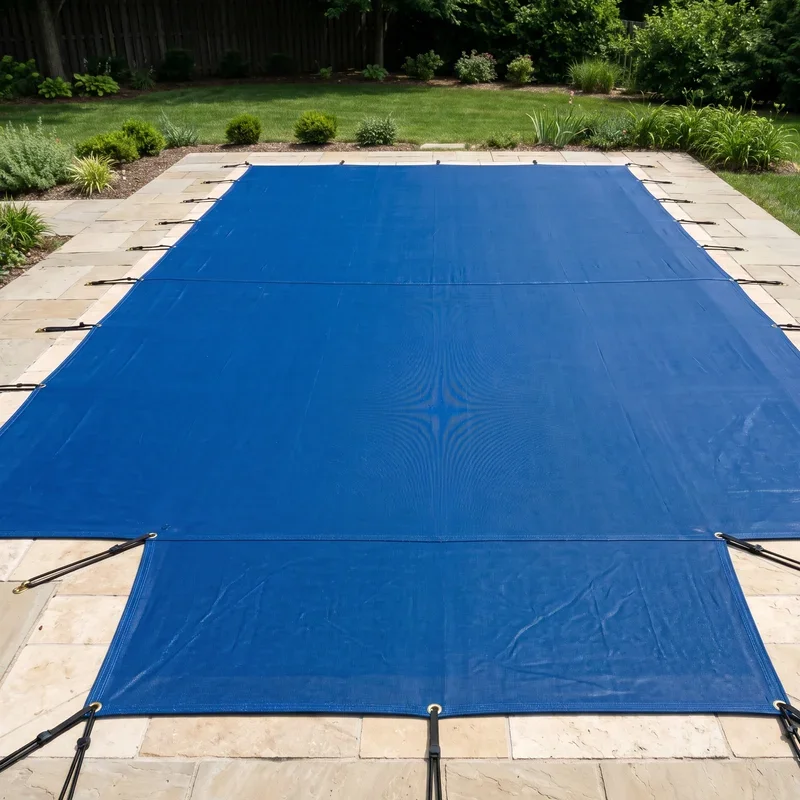
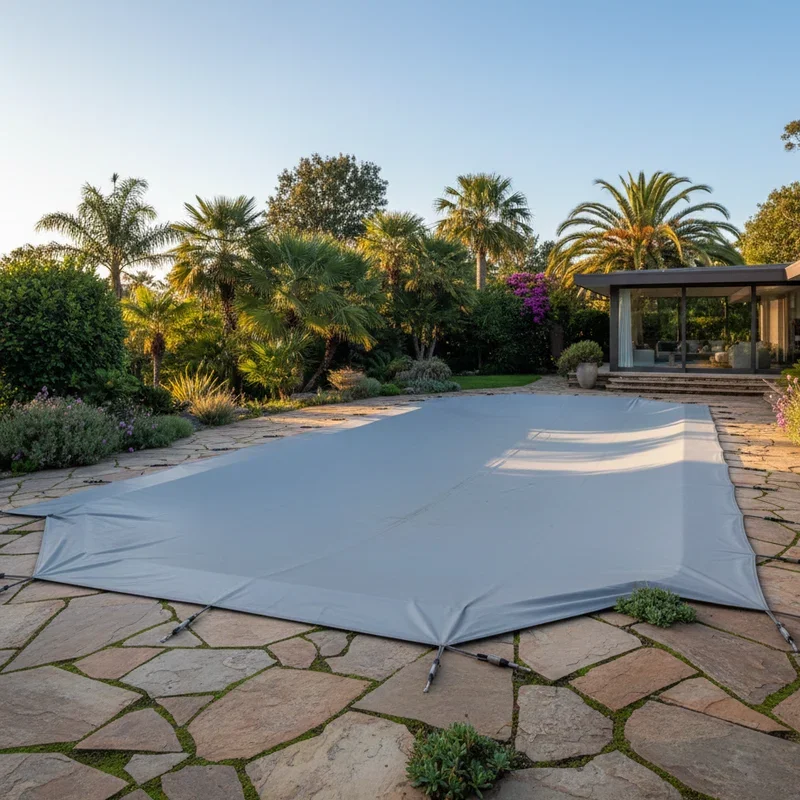
A quality pool cover is one of the best investments you can make. It keeps leaves, debris, insects, and dirt out of your pool when it's not in use, which means less work for your filter. Less debris equals less strain, and less strain equals a longer lifespan. It's simple math, really. Plus, a cover helps reduce water evaporation and chemical loss, so it's a win on multiple fronts.
Run Your Pump the Right Amount
Running your pump too much puts unnecessary wear on your filter. Running it too little means the water isn't getting filtered properly, which can lead to buildup and other issues. Most experts recommend running your pump long enough to turn over all the water in your pool at least once per day, which usually works out to about eight to twelve hours depending on your pool size and pump capacity. Finding the right balance keeps your filter working efficiently without overworking it.
Don't Ignore Small Problems
A tiny crack in a cartridge or a small leak in a DE grid might not seem like a big deal right now, but small problems have a way of turning into big, expensive problems if you let them slide. Address repairs promptly, and you'll often be able to extend the life of your filter system significantly.
How Long Does a Pool Filter Last? Lifespan Guide for Each Component
Let's break things down one more time with a clear look at what you can expect from each component. This How Long Does a Pool Filter Last? Lifespan Guide summary should help you plan ahead for replacements and budgeting.
For sand filters, the sand media itself typically lasts five to seven years, while the tank and valve assembly can push past ten to fifteen years. Cartridge filters see their cartridges lasting two to five years depending on quality and care, with the housing unit going strong for seven to ten years or more. DE filter grids generally hold up for seven to ten years, and the tank can last well over a decade with good maintenance.
Keep in mind that these are general estimates. Your actual results will depend on all those factors we discussed earlier, including usage, water chemistry, environment, and maintenance habits. Treating your filter well is the best way to land on the higher end of these ranges.
When to Repair vs. When to Replace
One of the trickiest decisions pool owners face is figuring out whether to fix what they've got or spring for a new filter altogether. There's no one size fits all answer, but here are some guidelines that might help.
If the repair costs more than half the price of a new filter, replacement usually makes more financial sense. If your filter is already past its expected lifespan and starting to show multiple problems, patching things up is probably just delaying the inevitable. On the other hand, if the issue is minor, like a cracked o-ring or a single damaged grid, and the rest of the filter is in good shape, a simple repair can buy you several more years of service.
Also consider the age of your filter's design. Newer models are often more energy efficient and offer better filtration performance. Sometimes upgrading isn't just about replacing what broke. It's about getting something that works better and costs less to operate over time.
Conclusion
At the end of the day, your pool filter is the unsung hero that keeps your backyard oasis looking its best. Whether you've got a sand, cartridge, or DE filter, proper care and consistent maintenance are the real secrets to getting the most life out of your investment. Pay attention to the warning signs, stay on top of cleaning schedules, and keep that water chemistry dialed in. With a little effort, you can enjoy years of clean, clear water without any nasty surprises. Your pool filter works hard for you, so do it a favor and return the kindness.
Read next: 15 Pool Fence Ideas for a Safe and Stylish Backyard
Frequently Asked Questions
1.How long does a sand pool filter typically last?
A: Sand filters generally last five to seven years before needing sand replacement.
2.Can I extend my cartridge filter's lifespan with regular cleaning?
A: Yes, consistent cleaning every few weeks can significantly extend cartridge filter life.
3.What is the most durable type of pool filter available?
A: DE filters tend to last longest, with grids surviving seven to ten years.
4.How do I know when my pool filter needs immediate replacement?
A: Persistent cloudy water, high pressure readings, and visible damage signal replacement time.
5.Does pool chemistry really affect how long my filter lasts?
A: Absolutely, unbalanced water chemistry accelerates corrosion and shortens filter lifespan significantly.
Stay up to date with our latest ideas!