How Long Do Pool Covers Last? Lifespan and Factors
Discover how long do pool covers last with our guide on lifespan and factors. Learn what affects durability and maximize your investment.
You've invested a pretty penny in your backyard oasis, and protecting that investment just makes good sense. Pool covers serve as the unsung heroes of pool ownership, working tirelessly to keep debris out, retain heat, reduce evaporation, and even provide safety for your family. But like everything else in life, they don't last forever.
Here's the million-dollar question that pool owners eventually find themselves asking: when should you replace that trusty cover that's been shielding your pool for years? Is that fading and slight brittleness normal wear and tear, or is it time to start shopping for a replacement?
The lifespan of a pool cover isn't exactly a one-size-fits-all answer. Some covers wave the white flag after just a few seasons, while others soldier on for over a decade. The difference comes down to a combination of factors including the type of cover you purchased, how you maintain it, and even where you live.
Understanding how long do pool covers last helps you budget appropriately, plan for replacements, and recognize the warning signs that your cover is reaching the end of its useful life. Nobody wants to discover their cover has completely deteriorated right when they need it most, typically at the start of closing season when you're scrambling to winterize.
This comprehensive guide breaks down everything you need to know about pool cover longevity. We'll explore the different types of covers, examine the factors that influence their lifespan, and share tips for squeezing every possible season out of your investment. Let's dive in and figure out what you can realistically expect from your pool cover.
Types of Pool Covers and Their Expected Lifespans
Not all pool covers are created equal, and the type you choose dramatically affects how long it'll serve you.
Solar Pool Covers
Solar covers, sometimes called solar blankets, look like giant sheets of bubble wrap and work by absorbing sunlight to heat your pool water. These lightweight covers float directly on the water's surface, trapping heat while reducing evaporation.
The typical lifespan for a quality solar cover ranges from three to five years. Some owners report getting seven years from premium models, while budget versions might show serious degradation after just two seasons.
The bubble material gradually breaks down from constant UV exposure, chemical contact with pool water, and the repeated rolling and unrolling that comes with regular use. When those bubbles start becoming brittle, cracking, or separating from the backing, your solar cover is telling you it's time for retirement.
Winter Pool Covers
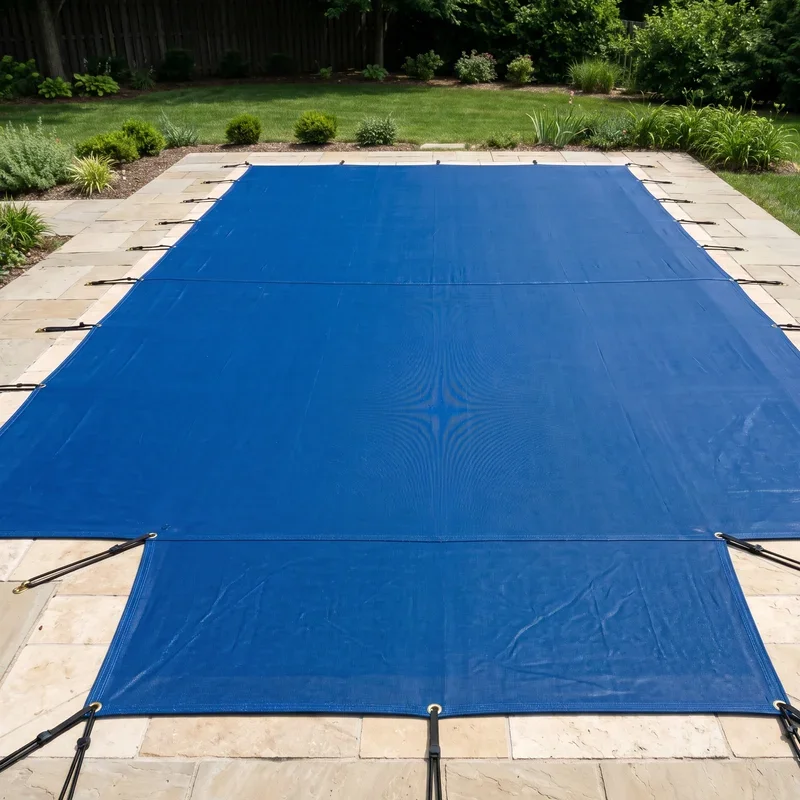
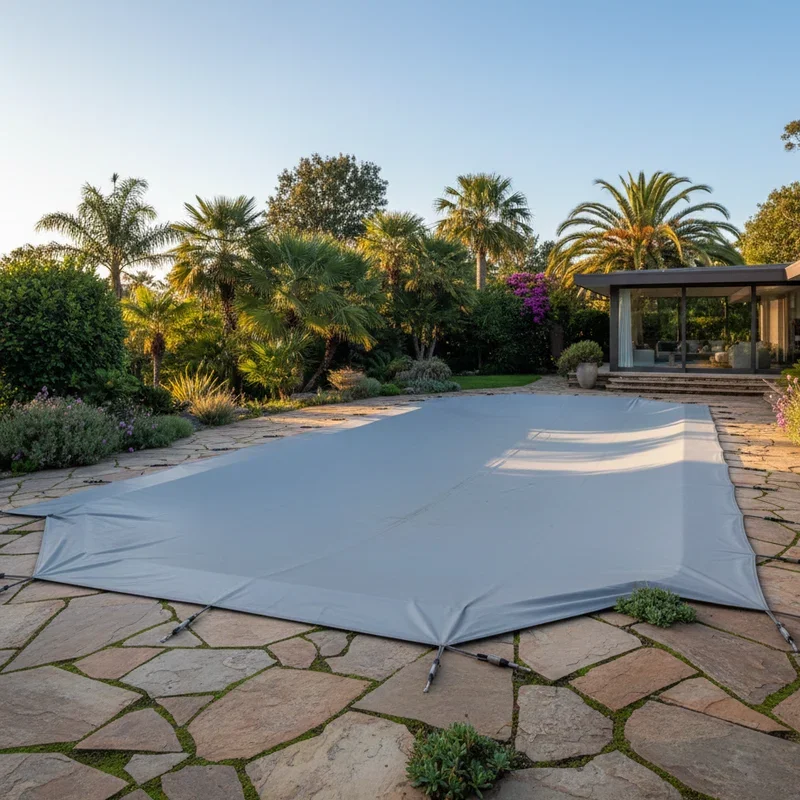
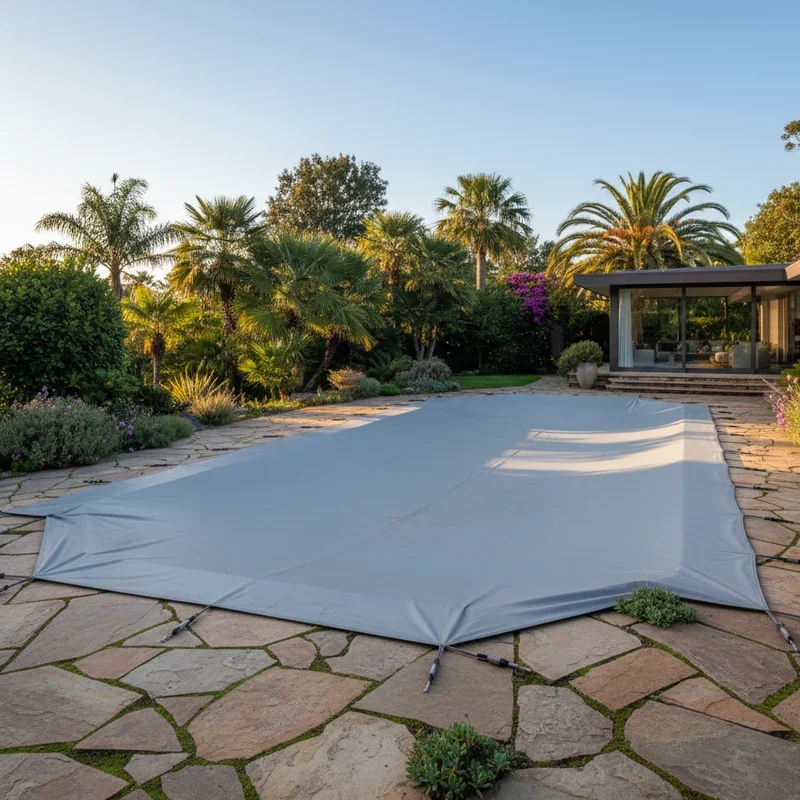
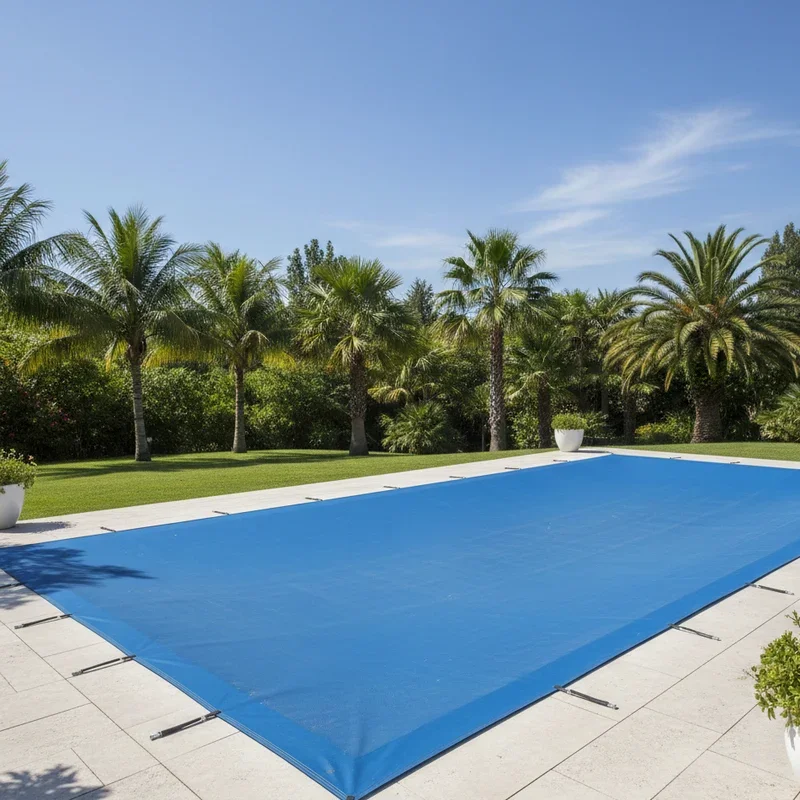
Standard winter covers, those solid or mesh tarps secured around your pool's perimeter, typically last anywhere from five to ten years depending on quality and care.
Solid winter covers provide complete protection from debris and sunlight but require a pump to remove standing water. Mesh covers allow water to drain through while keeping out leaves and larger debris. Both types use similar materials and have comparable lifespans when properly maintained.
Quality construction makes a significant difference here. Covers with reinforced grommets, double-stitched seams, and heavier material weights naturally outlast their bargain-basement counterparts.
Automatic Pool Covers
These motorized systems represent the premium end of the pool cover market, and their longevity reflects that investment. A well-maintained automatic cover system typically lasts ten to fifteen years for the fabric portion, while the mechanical components can serve even longer with proper care.
The fabric panels on automatic covers endure substantial stress from constant deployment and retraction. High-quality vinyl materials resist UV degradation and chemical exposure better than cheaper alternatives.
The tracks, motors, and mechanical components often outlast the fabric itself. Many pool owners replace just the fabric portion once or twice during the overall system's lifespan.
Safety Pool Covers
Designed to support significant weight and prevent accidental drowning, safety covers are built tough. These covers typically last eight to fifteen years, with some premium models serving faithfully for even longer.
The heavy-duty mesh or solid materials used in safety covers resist tearing and degradation better than lighter-weight alternatives. Anchors, springs, and straps may need occasional replacement, but the cover itself often remains serviceable for well over a decade.
How Long Do Pool Covers Last? Lifespan and Factors That Matter Most
Several key factors determine whether your cover lasts three years or thirteen.
UV Exposure Intensity
Sunlight is the number one enemy of pool cover materials. Those ultraviolet rays break down plastics, vinyl, and mesh materials at the molecular level, causing them to become brittle, faded, and weak over time.
Geographic location plays a huge role here. A pool cover in sunny Arizona faces dramatically more UV exposure than one in cloudy Seattle. Altitude matters too, with higher elevations receiving more intense UV radiation.
Covers that spend more time deployed naturally experience more sun damage. Solar covers left floating continuously deteriorate faster than those rolled up when not actively heating the pool.
Chemical Exposure
Pool water isn't exactly gentle on materials. The chlorine, bromine, and other chemicals that keep your water safe and sanitary gradually attack cover materials through constant contact.
Improperly balanced water accelerates this damage significantly. Water that's too acidic or too alkaline attacks cover materials more aggressively than properly maintained water. High chlorine levels also speed up material degradation.
The underside of any cover that contacts pool water experiences this chemical assault continuously. Over time, you'll notice this side of the cover degrading faster than the top surface.
Climate and Weather Conditions
Mother Nature throws a lot at pool covers, and some climates are harder on these products than others.
Extreme temperature swings cause materials to expand and contract repeatedly, eventually leading to cracking and brittleness. Areas with harsh winters followed by hot summers stress covers significantly more than regions with milder, more consistent temperatures.
Heavy snow loads can stretch and damage covers beyond repair in a single season. Wind tears at edges and seams, particularly on improperly secured covers. Hail punctures materials and weakens structural integrity.
Even rain, seemingly harmless, creates problems when it pools on covers and adds weight stress or creates conditions for mold and mildew growth.
Installation Quality
How your cover is installed affects how long it lasts. Improper installation creates stress points that wear out prematurely and can cause failures that damage the entire cover.
Covers stretched too tightly during installation experience constant tension that accelerates material fatigue. Conversely, covers installed too loosely flap in the wind, abrading against pool edges and coping.
Anchors that aren't properly secured allow excessive movement. Tracks that aren't perfectly aligned create uneven wear on automatic cover systems.
Usage Patterns
The more frequently you deploy and store your cover, the more wear it experiences. This seems obvious, but many pool owners don't consider usage patterns when evaluating cover lifespan expectations.
Daily removal and replacement of solar covers, for instance, creates far more wear than leaving the cover in place for extended periods. Each manipulation stresses seams, creases materials, and creates opportunities for damage.
Seasonal covers that go on once in fall and come off once in spring experience minimal handling stress. Covers used year-round for safety purposes endure moderate handling combined with constant environmental exposure.
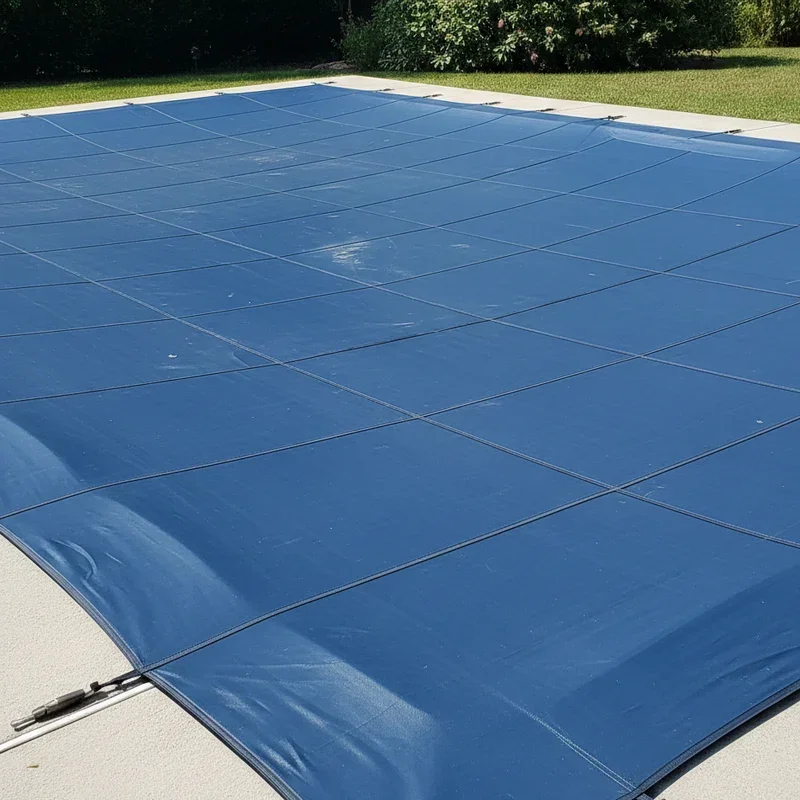
Signs Your Pool Cover Needs Replacement
Recognizing when your cover is past its prime prevents frustrating failures at inconvenient times.
Visual Deterioration
Fading color indicates significant UV damage has occurred. While cosmetic, this fading signals that material breakdown is progressing beneath the surface.
Visible cracking, particularly along fold lines and edges, shows the material has become brittle. Once cracking begins, it typically accelerates rapidly.
Tears, holes, and thin spots compromise the cover's ability to do its job. Small damage sometimes allows repair, but widespread deterioration means replacement time has arrived.
Functional Decline
Solar covers that no longer retain heat effectively have lost their usefulness regardless of physical appearance. If your water isn't warming like it used to, the cover's insulating properties have degraded.
Winter covers that stretch excessively or no longer fit snugly can't properly protect your pool. Sagging and bagging allow debris accumulation and create wind vulnerability.
Safety covers showing any signs of weakness pose serious risks. Never continue using a safety cover that can't reliably support the weight it's rated for.
Material Changes
Brittle materials that crack when flexed have reached end of life. Healthy cover materials should remain somewhat pliable and flexible.
Sticky or gummy surfaces indicate chemical breakdown of the material. This often happens on the water-contact side of covers first.
Excessive fading combined with powdery residue when touched shows severe UV degradation. The material is literally disintegrating.
How Long Do Pool Covers Last? Lifespan and Factors for Maximum Durability
Smart maintenance extends cover life significantly beyond typical expectations.
Proper Cleaning Practices
Regular cleaning removes debris, chemicals, and contaminants that accelerate deterioration. A quick rinse and gentle scrub extends lifespan noticeably.
Use appropriate cleaners formulated for pool cover materials. Harsh chemicals can damage the very materials you're trying to protect. Mild dish soap and water work well for most routine cleaning.
Clean both sides of the cover when possible. The water-contact surface accumulates chemical residue and scale deposits that benefit from periodic removal.
Correct Storage Methods
Off-season storage practices significantly impact longevity. Covers stored wet invite mold, mildew, and material degradation.
Always clean and completely dry covers before storage. Store in cool, dry locations away from direct sunlight and extreme temperatures.
Avoid folding covers tightly along the same lines repeatedly. Varying fold patterns prevents permanent creases that become weak points.
Use storage bags or containers that protect against rodents, insects, and UV exposure during the off-season.
Balanced Pool Chemistry
Maintaining proper water chemistry protects your cover's underside from chemical attack. Test water regularly and keep parameters within recommended ranges.
Avoid shocking your pool immediately before covering when possible. High chlorine concentrations in fresh shock treatments are particularly hard on cover materials.
Rinse the water-contact side of your cover periodically during use to remove accumulated chemical residue.
Proper Handling Techniques
How you handle your cover matters more than most owners realize. Dragging covers across rough surfaces causes abrasion damage.
Support solar covers properly when rolling to prevent creasing and stress on the bubble material. Use cover reels when possible to minimize handling damage.
Secure winter covers according to manufacturer instructions. Improper anchoring leads to excessive movement and premature wear.
For automatic covers, follow operational guidelines precisely. Operating while obstructions are present or forcing covers through resistance damages both fabric and mechanisms.
When Replacement Makes Financial Sense
Sometimes nursing along an aging cover costs more than buying new.
Cost-Benefit Analysis
Weigh ongoing patch and repair costs against replacement pricing. A cover requiring frequent repairs quickly becomes false economy.
Consider the protective value being lost as covers degrade. A failing solar cover might cost you more in heating expenses than a new cover would cost.
Factor in the risk of sudden failure. A winter cover that fails mid-season can lead to expensive spring cleanup and potential equipment damage.
Upgrade Opportunities
Replacement time presents opportunities to upgrade. Newer covers often feature improved materials and UV resistance compared to models from even a few years ago.
Consider whether your needs have changed since your last purchase. A cover type that made sense initially might not be the best choice now.
Technology improvements in automatic covers and safety cover designs may offer features worth the investment when replacement time comes.
Conclusion
Understanding how long do pool covers last helps you plan and budget while maximizing your investment through proper care. Solar covers typically serve three to five years, winter covers last five to ten years, and quality safety or automatic covers can exceed fifteen years with proper maintenance. Climate, chemical exposure, UV intensity, and handling practices all dramatically influence these timeframes. Regular cleaning, proper storage, and balanced pool chemistry extend lifespan significantly beyond typical expectations.
Read next: 15 Turf Around Pool Ideas for Low-Maintenance Poolside Style
Frequently Asked Questions
1.How can I make my pool cover last longer?
Regular cleaning, proper storage when dry, and maintaining balanced pool chemistry significantly extend cover lifespan.
2.Should I replace my pool cover if it has small holes?
Small holes can often be patched, but multiple holes or widespread damage indicates replacement time has arrived.
3.Do expensive pool covers really last longer than cheap ones?
Yes, premium materials and construction generally provide significantly longer service life and better performance overall.
4.Can I leave my solar cover on the pool all summer?
Constant deployment accelerates UV damage, so removing covers when not actively needed extends their useful life.
5.How do I know if my safety cover is still safe to use?
Any visible damage, excessive stretching, or failed weight tests means immediate replacement is necessary for safety.
Stay up to date with our latest ideas!