15 Metal Garden Fence Ideas Every Homeowner Should Try
Explore 15 metal garden fence ideas every homeowner should try. From wrought iron to cor-ten steel, find the perfect fence for your yard.
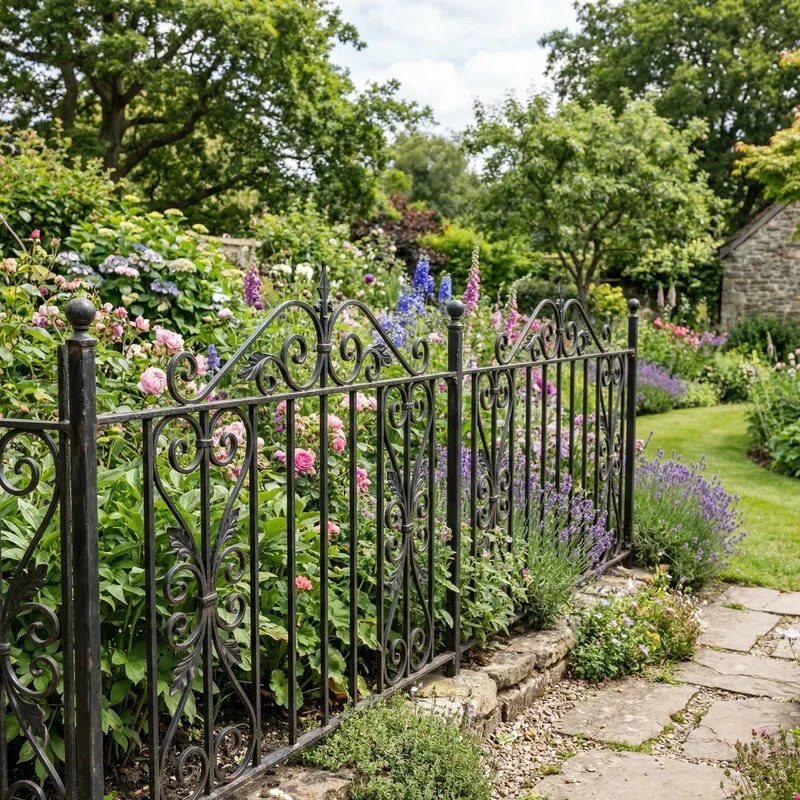
Your garden fence does more than mark property lines. It sets the entire tone for your outdoor space the moment someone walks up to your home. And metal fences? They play that role better than almost any other material out there. Metal brings strength, longevity, and a visual sharpness that wood and vinyl struggle to match. Whether you lean toward the ornate elegance of wrought iron or the raw industrial edge of weathered steel, there is a metal fence style waiting to match your personality. The best part is that metal fences handle rain, wind, snow, and blazing sun without complaining. They stand tall for decades while other materials rot, warp, or fade into oblivion. These 15 ideas cover every style, budget, and garden type you can imagine.
1. Classic Wrought Iron Fence With Ornamental Finials
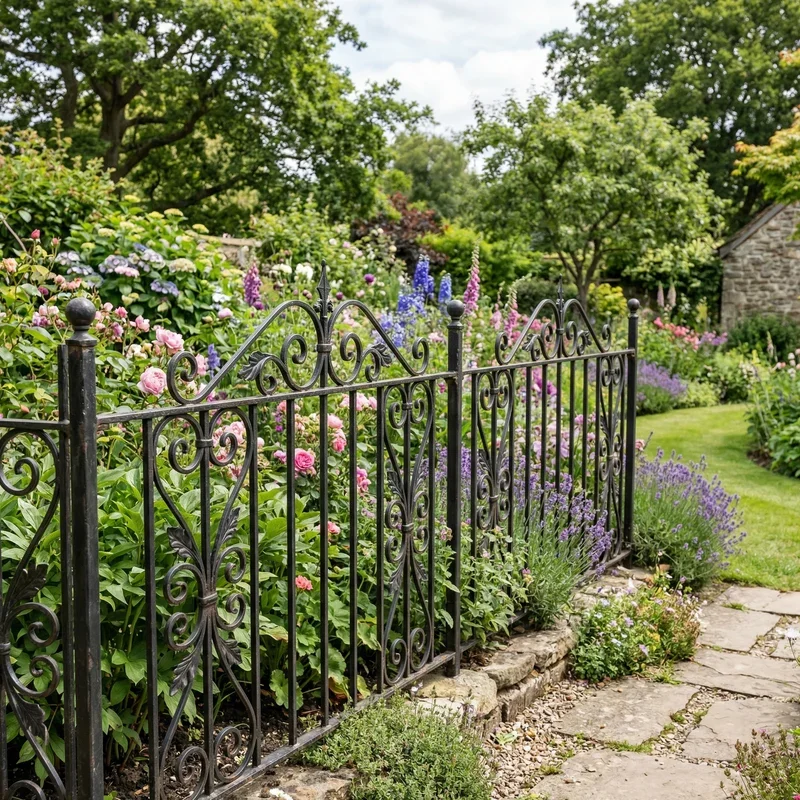
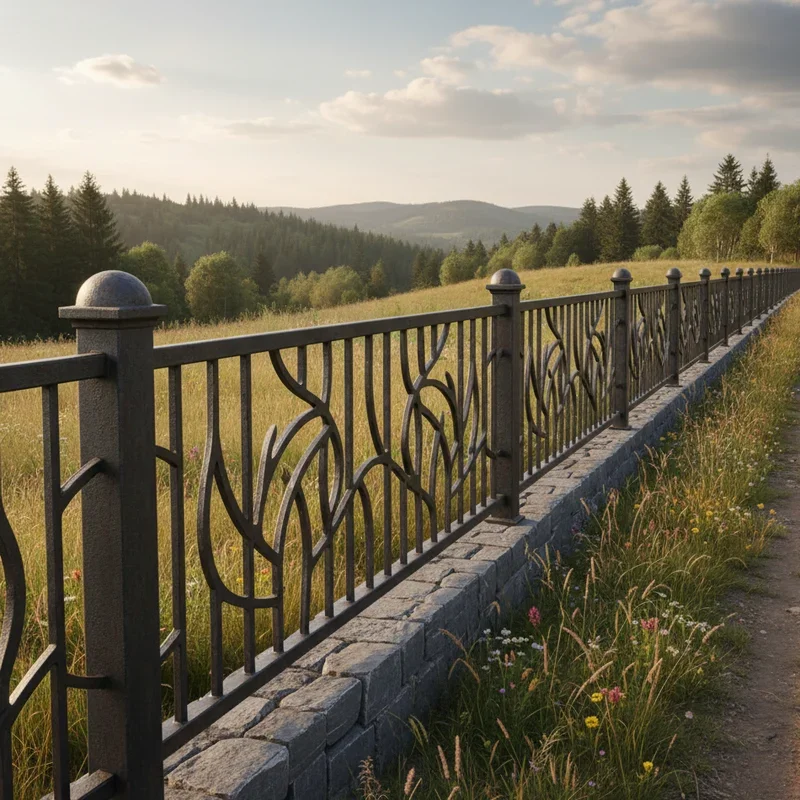
Wrought iron fences have guarded gardens for centuries, and their appeal has not faded one bit. There is a reason historic estates, European courtyards, and upscale neighborhoods still rely on this material. The hand-forged quality of wrought iron carries a weight and character that mass-produced alternatives simply cannot replicate. Ornamental finials on top of each picket add personality, whether you choose spear points for a stately look, fleur-de-lis for French elegance, or ball tops for something softer. The iron develops a beautiful patina over time if left unsealed, or you can paint it glossy black for that timeless formal appearance. Wrought iron pairs naturally with brick pillars, stone walls, and flowering hedges. It is the tuxedo of garden fencing, always appropriate and always impressive.
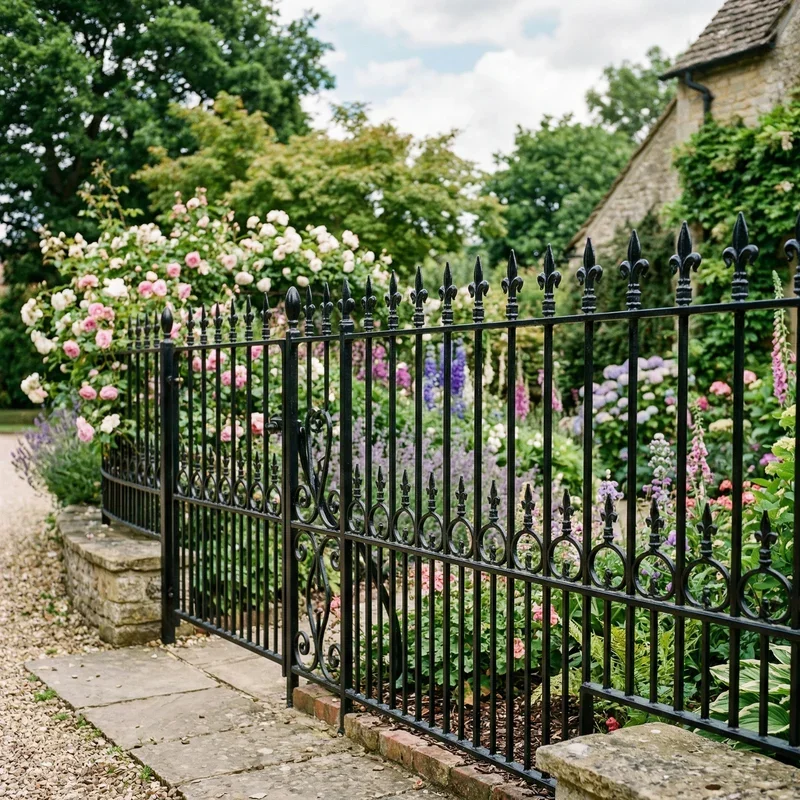
2. Horizontal Flat Bar Modern Steel Fence
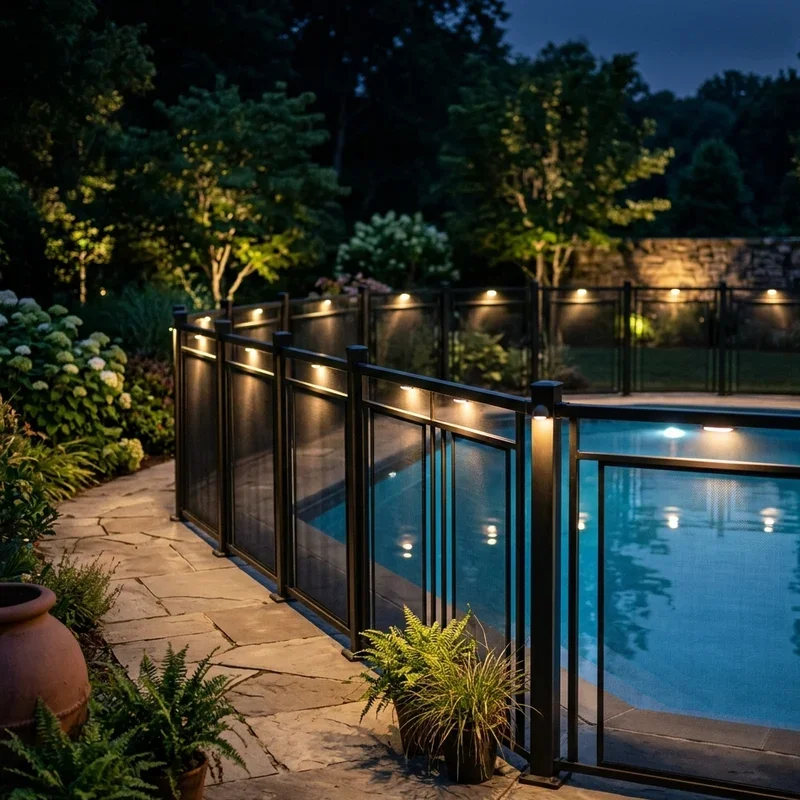
If your home speaks a contemporary design language, horizontal flat bar fencing answers in the same dialect. Wide steel bars run parallel across the fence face, creating strong horizontal lines that emphasize width and openness. This orientation tricks the eye into perceiving your garden as larger than it actually is, stretching the visual plane outward. The flat bars typically range from one to three inches wide with consistent spacing between them, producing a rhythmic pattern that feels intentional and designed. Powder coating in matte black, charcoal, or bronze ensures weather resistance while maintaining the clean aesthetic. This style works brilliantly along property boundaries, around pool areas, and as front yard fencing where you want modern curb appeal without sacrificing visibility. It is architecture disguised as a fence.
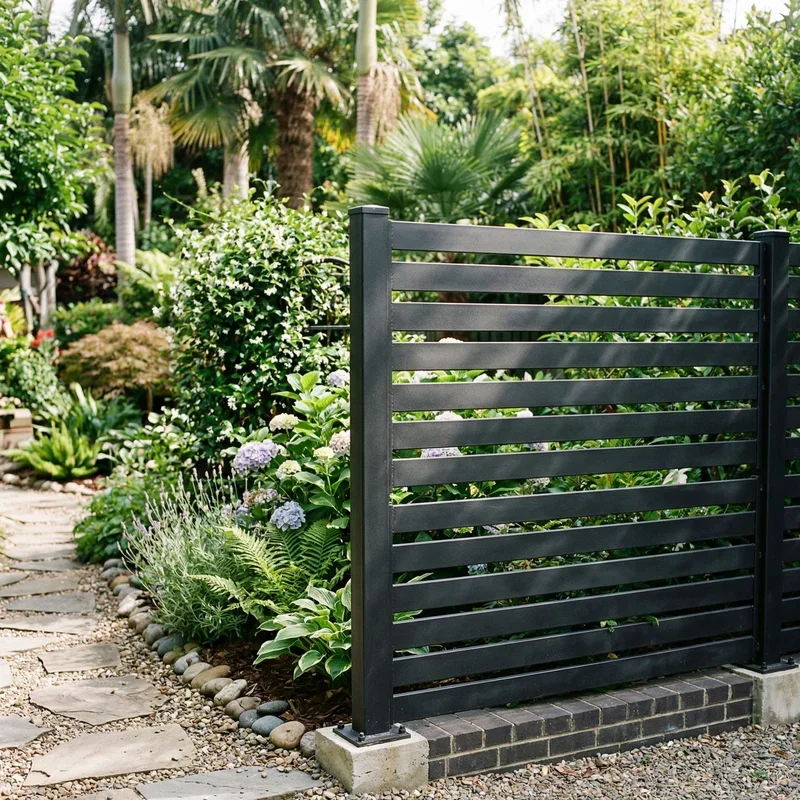
3. Cor-Ten Weathering Steel Panels for Rustic Charm
Cor-ten steel does something no other fencing material dares to do. It rusts on purpose and looks absolutely stunning doing it. This weathering steel develops a stable oxide layer that protects the core metal while displaying rich orange, brown, and amber tones across its surface. Every panel weathers differently depending on its exposure to rain, sun, and air, which means your fence becomes a one-of-a-kind installation that nature paints for you over time. The rustic warmth of oxidized steel contrasts beautifully against green foliage, gray stone, and natural wood elements in your garden. Cor-ten panels come in flat sheets, perforated patterns, or laser-cut designs. They require zero maintenance once the patina stabilizes, typically within one to three years of outdoor exposure.
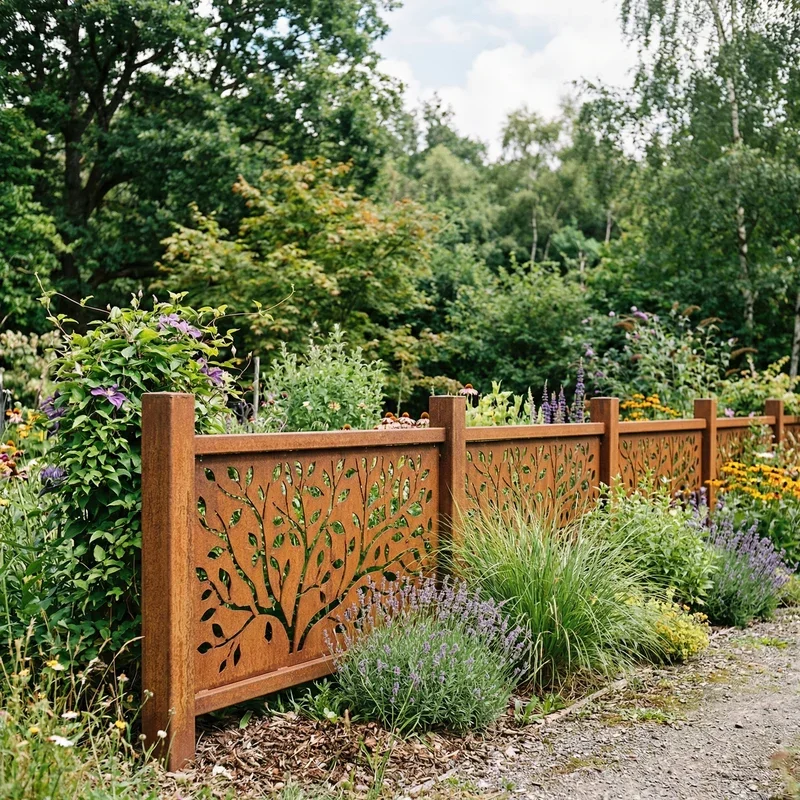
4. Black Aluminum Picket Fence for Low Maintenance
Aluminum fencing gives you the classic picket fence silhouette with none of the headaches that iron brings along. It never rusts because aluminum does not contain iron. It weighs roughly one-third of steel, making installation faster and easier. And it accepts powder coating so well that the factory finish lasts decades without chipping, peeling, or fading. Black aluminum picket fences mimic the look of traditional wrought iron from a distance, but they cost less and demand almost zero upkeep beyond an occasional rinse with the garden hose. Think of aluminum as the stunt double for iron, delivering the same visual performance without the pain. Most residential aluminum fences come in pre-assembled panels that slot between posts, turning a weekend project into a realistic DIY goal for handy homeowners.
5. Laser Cut Decorative Metal Panels
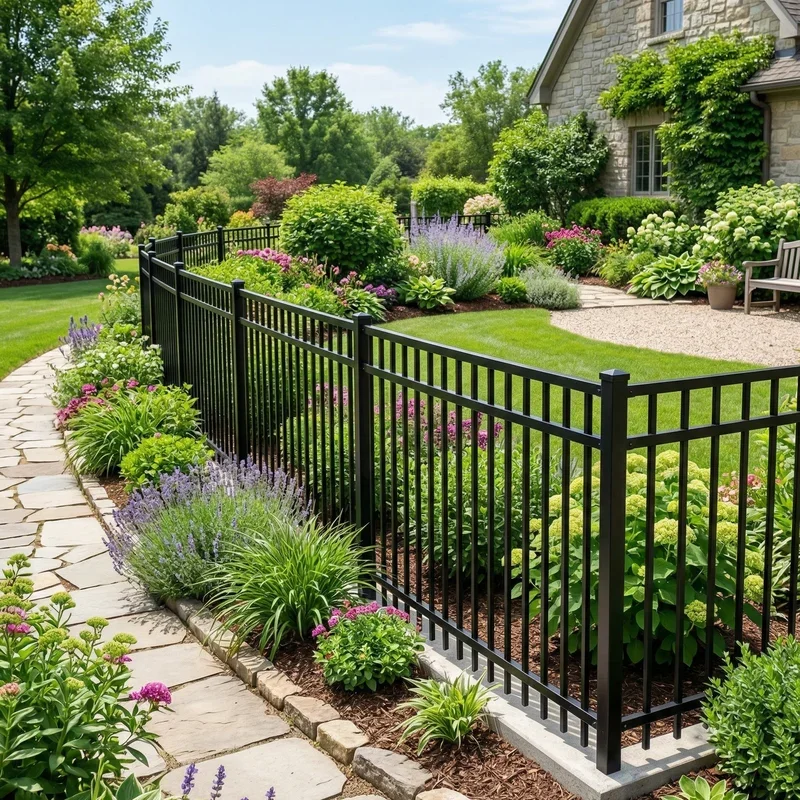
Laser cutting technology has opened a world of design possibilities that would make old-school metalworkers drop their hammers in disbelief. Computer-guided lasers slice through steel and aluminum sheets with surgical precision, creating intricate patterns that range from geometric abstractions to botanical motifs, animal silhouettes, and custom artwork. Each panel becomes a functional sculpture that doubles as a garden boundary. During the day, sunlight passes through the cutouts and projects shadow patterns onto your lawn and pathways. At night, backlight them with garden spotlights for a dramatic theatrical effect. You can order custom designs that reflect your personality, your garden theme, or even your family story. Laser cut panels typically mount between steel posts and arrive powder coated in your chosen color for lasting weather protection.
6. Welded Wire Mesh Fence With Metal Frame
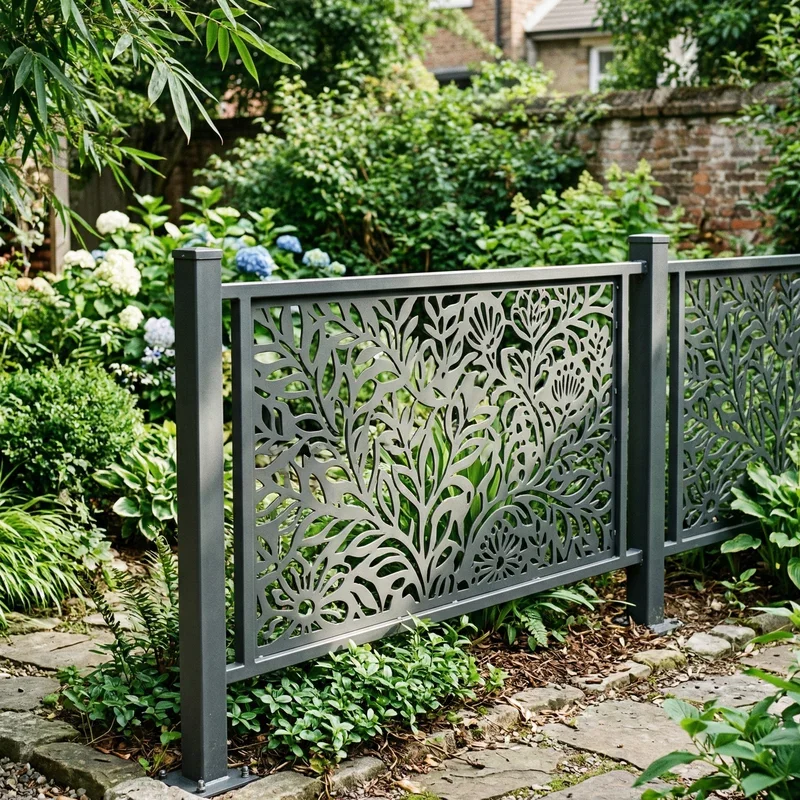
Do not let the simplicity fool you. A welded wire mesh fence surrounded by a solid metal frame creates a clean, structured look that punches well above its price point. The rigid mesh provides security and keeps pets and children safely inside the garden while maintaining full visibility through the grid pattern. The metal frame, usually built from square tube steel or angle iron, adds structure and visual weight that loose mesh alone cannot deliver. This fence style works exceptionally well as a backdrop for climbing plants like clematis, jasmine, and climbing roses. The mesh gives tendrils something to grab, turning your fence into a living green wall within a single growing season. It is a practical canvas that nature fills with color.
7. Corrugated Metal Fence for Industrial Style
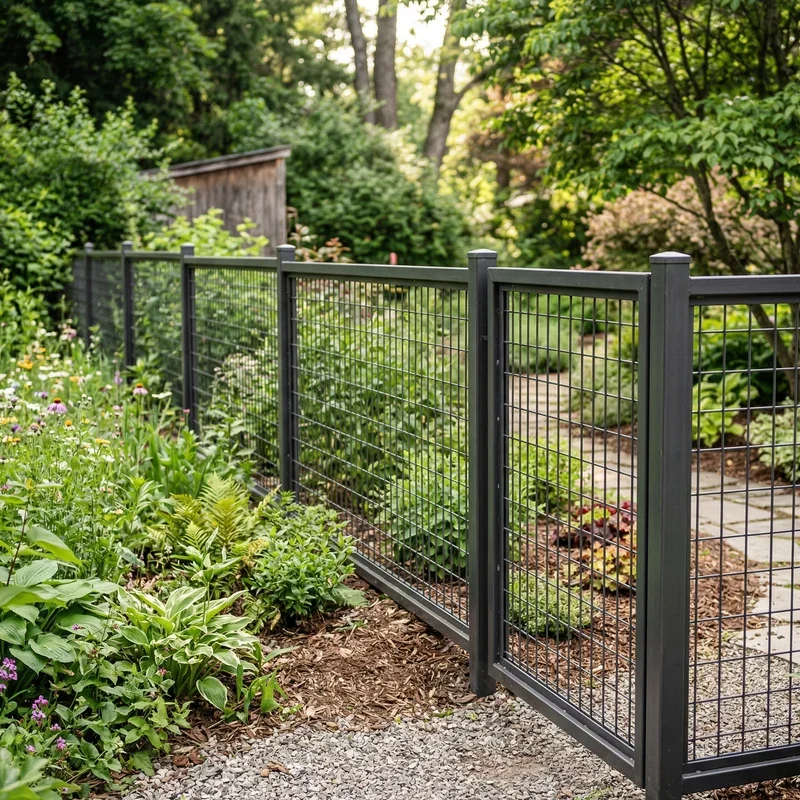
Corrugated metal sheets bring a bold, unapologetic industrial energy to your garden that softer materials simply cannot touch. The wavy profile creates natural shadow lines that shift throughout the day as sunlight changes angle. New galvanized sheets shine bright silver, while pre-weathered or rusted panels carry a grittier, more vintage character. You can mount corrugated sheets vertically for a traditional look or horizontally for a more modern orientation. Frame them with wood posts and rails for a farmhouse-industrial hybrid, or use steel framing for a fully committed metal aesthetic. Corrugated fencing provides excellent privacy because the solid panels block sightlines completely. It also handles wind better than flat panels thanks to the corrugation, which adds structural rigidity. This fence says bold things quietly.
8. Metal and Wood Combination Garden Fence
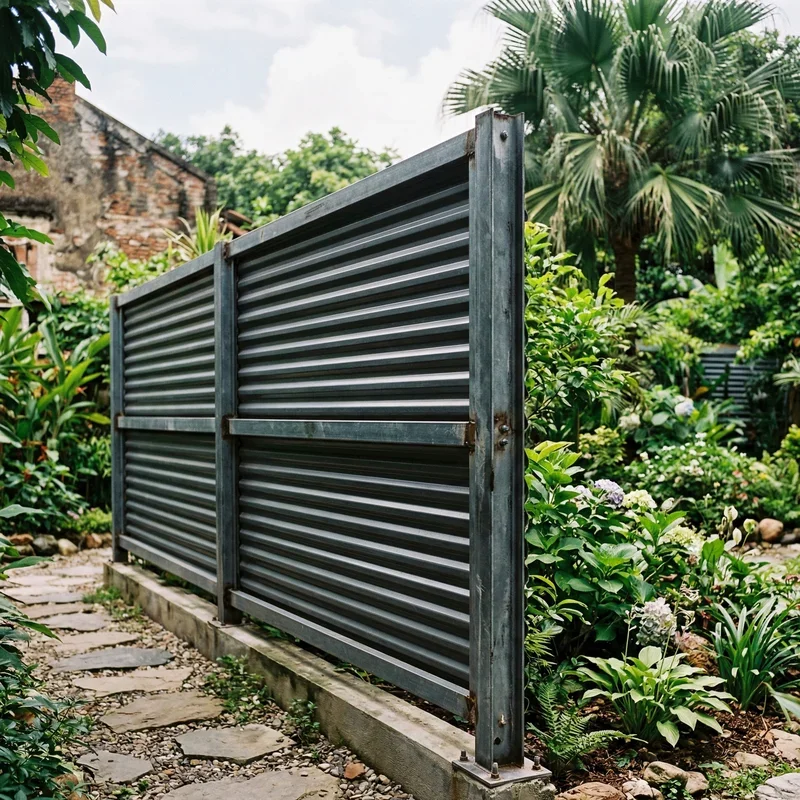
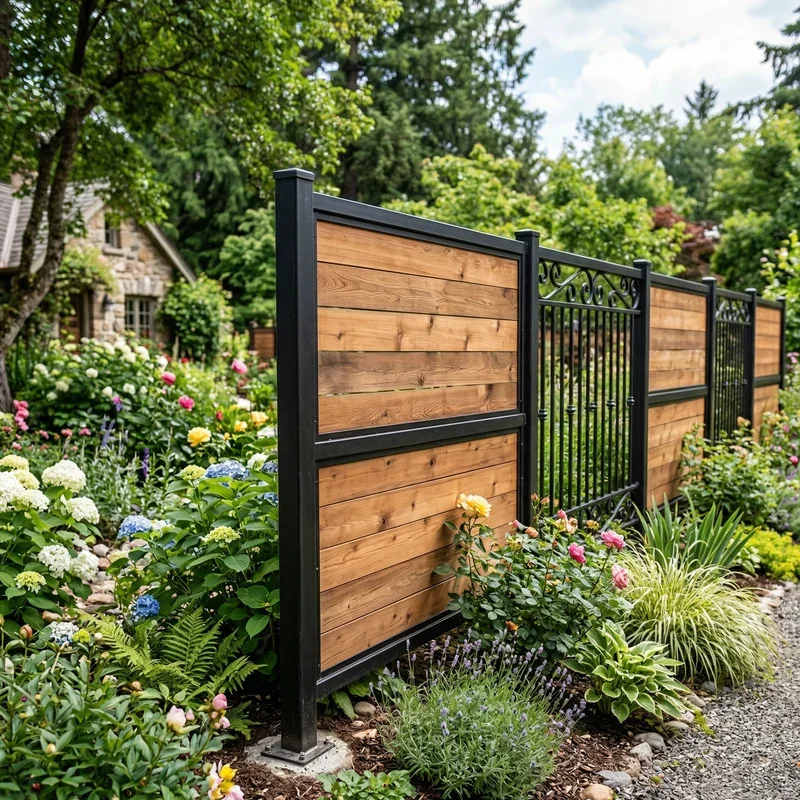
Some of the best design decisions happen when you stop choosing between two great options and combine them instead. Metal and wood combination fences bring the warmth of natural timber together with the strength and precision of steel in a partnership that elevates both materials. Steel frames with cedar or redwood infill panels create a fence that feels grounded and contemporary at the same time. Or reverse the recipe with wood posts and horizontal metal slat infill for a different balance. The metal components handle the structural work while the wood contributes warmth, texture, and organic character. This hybrid approach bridges the gap between modern and rustic homes, making it one of the most versatile fencing choices available. Two materials, one conversation, zero compromises.
9. Arched Top Iron Garden Fence Sections
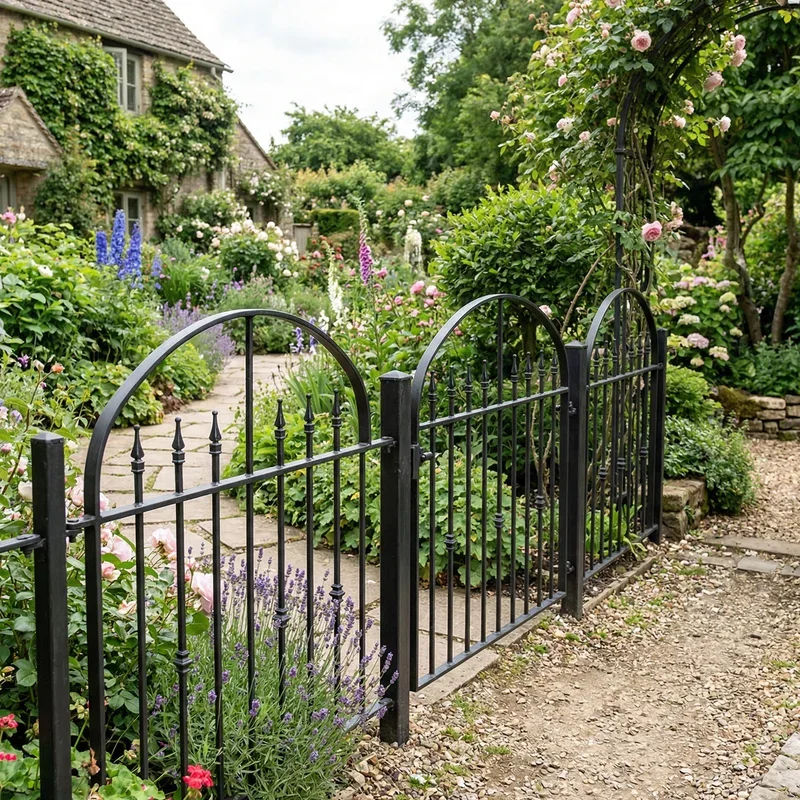
Straight top fencing serves its purpose, but arched sections introduce curves and rhythm that transform a simple boundary into something that sings. Each fence panel crests in a gentle arc, creating a rolling wave pattern along your garden perimeter that softens the rigid geometry of standard fencing. Arched tops evoke the charm of English cottage gardens, Parisian parks, and old-world estates where beauty mattered as much as function. The curves also make fences feel less imposing and more welcoming, which is perfect for front garden applications where you want charm over fortress vibes. Iron or aluminum both accept arched fabrication, though iron offers that classic heft. Space the arches consistently for a formal look, or vary their heights for playful, whimsical energy along your garden border.
10. Gabion Wall Fence With Stone Fill
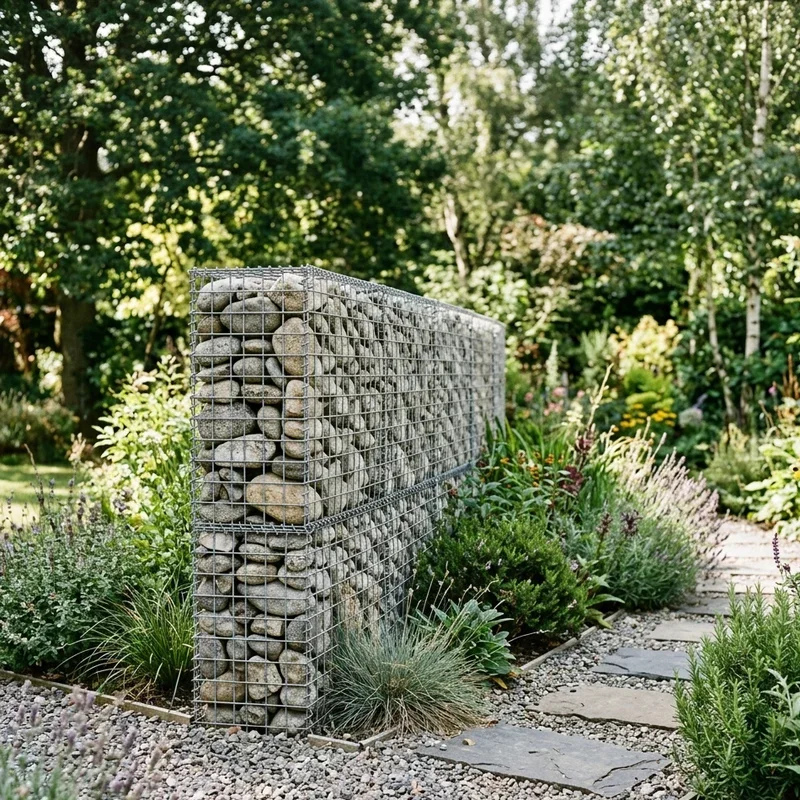
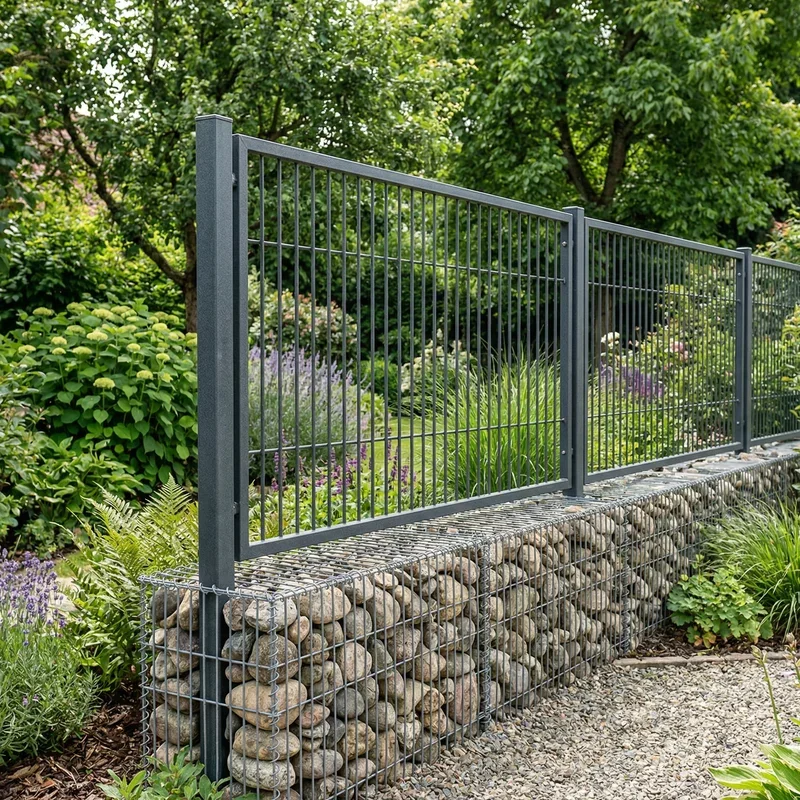
Gabion fences take the concept of a metal fence and stuff it full of rocks, literally. Wire mesh cages filled with stones, river pebbles, recycled concrete, or decorative aggregate create a fence that blends the structural clarity of metal with the raw, primal beauty of natural stone. Each gabion basket acts as a heavyweight building block that requires no mortar, no footings, and no specialized masonry skills to assemble. You stack them, fill them, and walk away. The stone fill provides thermal mass that absorbs heat during the day and releases it slowly at night, which benefits nearby plants. Gabion walls also absorb sound better than solid fences, making them excellent noise barriers along busy streets. They age gracefully as moss and lichen colonize the stones.
11. Powder Coated Colored Metal Fence
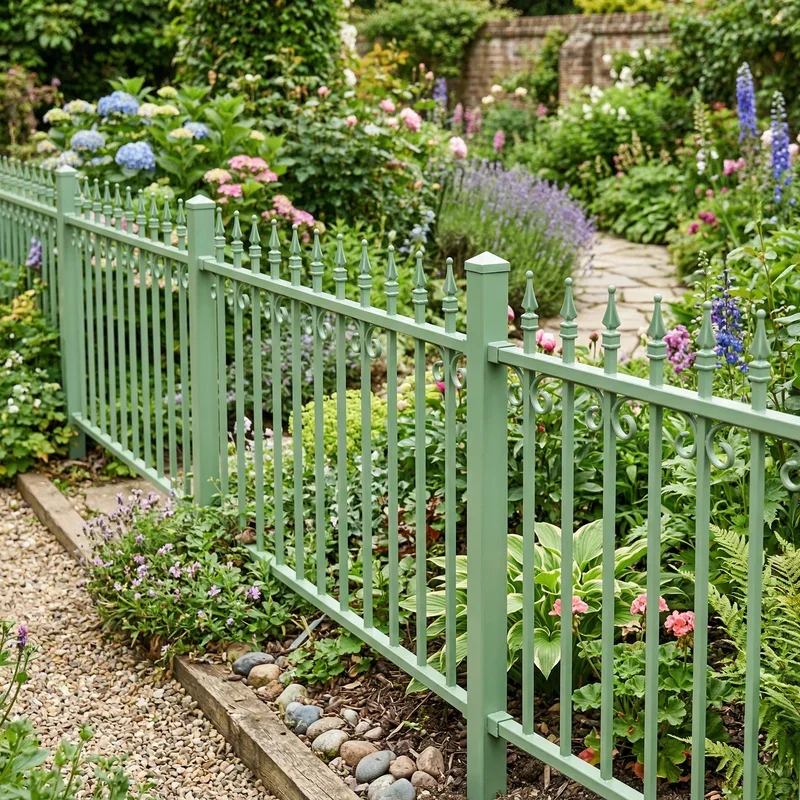
Who decided metal fences must be black? Powder coating technology lets you dress your metal fence in virtually any color on the spectrum. Deep forest green blends into garden landscapes. Crisp white evokes traditional charm. Bold red makes a fearless statement. Dusty sage whispers calm sophistication. The powder coating process applies dry pigment electrostatically and then cures it under heat, creating a finish far more durable than wet paint. It resists chipping, scratching, fading, and peeling through years of sun exposure and temperature swings. You can even match your fence color to your front door, shutters, or outdoor furniture for a coordinated design palette. Colored metal fences stand out in neighborhoods dominated by standard black iron and plain wood. Sometimes all a garden needs is a splash of unexpected color.
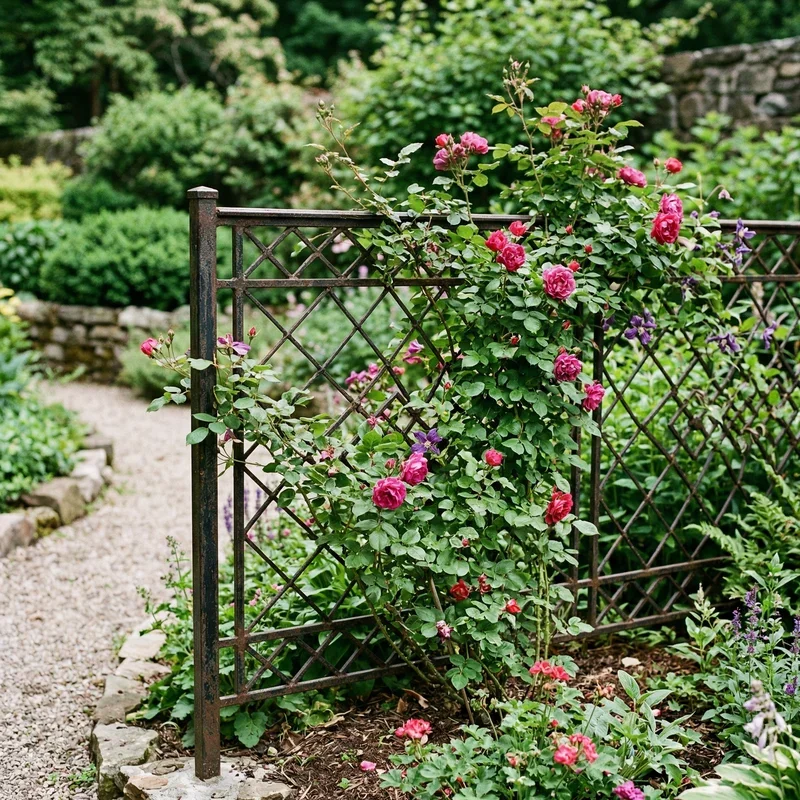
12. Metal Trellis Fence for Climbing Plants
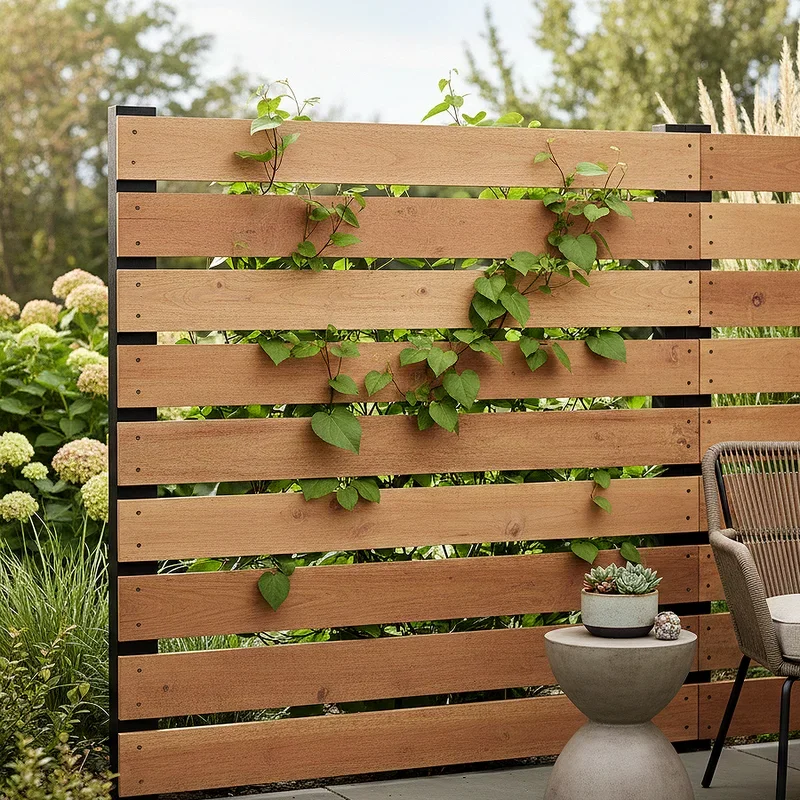
A metal trellis fence invites nature to become part of the structure itself. The open grid or lattice pattern provides countless attachment points for climbing plants to grip, weave, and eventually cover the metal framework with leaves, flowers, and vines. Wisteria, bougainvillea, honeysuckle, and star jasmine all thrive on metal trellis supports because the material stays rigid and does not bend under the weight of mature plants the way wooden trellis often does. Over time, your fence transforms from a metal structure into a living green wall buzzing with pollinators and fragrance. The metal skeleton beneath ensures structural integrity through every season, even when winter strips the foliage away. Come spring, new growth returns and the cycle continues. It is a fence that gets better every single year.
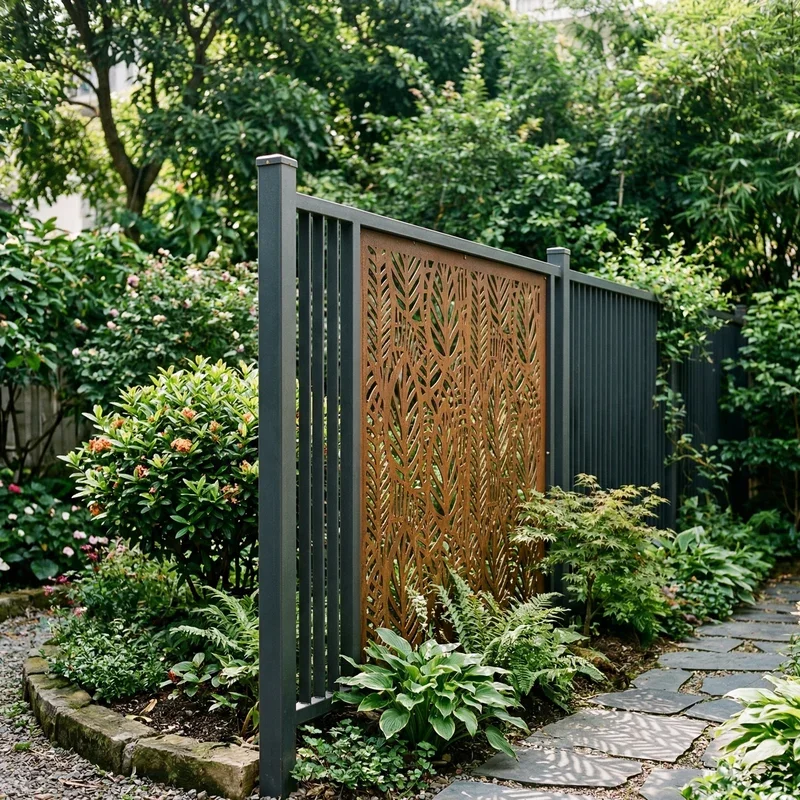
13. Perforated Metal Privacy Screen Fence
Privacy fences do not have to feel like prison walls. Perforated metal panels provide visual screening while allowing air circulation and filtered light to pass through thousands of tiny holes punched into the metal surface. The perforation pattern determines how much privacy you get, with denser hole patterns blocking more sightlines and sparser patterns maintaining more transparency. From a distance, the panels appear nearly solid. Up close, they reveal a textured, almost fabric-like quality that feels lighter and more refined than solid sheet metal. Perforated screens reduce wind loading compared to solid panels too, which means your fence posts handle storms better without leaning or breaking. These panels work beautifully around hot tubs, outdoor showers, dining areas, and any garden zone where you want seclusion without total isolation.
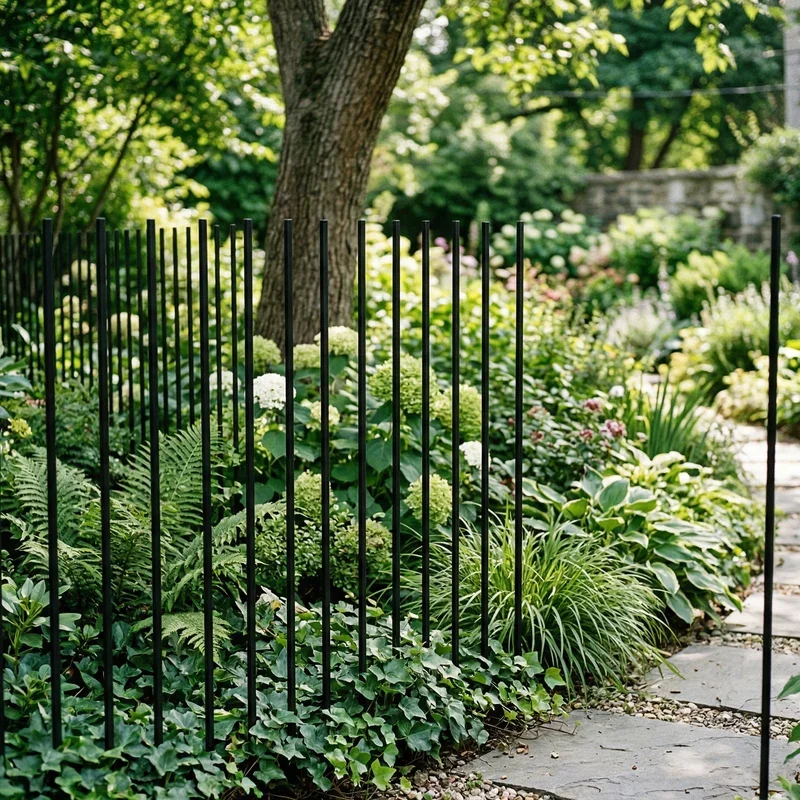
14. Minimalist Steel Rod Garden Fence
Strip a fence down to its absolute essentials and you arrive at the steel rod garden fence. Thin round or square rods spaced evenly between a top rail and ground anchors create a boundary that barely exists visually while still defining your garden space clearly. Each rod stands like a single brushstroke on a canvas, present but not overpowering. The minimalist approach works because it lets your garden plants, pathways, and landscape features remain the stars of the show. The fence recedes into the background, doing its job without demanding attention. This style suits contemporary homes, zen gardens, and any space where restraint equals elegance. Use stainless steel rods for a bright, reflective finish or mild steel with a matte coating for a warmer, more subdued presence.
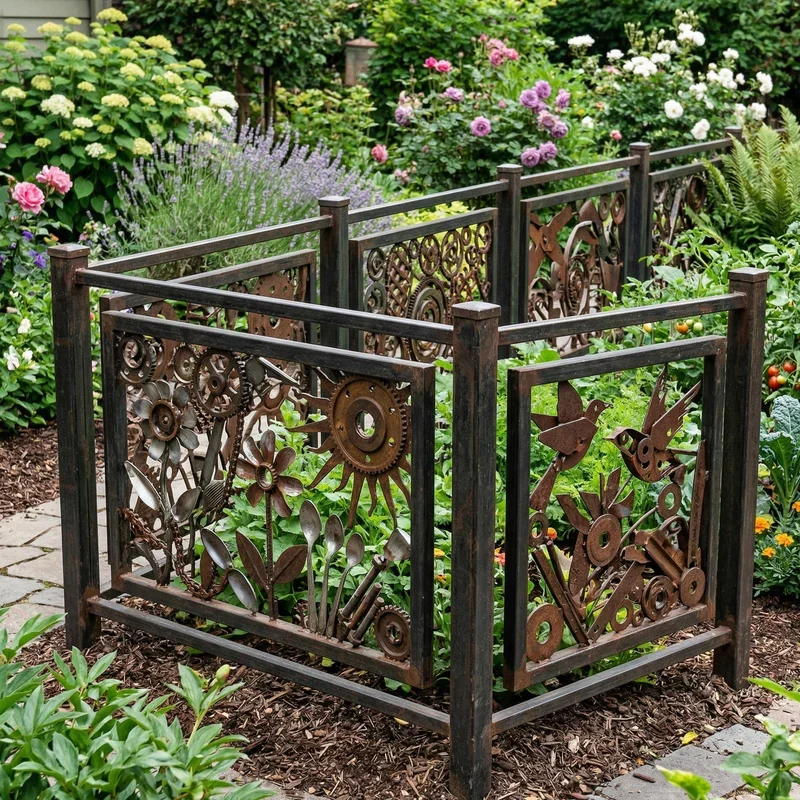
15. Recycled Metal Art Fence Panels
The most creative metal garden fences do not come from catalogs. They come from salvage yards, artist studios, and creative imaginations. Recycled metal art fences incorporate salvaged items like old bicycle wheels, farm equipment parts, repurposed gates, vintage iron grates, and industrial castoffs into one-of-a-kind fence panels that tell stories no factory product ever could. Each section becomes a conversation piece, a riddle that invites visitors to guess what the original objects were before they found new life in your garden boundary. Local metal artists and welders can custom-fabricate panels from collected materials, combining found objects into cohesive compositions. The environmental benefit matters too because repurposing metal keeps heavy materials out of landfills. Your fence becomes both a design statement and a sustainability commitment.
Conclusion
Metal garden fences offer a remarkable range of styles that cover every taste from ornate Victorian elegance to raw industrial grit. These 15 ideas prove that metal fencing is far more than just functional security. It is a genuine design tool that shapes how your entire garden looks and feels. Start with the style that resonates most with your home's architecture and your personal aesthetic, then let the details follow naturally. Whether you choose weathering steel panels, laser-cut artwork, or a simple aluminum picket fence, the right metal fence elevates your garden from ordinary to extraordinary with lasting durability and undeniable character.
Read next: 15 Slatted Fence Ideas to Upgrade Your Outdoor Space
Frequently Asked Questions
Q1: What type of metal fence lasts the longest in outdoor garden environments?
A: Aluminum and stainless steel last longest because they naturally resist rust and corrosion outdoors.
Q2: Do metal garden fences require regular maintenance to stay in good condition?
A: Most powder-coated metal fences need only occasional washing and minor touch-ups every few years.
Q3: Can I install a metal garden fence myself without professional help?
A: Pre-assembled aluminum panel systems suit DIY installation, but welded steel fences need professional fabrication.
Q4: How much does a metal garden fence typically cost per linear foot?
A: Metal garden fences range from fifteen to over one hundred dollars per linear foot installed.
Q5: Will a metal fence get too hot to touch during summer months?
A: Dark metal fences absorb heat and can get hot, so lighter colors reduce surface temperature significantly.
Stay up to date with our latest ideas!