Your Roof Does More Than You Think - Here’s How It Truly Protects Your Home
Your roof isn’t just a surface overhead that keeps the rain out. It is a complex system of materials and design that plays a crucial role in the safety, comfort, efficiency, and long-term value of your entire home.
Your roof isn’t just a surface overhead that keeps the rain out. It is a complex system of materials and design that plays a crucial role in the safety, comfort, efficiency, and long-term value of your entire home. Most homeowners don’t think about their roof until something goes wrong, but understanding how deeply it protects your investment and your family can change how you prioritize maintenance, repairs, and upgrades. From weather defense and energy performance to structural integrity and indoor comfort, a roof’s responsibilities extend far beyond simple coverage.
The First Line of Defense Against the Elements
Weather Protection and Climate Resilience
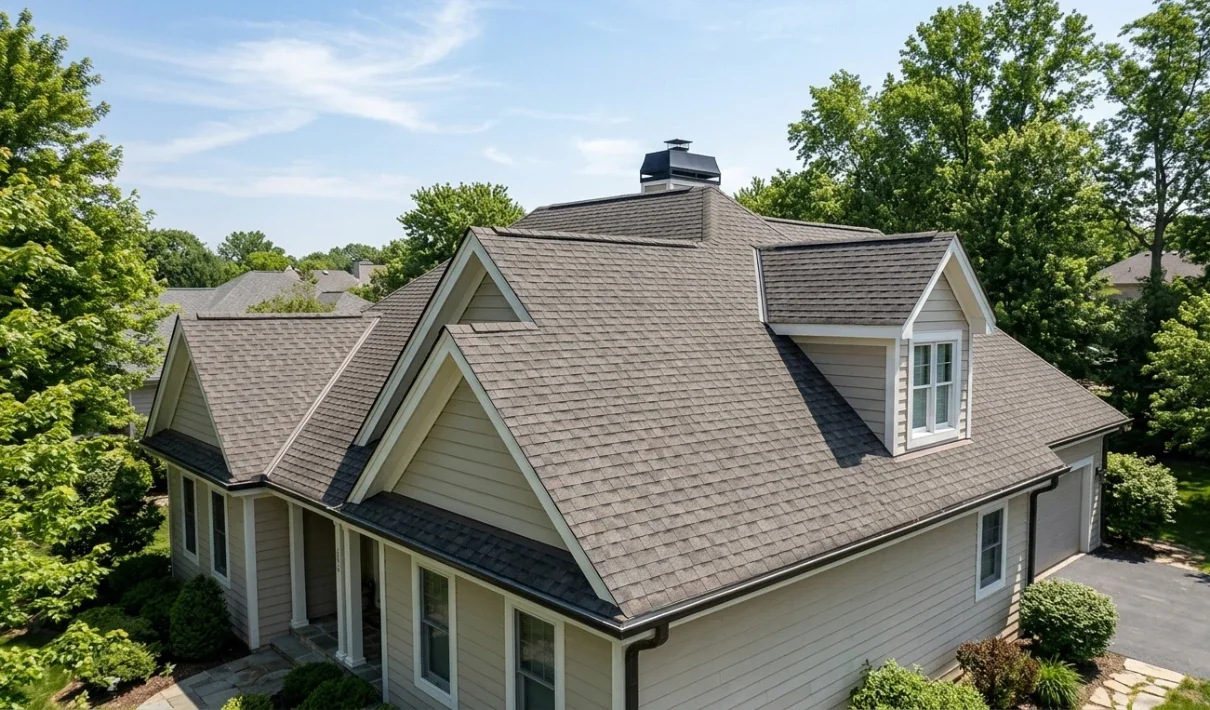
One of the most essential functions of your roof is to serve as a shield against the natural forces your home must endure year after year. Whether it’s torrential rain, high winds, hail, snow, or blistering sun, your roof is engineered to repel water, resist uplift from windstorms, and shed snow and ice to prevent structural damage. Roofing materials like asphalt shingles, metal panels, clay tiles, and synthetic underlayments are selected and installed specifically to match the climate challenges in your region. When properly installed and maintained by a qualified Nassau County roofing contractor, these systems help prevent leaks that can lead to mold, rot, and costly interior damage.
Rainwater might seem harmless at a glance, but prolonged exposure can cause wood rot, weaken insulation, and lead to mildew in attics and wall cavities. A quality roofing system, complete with flashing, gutters, and properly sealed penetrations, acts like a rain suit for your entire home, directing water away from vulnerable points. In snowy regions, the roof’s slope and design are critical for managing snow loads and preventing ice dams ridgelines of ice that form when melting snow refreezes at the eaves and traps additional water behind it. These conditions can force water beneath shingles and allow it to infiltrate ceilings and walls. The roof’s design and materials work in concert to protect against these seasonal threats year-round.
UV and Heat Defense
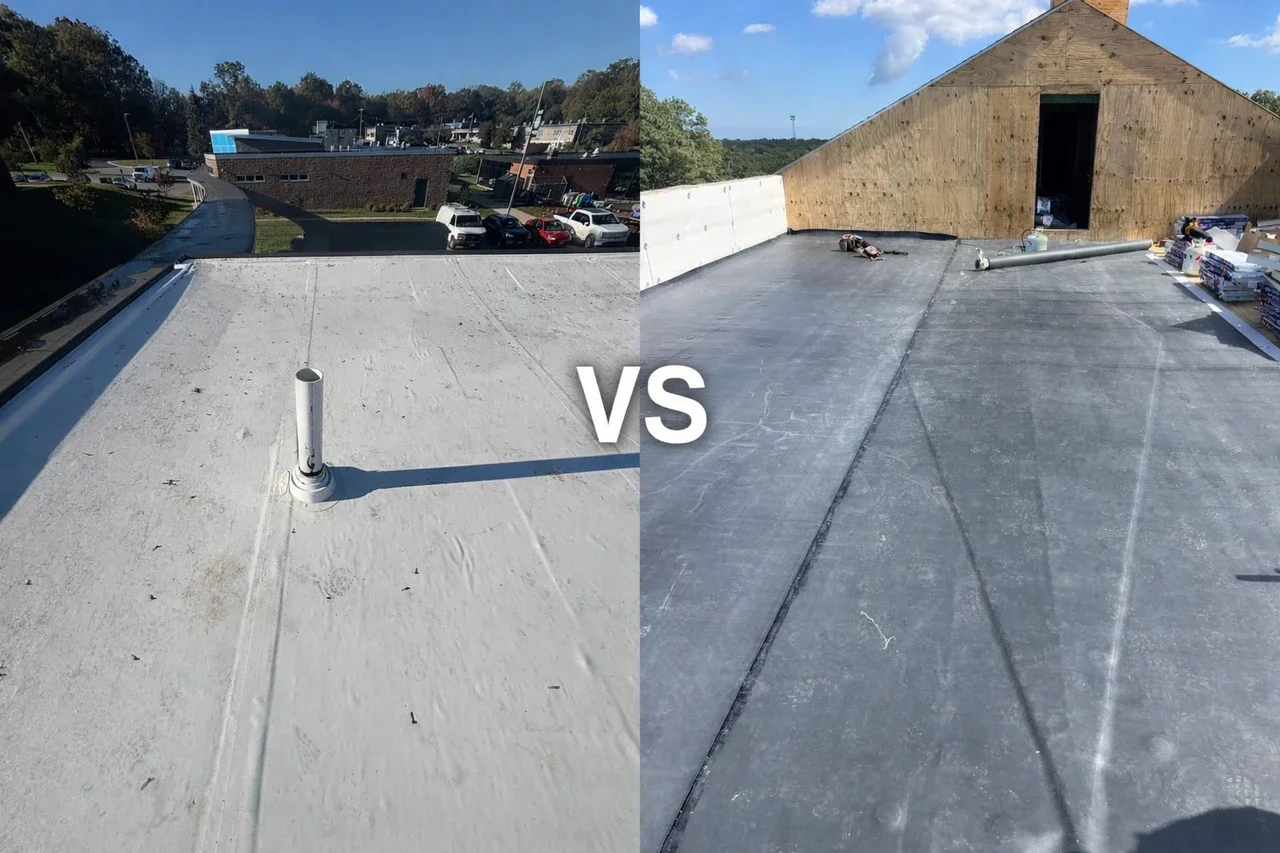
The sun’s ultraviolet rays and prolonged exposure to heat can degrade many building materials over time. Your roof is constantly exposed to these forces, and without proper protection, the heat can break down shingles, warp roof deck materials, and accelerate aging. Reflective and cool-roof technologies can help mitigate this damage. Certain shingles and coatings are designed to reflect more solar energy, reducing heat absorption and minimizing stress on the roofing materials. These advancements not only extend the lifespan of the roof but also contribute to better overall energy efficiency inside the home.
Insulation, Ventilation, and Energy Efficiency
Maintaining Indoor Comfort
Your roof plays an indirect but vital role in regulating indoor temperatures. In conjunction with attic insulation and ventilation, the roofing system influences heat transfer between the exterior and interior spaces. A poorly ventilated roof can trap hot air in the attic during summer, turning your home into an oven and forcing your HVAC system to work harder. In winter, inadequate ventilation can lead to excess moisture buildup, which weakens insulation effectiveness and can cause condensation issues.
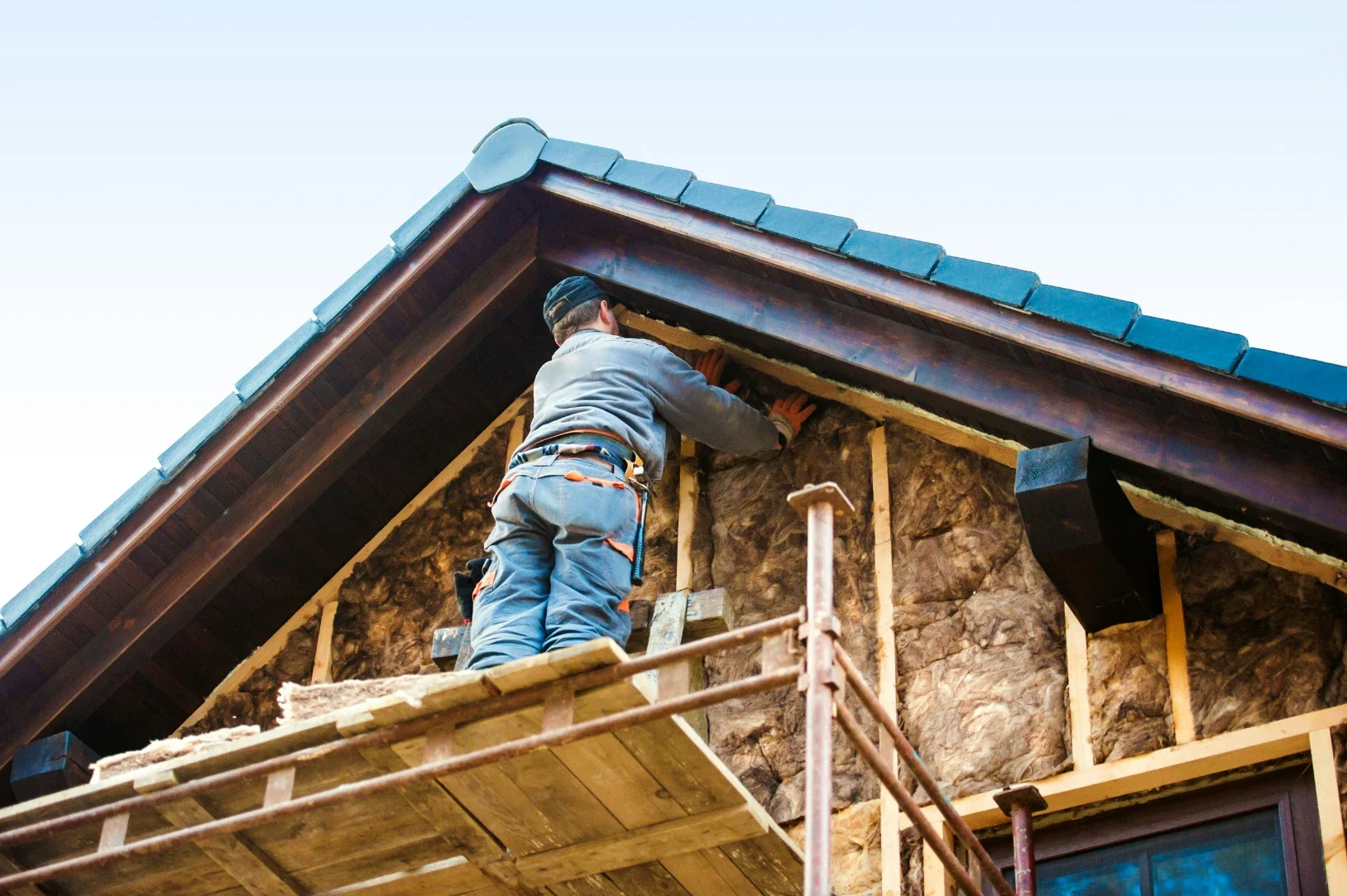
Attic ventilation systems such as ridge vents, soffit vents, and turbine vents allow air to circulate, releasing hot air in summer and moist air in winter. This circulation helps maintain more stable indoor temperatures, reduces the load on heating and cooling systems, and prevents premature roof material failure. Proper insulation beneath the roof deck further bolsters this effect by creating a thermal barrier that keeps conditioned air inside where it belongs.
Lowering Energy Bills
An energy-efficient roof can directly impact your monthly utility costs. When your roof helps keep heat out during summer and retain warmth during winter, your heating and cooling systems don’t have to run as frequently or as hard. Over time, these savings can offset the cost of higher-quality roofing materials or energy-efficient upgrades like reflective shingles or added insulation. Homeowners who invest in these features often see measurable reductions in energy bills, especially in regions with extreme temperature swings.
Structural Support and Home Stability
Load Bearing and Distribution
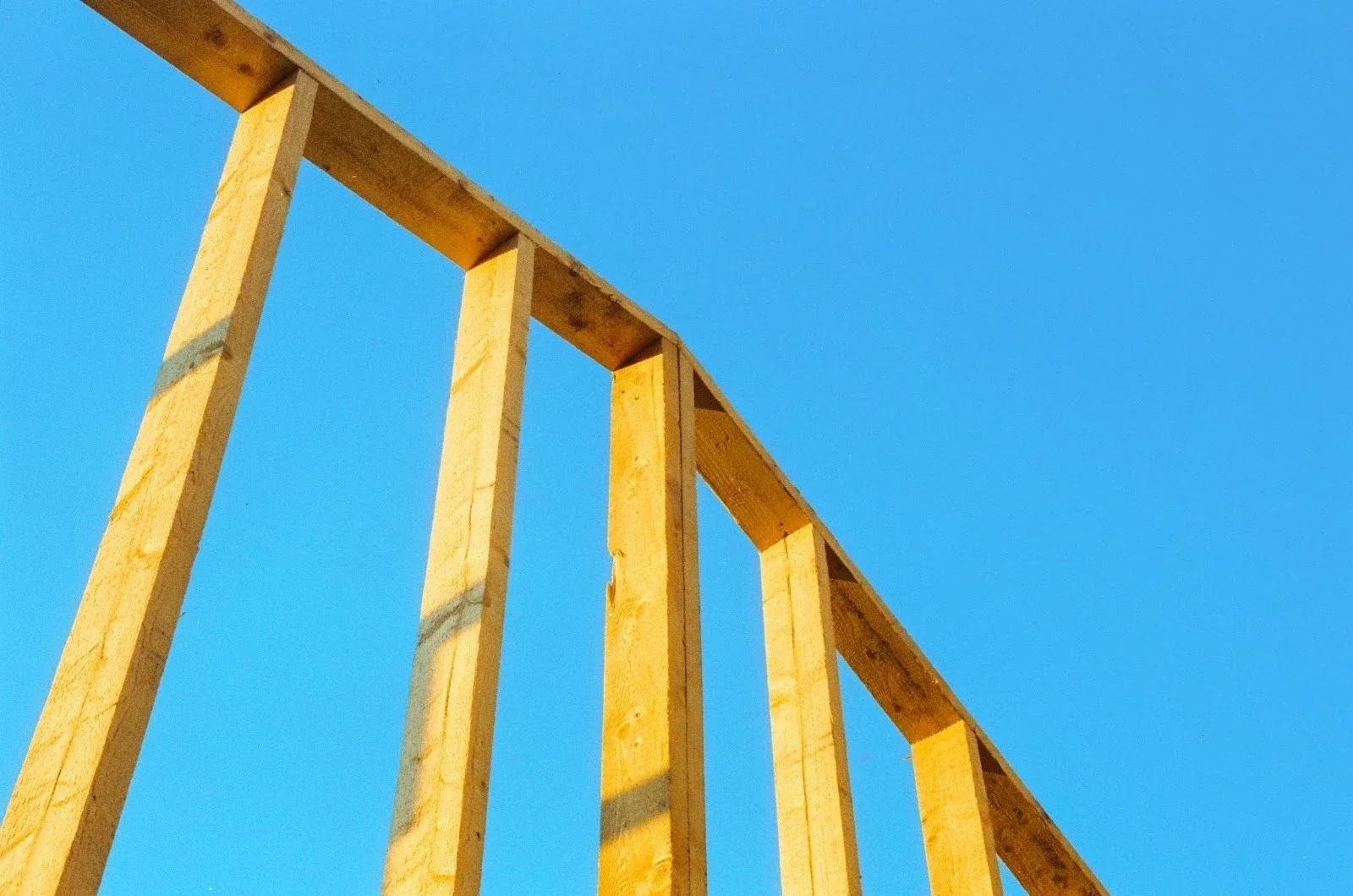
Beyond environmental protection and energy performance, your roof is a structural element. It contributes to the overall stability and integrity of your home. The framing system beneath the roofing materials rafters, trusses, and sheathing supports the weight of the roof covering and any additional loads, such as snow or maintenance personnel. A well-built roof helps distribute these loads evenly across walls and foundations, minimizing stress and potential deformation over time.
Compromised structural integrity can manifest in subtle ways—sloping floors, cracked walls, or sticking doors and windows long before visible roof damage appears. Routine inspections and maintenance help catch issues like sagging rafters or moisture-weakened sheathing early, allowing repairs before more serious structural problems develop.
Protecting Interior Finishes
While the roof itself is a structural and protective system, its performance—or lack thereof—directly affects the interior finishes of your home. Water infiltration can ruin drywall, warp hardwood floors, and stain ceilings. Even small, persistent leaks can lead to widespread mold and mildew growth, which poses health risks and requires significant remediation work. By stopping water at the source, your roof preserves the quality and longevity of all interior surfaces and systems.
Soundproofing and Acoustic Benefits
Reducing External Noise
A lesser-known role of your roof is its contribution to acoustic comfort. Roofing materials, insulation, and underlayment can help reduce the infiltration of external noises like rain, hail, wind, and traffic. Dense materials and proper insulation act as buffers, preventing sound waves from traveling into living spaces. While no roof can make a home entirely silent, quality roofing systems significantly improve indoor acoustic environments, especially in high-noise areas near busy roads or airports.
Enhancing Sleep and Daily Comfort
For many homeowners, the acoustic benefits of a well-installed roof translate into better sleep and reduced stress. Imagine trying to sleep during a heavy rainstorm with a thin, poorly insulated roof versus a system designed to absorb and deflect sound. The difference is noticeable and contributes to overall living quality. These benefits are often overlooked when evaluating roofing systems but are undeniably valuable for everyday life.
Longevity and Value Protection
Extending Roof Life Through Maintenance
Regular maintenance is essential to prolonging the life of your roof. Simple actions like clearing debris, trimming overhanging branches, replacing damaged shingles, and checking for signs of wear can prevent minor problems from becoming major failures. Professional roof inspections especially after severe weather events ensure that vulnerabilities are addressed before they compromise the entire system. Homeowners who engage in preventative care often find that their roofs last significantly longer and require fewer emergency repairs.

Increasing Home Resale Value
Your roof’s condition has a direct impact on your home’s resale value. Real estate professionals know that a solid, well-maintained roof signals to buyers that the home has been cared for. A roof nearing the end of its lifespan or one with visible damage can deter offers or reduce the sale price. Conversely, a roofing system with recent upgrades or a clean inspection report can be a compelling selling point, reducing buyer concerns and speeding up the transaction process.
Quality roofing systems and repairs—whether undertaken by a reputable Nassau County roofing contractor or other trusted professionals—are investments that protect your home’s integrity today and preserve its marketability for tomorrow.
Stay up to date with our latest ideas!