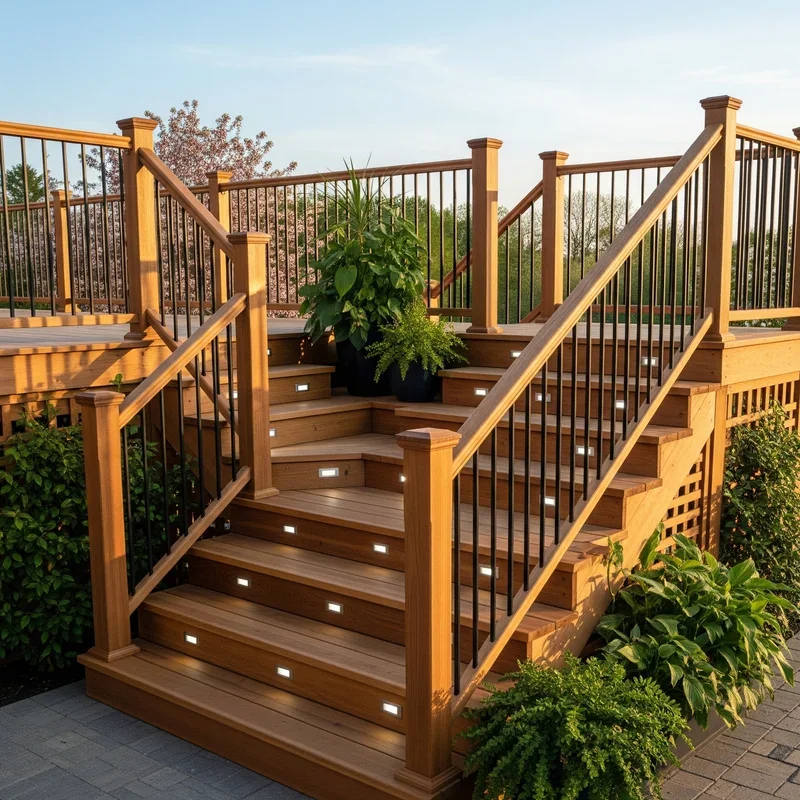
15 Horizontal Deck Skirting Ideas for Modern Style
Discover 15 stunning horizontal deck skirting ideas that blend modern aesthetics with functionality. Transform your outdoor space today!
Have you ever looked at your deck and felt something was missing? That awkward gap beneath your elevated outdoor space might be calling for attention, and horizontal deck skirting could be your answer. Modern homeowners are discovering that deck skirting isn't just about hiding unsightly support posts or storing garden tools anymore. It's become a design statement that can dramatically transform your outdoor living area. Horizontal skirting, in particular, offers clean lines and contemporary appeal that complements modern architecture beautifully. Whether you're building a new deck or renovating an existing one, choosing the right skirting design can enhance your home's curb appeal while providing practical benefits like pest control and storage solutions. Ready to explore creative ways to finish your deck with style? Let's dive into fifteen horizontal skirting ideas that will make your outdoor space truly shine.
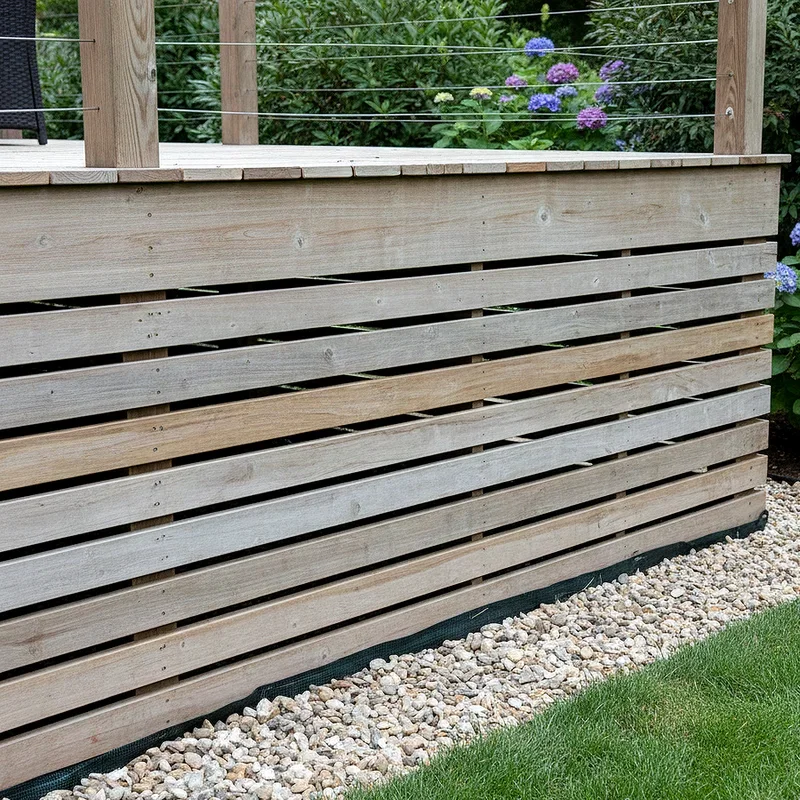
1. Classic Horizontal Wood Slats
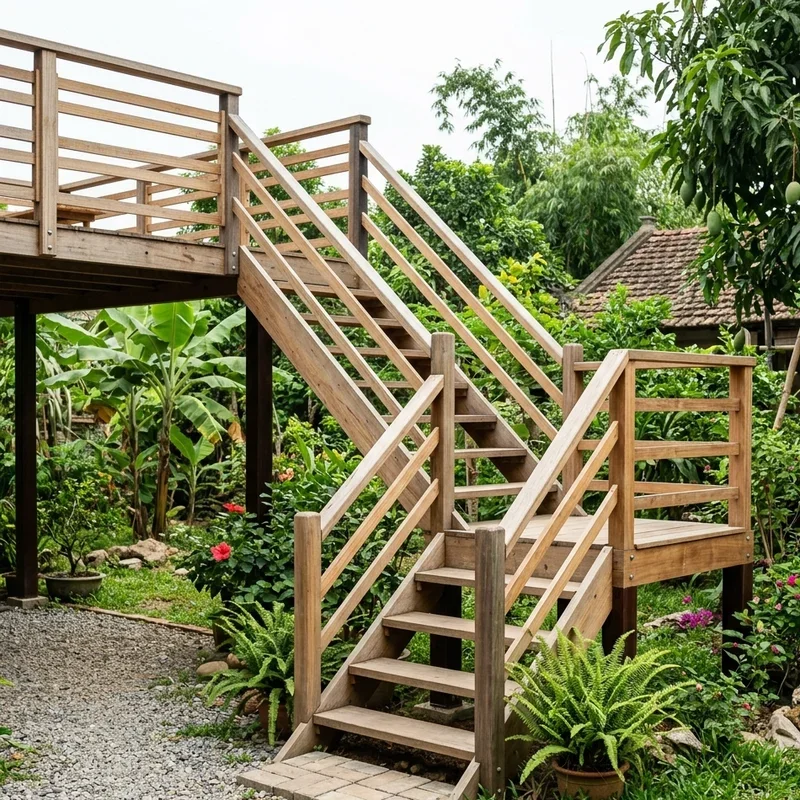
Nothing beats the timeless appeal of natural wood when you're designing horizontal deck skirting. Traditional wood slats arranged horizontally create a warm, inviting look that works with virtually any architectural style. You can choose from various wood species like pine, redwood, or pressure-treated lumber depending on your budget and climate. The horizontal orientation naturally draws the eye across your deck's perimeter, making the space feel wider and more expansive. Installation is straightforward, requiring only basic carpentry skills and common tools. Regular maintenance with staining or sealing keeps the wood looking fresh and protects it from weather damage. This classic approach offers excellent ventilation while providing enough coverage to keep critters out from underneath your deck.
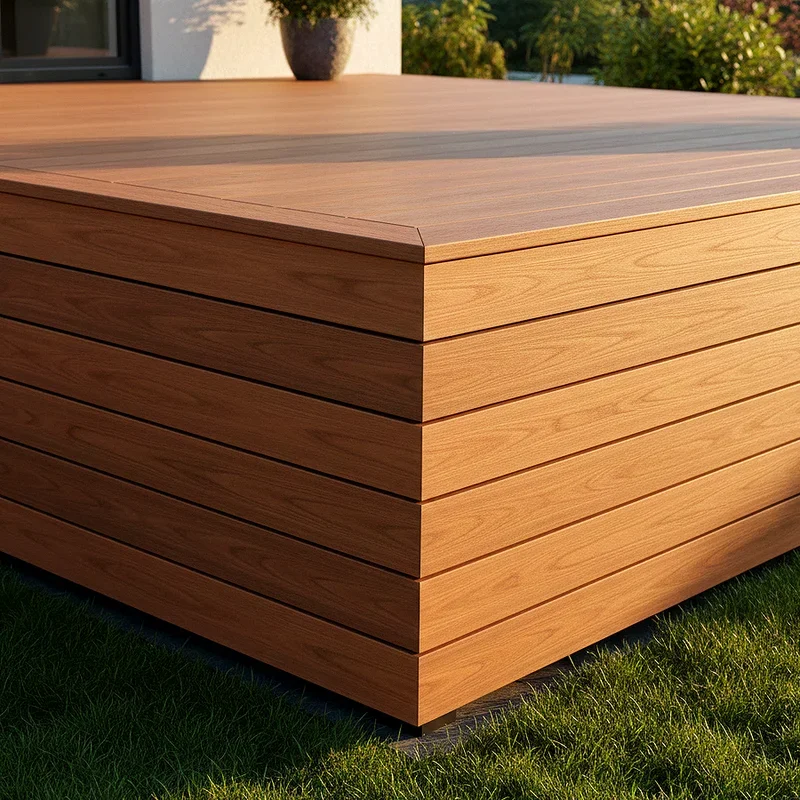
2. Composite Horizontal Panels
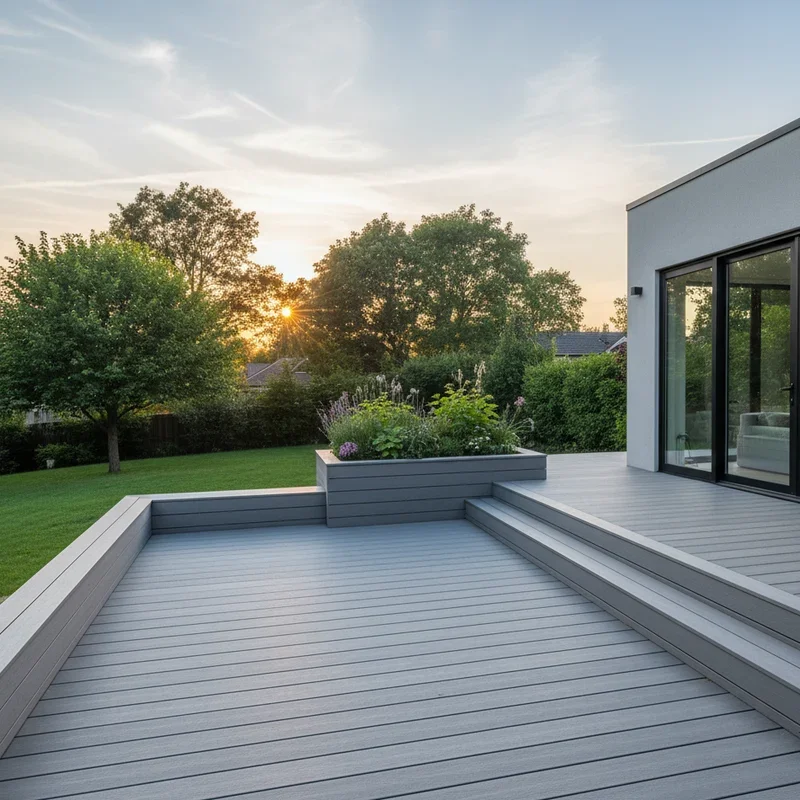
Are you tired of constant deck maintenance? Composite materials offer a modern solution that combines beauty with practicality. These engineered panels resist fading, warping, and insect damage while mimicking the appearance of real wood grain. Installation becomes easier with composite materials since they come in standardized sizes and require minimal cutting. You'll appreciate how these panels maintain their color and texture year after year without needing paint or stain. The horizontal arrangement of composite boards creates sleek, contemporary lines that complement modern home designs perfectly. Many manufacturers offer matching colors that coordinate with their composite decking products for a cohesive look. While the initial investment runs higher than traditional wood, the reduced maintenance costs make composites economical over time.
3. Metal Corrugated Skirting
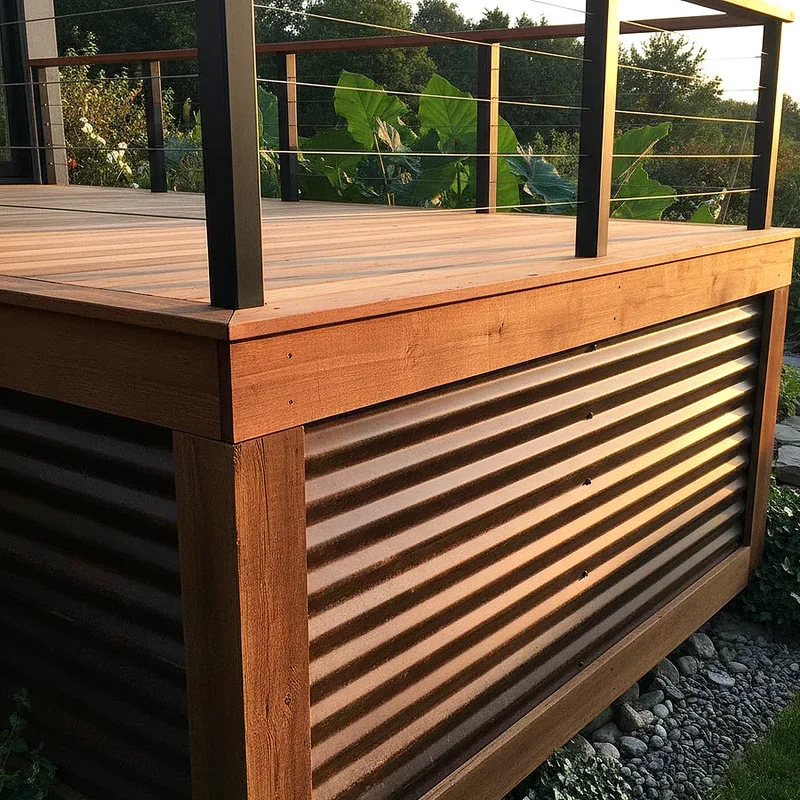
Want to add an industrial edge to your outdoor space? Corrugated metal skirting delivers bold, modern aesthetics with exceptional durability. This material brings a unique texture that creates visual interest through its distinctive wave pattern running horizontally around your deck. Metal naturally resists moisture, rot, and pest damage, making it ideal for challenging climates or ground conditions. You can find corrugated panels in various finishes including galvanized steel, aluminum, and even copper for upscale applications. The horizontal ridges cast interesting shadows throughout the day, adding dimensional quality to your deck's foundation. Installation requires proper framing to support the panels and prevent oil canning or buckling. This option works especially well for contemporary homes, farmhouse styles, or properties seeking that urban loft aesthetic.
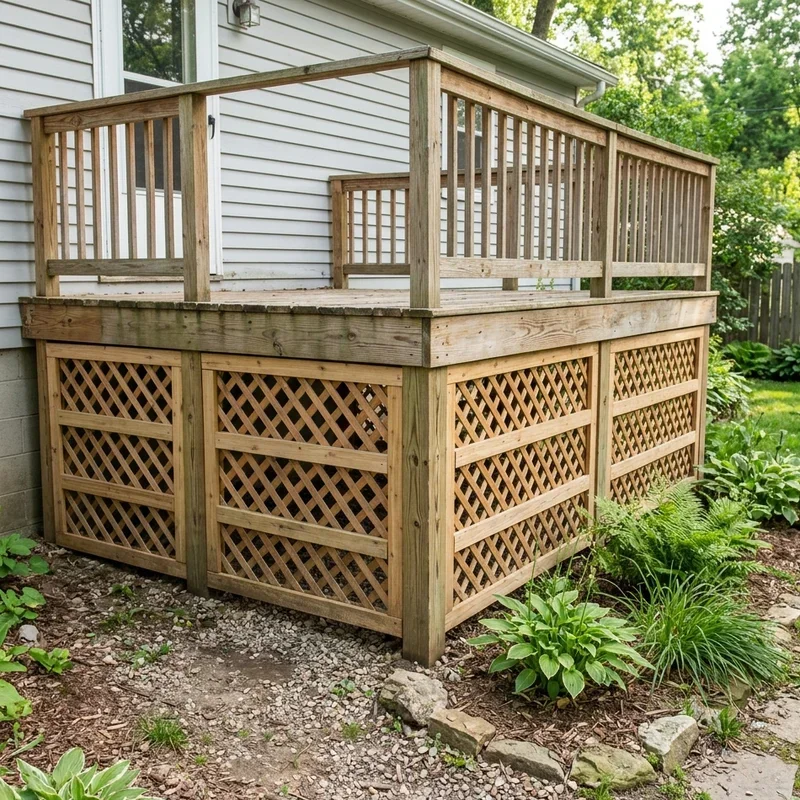
4. Horizontal Lattice Design
Traditional lattice takes on new life when installed horizontally instead of the typical diagonal pattern. This approach creates a more refined, structured appearance that suits modern sensibilities while maintaining excellent airflow beneath your deck. Horizontal lattice panels allow you to peek through to the area below without exposing everything underneath completely. You can paint or stain the lattice to match your home's exterior or create contrast for added visual pop. The grid pattern provides enough coverage to discourage animals from entering while still promoting healthy ventilation that prevents moisture buildup. Installation is quick since lattice comes in pre-made panels that simply attach to your deck's frame. This design works beautifully when you want to grow climbing plants that can weave through the openings naturally.
5. Cedar Plank Horizontal Installation
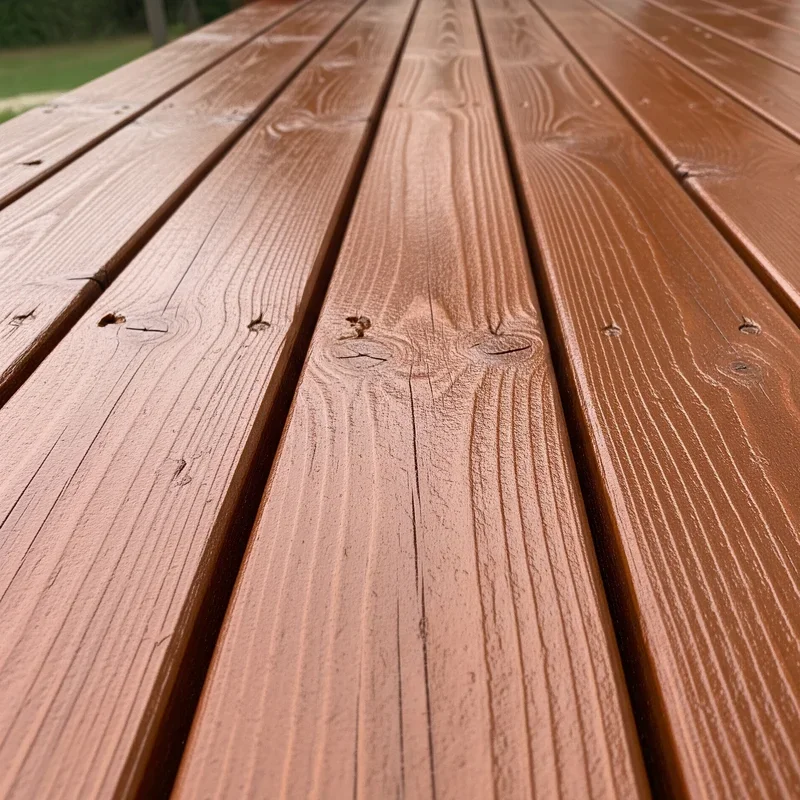
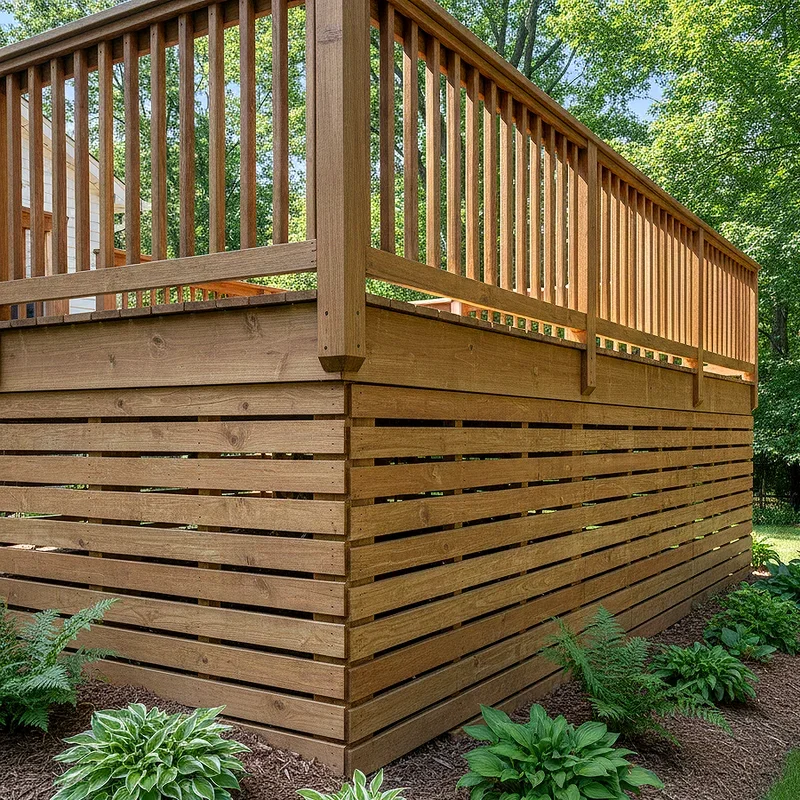
Cedar brings natural beauty and impressive durability to horizontal deck skirting applications. This aromatic wood contains natural oils that repel insects and resist decay, making it perfect for ground-level installations. The rich, warm tones of cedar create an upscale appearance that ages gracefully into beautiful silver-gray patina over time. You can install cedar planks with tight spacing for complete coverage or leave small gaps for enhanced ventilation and visual texture. The horizontal grain pattern of cedar boards emphasizes the natural wood characteristics, showcasing knots and color variations beautifully. Cedar accepts stains and sealers exceptionally well if you prefer maintaining its original color rather than allowing natural weathering. This premium option delivers long-lasting performance with minimal maintenance requirements compared to other wood species.
6. Vinyl Horizontal Boards
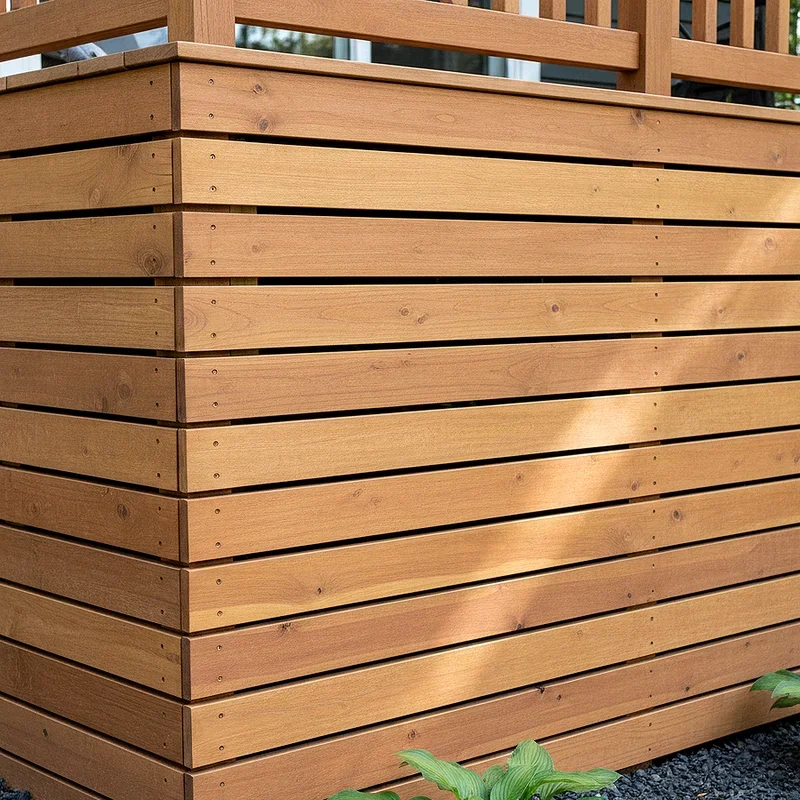
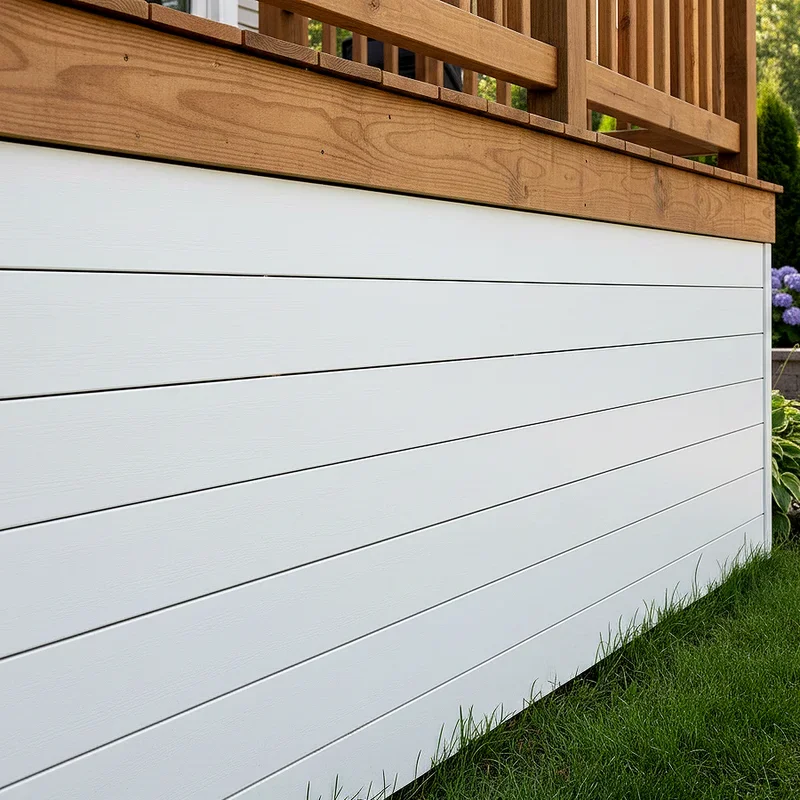
Vinyl skirting offers homeowners a maintenance-free solution that withstands harsh weather conditions without fading or deteriorating. Modern vinyl products have evolved far beyond the flimsy materials of decades past, now offering realistic textures and colors. Horizontal vinyl boards install quickly using clips or screws, creating clean lines that complement contemporary deck designs perfectly. You'll never need to paint, stain, or seal vinyl skirting, saving countless hours and dollars over your deck's lifetime. These boards resist moisture completely, preventing mold, mildew, and rot that plague natural wood alternatives in damp environments. Many manufacturers offer color-matching trim pieces that create professional-looking corners and edges without complicated cutting. Vinyl remains affordable while delivering decades of trouble-free service, making it ideal for budget-conscious homeowners seeking modern style.
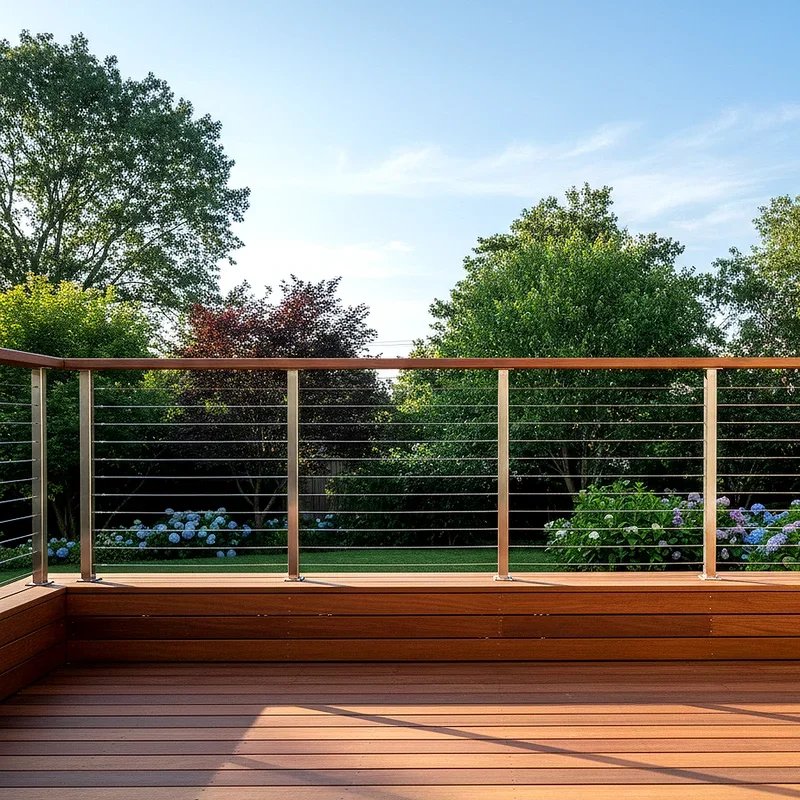
7. Horizontal Cable Railing Style
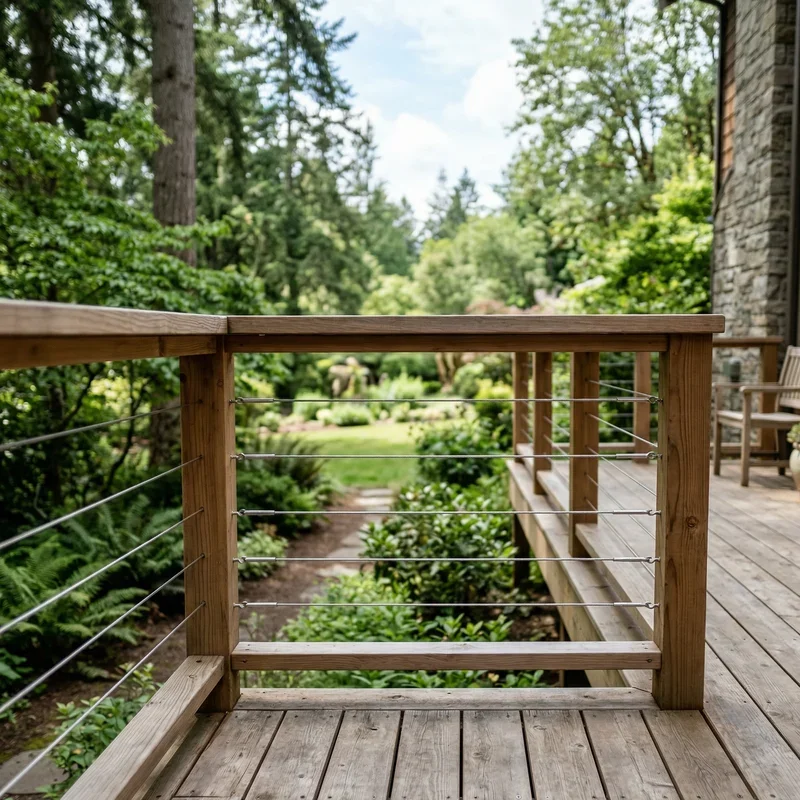
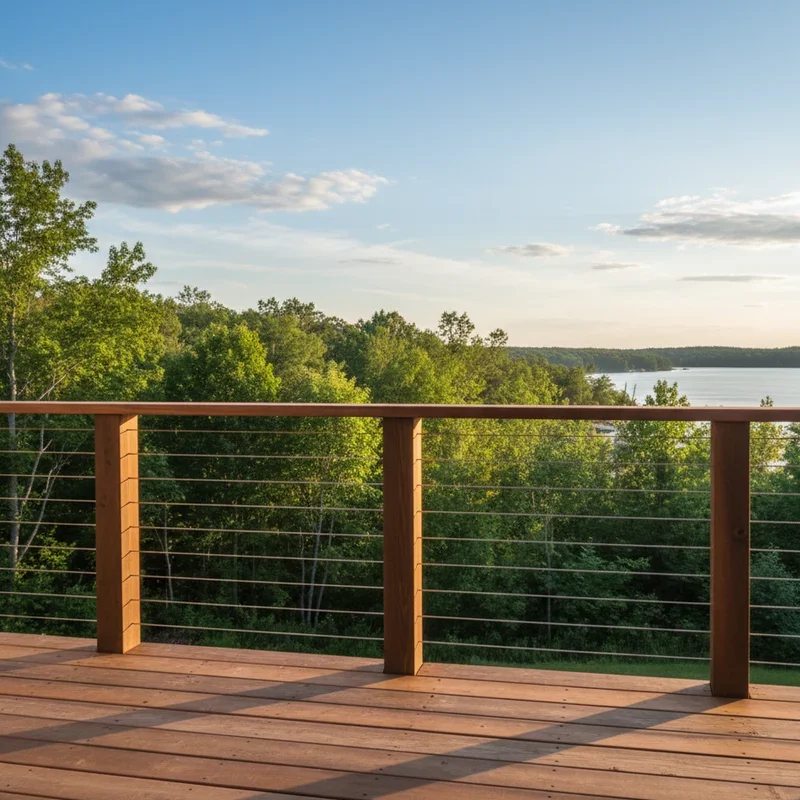
Borrowing from modern railing designs, horizontal cable systems create an ultra-contemporary skirting option that maximizes visibility and airflow. Stainless steel cables stretch horizontally between posts, offering minimalist aesthetics that suit high-end modern homes beautifully. This open design maintains clear sightlines to landscaping while providing a subtle barrier that discourages larger animals. The cable system works especially well for elevated decks where you want to preserve views of gardens or yards below. Installation requires precise tensioning to keep cables taut and prevent sagging over time, making this a job for professionals. You can combine cables with horizontal boards at the bottom for additional coverage while maintaining the sleek cable appearance above. This premium option delivers architectural interest that becomes a focal point rather than simply functional necessity.
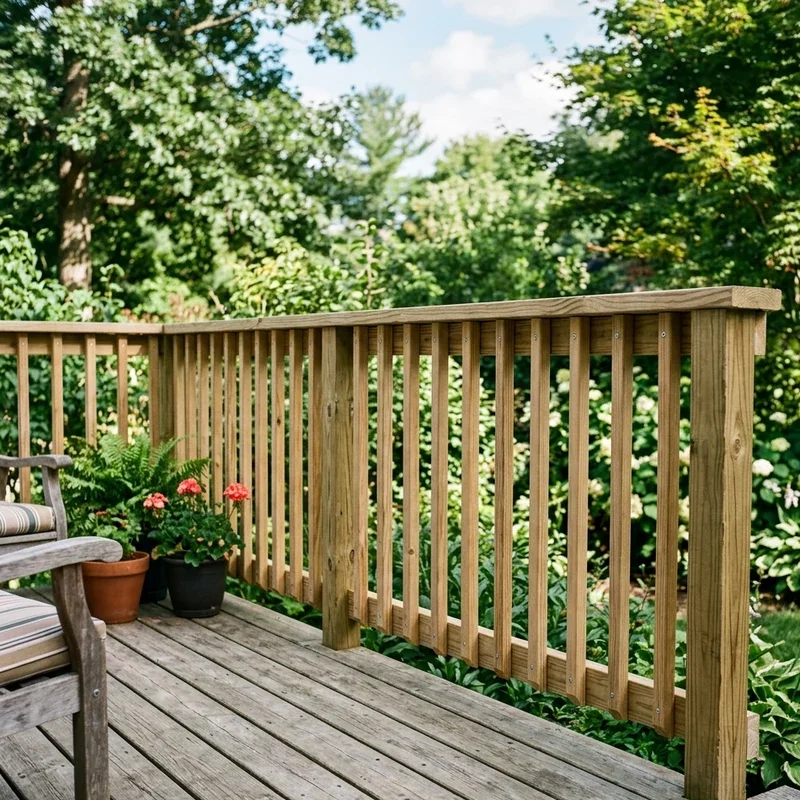
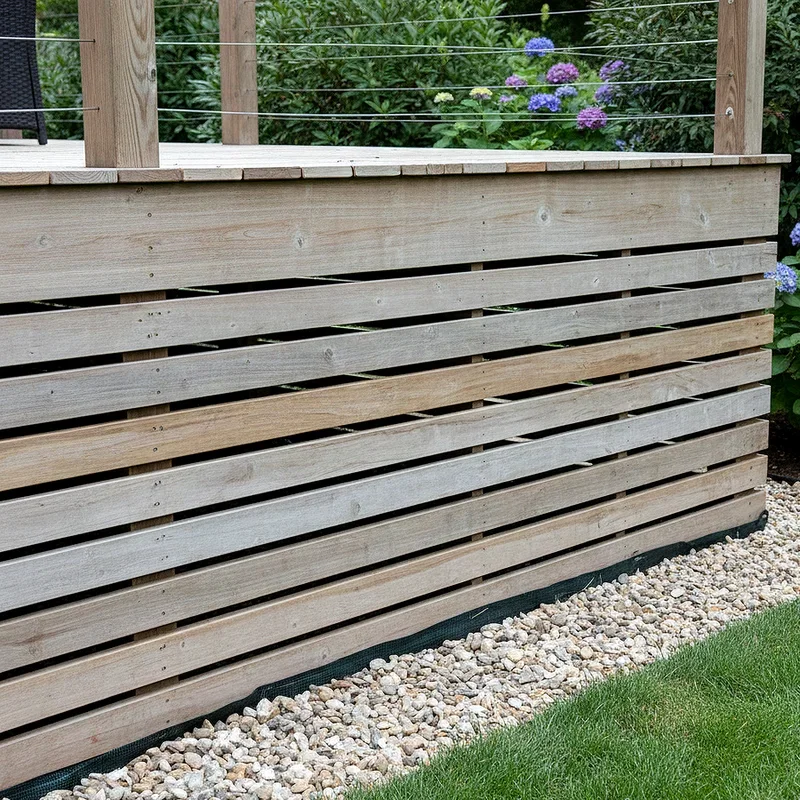
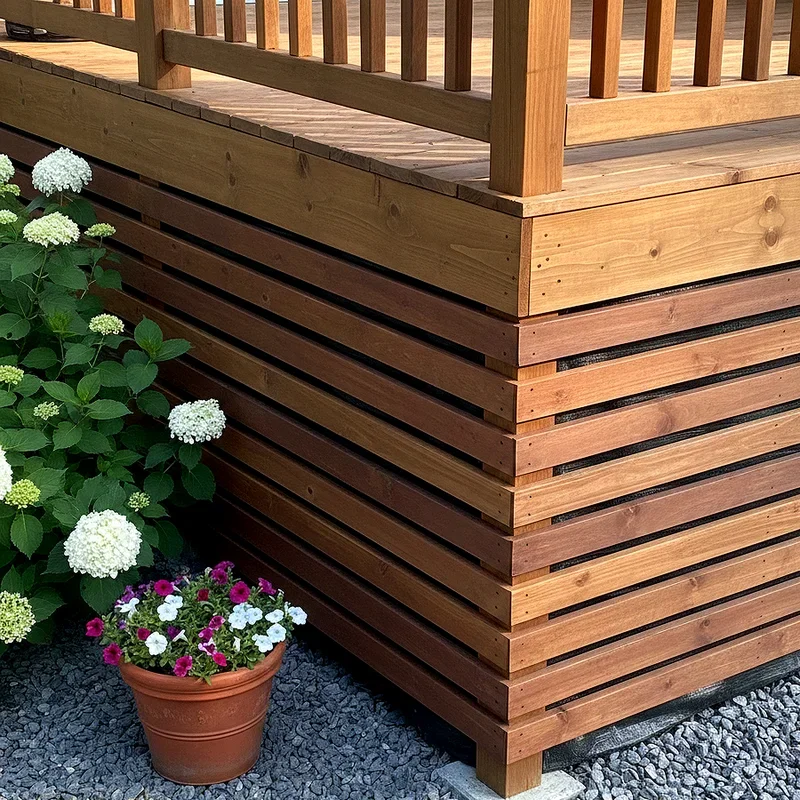
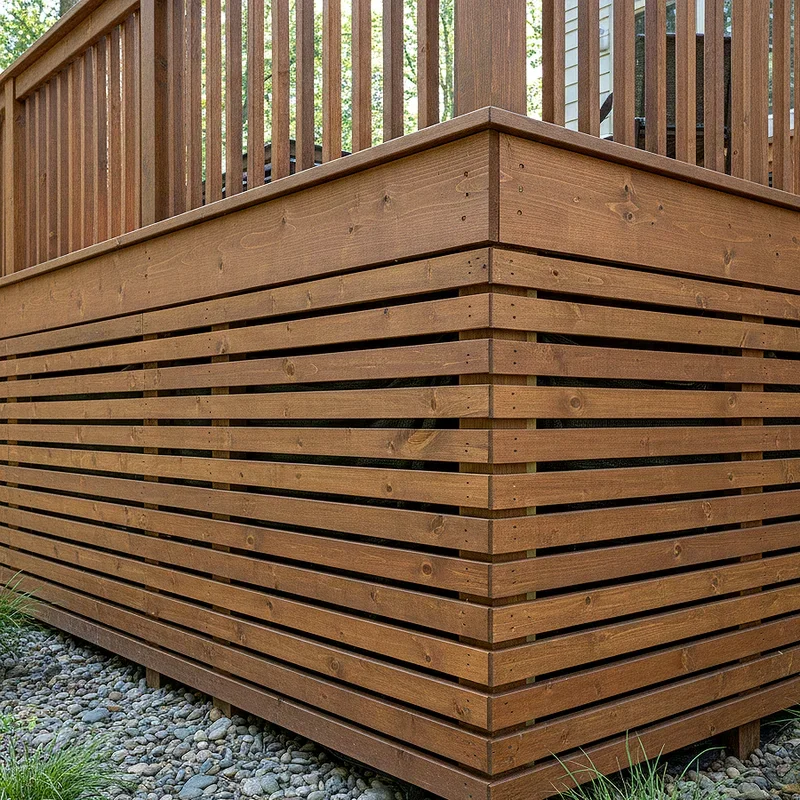
8. Stained Horizontal Battens
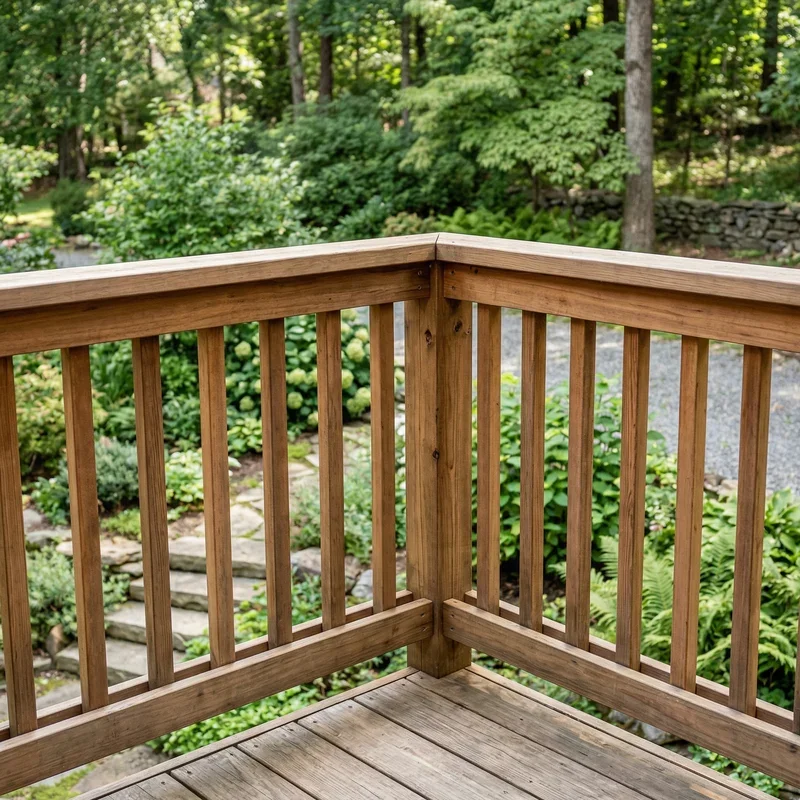
Battens create striking horizontal lines with alternating boards and spaces that add depth and dimension to deck skirting. This design uses narrow boards spaced evenly apart, creating a rhythm that guides the eye horizontally around your deck's perimeter. Staining the battens in contrasting colors or varying shades adds extra visual interest and highlights the geometric pattern beautifully. The spacing between boards promotes excellent ventilation while still providing adequate screening from curious pets or wildlife. You can adjust the gap width based on your needs, making spaces tighter for more privacy or wider for enhanced airflow. This approach works wonderfully when you want architectural detail without overwhelming simplicity of your deck's overall design. Installation requires careful measurement to ensure consistent spacing, but the stunning results justify the extra effort involved.
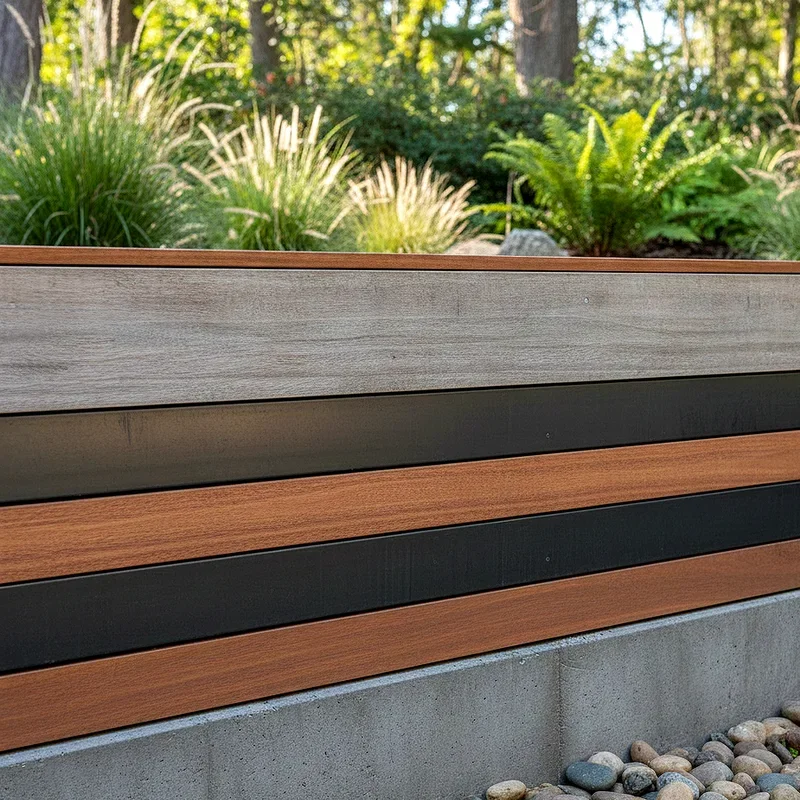
9. Mixed Material Horizontal Panels
Why choose just one material when combining different elements creates truly unique horizontal deck skirting? Mixing wood with metal, stone with composite, or any other combination lets you express personal style while solving practical challenges. You might use durable metal panels on lower sections prone to moisture while finishing upper areas with warm wood tones. Horizontal arrangements work particularly well for mixed materials since the clean lines help different textures and colors coordinate harmoniously. This approach allows you to match multiple exterior elements of your home, tying together various architectural features seamlessly. Consider how materials interact visually, ensuring contrasts enhance rather than clash with your overall design scheme. Mixed material skirting often becomes a conversation piece that showcases your creativity and attention to detail throughout your property.
10. Horizontal Louver Skirting
Louvered panels arranged horizontally combine the best of both worlds, offering privacy while maintaining excellent ventilation underneath your deck. These angled slats allow air to flow freely while blocking direct sightlines, creating an elegant solution for modern homes. The shadow patterns created by horizontal louvers add visual texture that changes throughout the day as sunlight shifts. You can find louver systems in wood, vinyl, aluminum, or composite materials to suit any budget or style preference. Installation typically involves pre-made panels that mount easily to your deck's support structure, speeding up the project considerably. Louvers prevent rain and debris from blowing directly under your deck while allowing moisture to escape freely. This design particularly suits climates with high humidity where ventilation becomes crucial for preventing mold and wood rot problems.
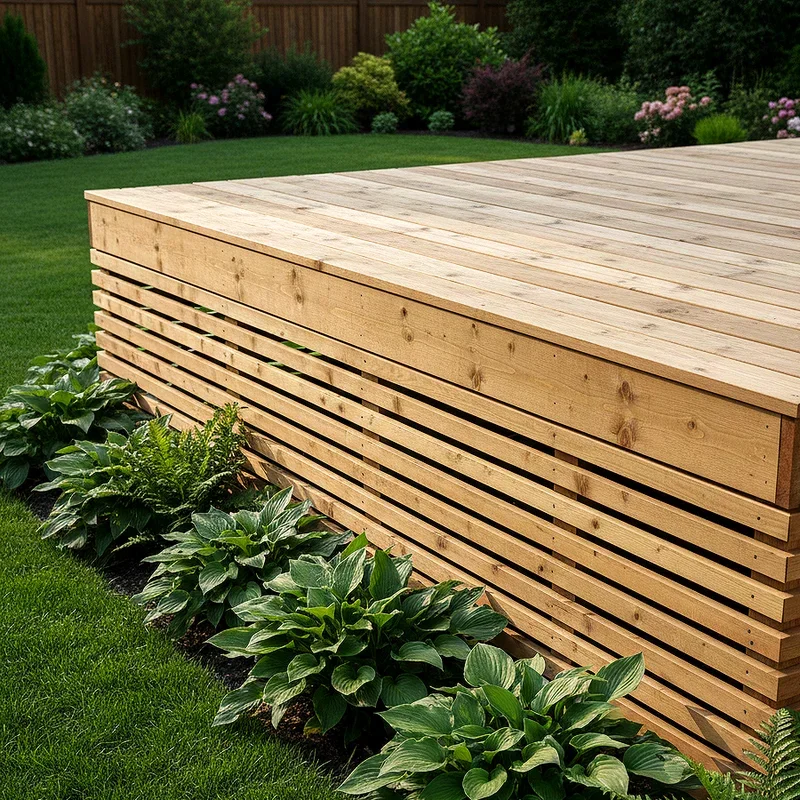
11. Painted Horizontal Shiplap
Shiplap siding isn't just for interior walls anymore; it creates charming horizontal deck skirting with farmhouse or coastal appeal. The overlapping boards provide complete coverage while adding subtle texture through the shadow lines where boards meet. Painting shiplap in crisp white creates fresh, clean aesthetics perfect for beachside properties or cottage-style homes. You can choose any color that complements your home's exterior, from bold navy to soft sage green. The horizontal installation emphasizes the classic shiplap profile while making your deck appear wider and more substantial. Installation requires attention to detail ensuring boards remain level and properly overlapped for weather resistance. This timeless design approach bridges traditional and modern styles, working beautifully across various architectural types throughout residential neighborhoods.
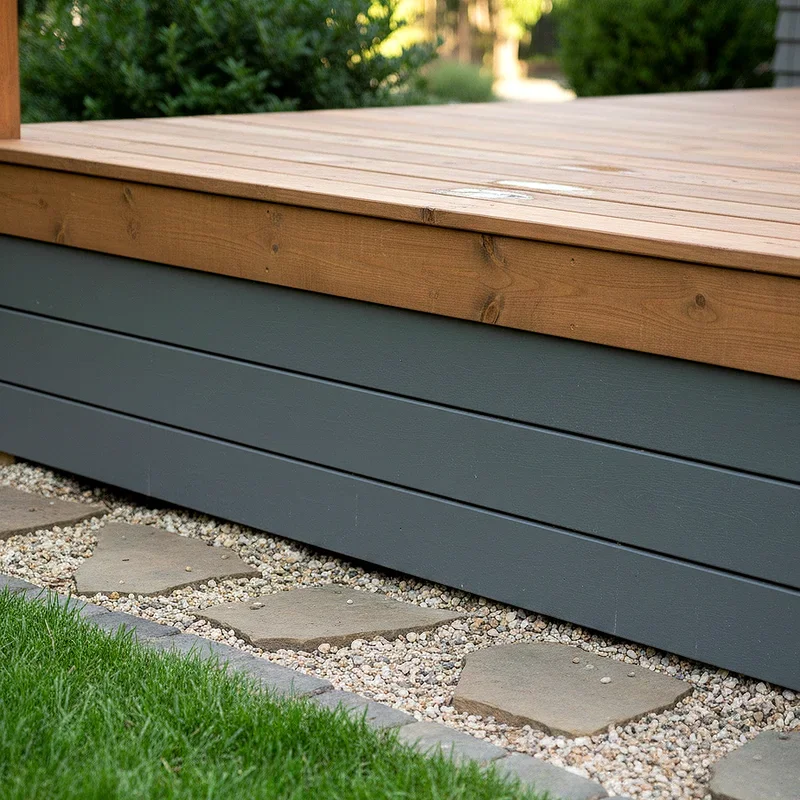
12. Horizontal Stone Veneer Panels
Stone veneer brings natural elegance and substantial visual weight to horizontal deck skirting applications. Modern manufactured stone panels make this luxurious look accessible and easier to install than traditional masonry work. Horizontal stacking of stone creates a ledger effect that appears both contemporary and timeless, elevating your deck's foundation dramatically. These panels resist weather damage completely while requiring virtually no maintenance beyond occasional cleaning with water. You can choose from countless stone types and colors, from stacked slate to river rock textures. The added mass of stone veneer helps anchor your deck visually, making the entire structure feel more permanent and substantial. Installation requires proper support since stone weighs significantly more than wood or composite alternatives, but results deliver unmatched sophistication.
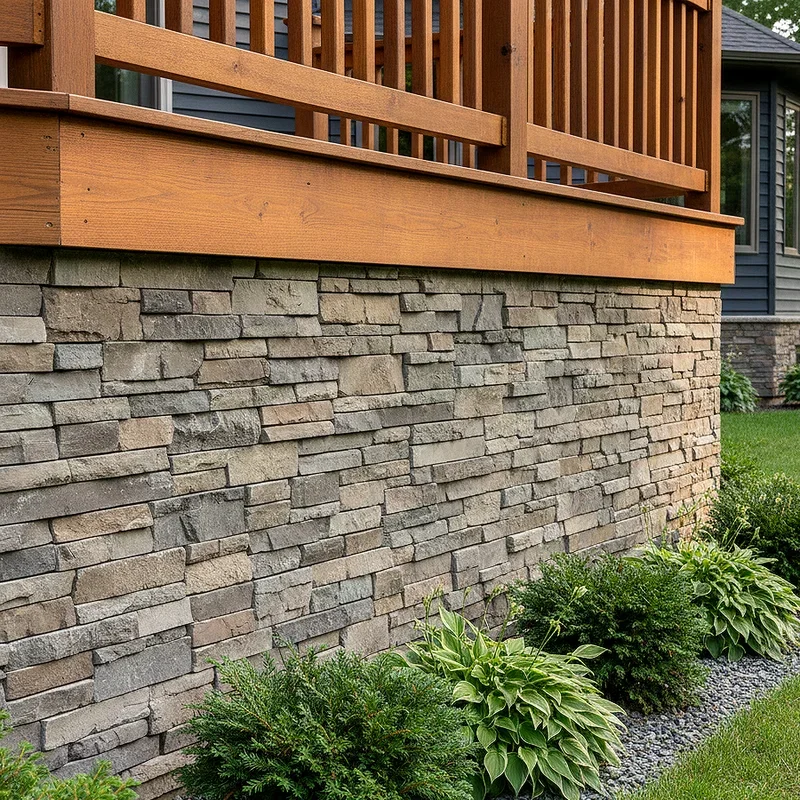
13. Horizontal Fiber Cement Boards
Fiber cement combines the beauty of wood siding with the durability of masonry in horizontal deck skirting applications. This engineered material resists fire, insects, rot, and impact damage while maintaining its appearance for decades. You can find fiber cement boards with smooth or textured finishes that mimic natural wood grain convincingly. Horizontal installation creates clean, modern lines that work beautifully with contemporary architecture and traditional homes alike. The material accepts paint exceptionally well and holds color far longer than wood, reducing maintenance frequency significantly. Fiber cement costs more initially than vinyl but less than premium wood, offering excellent value for performance. Installation requires carbide-tipped blades and proper dust management, making this a project better suited for experienced contractors or dedicated DIY enthusiasts.
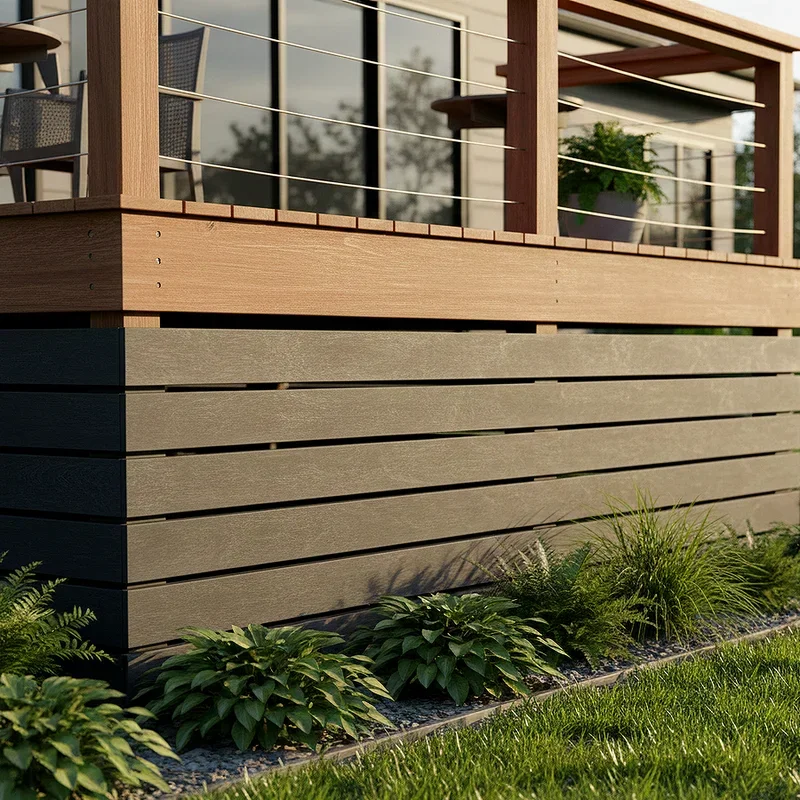
14. Reclaimed Wood Horizontal Design
Reclaimed wood brings character, sustainability, and unique beauty to horizontal deck skirting projects. Each board tells a story through its weathered patina, nail holes, and natural imperfections that new materials cannot replicate. Arranging these varied boards horizontally creates visual interest through changing colors and textures that blend into cohesive design. You're making an environmentally conscious choice by giving old barn wood, pallet boards, or demolished building materials new life. The rustic appearance of reclaimed wood pairs wonderfully with modern architecture, creating intentional contrast that feels both edgy and warm. Sourcing quality reclaimed wood requires patience and careful inspection to ensure boards remain structurally sound for skirting applications. This option delivers one-of-a-kind results that reflect your values while adding authentic character to your outdoor living space.
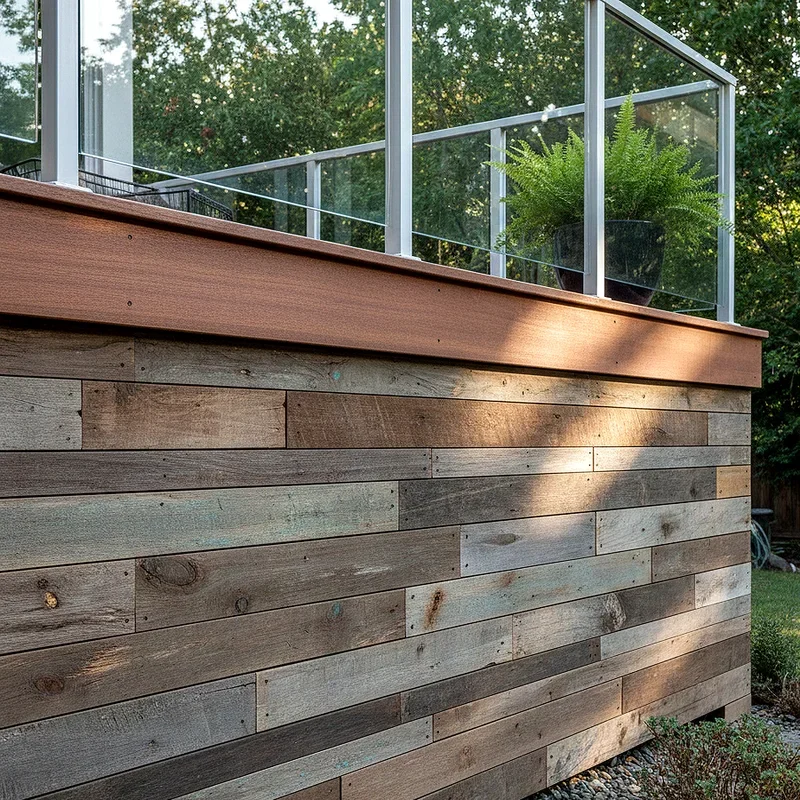
15. Horizontal Metal Slat System
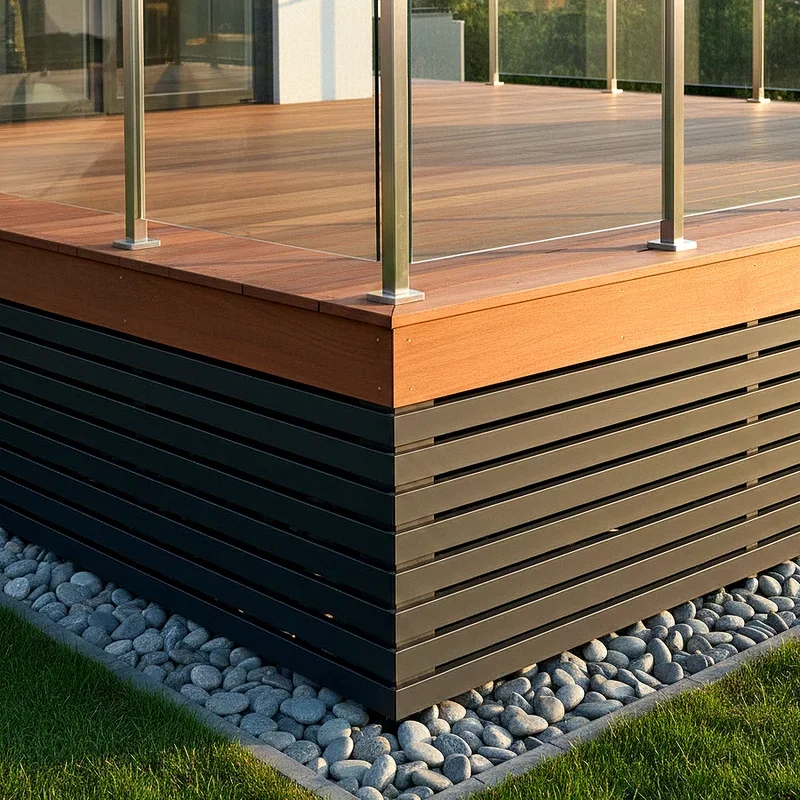
Sleek aluminum or steel slats arranged horizontally deliver cutting-edge modern aesthetics for contemporary deck designs. These precision-manufactured systems often feature powder-coated finishes in various colors from classic black to bold architectural hues. The narrow profile of metal slats creates refined horizontal lines that emphasize clean, minimalist design principles beautifully. Metal resists all weather conditions without fading, warping, or requiring any maintenance beyond occasional hosing to remove dirt. You can adjust spacing between slats based on your privacy needs and ventilation requirements for the area beneath. Installation systems typically include mounting brackets and hardware designed specifically for quick, professional-looking results. This premium option suits modern homes where architectural details make strong statements, and durability matters as much as distinctive appearance.
Conclusion
Horizontal deck skirting transforms functional necessity into design opportunity, elevating your outdoor space with modern style and practical benefits. From classic wood slats to contemporary metal systems, these fifteen ideas demonstrate how horizontal designs create clean lines that complement today's architectural trends. Your choice depends on factors like climate, budget, maintenance preferences, and desired aesthetics. Remember that proper installation ensures longevity regardless of material selection. Don't let the space beneath your deck remain an afterthought when it could become a striking feature that enhances your home's overall appeal and value significantly.
Read next: 15 Pallet Deck Ideas to Upgrade Your Backyard Space
Frequently Asked Questions
Q1. What is the most durable material for horizontal deck skirting?
A: Metal and composite materials offer superior durability, resisting weather, pests, and rot effectively.
Q2. How much does horizontal deck skirting typically cost per linear foot?
A: Costs range from three to twenty dollars per linear foot depending on material choice.
Q3. Can I install horizontal deck skirting myself or should I hire professionals?
A: DIY installation works for simple materials, but complex systems benefit from professional expertise.
Q4. How do I maintain horizontal wood deck skirting over time?
A: Clean annually and reapply stain or sealant every two to three years for protection.
Q5. Does horizontal deck skirting require ventilation openings to prevent moisture problems?
A: Yes, proper ventilation prevents moisture buildup, mold growth, and structural damage underneath decks.
Stay up to date with our latest ideas!