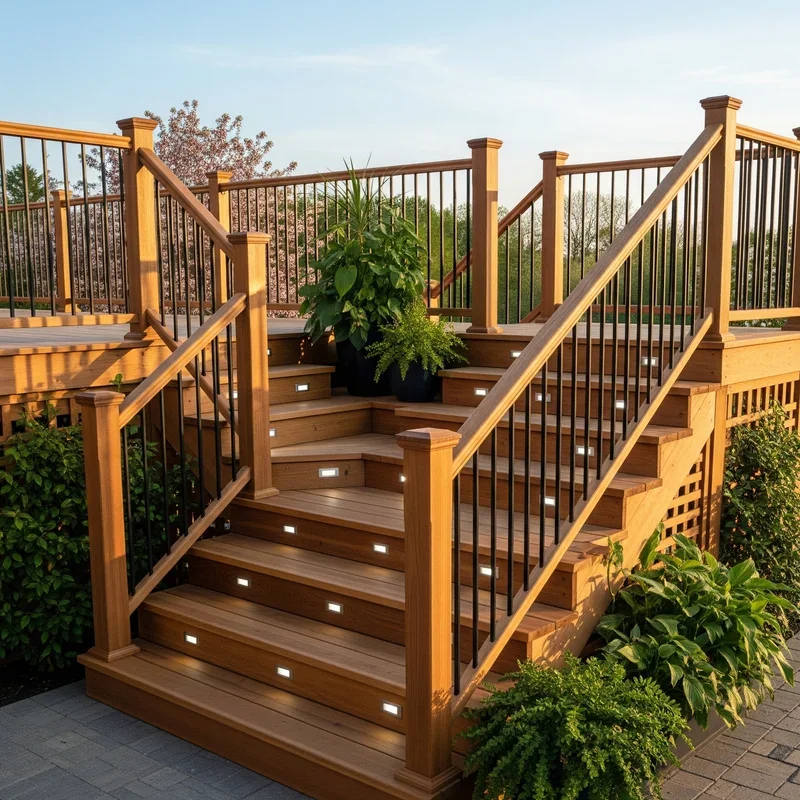
Transform your tiny outdoor space with 15 creative small deck ideas. Maximize comfort and style in compact areas with expert design tips.
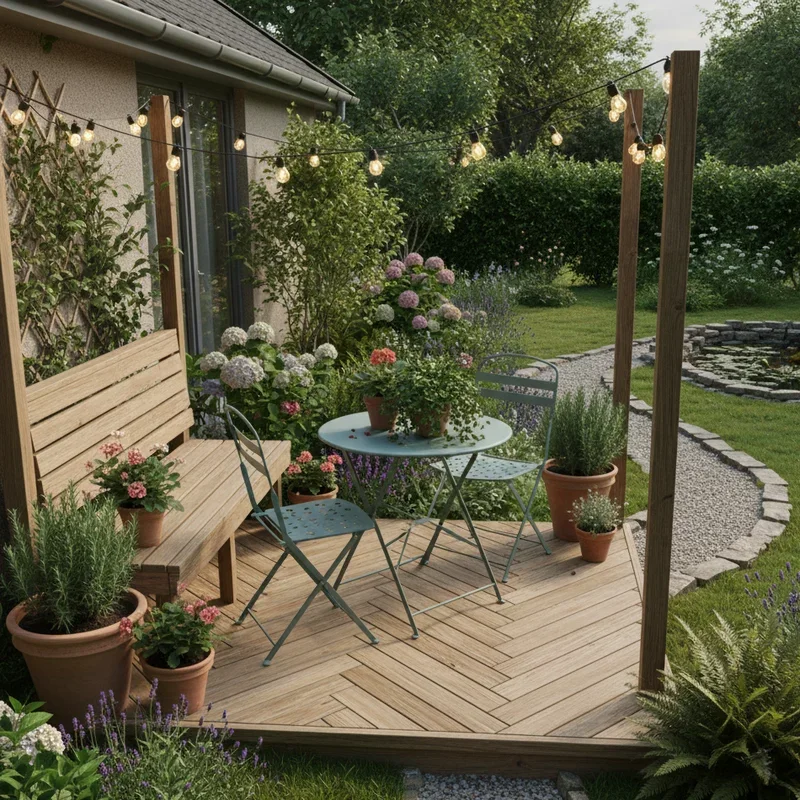
Who says you need a sprawling backyard to create an outdoor oasis? Let me tell you, size doesn't matter when it comes to crafting your perfect retreat! Small decks pack a powerful punch, offering intimate spaces where you can sip morning coffee, host friends, or simply breathe in fresh air after a long day. Think of a small deck as a jewelry box rather than a warehouse: every inch matters, every choice counts, and the result can be absolutely stunning. You're probably wondering how to squeeze functionality, beauty, and comfort into a limited footprint without making it feel cramped or cluttered, right? That's exactly what we're diving into today! Whether you're working with a narrow balcony, a petite patio, or a modest backyard nook, these 15 small deck ideas will revolutionize how you view compact outdoor spaces. We'll explore clever design tricks, space-saving furniture solutions, and creative layouts that make small spaces feel surprisingly spacious. From vertical gardens that draw the eye upward to multi-functional furniture that works overtime, you'll discover how strategic planning transforms constraints into opportunities. Ready to turn that overlooked outdoor corner into your favorite hangout spot? Let's explore these brilliant small deck ideas that prove great things truly do come in small packages!
1. Multi-Level Mini Deck Design
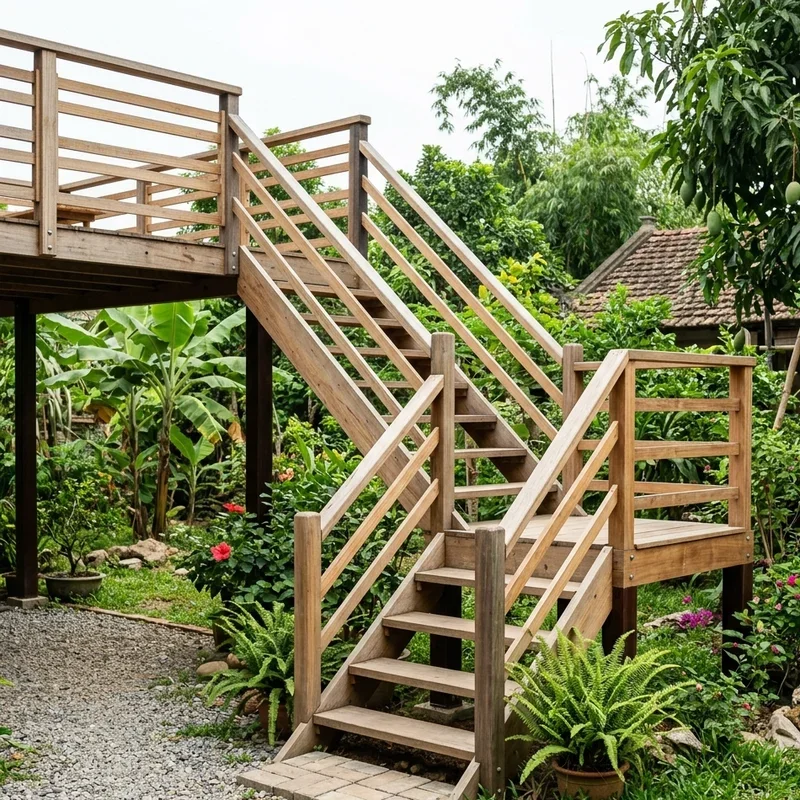
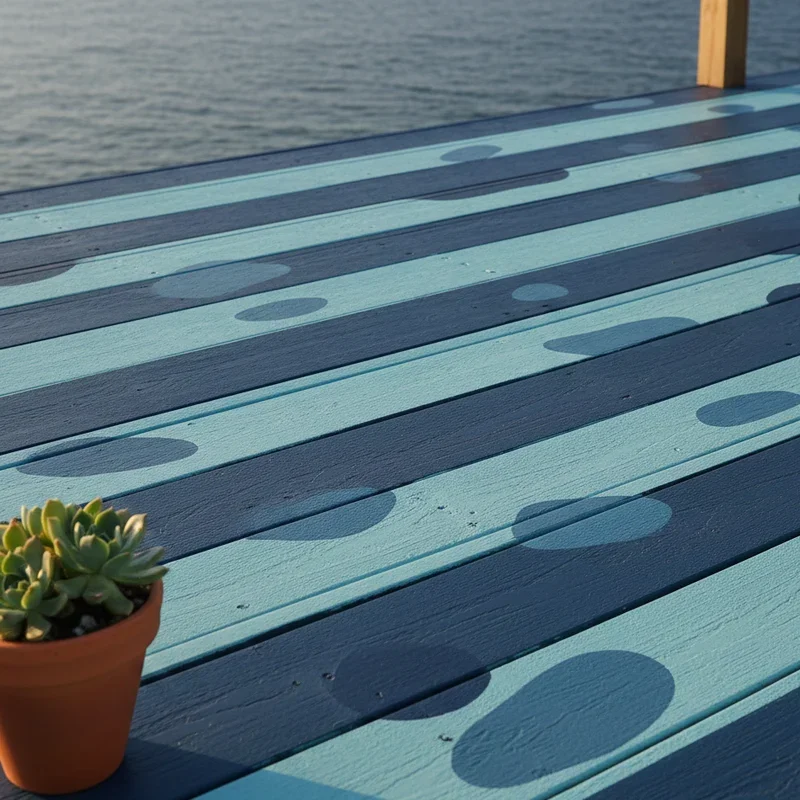
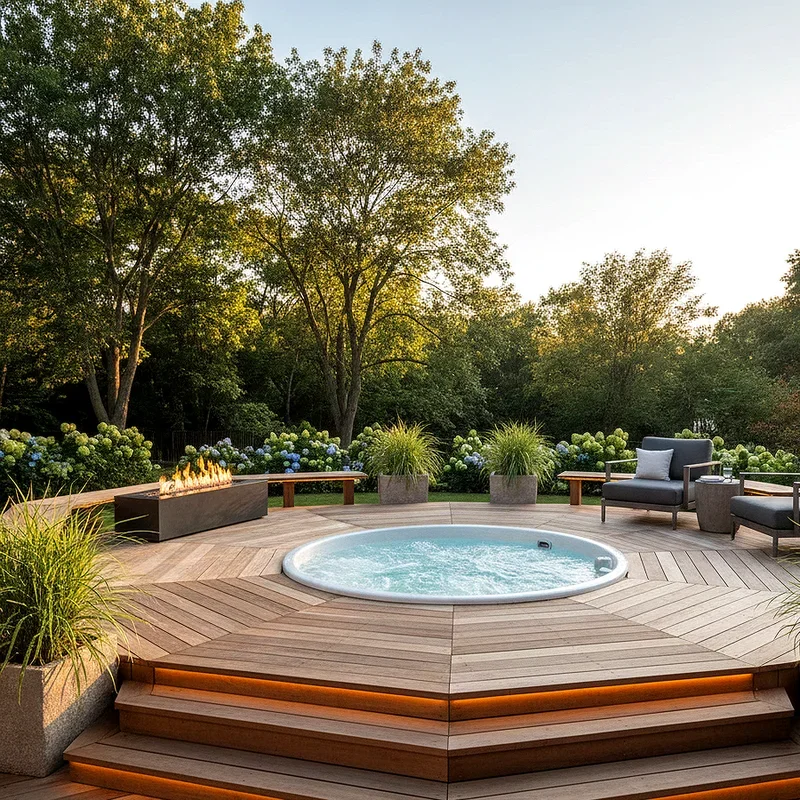
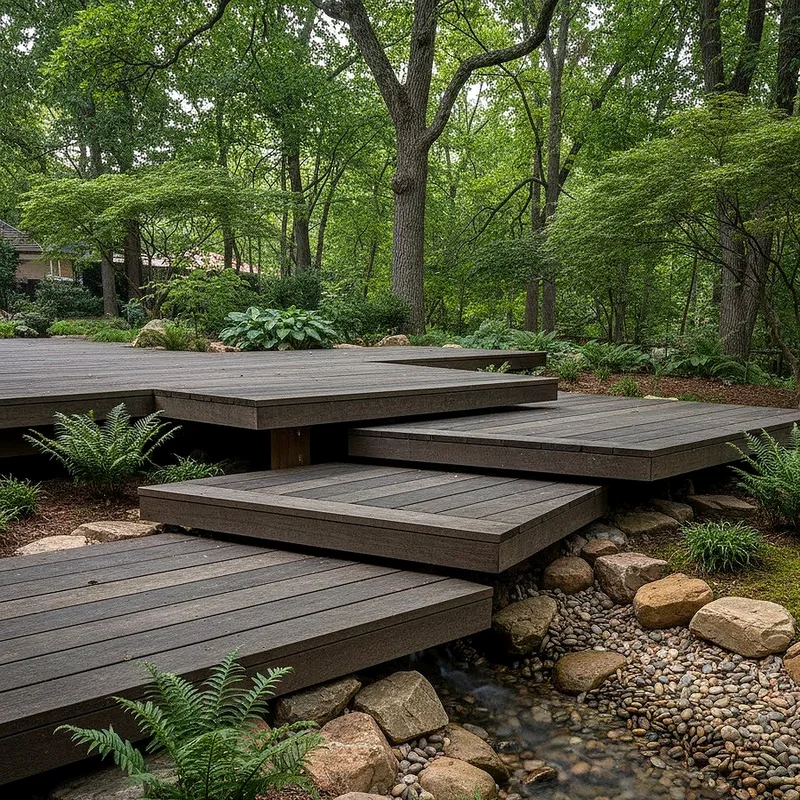
Creating different levels on your small deck adds visual interest while defining separate zones without walls or dividers. Picture this: one elevated platform for dining, another slightly lower for lounging, instantly making your compact space feel larger and more dynamic! The elevation changes naturally guide foot traffic and create purposeful areas that prevent that cramped, one-dimensional feeling. You'll maximize functionality by dedicating each level to specific activities, like morning coffee on the upper tier and evening relaxation below. This design trick also works wonders for sloped yards, turning a challenge into an architectural feature. Consider using contrasting deck board colors or patterns to emphasize each level's uniqueness. The dimensional quality creates shadows and depth that fool the eye into perceiving more square footage than actually exists!
2. Corner Deck Maximization
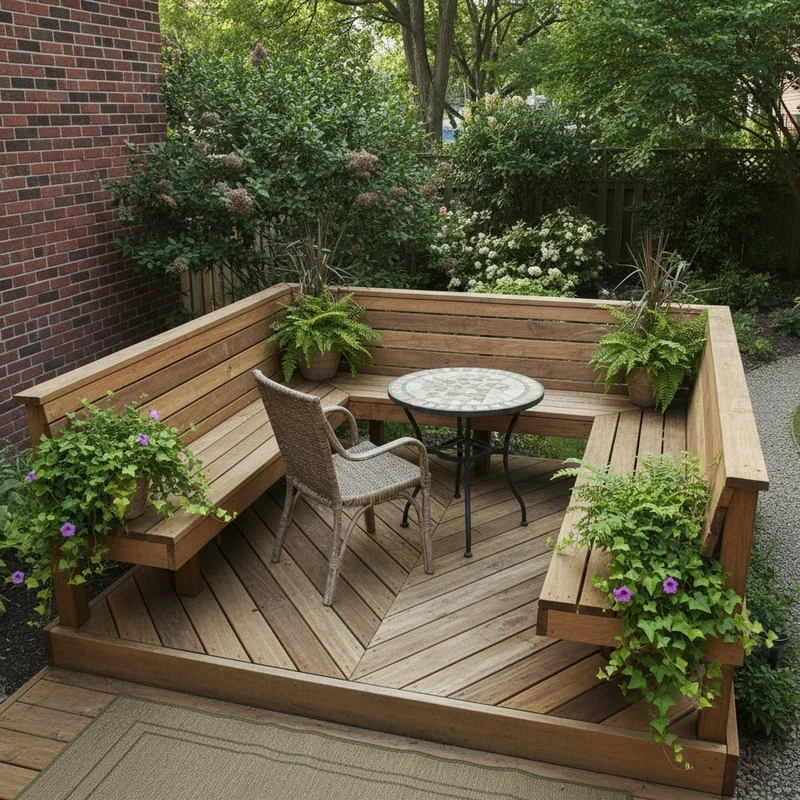
That awkward corner of your yard deserves better than being forgotten! Corner decks nestle snugly into L-shaped spaces, transforming dead zones into functional retreats that feel naturally protected and intimate. You're essentially creating an outdoor room with two walls already provided by your home's exterior, reducing construction costs while maximizing privacy. This configuration works brilliantly for small properties where every inch counts, offering shelter from wind and creating a cozy enclosure. Add corner seating that wraps around the perimeter, and you've got built-in conversation areas without sacrificing floor space. The perpendicular house walls provide perfect anchor points for hanging plants, outdoor lighting, or even a small privacy screen. Corner decks feel like secret hideaways, making your small outdoor space seem exclusive rather than cramped!
3. Floating Platform Deck
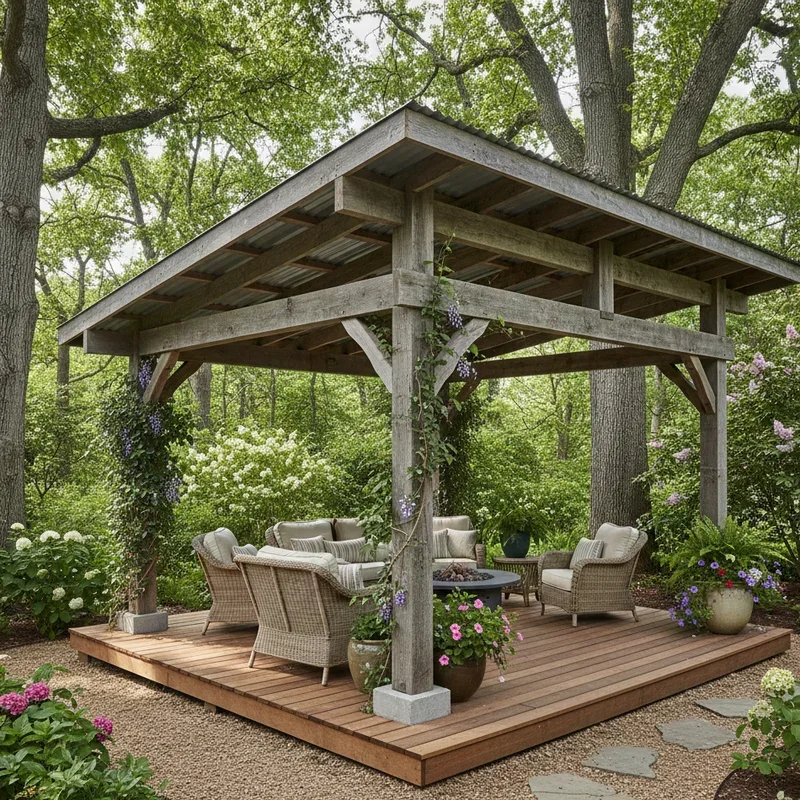
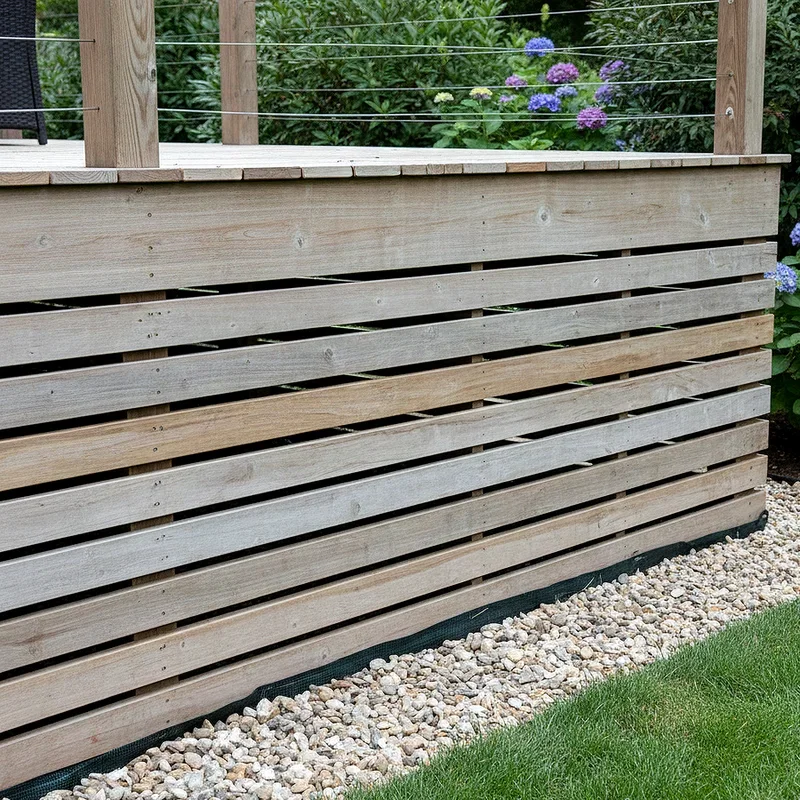
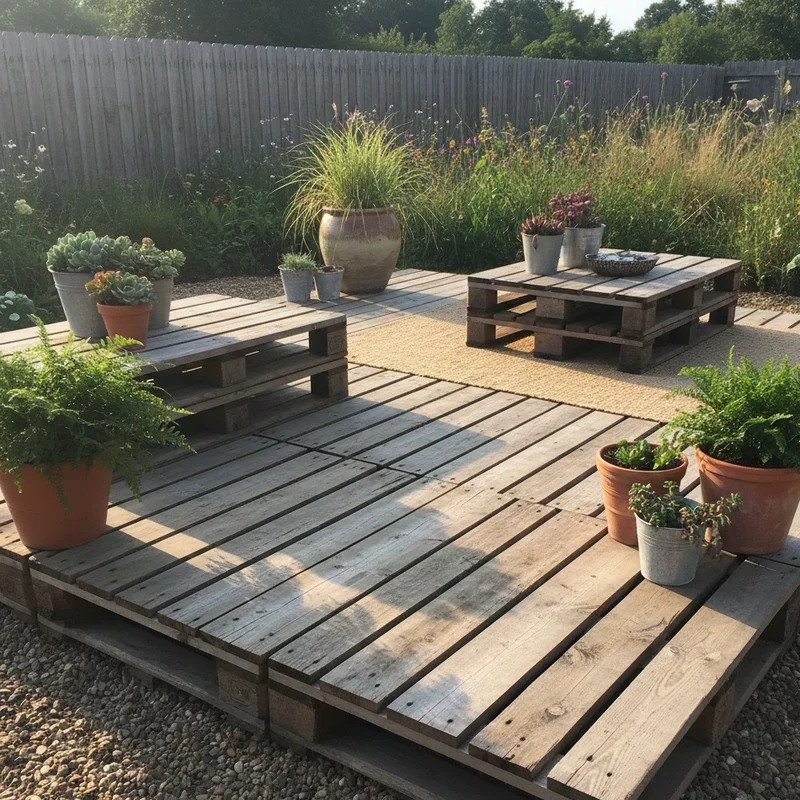
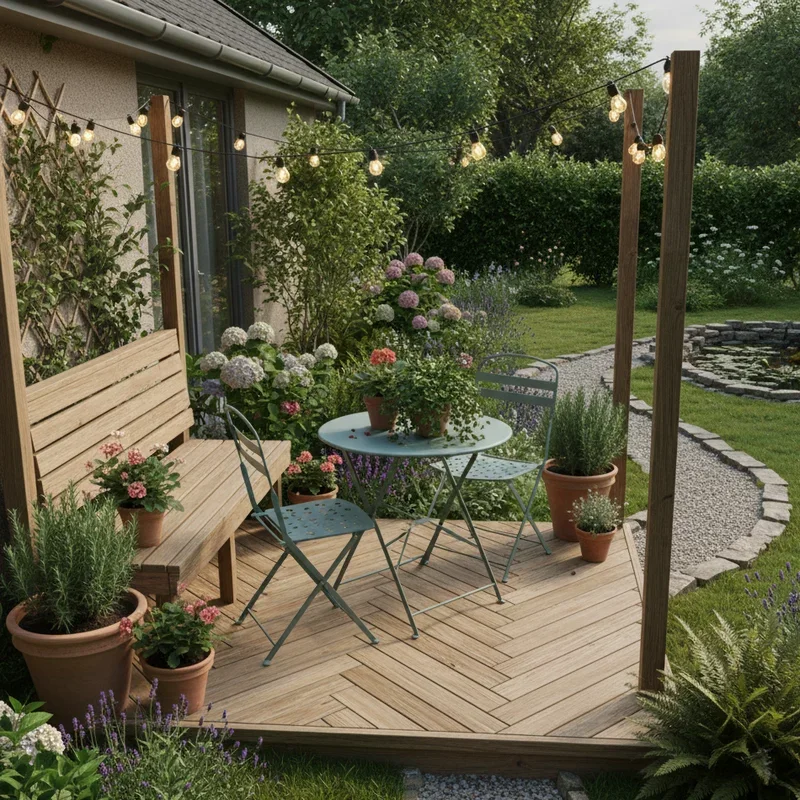
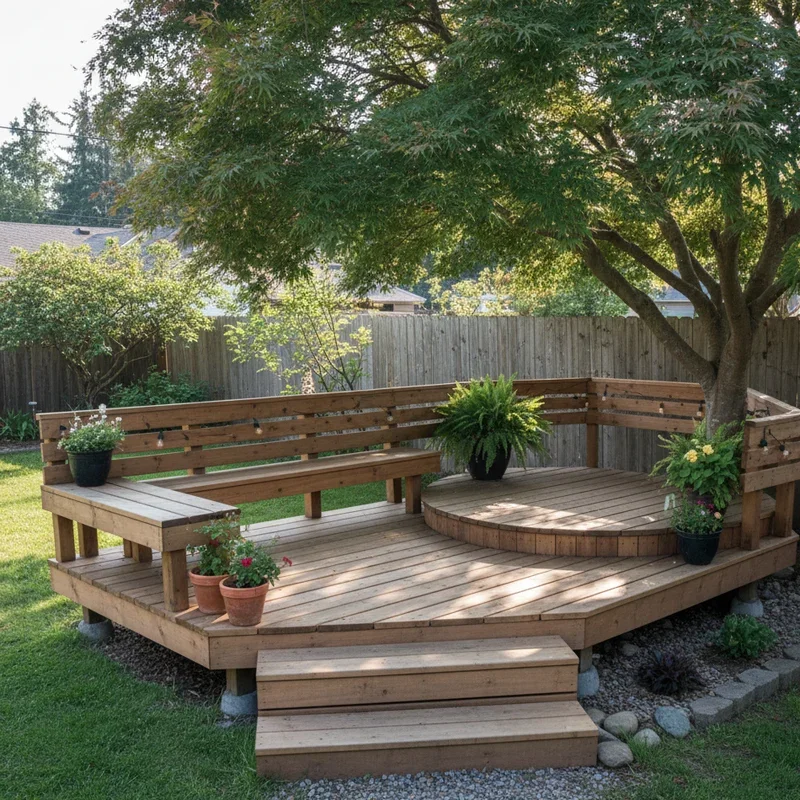
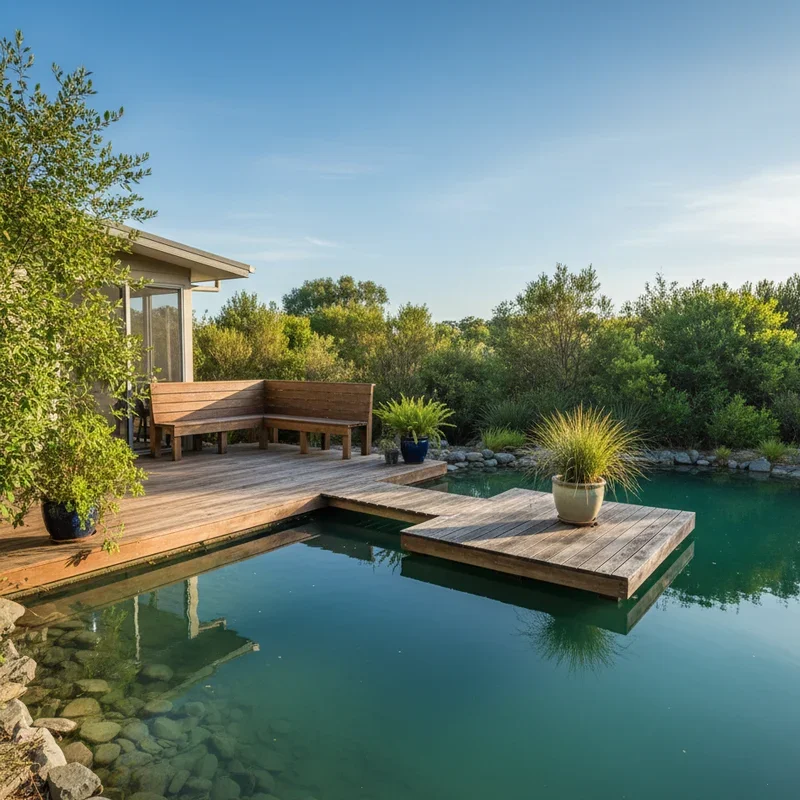
Floating decks sit directly on the ground without deep footings, making them perfect for renters or budget-conscious homeowners wanting temporary outdoor upgrades. These freestanding platforms can be positioned anywhere in your yard, even on slight slopes, offering incredible flexibility in placement and design. You'll appreciate how they require minimal excavation and often don't need building permits, depending on local regulations. The construction process is straightforward enough for confident DIYers, saving significant installation costs compared to traditional attached decks. Think of them as oversized area rugs for your outdoor space, defining and anchoring seating areas beautifully. Surround your floating deck with gravel, mulch, or low-growing groundcover to create clean edges and prevent weed growth underneath. This versatile option lets you experiment with placement before committing to permanent installations!
4. Built-In Seating Solutions
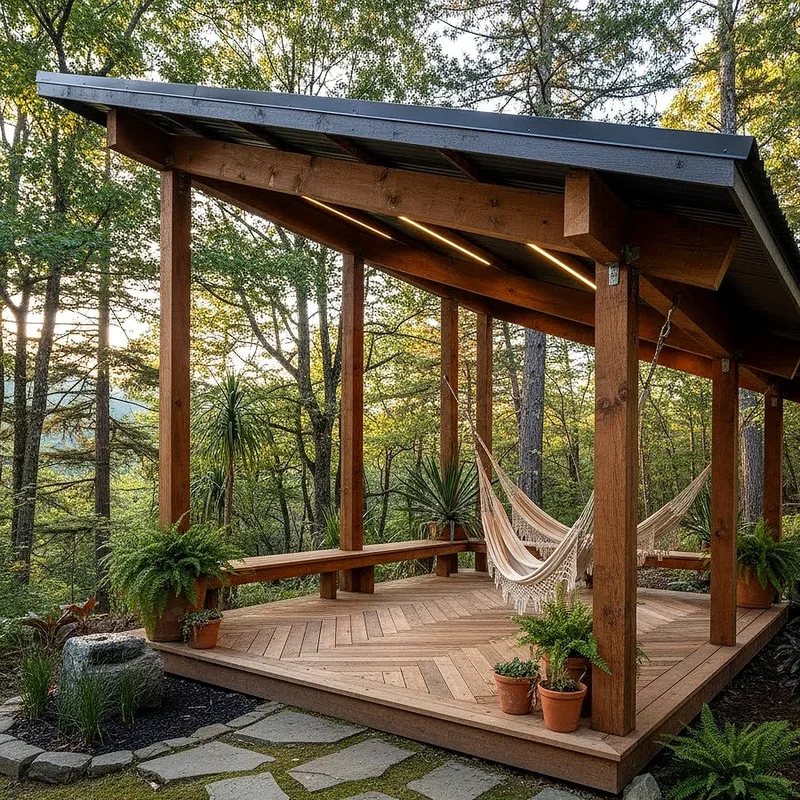
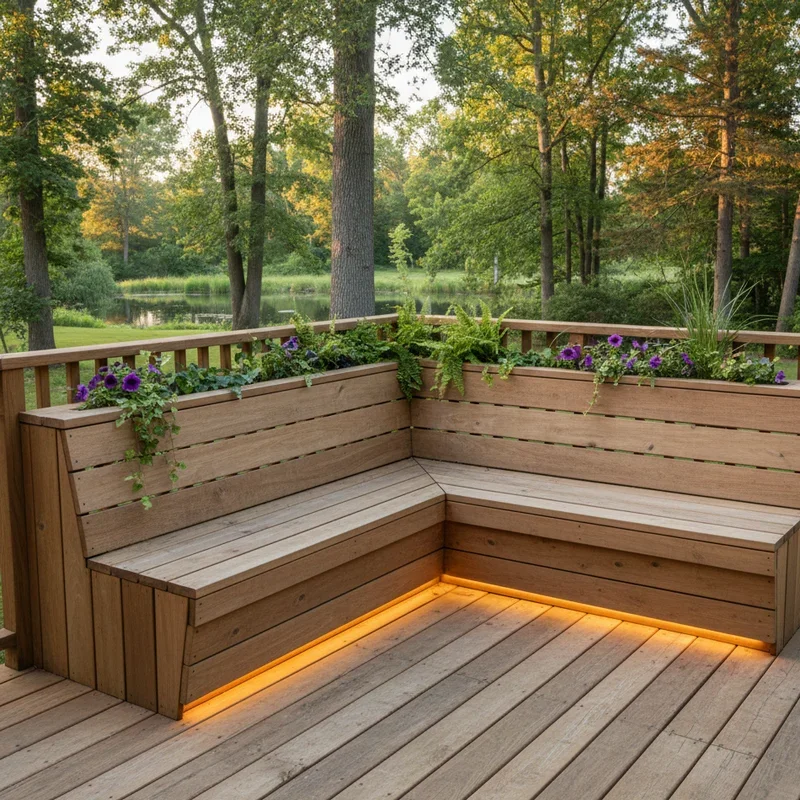
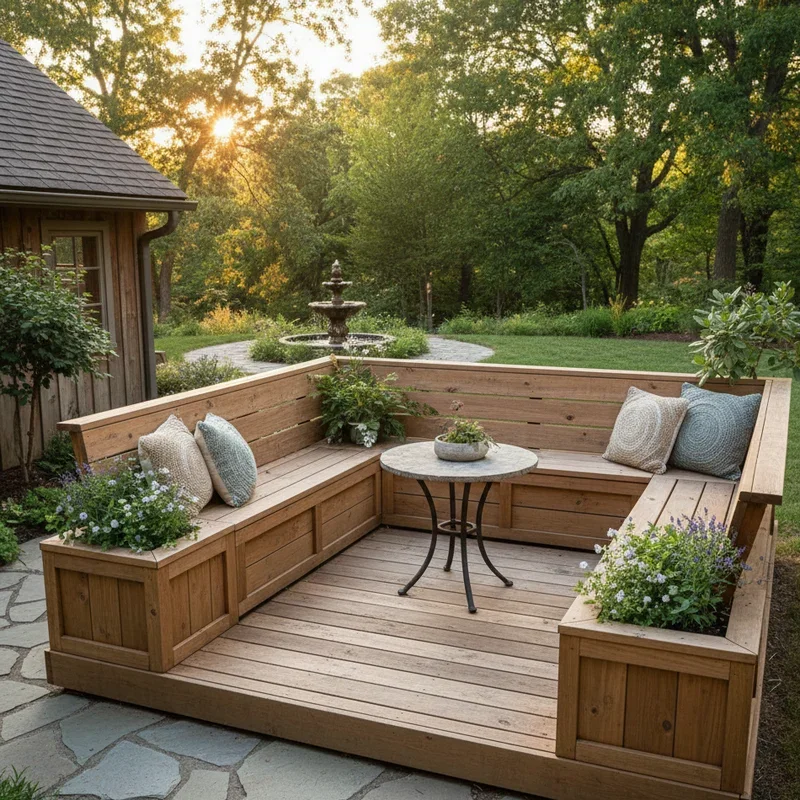
Built-in benches around your deck's perimeter free up valuable floor space while providing ample seating for gatherings without dragging chairs everywhere. These permanent fixtures eliminate furniture shopping headaches and ensure your seating always fits perfectly within your space constraints. You can incorporate hidden storage beneath flip-up seats, solving two problems simultaneously by storing cushions, gardening tools, or outdoor games. The continuous seating line creates visual flow that makes small decks appear more spacious and intentionally designed. Add comfortable cushions in weather-resistant fabrics to transform practical benches into plush seating that rivals any outdoor furniture set. Consider varying bench heights to create interesting levels or incorporating a corner bench to maximize awkward angles. Built-in seating also stays put during storms, eliminating that annoying furniture-chasing routine every time weather threatens!
5. Vertical Garden Integration
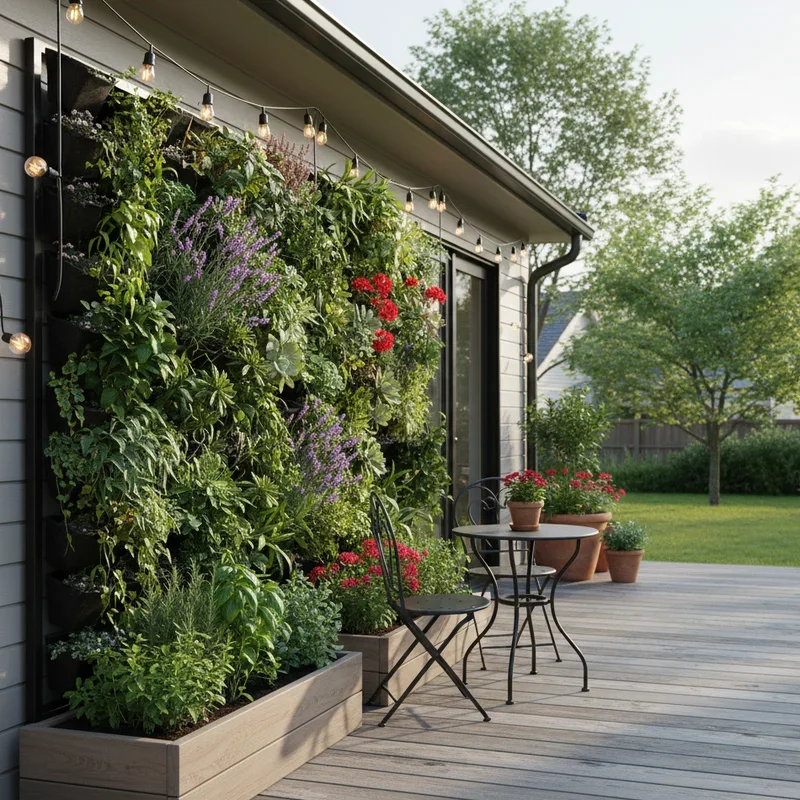
When horizontal space is precious, grow upward! Vertical gardens transform blank deck railings and walls into lush, living tapestries that add beauty without consuming floor space. You're creating a green oasis that provides privacy screening, reduces noise, and even helps cool your deck during hot summer days. Install wall-mounted planters, trellises, or modular living wall systems that accommodate everything from herbs to flowers to trailing vines. The vertical greenery draws eyes upward, creating the illusion of height and making your compact deck feel more expansive. Consider mixing textures and colors throughout the vertical garden to maintain year-round interest and visual appeal. Edible vertical gardens serve double duty, providing fresh herbs and vegetables while beautifying your space. This approach brings nature into small spaces without sacrificing precious square footage needed for furniture and movement!
6. Bi-Level Dining Deck
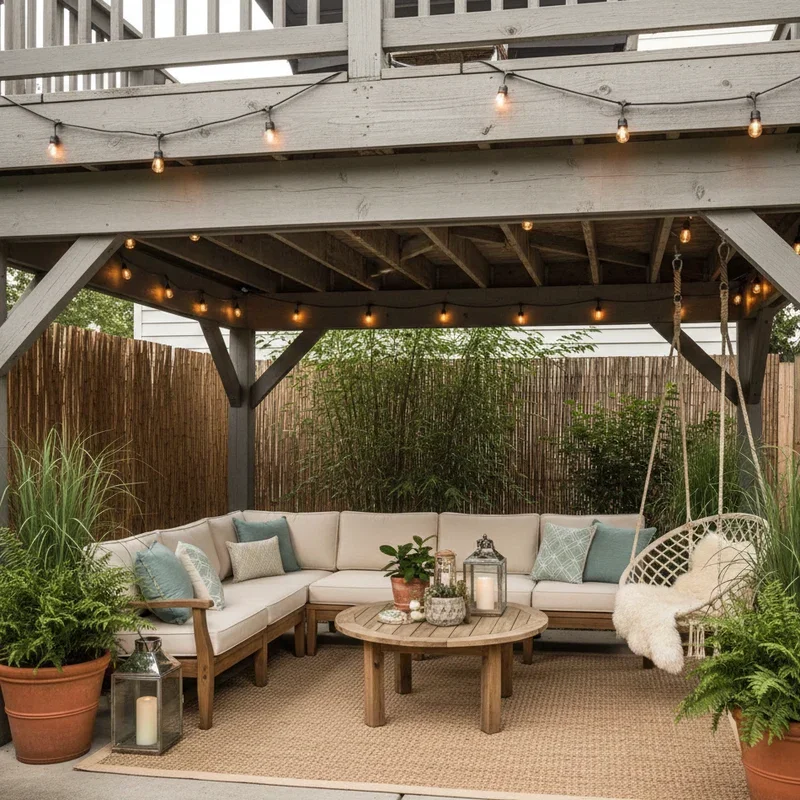
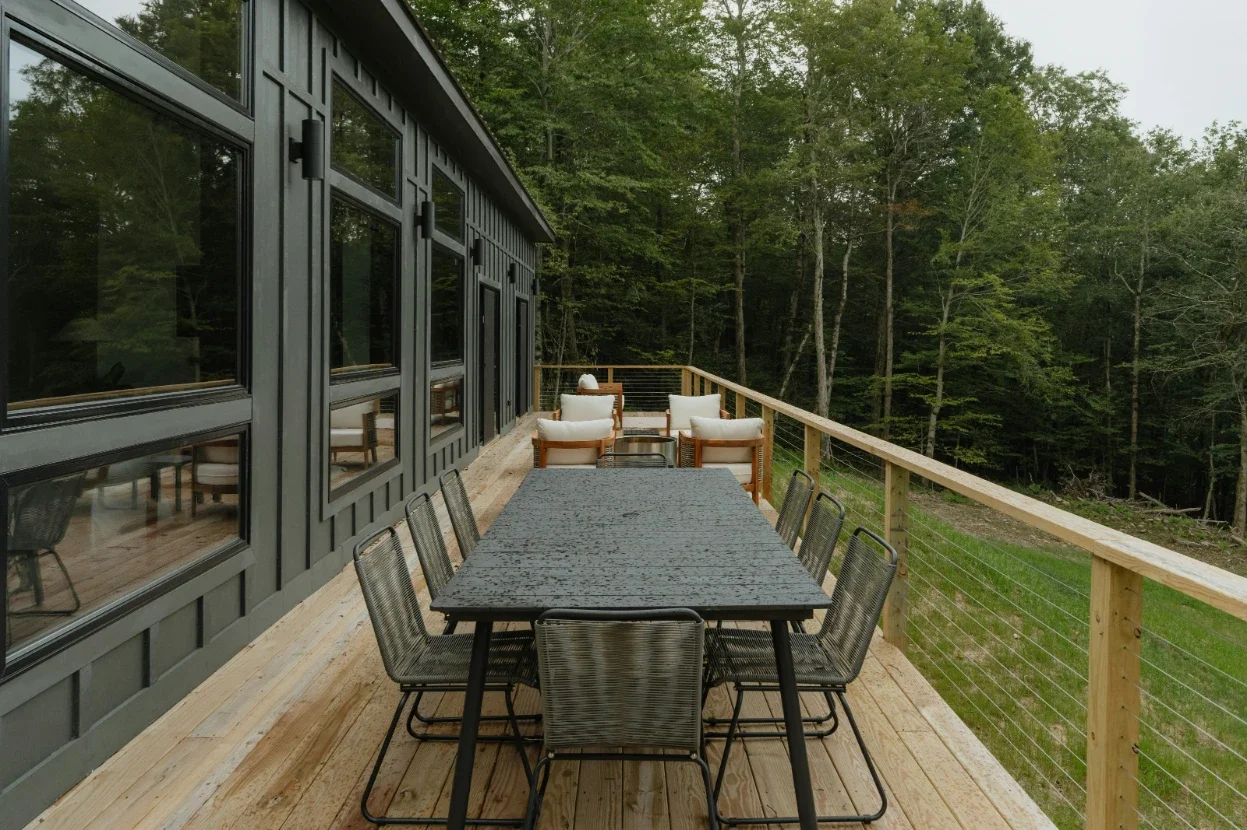
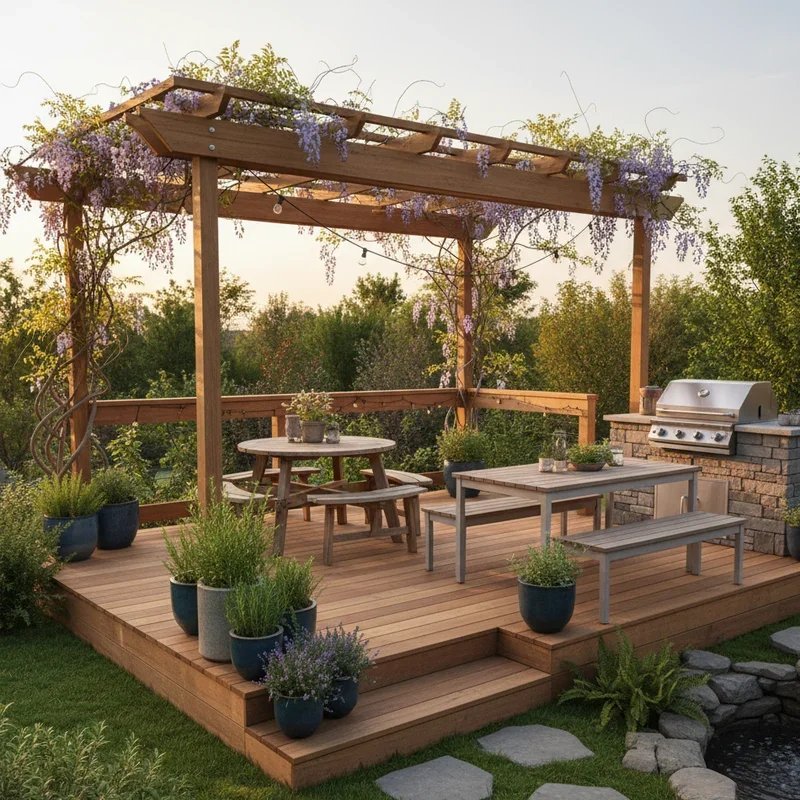
Dedicate your small deck specifically to outdoor dining by creating a two-tiered design where the upper level hosts the dining table and lower level serves as an entrance or prep area. This specialized approach ensures your deck excels at its primary purpose rather than trying to accommodate too many functions awkwardly. The raised dining platform creates a restaurant-like ambiance, making everyday meals feel special and elevated, literally and figuratively! You'll find that defining the space specifically for dining prevents clutter from accumulating and maintains a consistently inviting atmosphere. Add string lights overhead and perhaps a small pergola to define the dining zone further and provide shade during midday meals. The separated entrance level gives guests a transition space before joining the dining area, adding a sense of arrival. This focused design proves that doing one thing exceptionally well beats attempting everything mediocrely!
7. Wraparound Compact Deck
Wraparound decks extend along two or more sides of your home, creating the illusion of abundant outdoor space even when each section is relatively narrow. This configuration maximizes your home's perimeter, providing multiple access points from different rooms and creating varied outdoor zones for different times of day. You're essentially getting several small decks that flow together, each with distinct sun exposure and viewing angles perfect for morning coffee or evening relaxation. The continuous connection creates a sophisticated, cohesive look that elevates your home's exterior appearance significantly. Consider varying deck widths based on each section's purpose: wider areas for dining or seating, narrower sections for walkways connecting spaces. This design works exceptionally well for corner lots or homes with interesting architectural angles that create natural nooks. Wraparound decks make homes feel grander while providing practical outdoor living space that doesn't overwhelm small yards!
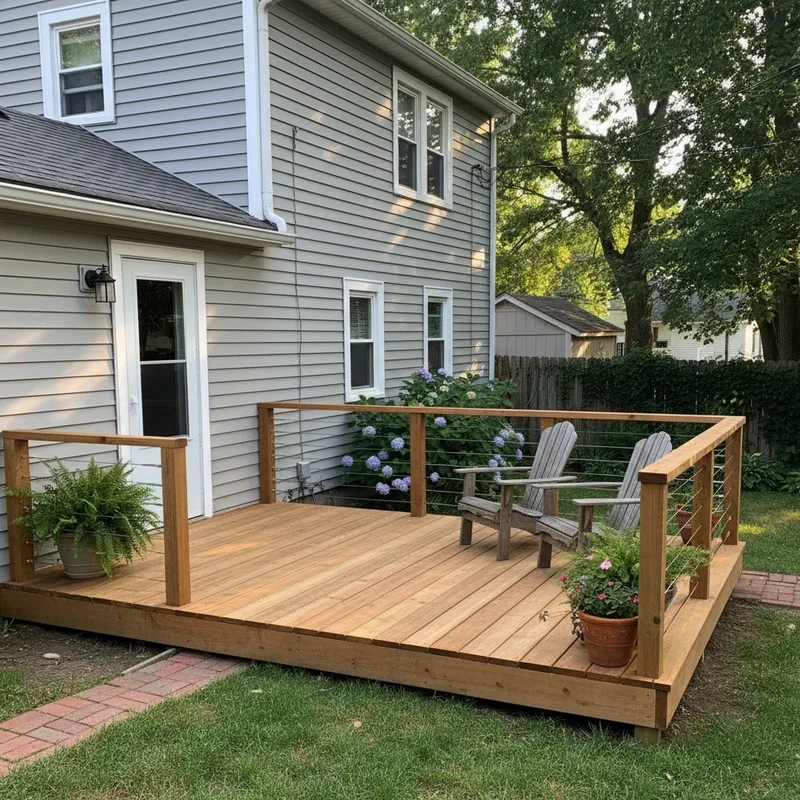
8. Minimalist Japanese-Inspired Deck
Embrace simplicity with a Japanese-inspired deck featuring clean lines, natural materials, and carefully curated elements that create tranquility in small spaces. This design philosophy celebrates negative space, proving that what you leave out matters as much as what you include. You'll discover that minimalist approaches actually make small decks feel more spacious by avoiding visual clutter and overwhelming decoration. Use quality materials like smooth decking, river rocks, bamboo accents, and perhaps one stunning focal point like a water feature or sculptural plant. The horizontal emphasis typical of Japanese design naturally expands perceived width, making narrow decks appear more generous. Incorporate low-profile furniture that doesn't interrupt sight lines and maintains the serene, uncluttered aesthetic. This style teaches us that restraint and intentionality create more impact than filling every available inch with stuff!
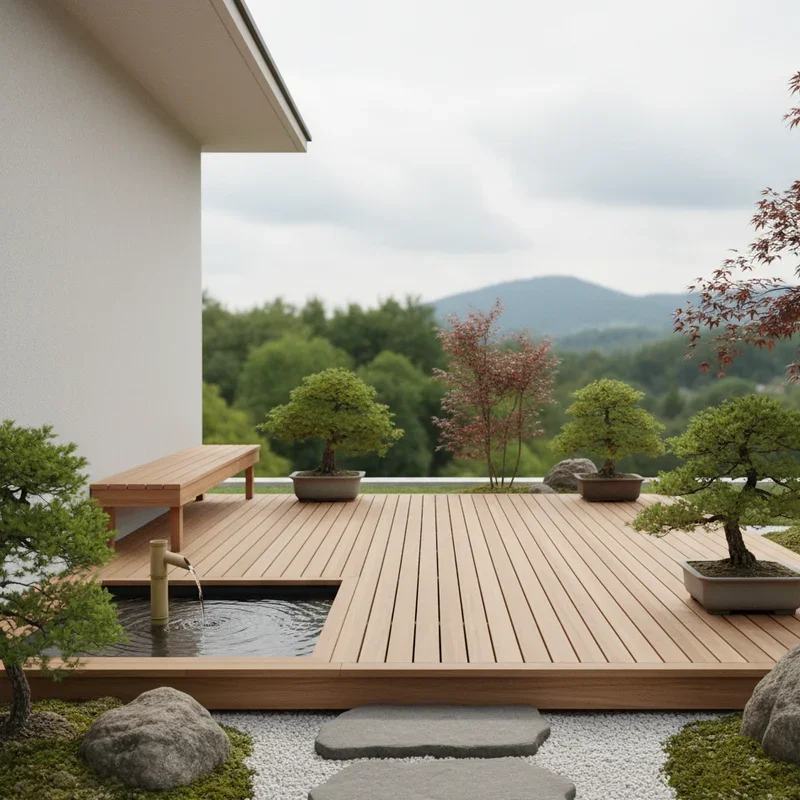
9. L-Shaped Space Optimizer
L-shaped decks work brilliantly for narrow side yards or properties with unusual configurations, turning awkward spaces into functional outdoor rooms with defined purposes. The perpendicular sections naturally create separate zones: one leg for dining, another for lounging, without requiring any physical dividers. You're maximizing usable space by following your property's contours rather than fighting against them with traditional rectangular designs. This configuration often provides two different views or orientations, offering sunny and shaded options throughout the day. The corner where the L-shape bends creates a natural focal point perfect for a fire pit, water feature, or statement plant. Consider positioning furniture to emphasize each leg's distinct purpose, helping guests intuitively understand how to use different areas. L-shaped decks prove that unconventional layouts often solve space challenges better than standard approaches!
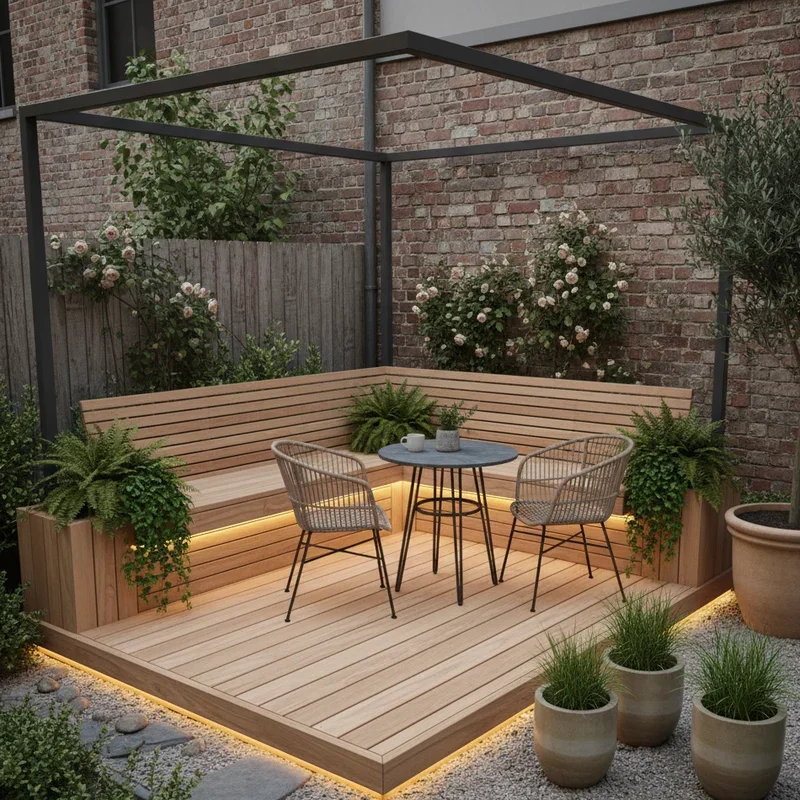
10. Rooftop Deck Transformation
Transform that underutilized flat roof into a private sky-high retreat that offers views, privacy, and outdoor living space without consuming yard area. Rooftop decks require careful structural assessment and waterproofing, but they unlock valuable square footage in urban settings where ground space is limited. You're creating an elevated sanctuary above street noise and prying eyes, offering a unique perspective on your neighborhood. The installation process typically involves lightweight decking systems designed specifically for roof applications that won't compromise structural integrity. Add container gardens, comfortable seating, and perhaps a shade structure to create a complete outdoor room suspended above daily life. The isolation and privacy of rooftop spaces make them feel like exclusive hideaways despite their compact size. This creative solution works especially well for townhomes and urban properties where traditional yard space doesn't exist!
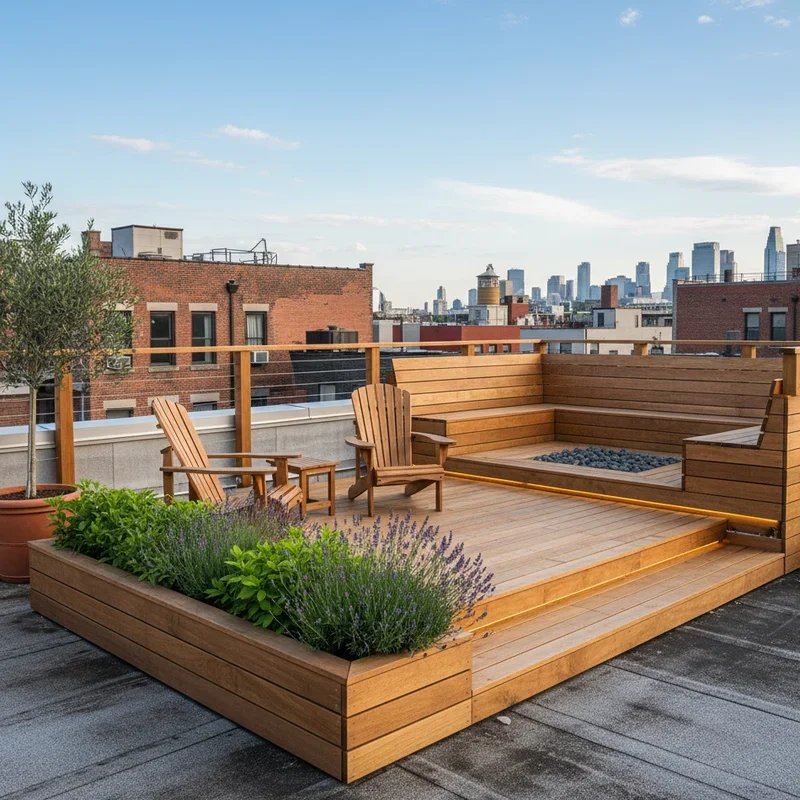
11. Ground-Level Patio Deck
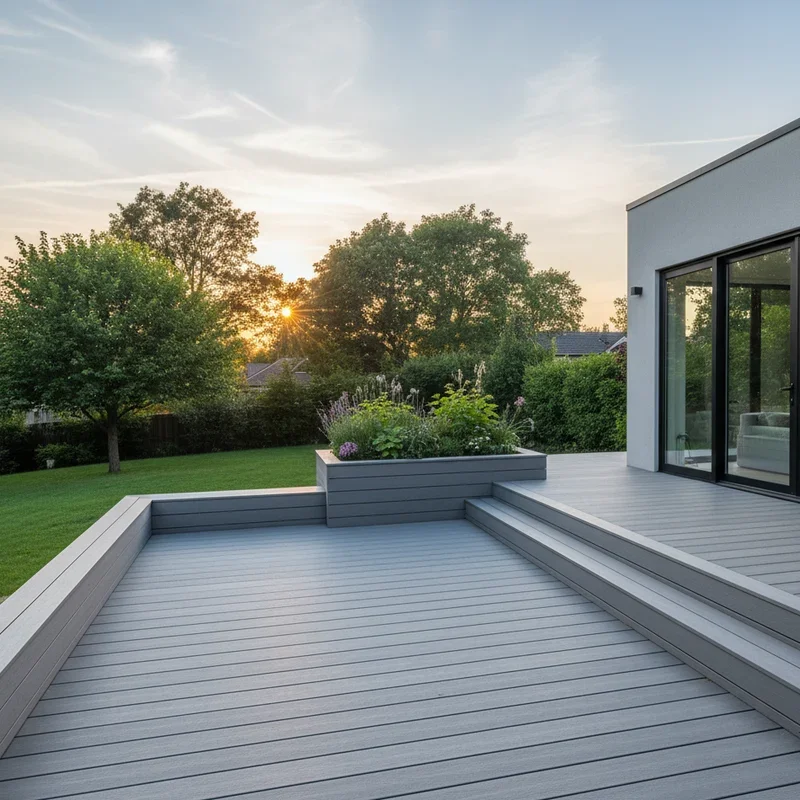
Ground-level decks sit flush with your yard, creating seamless indoor-outdoor transitions that make small spaces feel naturally connected and expansive. This approach eliminates stairs and railings required for elevated decks, saving costs while opening sight lines that help small areas feel larger. You'll appreciate how ground-level designs blend with landscaping more organically, allowing you to incorporate surrounding gardens directly into your deck experience. The accessible, barrier-free design accommodates mobility challenges while providing safe play areas for children and pets without fall hazards. Consider extending the deck slightly into your lawn to define the space without completely separating it from nature. Add outdoor rugs, potted plants, and low-profile furniture that maintains the flowing, connected feeling this design creates. Ground-level decks prove that sometimes the simplest solutions deliver the most satisfying results for small outdoor spaces!
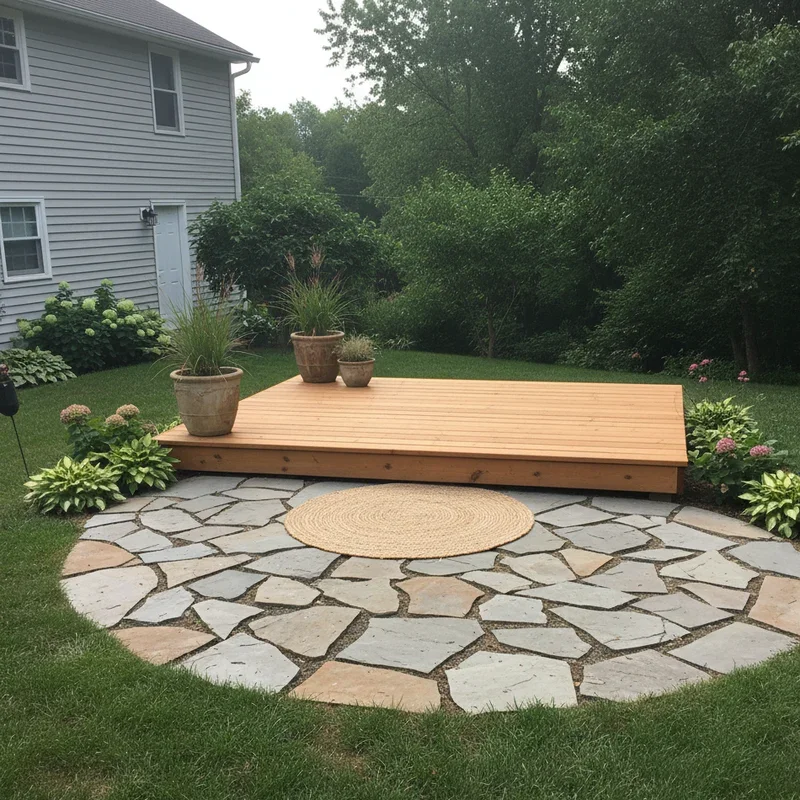
12. Narrow Balcony Deck Conversion
Turn that neglected narrow balcony into a functional outdoor retreat by treating it like a miniature deck with strategic furniture placement and vertical design elements. Balcony decks require lightweight materials and careful weight distribution, but they offer precious outdoor access in apartments and condos. You're essentially creating an outdoor hallway that still functions as a relaxing space through clever design and purposeful furniture selection. Install narrow benches or folding furniture along one side, maintaining a walkway while providing seating for morning coffee or evening relaxation. Vertical elements like tall planters, hanging gardens, or privacy screens draw eyes upward, countering the constrained width. Consider adding overhead elements like shade sails or string lights to define the space vertically since horizontal expansion isn't possible. This transformation proves that even the slimmest balcony can become a cherished outdoor extension!
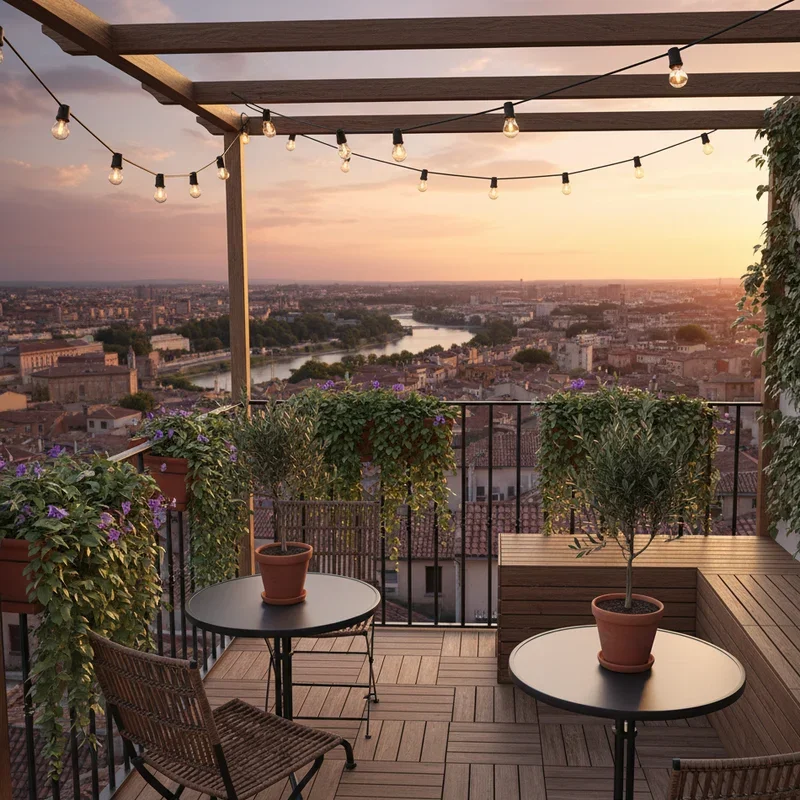
13. Modular Deck Tiles System
Modular deck tiles snap together like puzzle pieces, offering the easiest installation method for small spaces without permanent commitment or extensive construction skills. These portable systems work brilliantly for renters or anyone wanting flexible outdoor flooring that adapts as needs change. You'll complete installation in hours rather than weeks, immediately transforming concrete balconies, patios, or bare ground into attractive deck surfaces. The individual tiles come in various materials including wood, composite, and stone-look designs that suit different aesthetic preferences and budgets. If you relocate, simply pop the tiles apart and take your deck investment with you to your next home! Consider mixing tile patterns or colors to define different zones within your small space without permanent dividers. This innovative solution democratizes deck ownership, making beautiful outdoor flooring accessible regardless of property ownership status or carpentry skills!
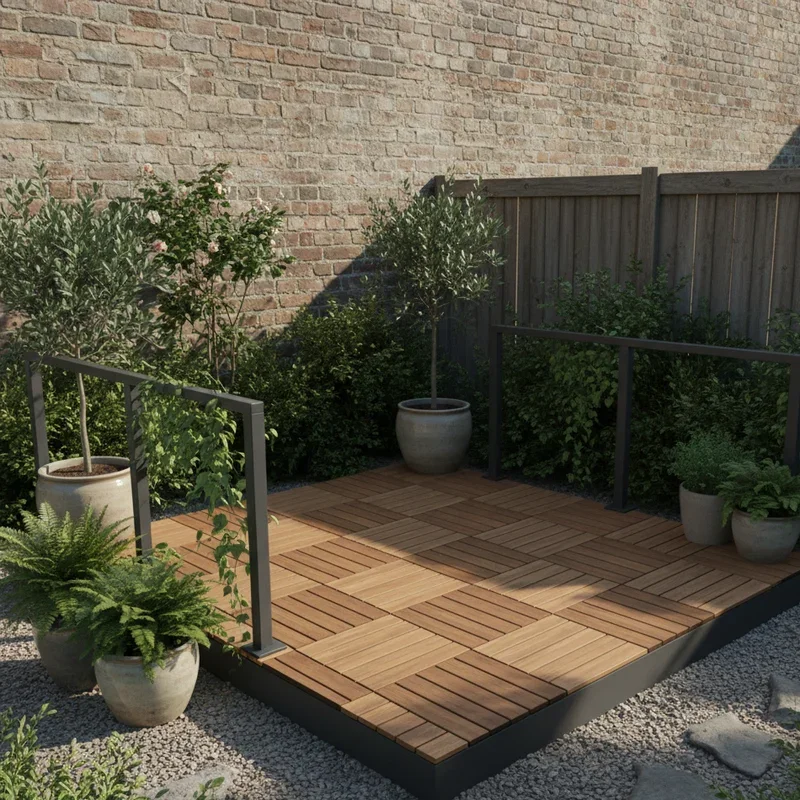
14. Pergola-Covered Intimate Deck
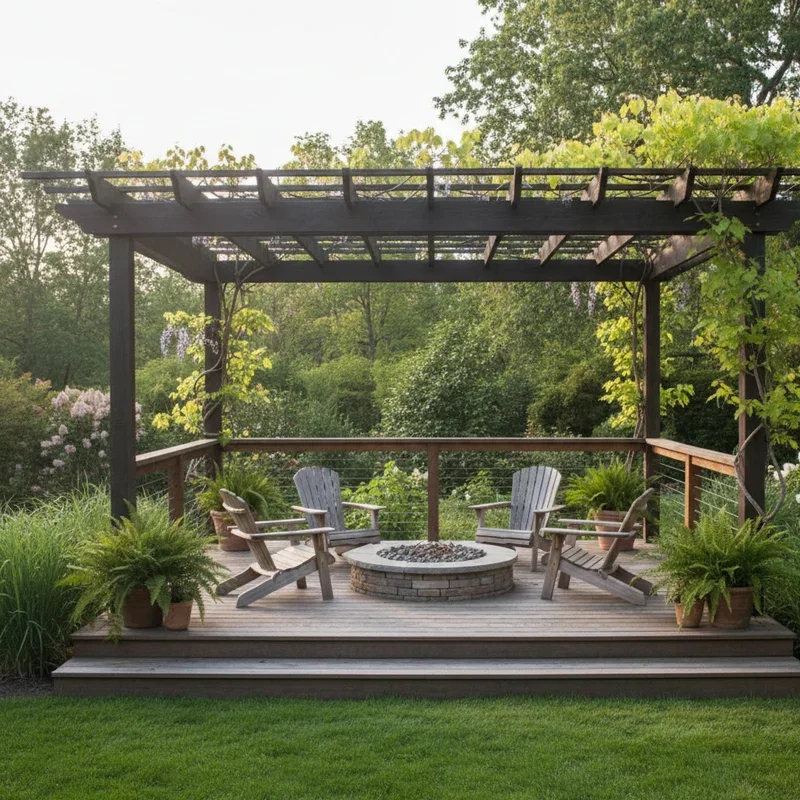
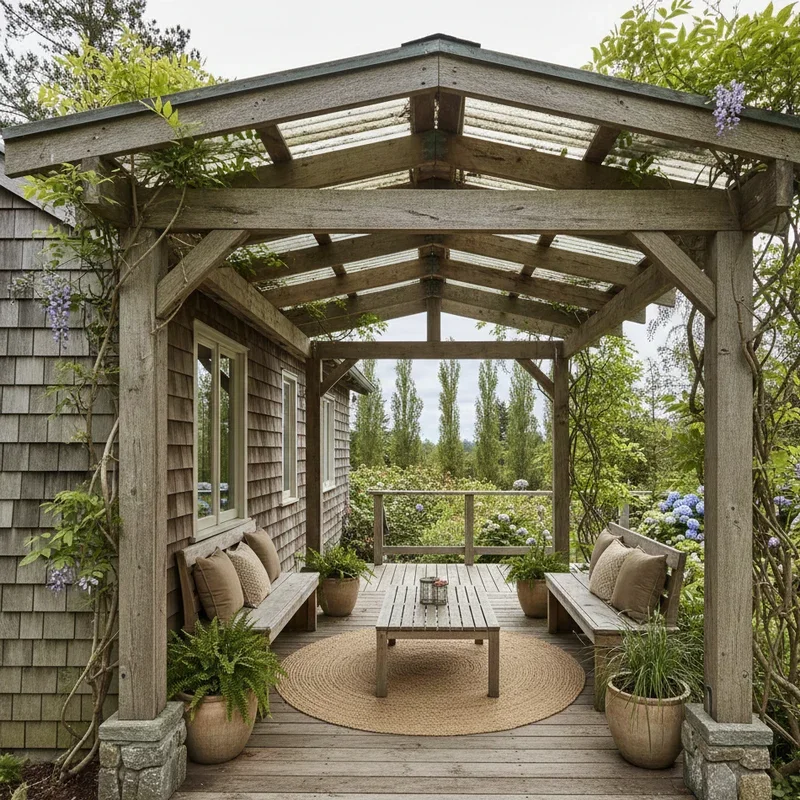
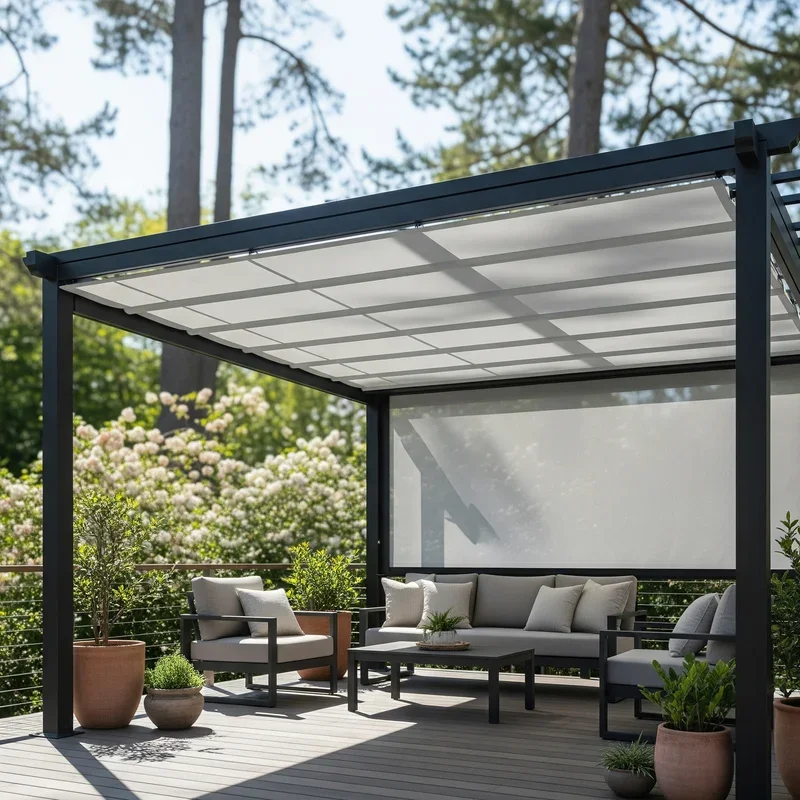
Adding a pergola over your small deck creates an outdoor room feeling with defined boundaries that paradoxically make compact spaces feel more intentional and complete. The overhead structure provides psychological shelter even when not completely covered, establishing a clear distinction between outdoor and indoor living. You're creating dappled shade that moderates harsh sun while maintaining airy openness that keeps small spaces from feeling claustrophobic. Grow climbing vines over the pergola for living shade that evolves throughout seasons, adding natural beauty and cooling effects. String lights between pergola beams for enchanting evening ambiance that transforms your small deck into a magical retreat after sunset. The vertical posts provide perfect attachment points for hanging plants, curtains, or decorative elements without consuming floor space. Pergola-covered decks feel like cozy garden rooms rather than exposed platforms, maximizing comfort in minimal square footage!

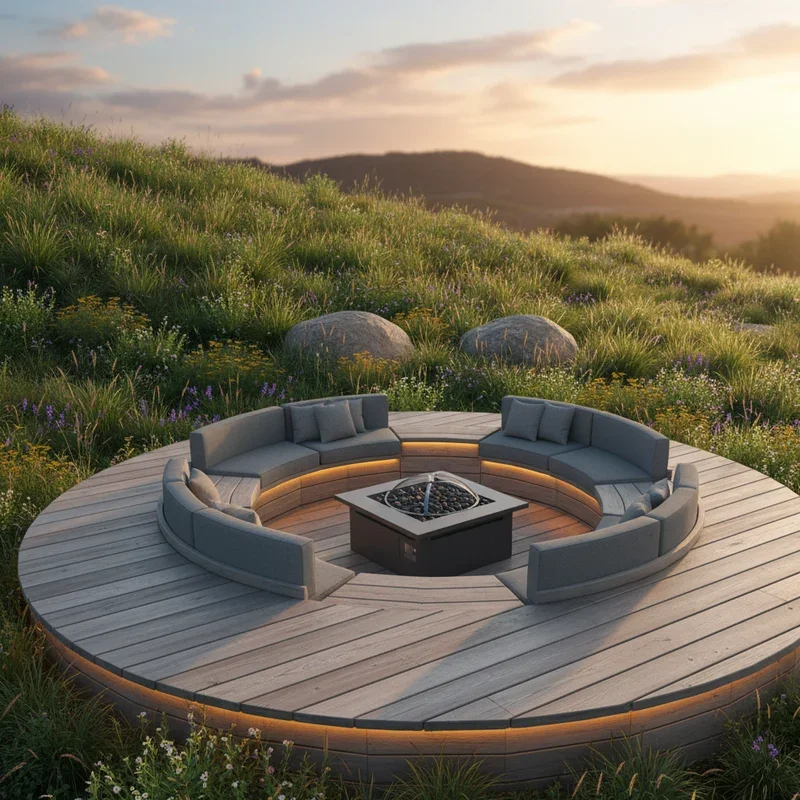
15. Sunken Conversation Pit Deck
Carve a sunken seating area into your small deck to create an intimate conversation space that feels protected, cozy, and unexpectedly spacious. This architectural feature requires excavation but delivers a wow-factor that standard decks simply can't match, making your compact space memorable. You're using vertical space in reverse, going down instead of up to create dimension and interest within a small footprint. The lowered floor naturally defines the seating area without walls, while the elevation change adds depth that makes the overall deck feel larger. Built-in seating around the sunken perimeter eliminates furniture needs while ensuring everyone faces each other, promoting genuine conversation. Add fire pit in the center for ultimate coziness and a focal point that anchors the entire design beautifully. This bold design choice transforms ordinary small decks into extraordinary gathering spaces that guests remember long after visiting!
Conclusion
Small decks don't mean small dreams! These 15 ideas prove that creative design, strategic planning, and clever space utilization transform compact outdoor areas into beloved retreats. Whether you're working with a balcony, patio, or petite backyard, there's a perfect deck solution waiting. Remember, the best outdoor space isn't necessarily the biggest—it's the one that perfectly suits your lifestyle and brings you joy every time you step outside!
Read next: How Long for Deck Stain to Dry Before Use or Sealing
Frequently Asked Questions
Q1: What's the minimum size for a functional deck?
A functional deck starts around 8x10 feet, providing enough space for small furniture and comfortable movement.
Q2: Do small decks need building permits?
Permit requirements vary by location; check local regulations, as decks under certain heights may not require permits.
Q3: What's the most budget-friendly small deck material?
Pressure-treated lumber offers the most affordable option, though composite decking requires less maintenance over time.
Q4: How can I make my small deck feel larger?
Use light colors, minimize furniture, add vertical elements, and create clear pathways to maximize perceived space.
Q5: Can I build a small deck myself?
Yes, many small deck projects are DIY-friendly, especially ground-level or floating designs with basic carpentry skills.
Stay up to date with our latest ideas!