How Much to Stain a Deck: Average Costs Explained
Discover how much to stain a deck with our average costs explained guide. Budget smart for your next outdoor project!
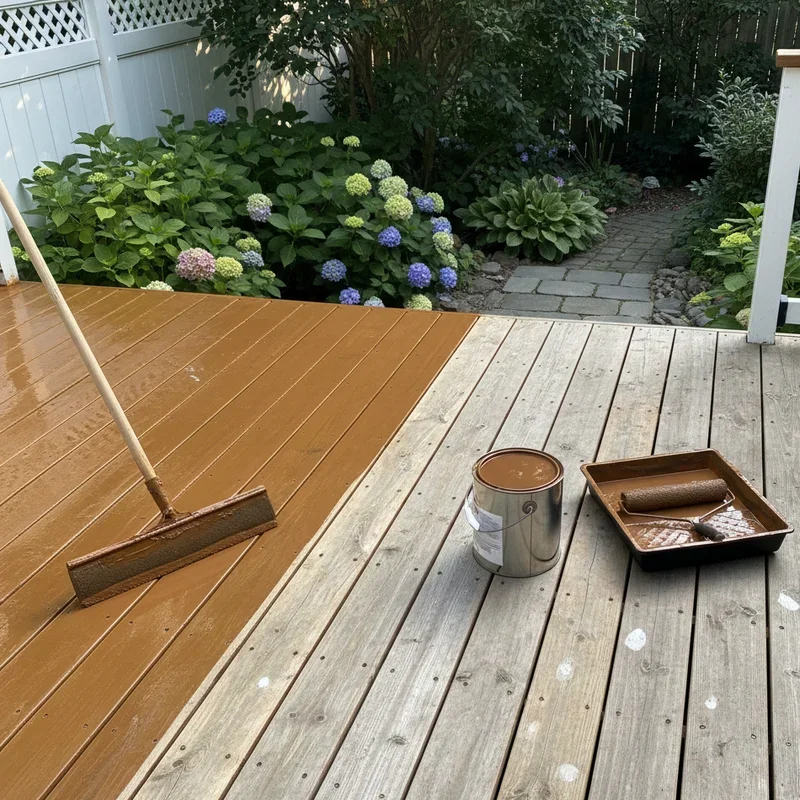
Let's face it, your deck has probably seen better days. Between scorching summers, harsh winters, and countless barbecues, that once-gorgeous outdoor space might be looking a little worse for wear. Staining your deck is one of the best ways to breathe new life into it, but before you dive headfirst into this project, you're probably wondering what it's going to cost you.
Understanding how much to stain a deck with average costs explained clearly can save you from sticker shock and help you budget properly. Whether you're thinking about rolling up your sleeves and tackling it yourself or hiring professionals to handle the heavy lifting, knowing what to expect financially puts you in the driver's seat.
Here's the thing though. Deck staining costs aren't one-size-fits-all. They depend on a whole bunch of factors, from the size of your deck to the type of stain you choose and even where you live. Some folks end up spending a few hundred bucks while others shell out over a thousand. Quite the range, right?
In this guide, we'll break down everything you need to know about deck staining expenses. We'll look at what influences prices, compare DIY versus professional costs, and give you tips for getting the most bang for your buck. By the time you finish reading, you'll have a crystal-clear picture of what your deck transformation might cost. Sound good? Let's get into it!
Why Staining Your Deck Matters in the First Place
Before we jump into the numbers, it's worth taking a moment to understand why deck staining is such a worthwhile investment. After all, knowing the value of something makes spending money on it feel a lot better.
Wood decks are constantly exposed to the elements. Rain soaks into the grain, sun bleaches the color, and temperature swings cause expansion and contraction that leads to cracking. Without protection, even the highest-quality lumber will deteriorate faster than you'd like.
Staining creates a barrier that shields your deck from moisture, UV rays, and general wear and tear. It penetrates the wood fibers and helps prevent warping, splitting, and rot. Plus, let's be honest, a freshly stained deck just looks fantastic. It enhances your home's curb appeal and makes your outdoor living space somewhere you actually want to spend time.
Think of deck staining as preventive maintenance. Spending a few hundred dollars now can save you thousands in replacement costs down the road. That's what I call a smart investment.
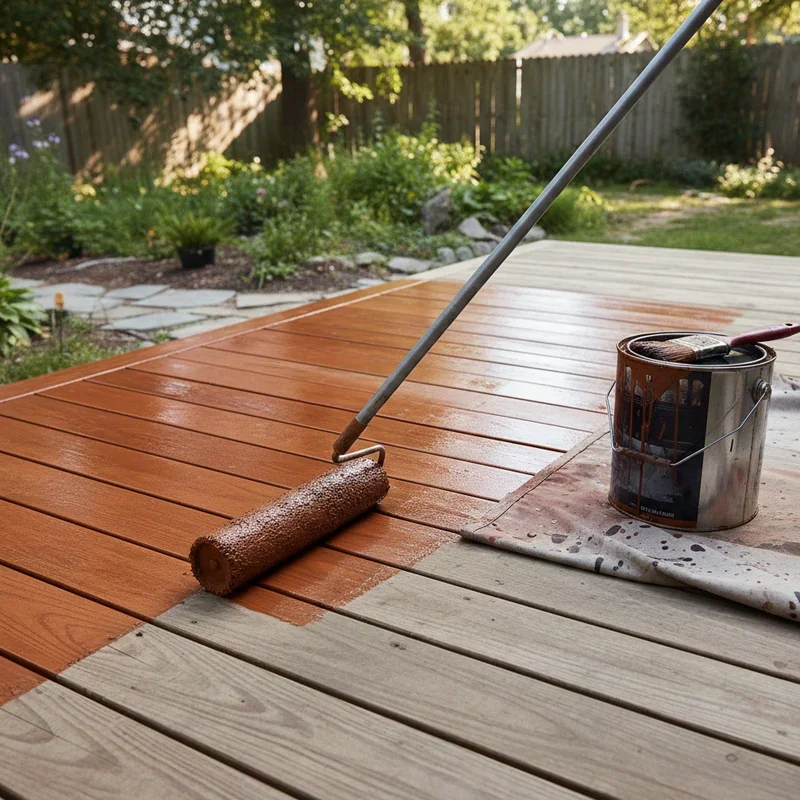
How Much to Stain a Deck: Average Costs Explained in Detail
Alright, let's get down to brass tacks. What are you actually looking at in terms of expenses? The answer depends on whether you're doing the work yourself or bringing in the pros.
Professional Deck Staining Costs
Hiring professionals to stain your deck typically runs between 2 and 5 dollars per square foot for labor and materials combined. For a standard 300 square foot deck, that translates to roughly 600 to 1,500 dollars. Larger decks or those requiring extensive prep work can push costs even higher.
Most contractors factor in several things when giving you a quote. The condition of your deck plays a huge role. If it needs power washing, sanding, or repairs before staining can even begin, expect to pay more. Old stain or paint removal adds to the bill too.
Geographic location affects pricing as well. Contractors in major metropolitan areas or regions with higher costs of living generally charge more than those in smaller towns or rural areas. It's just the way the cookie crumbles.
Here's a rough breakdown of what professionals typically include in their pricing:
The initial consultation and assessment often comes free, though some contractors charge a small fee that gets applied to your project if you hire them. Surface preparation, including cleaning and light repairs, usually runs 0.50 to 1 dollar per square foot. The actual staining work costs around 1.50 to 3 dollars per square foot depending on the stain type and number of coats needed.
DIY Deck Staining Costs
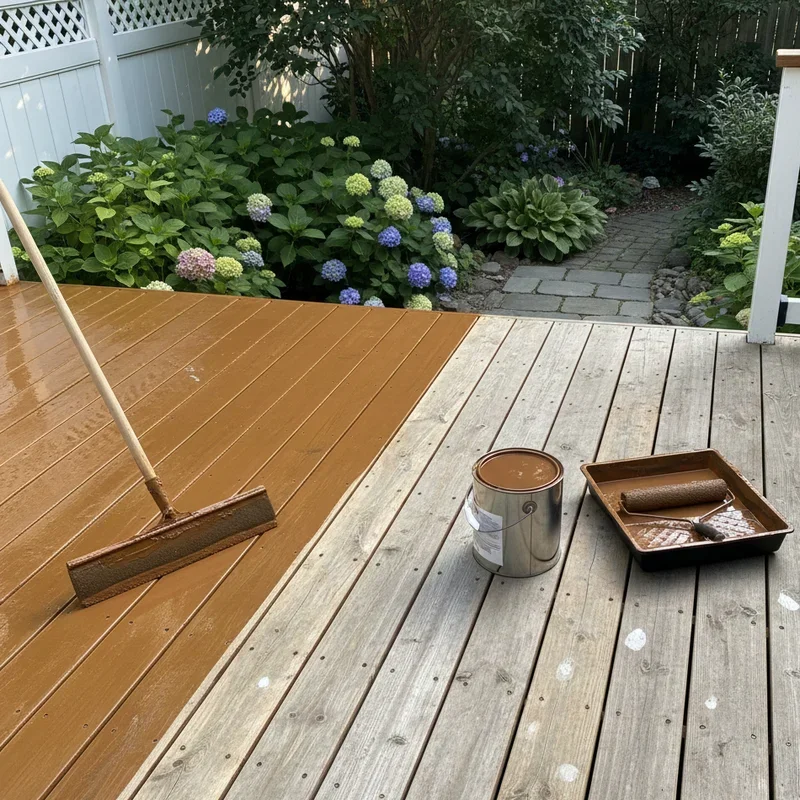
Going the do-it-yourself route can slash your expenses significantly, though it requires your time and elbow grease. For materials alone, you're typically looking at 100 to 300 dollars for a standard sized deck.
The stain itself is your biggest material expense. Basic transparent stains start around 25 dollars per gallon, while premium solid-color stains can run 50 dollars or more per gallon. One gallon generally covers 150 to 300 square feet depending on the product and wood porosity, so a 300 square foot deck might need two to three gallons.
Beyond stain, you'll need brushes or rollers, painter's tape, drop cloths, and possibly a sprayer if you want to speed things up. A deck cleaner or brightener for prep work adds another 15 to 30 dollars. Sandpaper or a sanding block for rough spots rounds out your supply list.
Don't forget about equipment if you don't already own it. Pressure washer rental runs about 50 to 100 dollars per day. If you're buying a paint sprayer, that's another 100 to 300 dollars, though you'll have it for future projects.
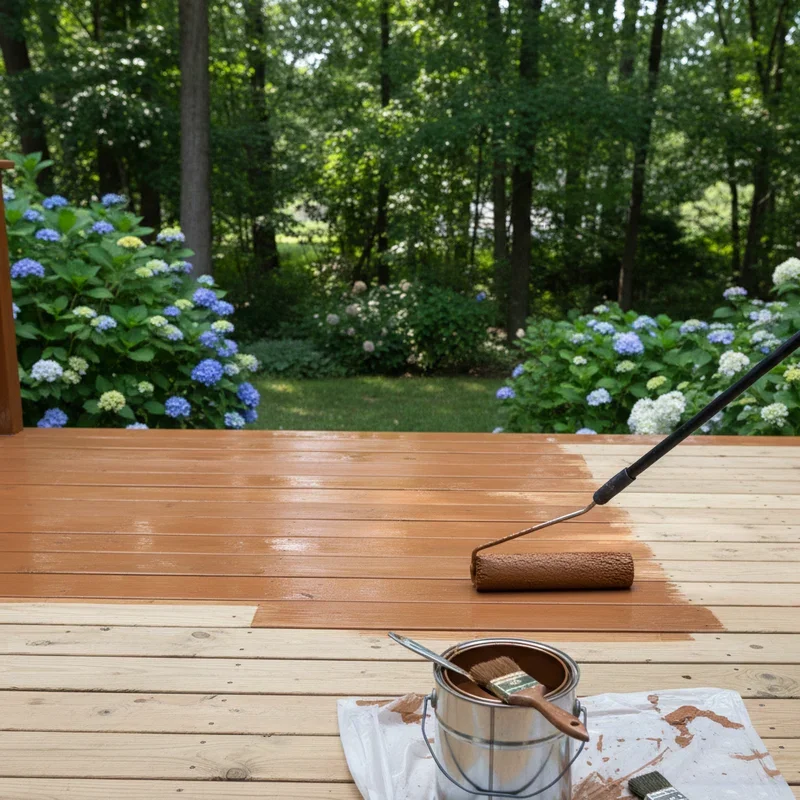
Factors That Influence Your Total Deck Staining Cost
Understanding how much to stain a deck with average costs explained requires looking at the variables that can swing your final price up or down. Several key factors come into play.
Deck Size and Complexity
This one's pretty straightforward. Bigger decks mean more stain, more time, and higher costs. A modest 200 square foot deck will obviously cost less than a sprawling 600 square foot entertainment area.
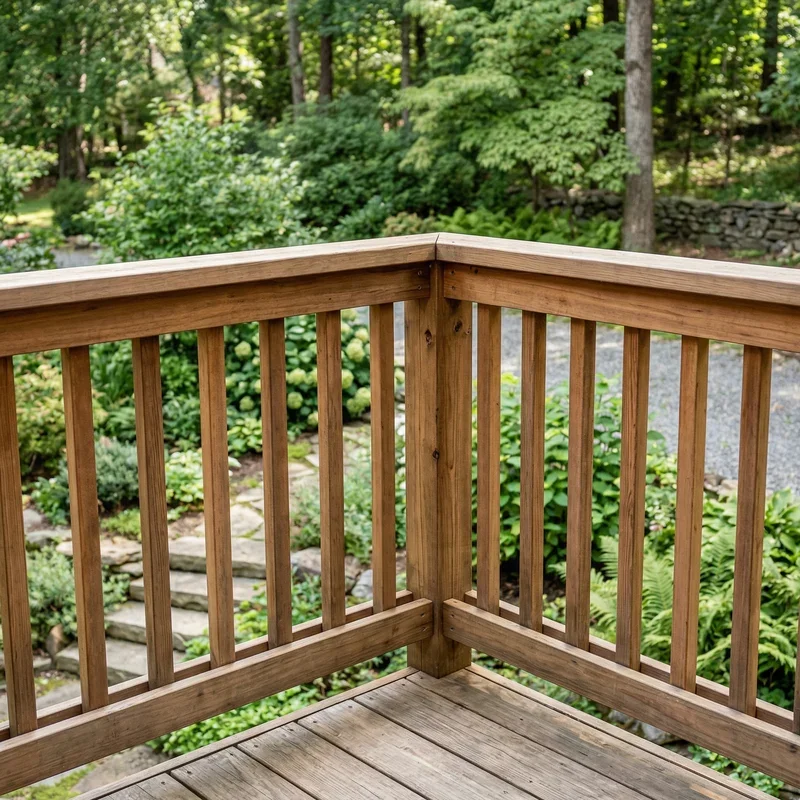
But it's not just about square footage. The complexity of your deck matters too. Multiple levels, intricate railings, built-in benches, and lots of nooks and crannies all increase the labor required. Spindles and balusters on railings are particularly time-consuming to stain properly, and many contractors charge extra for them.
Current Deck Condition
A deck that's been well-maintained and just needs a fresh coat of stain is a much easier job than one that's been neglected for years. Decks with peeling old finish, gray weathered wood, mold, or mildew require extensive prep work before any stain can be applied.
In some cases, damaged boards need replacement before staining makes sense. There's no point in putting a beautiful finish on wood that's rotting or structurally compromised. These repairs add to your overall project cost but are absolutely necessary for a lasting result.
Type of Stain Selected
Not all stains are created equal, and your choice affects both the price and the final look of your deck.
Transparent stains allow the natural wood grain to show through completely. They're the least expensive option but also provide the least protection and need reapplication every one to two years.
Semi-transparent stains offer a nice middle ground. They add some color while still letting the wood grain peek through. These typically last two to three years before needing a refresh.
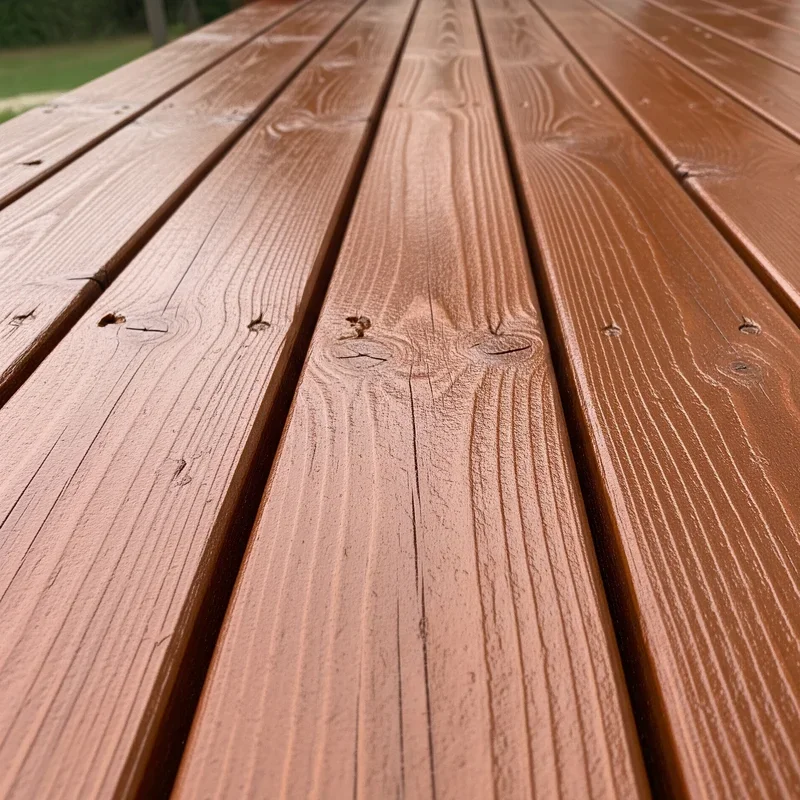
Solid color stains act more like paint, completely covering the wood grain with an opaque finish. They're the most durable option, often lasting four to five years, but they cost more upfront. Some homeowners feel they mask the natural beauty of the wood, so it's a trade-off.
Oil-based versus water-based formulations also affect pricing and performance. Oil-based stains penetrate deeper and often last longer, but they take longer to dry and are harder to clean up. Water-based options are more environmentally friendly and easier to work with but may not be quite as durable.
Geographic Location and Timing
Where you live impacts what you'll pay for professional services. Labor rates vary significantly across different regions of the country. Urban areas typically command higher prices than rural locations.
Timing matters too. Spring and early summer are peak season for deck staining, and contractors are busiest. You might get better rates by scheduling your project in late summer or early fall when demand slows down. Just make sure temperatures are still suitable for proper stain application and curing.
Preparing Your Deck for Staining
Proper preparation is absolutely crucial for a staining job that looks great and lasts. Skipping or rushing this step is one of the biggest mistakes homeowners make, and it often leads to disappointing results.
Cleaning and Power Washing
Every deck needs a thorough cleaning before stain goes on. Dirt, debris, mold, and mildew prevent the stain from adhering properly and can cause early failure. Power washing is the most effective way to deep clean a deck, but it needs to be done carefully. Too much pressure can damage the wood fibers and raise the grain.
If you're hiring professionals, cleaning is usually included in the job. For DIYers, plan to rent a pressure washer or use a pump sprayer with a deck cleaning solution. Either way, the deck needs to dry completely, usually 24 to 48 hours, before staining begins.
Sanding and Repairs
After cleaning, inspect your deck closely for any raised grain, splinters, or rough spots. Light sanding smooths these out and helps the stain absorb evenly. Pay special attention to high-traffic areas and handrails where people's hands will regularly touch.
Check for popped nails or loose screws and secure them. Look for any boards that are cracked, warped, or rotting and replace them. Stain won't fix structural problems, so addressing these issues beforehand is essential.
Stripping Old Finish
If your deck has old stain or paint that's peeling or flaking, it needs to come off before new stain can go on. Staining over failing finish is a recipe for disaster since the new coat won't bond properly and will peel right along with the old stuff.
Chemical strippers work well for removing old finishes, though they add expense and labor to your project. Heavy sanding is another option but is more time-consuming and creates a lot of dust. Some professionals use a combination of methods depending on what works best for your specific situation.
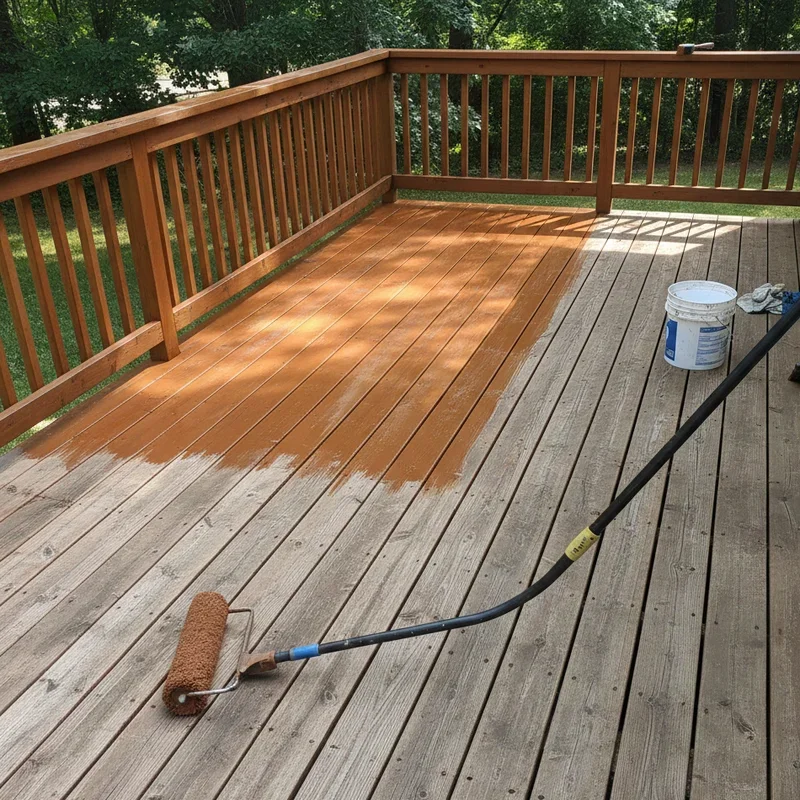
Tips for Saving Money on Your Deck Staining Project
Nobody wants to overspend, so here are some practical ways to keep costs in check while still getting great results.
Getting multiple quotes from different contractors is always smart. Prices can vary significantly, and you might be surprised at the range. Just don't automatically go with the cheapest option since quality matters. Look for contractors with good reviews, proper insurance, and a solid portfolio of past work.
Doing the prep work yourself is a great way to reduce professional costs. If you handle the cleaning, sanding, and minor repairs, many contractors will give you a lower price for the staining alone. Just make sure your prep work meets their standards, or you might end up paying them to redo it.
Buying stain during sales or in bulk can save money on materials. Home improvement stores often run promotions in spring, and you might find closeout deals on popular colors at the end of the season.
Maintaining your deck regularly extends the time between full restaining jobs. Sweeping off debris, cleaning spills promptly, and applying a maintenance coat every few years keeps your deck looking fresh without starting from scratch.
When to DIY and When to Call the Pros
Deciding whether to tackle deck staining yourself or hire help depends on several factors. Both approaches have their merits.
DIY makes sense if you're reasonably handy, have the time to invest, and your deck is in decent condition without major repairs needed. It's also the way to go if budget is your primary concern and you don't mind putting in some sweat equity.
Professional help is worth considering for larger or more complex decks, situations requiring significant prep work, or when your time is at a premium. Pros bring experience, proper equipment, and typically guarantee their work. If you're not confident in your abilities or simply don't want the hassle, paying for professional results can be well worth it.
Conclusion
Staining your deck is an investment that protects your outdoor space while making it look absolutely stunning. Whether you spend a couple hundred dollars going the DIY route or invest over a thousand for professional services, understanding the costs involved helps you plan effectively. By considering factors like deck size, condition, stain type, and labor rates in your area, you can create a realistic budget that works for your situation. Your deck is waiting for its makeover, and now you know exactly what to expect.
Read next: How to Apply Wood Deck Sealer for Long-Lasting Results
Frequently Asked Questions
1. How often should I restain my deck?
Most decks need restaining every two to four years, depending on weather exposure and stain type used.
2. Is it cheaper to stain or paint a deck?
Staining typically costs less than painting and requires less prep work, making it the budget-friendly choice.
3. What time of year is best for deck staining?
Late spring through early fall offers ideal temperatures between 50 and 90 degrees for proper stain application.
4. Can I stain my deck myself without experience?
Yes, deck staining is beginner-friendly with proper preparation, patience, and following product instructions carefully throughout.
5. How long does deck stain take to dry completely?
Most stains dry to touch within 24 hours, but full curing requires 48 to 72 hours typically.
Stay up to date with our latest ideas!