One System, Every Season: The Case Against Separate Heaters and Coolers
Discover why one HVAC system for every season can outperform separate heaters and coolers with greater efficiency, comfort, convenience, and long term savings.

Most homes end up with two systems doing what one could handle. A gas heater or a couple of portable radiators for winter. A wall-mounted cooling unit, or worse, a rattling box unit propped in the window, for summer. Both sit unused for half the year, and both need their own servicing, their own repairs, their own eventual replacement on their own separate timeline. It’s an off way to run a house once you actually think about it. That’s usually the point when someone looks into a reverse cycle aircon instead of replacing a dying heater with another heater.
How One Unit Does Both
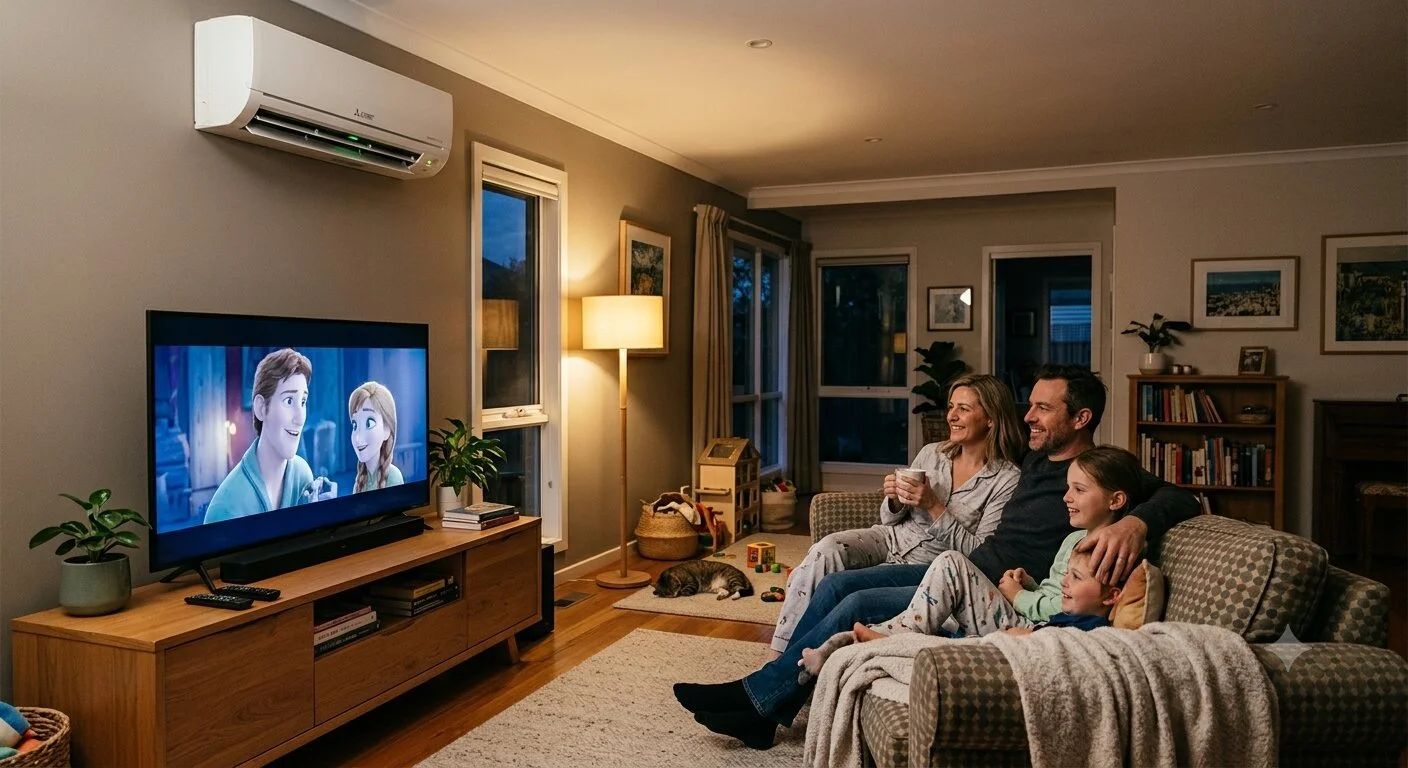
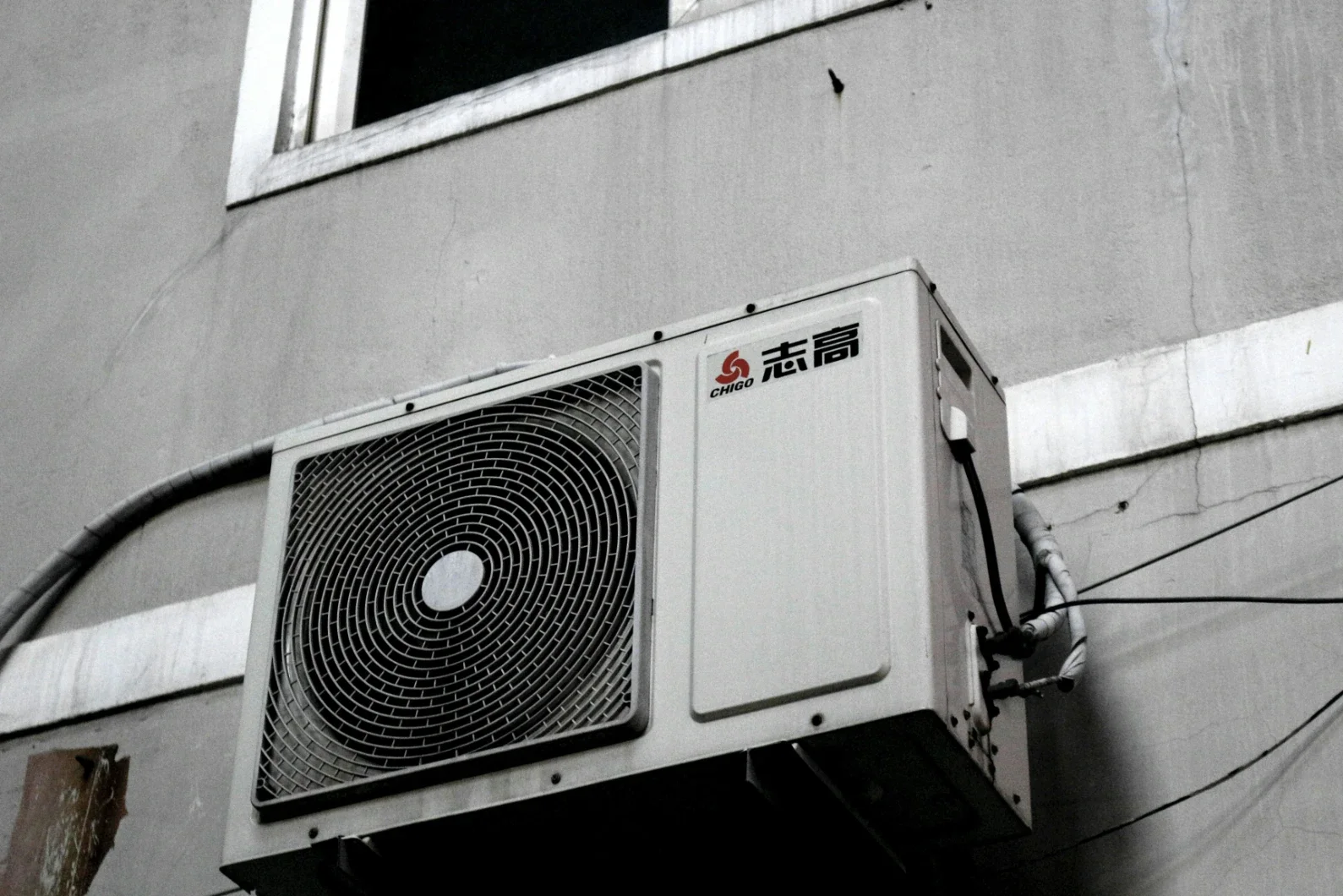
A reverse cycle system works like a fridge running in two directions. Refrigerant inside the unit absorbs heat in one spot and dumps it in another. In cooling mode, it pulls heat out of the house and releases it outside through the compressor. In heating mode, that process just runs backwards: the system pulls heat out of the outside air, even cold air, and pumps it inside instead. Nothing is burned to produce that heat, it's moved from one side of the wall to the other, using one outdoor compressor and one indoor head to cover both jobs a household needs across the year.
That's the core difference from gas heating. A gas heater creates heat by burning fuel, so it only ever converts energy in one direction. A reverse cycle system relocates heat that's already sitting in the air, which takes far less energy than generating it from scratch, and that difference in mechanism, not clever marketing, is why running costs tend to land lower over a full year.
Why the Running Costs Actually Add Up Differently
A gas heater converts fuel into heat at a fixed efficiency rate, generally somewhere below 100%. A reverse cycle system, because it’s moving existing heat rather than generating new heat from scratch, can produce three to four units of heating output for every unit of electricity it consumes. That efficiency multiplier is the actual reason running costs tend to land lower over a full year, not just clever marketing copy from manufacturers.
Cold Melbourne mornings do reduce that efficiency somewhat, since there’s less ambient heat in the outside air to extract when it’s genuinely freezing. Modern systems still perform reasonably well down to low single-digit temperatures, which covers the overwhelming majority of Melbourne winter mornings without much trouble.
What to Actually Check Before Buying
Not every reverse cycle system suits every home, and this is where a lot of buyers get talked into the wrong unit.
A few things worth confirming before signing anything:
Correctly sized capacity for the room or zone, not just whatever’s on special
Energy star rating, since older or cheaper units can be surprisingly inefficient
Whether ducted or split system suits the home’s layout better
Noise rating for the outdoor compressor, especially near bedrooms or a neighbour’s fence
Actual installation cost, not just the unit price advertised in-store
An undersized unit runs constantly and still struggles to keep up. An oversized one cycles on and off too often, which wears components faster and doesn’t actually heat or cool more evenly. Getting the sizing right matters more than most of the other decisions combined.
Ducted or Split: The question Everyone Asks
Split systems suit single rooms or open-plan living areas well and cost less upfront. Ducted systems heat and cool an entire home from one central unit, hidden ductwork, and multiple outlets, which looks cleaner and handles whole-house comfort more evenly, and there's a decent heating and cooling upgrades guide that walks through sizing either option properly. The tradeoff is cost. Ducted systems run considerably more expensive to install, and retrofitting ductwork into an existing home without a suitable roof cavity can add complexity that a new-build simply doesn't have to deal with.
Neither option is objectively better. It depends entirely on the layout of the house and what someone’s actually trying to solve.
Worth Sorting Out Properly
A reverse cycle system installed correctly, sized correctly, and matched to the actual home tends to run for well over a decade with minimal fuss. It’s one of those purchases that’s easy to get wrong on the cheap end and genuinely worth getting a proper assessment for before committing to whichever unit happens to be on sale that week.
Stay up to date with our latest ideas!