Discover 15 privacy fence gate ideas for stylish backyards that combine security, seclusion, and stunning design into one beautiful entrance.
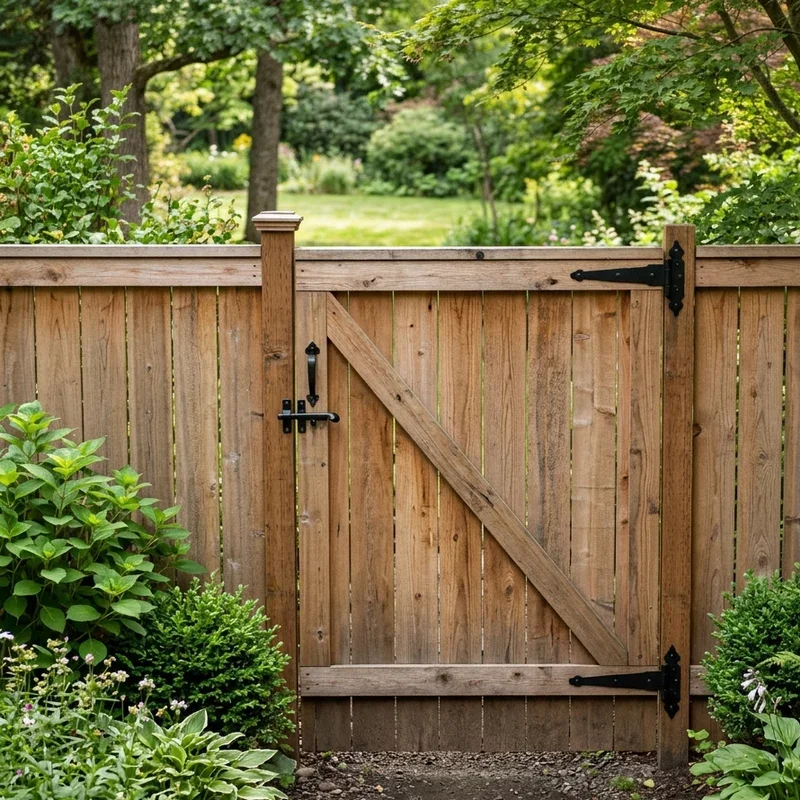
A privacy fence gate serves as both the functional entry point and the visual focal point of your backyard's boundary system, where the gate's design, material, and construction quality determine whether your private outdoor space feels like entering a thoughtfully designed, intentionally styled, worth-the-investment personal sanctuary or simply passing through another forgettable, builder-grade, same-as-the-neighbor's utilitarian opening in an otherwise unremarkable fence line that communicates nothing about the beautiful, private, carefully curated backyard paradise waiting behind the barrier you invested time and money building. Have you ever opened a beautifully crafted gate and felt the world behind you disappear as the latch clicked shut? That threshold moment defines privacy gate design. Let's explore fifteen ideas.
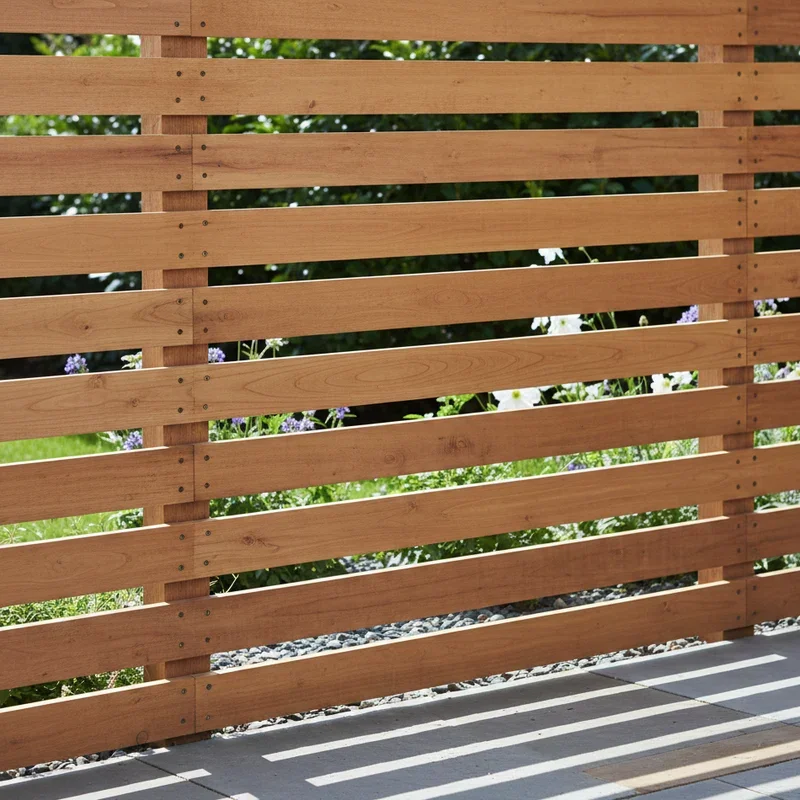
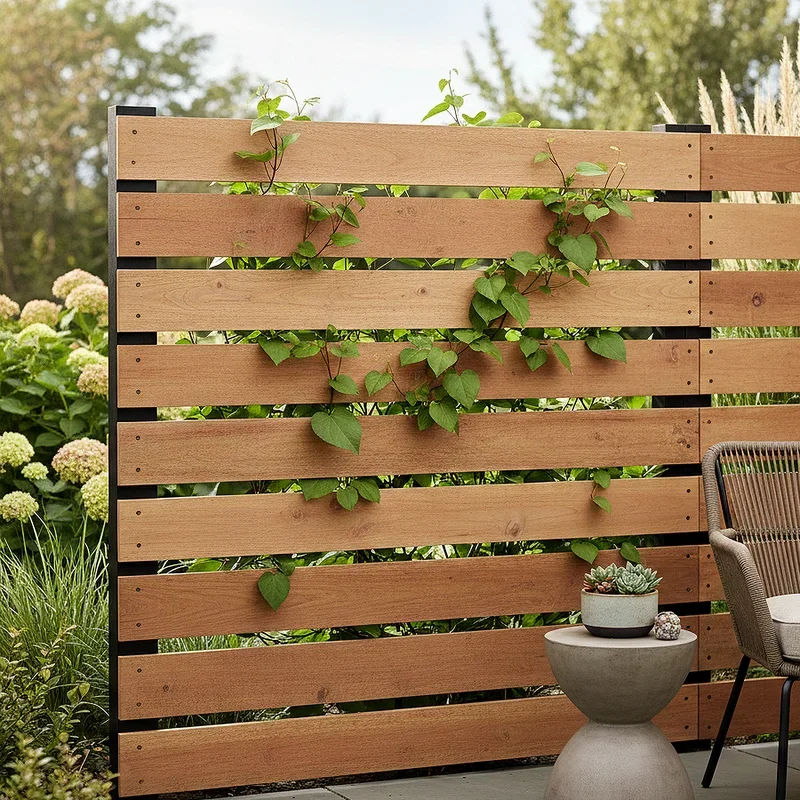
1. Horizontal Slat Modern Gate
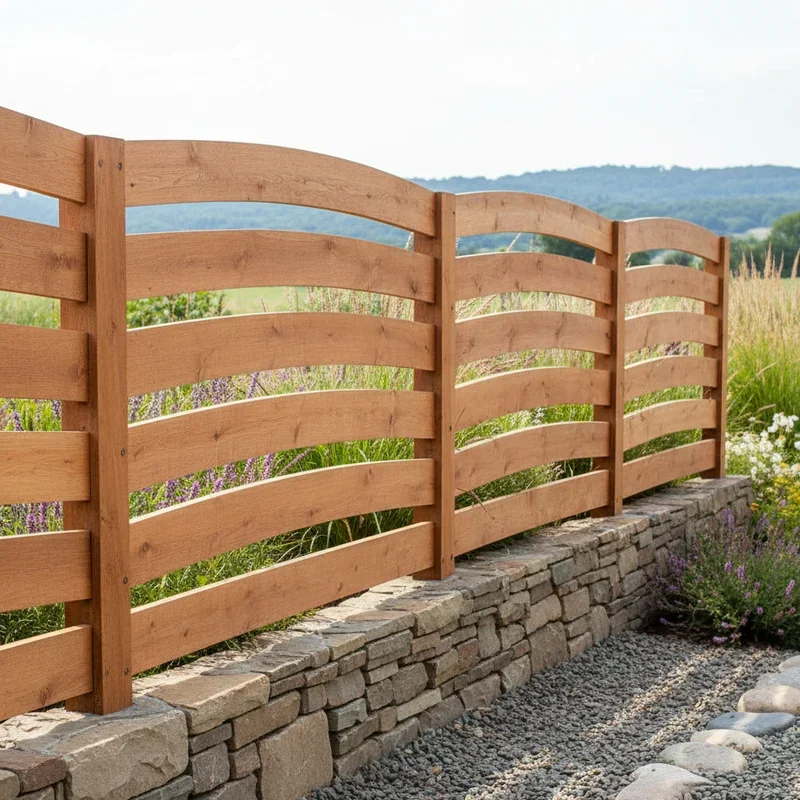
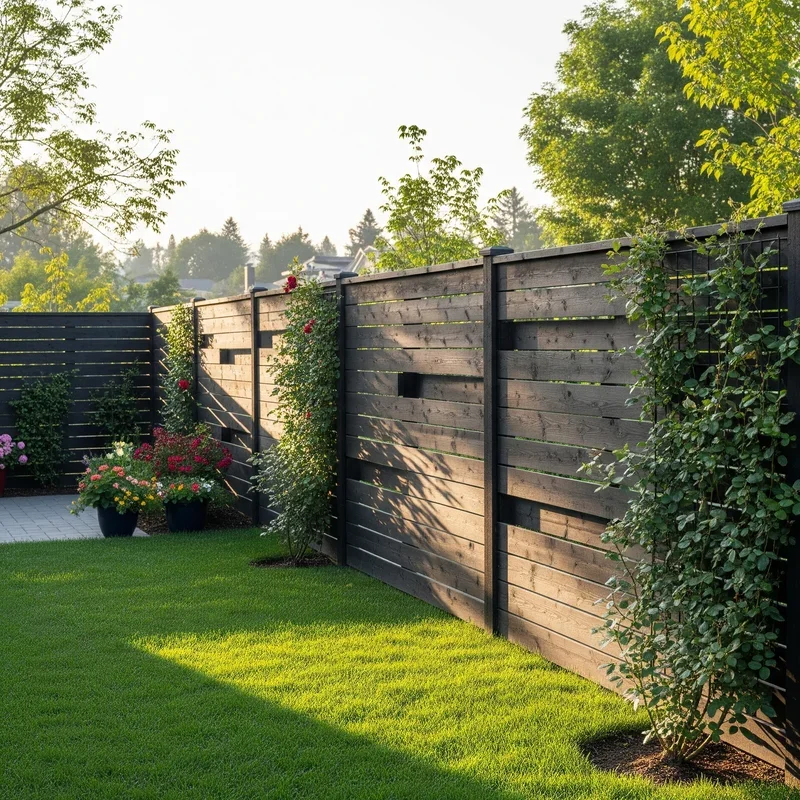
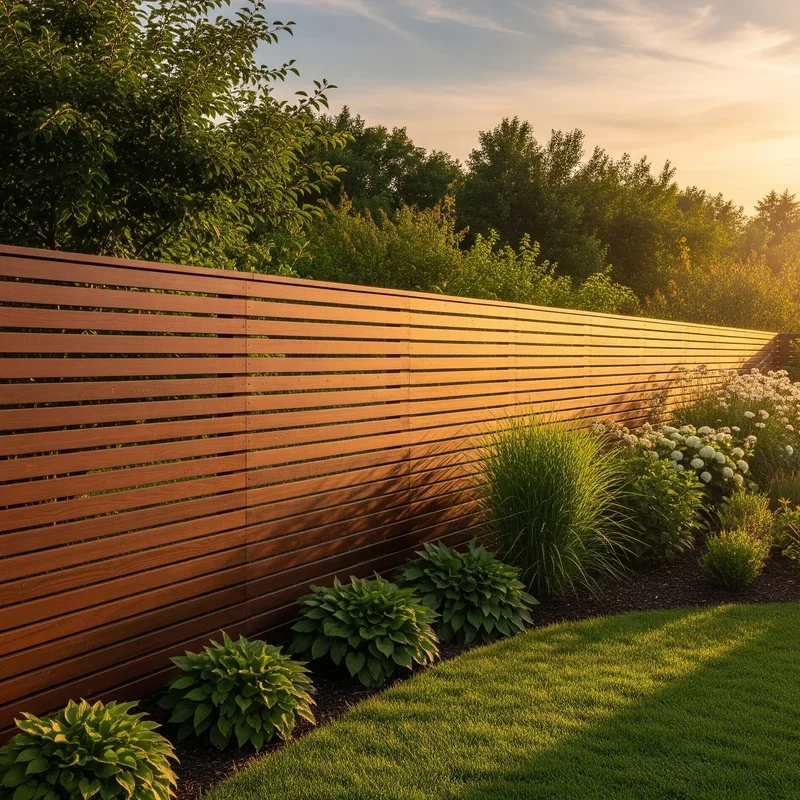
A horizontal slat modern gate runs parallel boards side to side rather than the traditional vertical orientation, creating the clean, contemporary, deliberately-different-from-every-other-fence linear pattern that standard, vertical, same-as-the-neighbors picket-style gates deliver conventionally but horizontal alternatives deliver with the fresh, modern, somebody-chose-this-intentionally design confidence that horizontal lines communicate through their deliberate, convention-breaking, I-know-what-I-want aesthetic departure from the vertical standard dominating residential fencing throughout the entire suburban landscape surrounding your intentionally horizontal, deliberately modern, standing-apart-from-the-crowd gate. Build the gate using evenly spaced horizontal boards mounted to a sturdy internal frame, since the clean lines create the modern aesthetic while the hidden frame provides structural integrity. Choose cedar or composite for durability. Stain in dark walnut or natural tone. Think of horizontal gates like modern architecture applied to fencing. Your entrance modernizes.
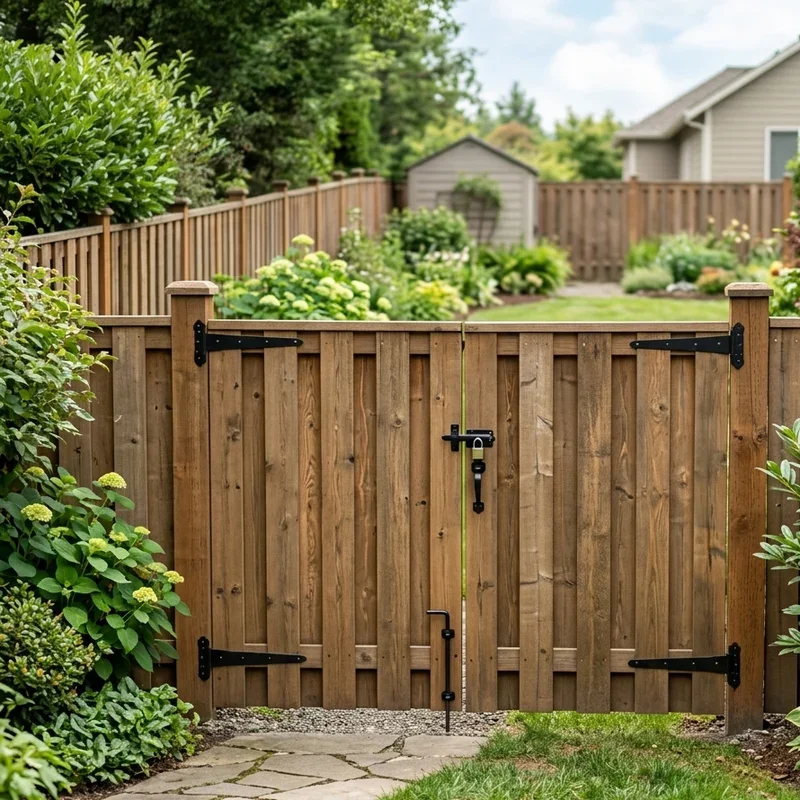
2. Board-on-Board Double Gate
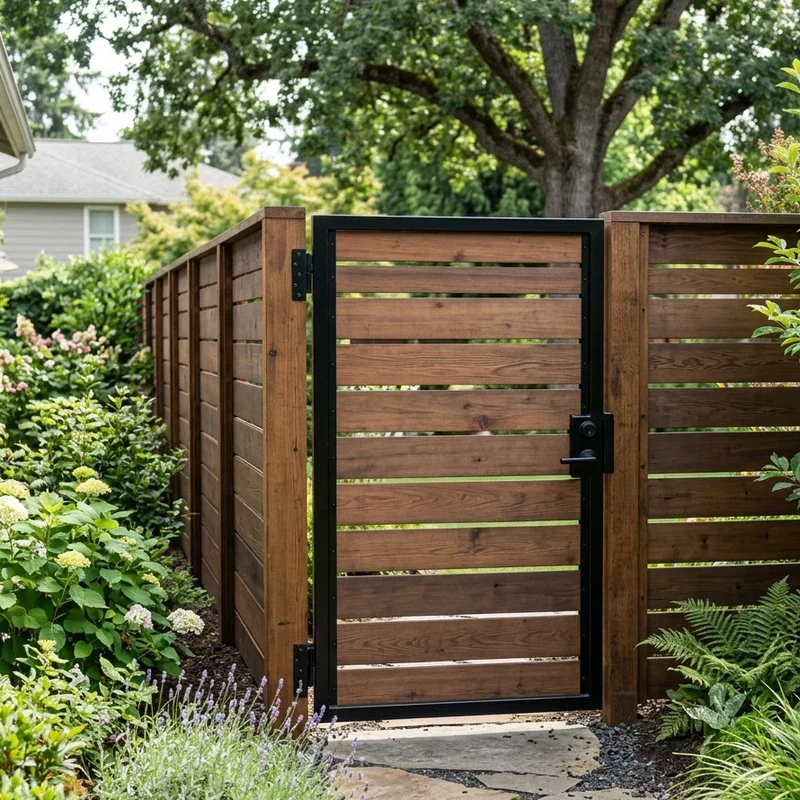
A board-on-board double gate overlaps alternating boards on both sides of the frame, creating the no-gap, see-nothing, total-visual-privacy construction that standard, single-sided, gap-between-boards fence gates compromise through their visible, light-passing, peek-through spaces between boards that overlapping, both-sides-covered, board-on-board construction eliminates completely through its doubled, staggered, every-gap-covered layered assembly where boards mounted on the front cover the spaces between boards mounted on the back for comprehensive, zero-sightline, genuine privacy from every viewing angle. Build a double gate using boards mounted in alternating positions on both frame sides, since the overlapping arrangement blocks all light and visibility through the gate structure. Choose matching wood species. Add heavy-duty hinges supporting the doubled weight. Think of board-on-board like privacy doubled through layered construction. Your gate blocks everything.
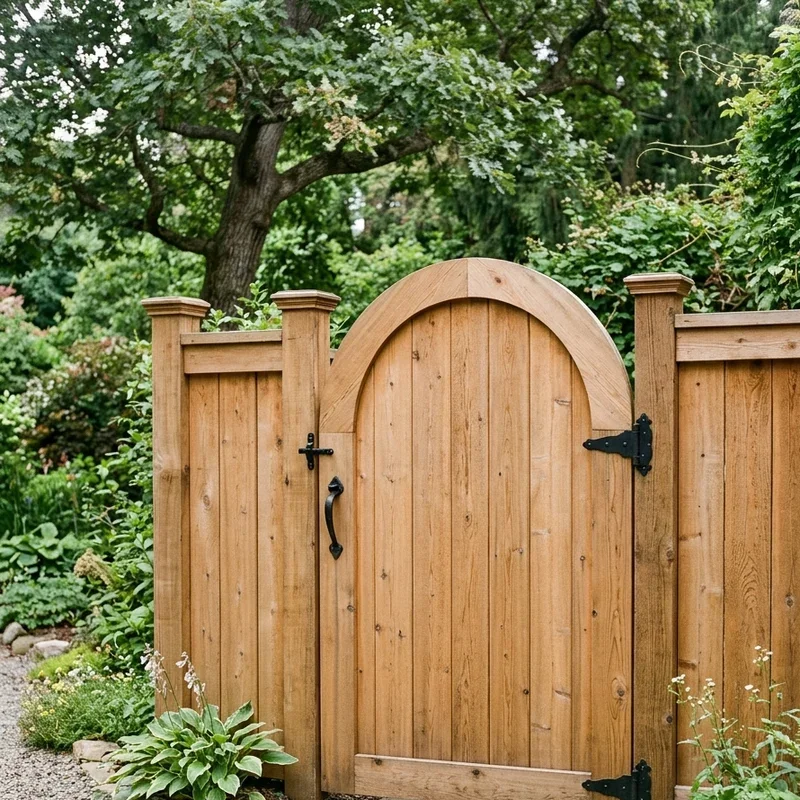
3. Arched Top Privacy Gate
An arched top privacy gate curves the upper edge into a graceful, rounded, old-world-inspired silhouette that breaks the flat, straight, ruler-drawn horizontal monotony that square-topped, straight-cut, zero-curvature standard gates deliver through their plain, architecturally anonymous, nothing-special-about-this-flat-top unadorned upper profile adding zero character to the gate's most visible, most silhouetted, most sky-framed upper edge where the curve of an arch transforms the simple, flat, forgettable straight line into an elegant, eye-catching, deliberately designed architectural feature visible from the street and the yard simultaneously. Cut the gate's top boards in a graduated arc, since the curved profile creates the arch silhouette against the sky. Build the curve using a template for consistent, symmetrical shaping. Add a keystone accent at the arch's peak. Think of arched gates like cathedral doorways to your backyard. Your entrance curves elegantly.
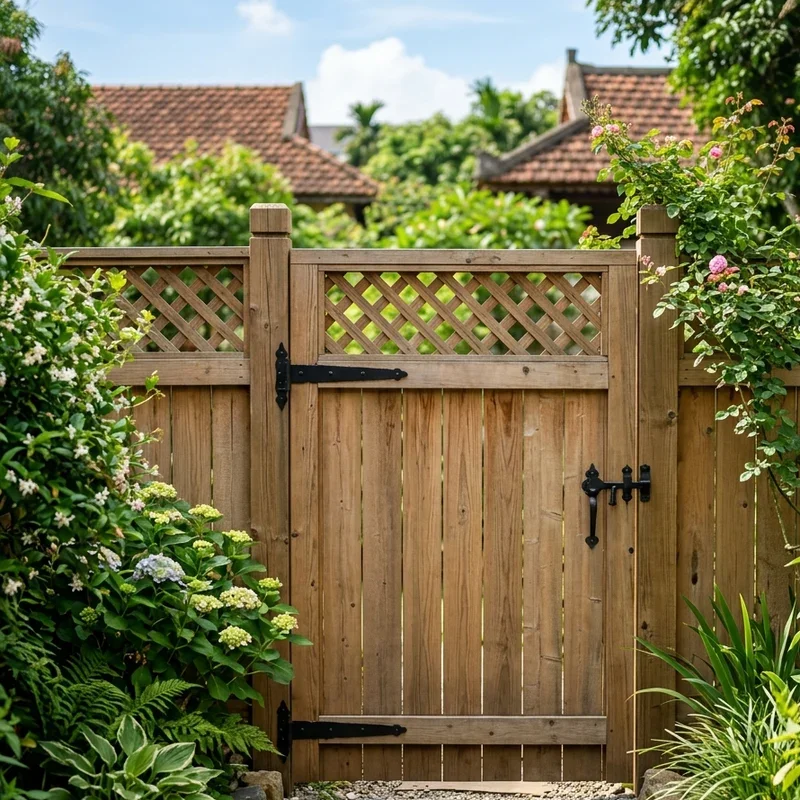
4. Lattice Top Privacy Gate
A lattice top privacy gate adds a decorative, semi-transparent, crisscrossed wooden panel above the solid privacy section, creating the balanced, light-admitting, airflow-allowing design compromise that completely solid, top-to-top, blocks-everything-including-breezes full-privacy gates deliver as total seclusion but lattice-topped alternatives deliver as partial, still-mostly-private, lets-light-and-air-through privacy with the added visual bonus of the decorative, diamond-patterned, sunlight-filtering lattice grid adding architectural interest above the solid, view-blocking, privacy-providing lower section. Build the lower three-quarters of the gate with solid privacy boards, then top the upper quarter with a diagonal lattice panel, since the combined construction provides ground-level privacy while the open lattice admits light and airflow above. Train climbing vines through the lattice for living decoration. Think of lattice tops like decorative crowns on privacy gates. Your gate breathes above.
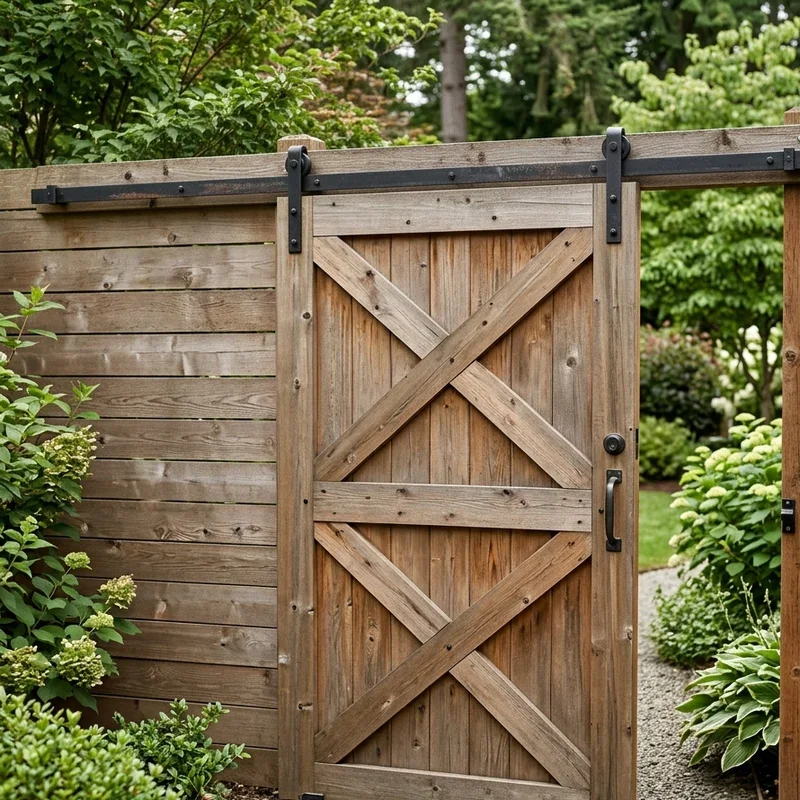
5. Sliding Barn-Style Gate
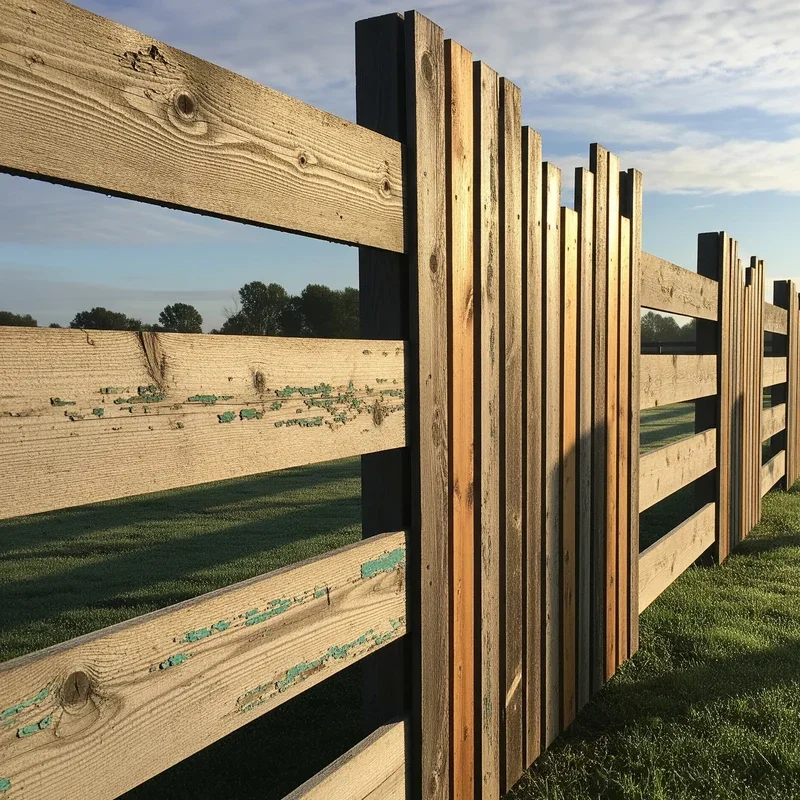
A sliding barn-style gate rolls horizontally along a mounted overhead track, clearing the entry without swinging into the yard or driveway while delivering the rustic, agricultural, farmhouse-inspired visual character that hinged, swing-open, requires-clear-arc-space standard gates deliver as conventional, space-consuming, must-leave-room-for-the-swing inward or outward opening mechanisms consuming the ground-level clearance that sliding alternatives preserve completely through their horizontal, along-the-fence, never-swings-into-anything track-guided movement requiring zero arc clearance on either side. Mount a heavy-duty track above the fence line, then hang a solid privacy gate panel on roller carriages, since the overhead guidance system supports the gate's sliding motion smoothly. Build from rough-sawn lumber for rustic character. Add a locking mechanism. Think of sliding gates like barn doors for your fence line. Your entrance slides.
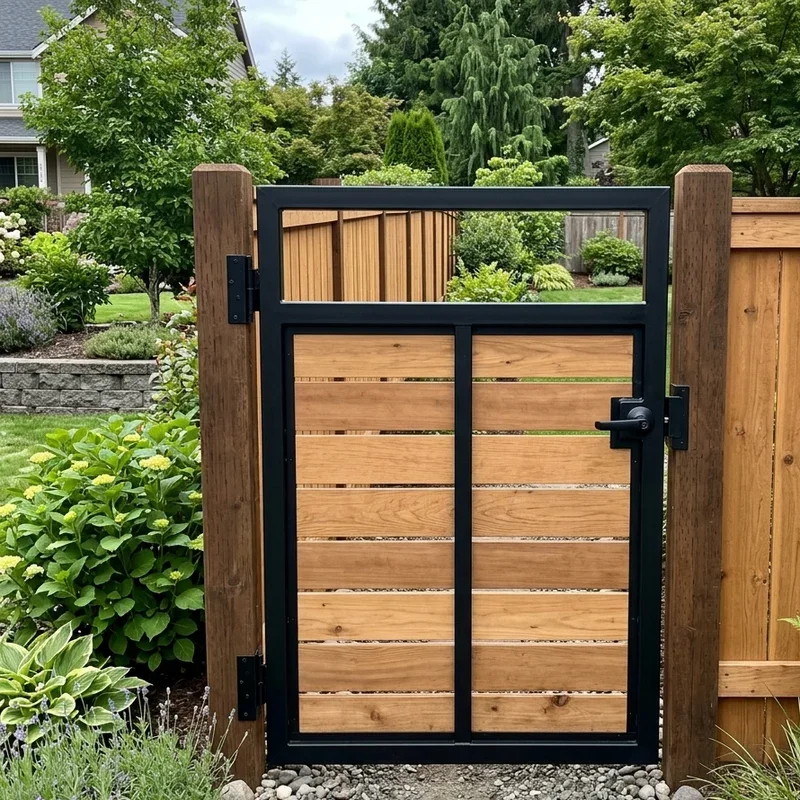
6. Metal and Wood Combo Gate
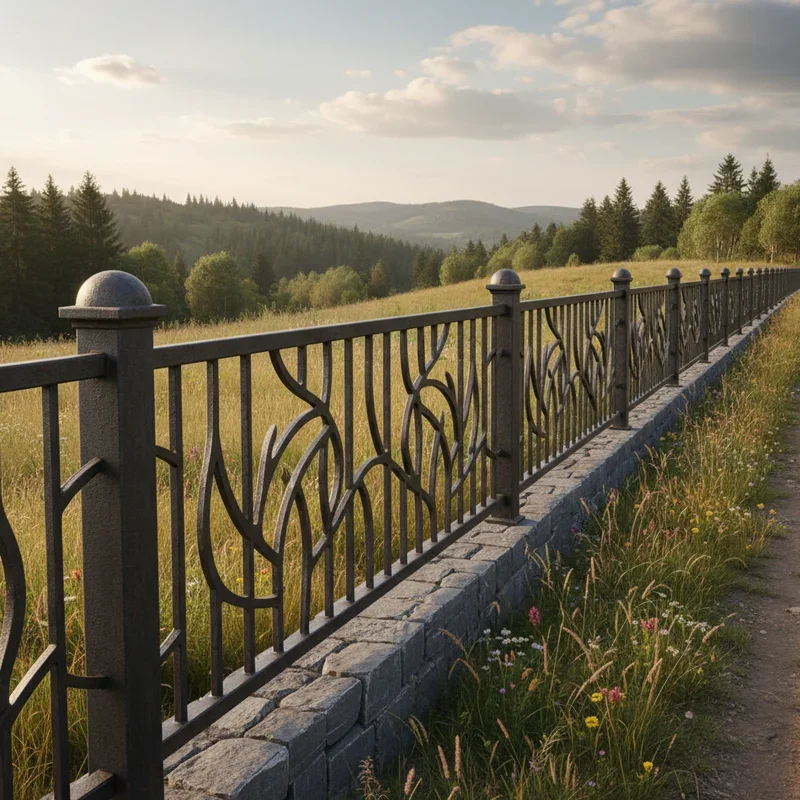
A metal and wood combo gate combines iron or steel framing with wooden privacy infill panels, creating the mixed-material, industrial-meets-organic, strength-meets-warmth visual contrast that single-material, all-wood or all-metal gates deliver uniformly but combined alternatives deliver with the dimensional, textured, two-materials-in-conversation design dialogue between warm, grainy, organic wood panels and cold, strong, architecturally rigid metal framing holding everything together with the visible, structural, I-am-the-skeleton-supporting-the-skin engineering honesty that exposed metal frames communicate through their functional, form-following-purpose, nothing-hidden structural presentation. Build a steel or iron frame, then fill the interior with horizontal or vertical wood boards, since the metal structure provides strength while the wood panels provide privacy and warmth. Choose powder-coated black steel with natural cedar. Add decorative metal details. Think of combo gates like strength and warmth combined. Your entrance mixes materials.
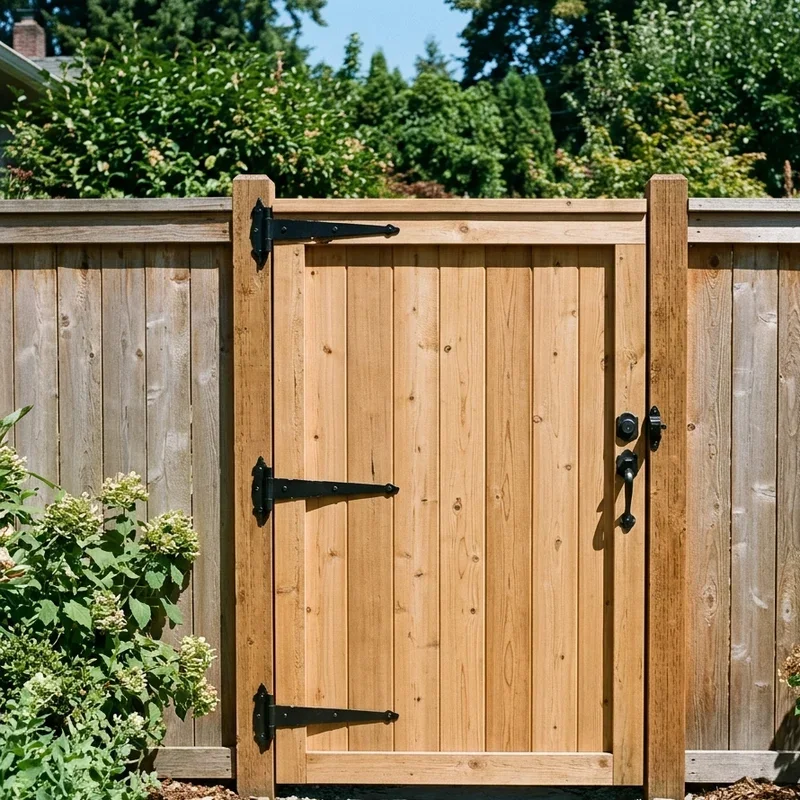
7. Tongue and Groove Solid Gate
A tongue and groove solid gate fits boards together through interlocking, gap-free, seamless edge joints creating the most completely solid, zero-light-passing, absolutely-nothing-visible privacy surface that standard, side-by-side, gap-between-boards butted construction approximates closely but tongue-and-groove alternatives achieve completely through their interlocking, mechanically-joined, physically-connected edge-to-edge board connections eliminating every possible sightline, light ray, and visual connection between the private backyard behind the gate and the public space in front of it. Build using tongue-and-groove lumber where each board's protruding tongue fits into the adjacent board's routed groove, since the mechanical joint creates seamless, gap-free, total-privacy construction. Choose weather-resistant species. Seal all joints against moisture. Think of tongue-and-groove like puzzle-piece privacy. Your gate seals completely.
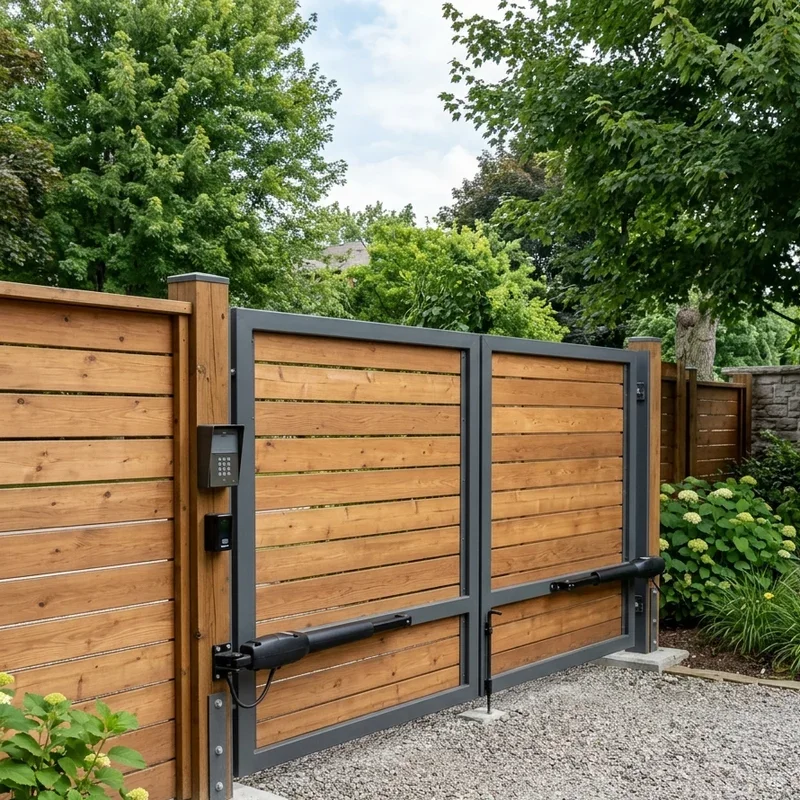
8. Automated Privacy Gate
An automated privacy gate adds electric, remote-controlled, push-a-button-and-it-opens motorized operation to your privacy fence entry, providing the hands-free, car-stays-running, never-step-out-in-the-rain convenience that manual, walk-to-the-gate, lift-the-latch, push-it-open, walk-back-to-the-car human-powered gate operation demands through its every-single-arrival, every-single-departure, rain-or-shine, carrying-groceries-while-fumbling-with-the-latch physical effort that automated alternatives eliminate completely through their one-button, stay-in-your-seat, gate-opens-itself electronic convenience requiring zero physical interaction beyond pressing a remote. Install a gate motor compatible with your gate's weight and style, since the motorized system automates opening and closing through a remote control, keypad, or smartphone app. Choose solar-powered motors for eco-friendly operation. Add safety sensors preventing closure on obstacles. Think of automated gates like garage doors for your fence. Your entrance opens remotely.
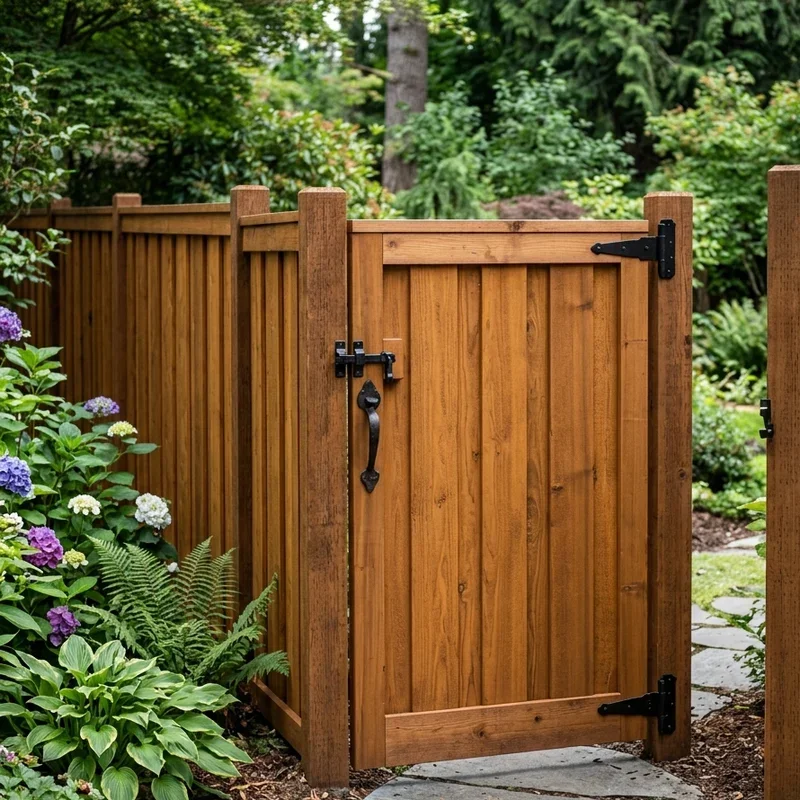
9. Stained Cedar Privacy Gate
Stained cedar brings warm, reddish-gold, naturally aromatic, insect-resistant wood into your privacy gate, where the premium species delivers the rich, warm, distinctively beautiful grain character that pressure-treated pine delivers affordably but cedar delivers with the kind of naturally gorgeous, no-paint-needed, the-wood-itself-is-the-decoration visual beauty that quality timber provides through its inherent, grew-this-way, nature-made-it-beautiful grain patterns, warm tonal variations, and the distinctive, forest-fresh, open-the-gate-and-smell-it cedar aroma greeting everyone who approaches your property boundary. Build your gate from western red cedar boards, then apply a semi-transparent stain enhancing the natural grain, since the preserved wood tones maintain cedar's distinctive warmth while the sealant extends the lumber's already-impressive natural durability. Choose warm honey or rich amber stain tones. Think of cedar gates like warm timber greeting your visitors. Your entrance smells.
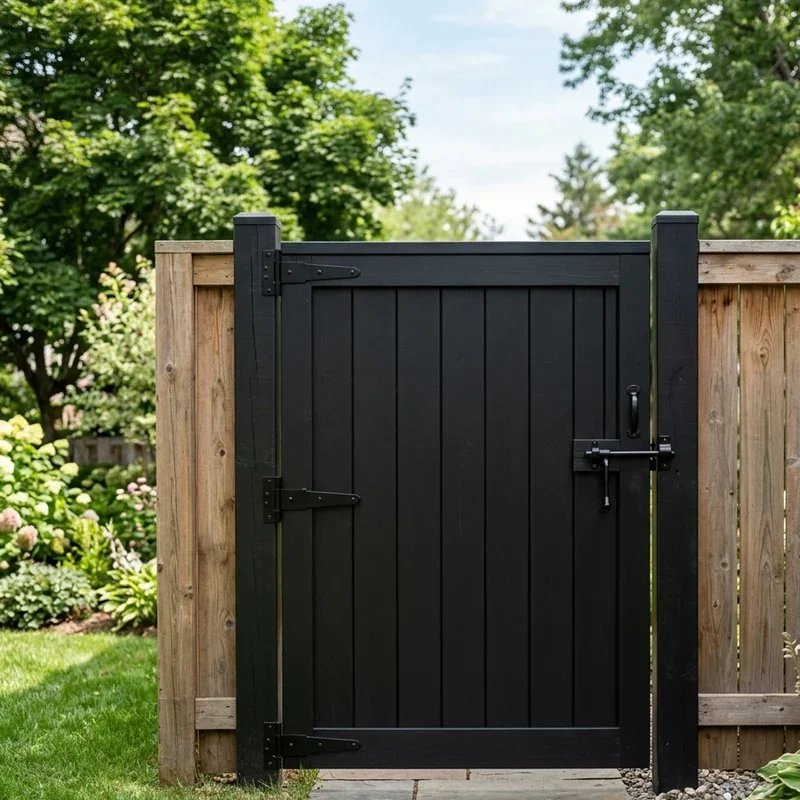
10. Black Painted Privacy Gate
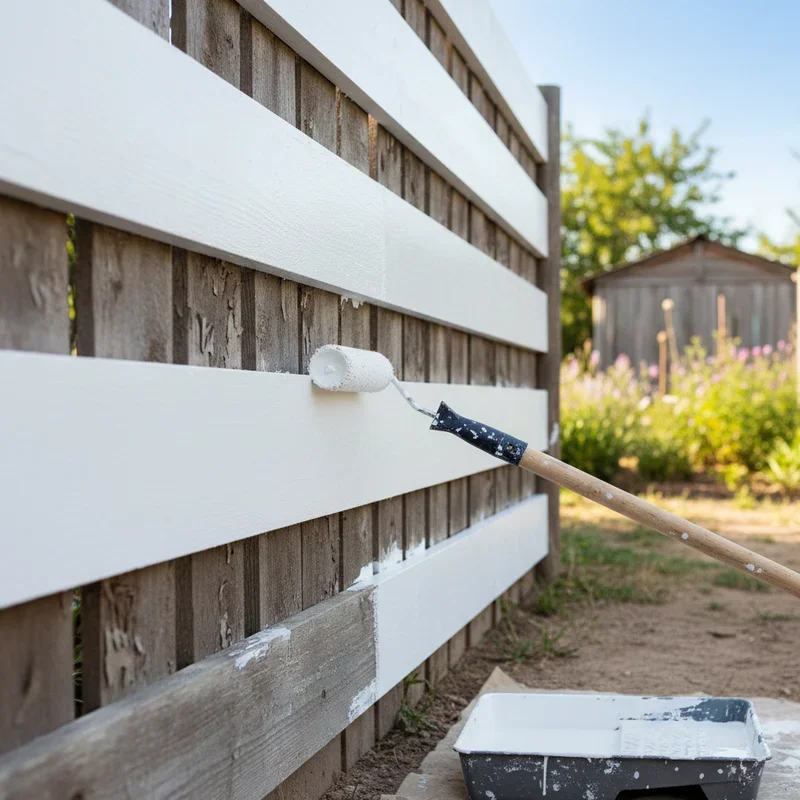
A black painted privacy gate coats your fence entry in bold, dramatic, unapologetically dark matte or satin finish that communicates serious, modern, design-confident visual authority through the kind of committed, all-in, we-chose-black-on-purpose color decision that safe, expected, blend-into-the-landscape neutral wood-tone alternatives deliver invisibly but black alternatives deliver with the impossible-to-ignore, look-at-this-gate, somebody-made-a-bold-choice commanding visual presence that dark-painted, deliberately-conspicuous, standing-out-rather-than-blending-in fence gates produce through their stark, high-contrast, definitely-the-darkest-thing-on-the-property attention-commanding chromatic authority. Paint your privacy gate in matte or satin black exterior paint, since the dark finish creates modern, gallery-like, design-magazine-worthy visual impact. Choose quality exterior paint for lasting coverage. Add brass or gold hardware for warm contrast. Think of black gates like design statements painted in confidence. Your entrance darkens boldly.
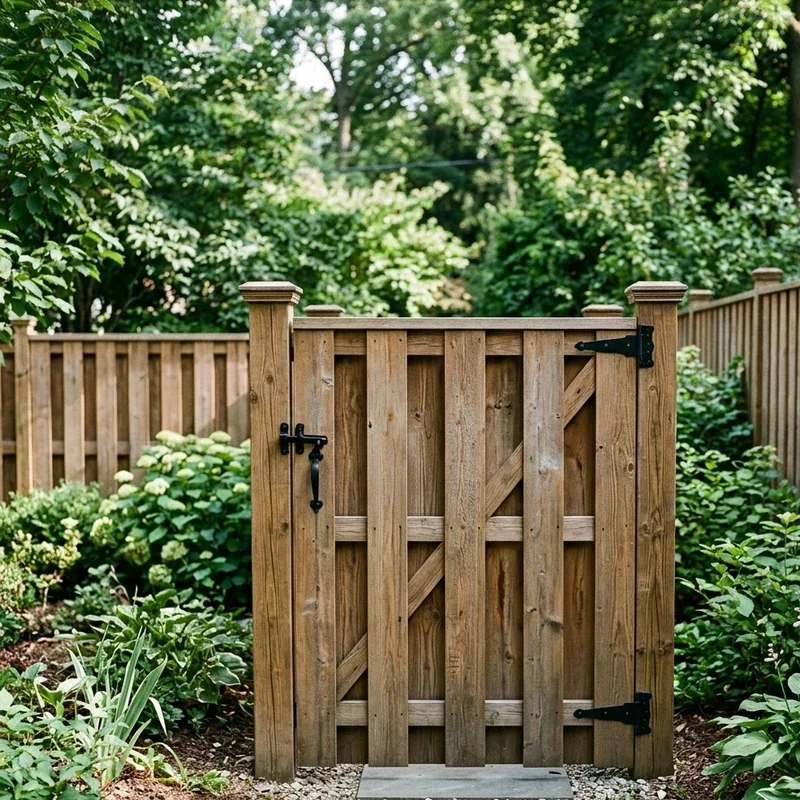
11. Shadowbox Privacy Gate
A shadowbox privacy gate alternates boards on opposite sides of the frame, creating the dimensional, peek-from-an-angle-but-not-straight-on semi-privacy construction that solid, gap-free, cannot-see-anything full-privacy alternatives deliver completely but shadowbox designs deliver partially through their straight-on-view-blocked, angled-view-partially-open staggered board arrangement allowing filtered light and gentle airflow through the offset gaps while maintaining direct-line privacy from the most common, straight-ahead, facing-the-gate-directly viewing angle that most passersby and neighbors use when looking toward your fence. Build the gate with boards mounted on alternating sides of the internal frame, since the staggered positioning blocks straight-through sightlines while the offset gaps admit light and air from angled views. Match the shadowbox pattern to your existing fence style. Think of shadowbox gates like partial privacy with dimensional character. Your entrance filters views.
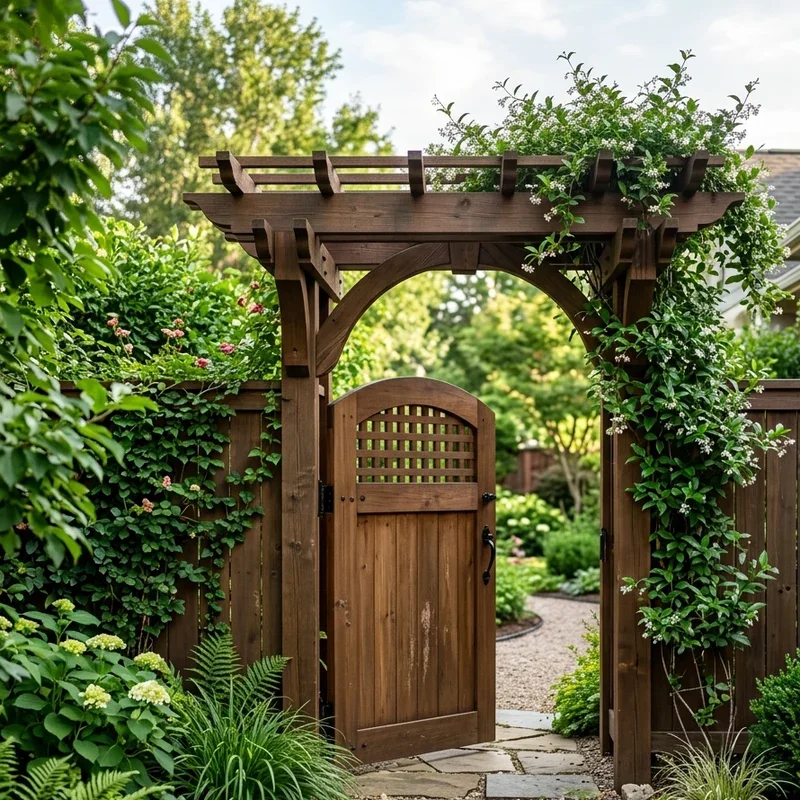
12. Pergola-Topped Entry Gate
A pergola-topped entry gate builds a small, overhead, beam-and-rafter wooden structure above the gate opening, creating the framed, architecturally significant, this-entrance-matters visual emphasis that plain, un-topped, nothing-above-the-gate standard openings deliver as simple, unmarked, same-height-as-the-fence utilitarian pass-through points but pergola-topped alternatives deliver as designated, architecturally highlighted, walk-beneath-this-structure ceremonial thresholds marking the transition between public space and private backyard through the deliberate, designed, built-specifically-to-frame-this-opening overhead architectural gesture. Build a small pergola with two posts and overhead beams spanning the gate opening, since the architectural framework creates a defined, portal-like entry experience. Train climbing vines over the pergola for living canopy. Coordinate materials with the gate and fence. Think of pergola gates like architectural doorways to your yard. Your entrance frames.
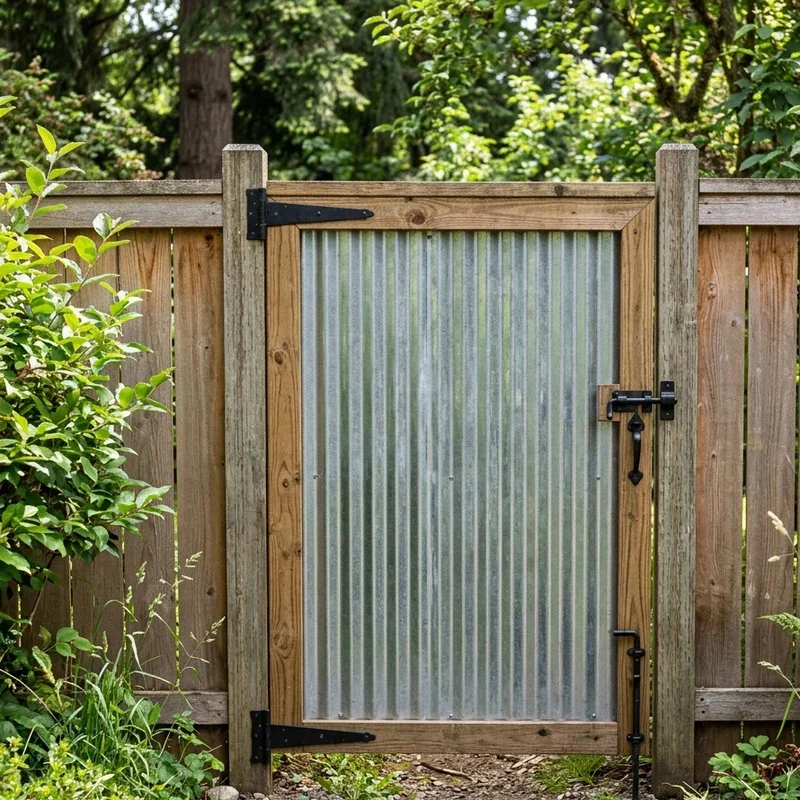
13. Corrugated Metal Panel Gate
A corrugated metal panel gate mounts wavy, industrial, weather-resistant steel sheets onto a sturdy frame, creating the modern-rustic, farmhouse-industrial, deliberately-raw aesthetic that traditional wooden privacy gates deliver warmly but corrugated alternatives deliver with the bold, unconventional, this-is-different material character that rippled metal surfaces add through their ridged, light-catching, shadow-creating dimensional texture communicating contemporary, design-aware, not-afraid-of-industrial-materials aesthetic confidence through every corrugated, proudly-metallic, agricultural-heritage-carrying wavy inch covering the gate's full privacy-providing surface. Mount corrugated metal roofing panels onto a wooden or steel gate frame, since the layered construction combines the metal's weather resistance with structural framing strength. Choose galvanized, weathered, or painted corrugated finish. Add wooden trim for warm contrast. Think of corrugated gates like barn roofing standing vertically. Your entrance textures industrially.
14. Bamboo Privacy Gate
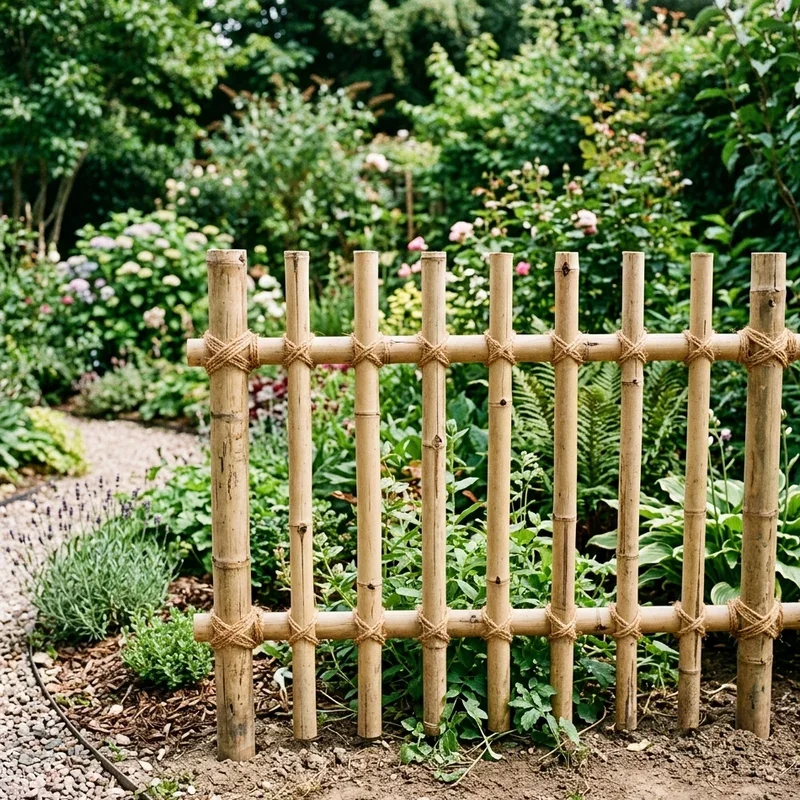
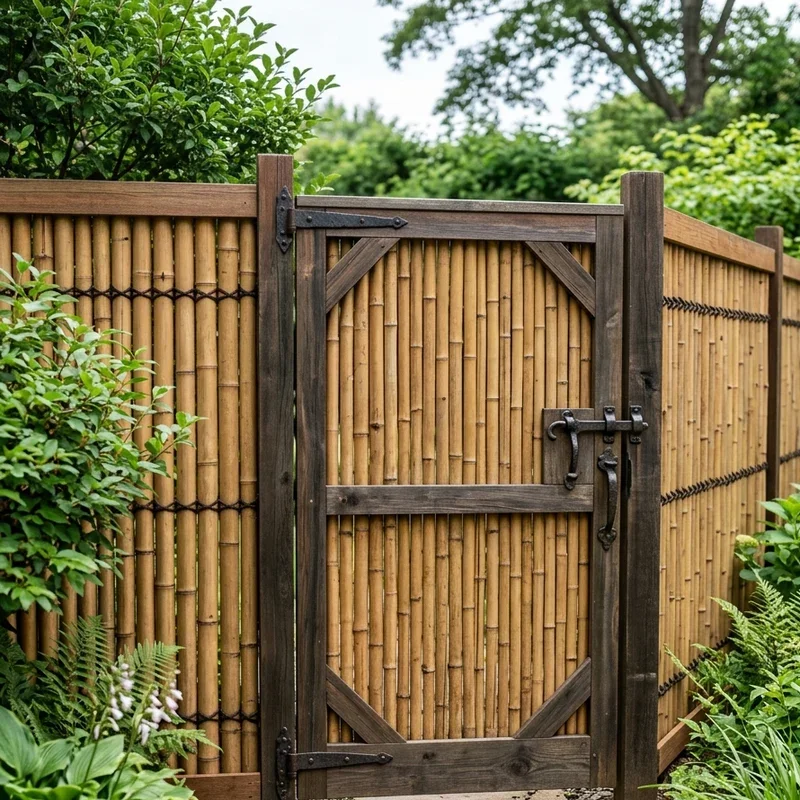
A bamboo privacy gate builds the entry from dense, natural, tropical-material poles creating the exotic, resort-inspired, vacation-feeling entrance that conventional wooden gates deliver regionally but bamboo alternatives deliver with the distinctly tropical, obviously-not-from-around-here, where-did-you-find-that exotic material character that genuine bamboo carries through its smooth, segmented, hollow-stemmed, unmistakably-Asian-or-tropical botanical appearance distinguishing the gate immediately from every surrounding conventional wooden fence section through its visually distinctive, clearly-different, deliberately-chosen alternative material presence. Build the gate by mounting vertical bamboo poles densely onto an internal frame, since the close spacing creates complete privacy while the natural poles add tropical texture. Choose thick-walled bamboo species for durability. Seal with outdoor-rated clear coat for weather protection. Think of bamboo gates like tropical resort entrances at home. Your backyard welcomes exotically.
15. Stone Pillar Framed Gate
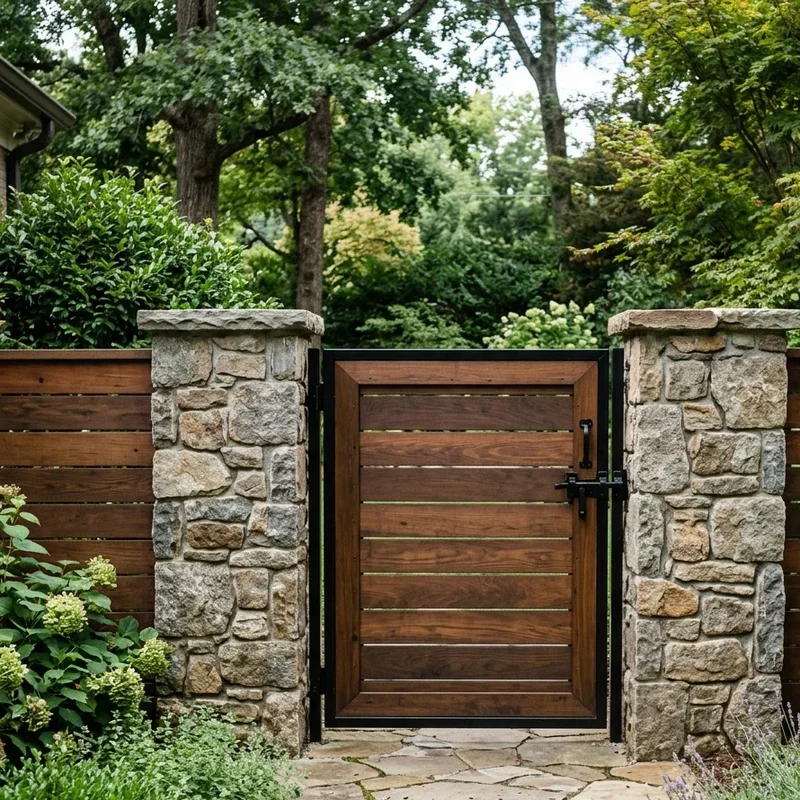
Stone pillar framed gates flank the entry with sturdy, permanent, architecturally substantial masonry columns that communicate permanence, substance, and refined taste through the geological authority that natural or manufactured stone carries through its dense, heavy, built-to-last-centuries material weight anchoring your gate opening with the kind of visual gravity and architectural seriousness that wooden posts deliver functionally but stone pillars deliver monumentally through their massive, undeniable, these-are-not-going-anywhere permanence framing the gate between matching, symmetrical, estate-entrance-quality masonry columns transforming a simple fence gate into a genuine architectural gateway. Build two matching stone pillars from stacked fieldstone, limestone, or cultured stone veneer on either side of the gate opening. Cap each pillar with a flat stone or copper cap. Mount the gate between the pillars using heavy-duty hardware. Think of stone pillars like geological sentinels guarding your gate. Your entrance anchors permanently.
Conclusion
Privacy fence gate ideas prove that the entry point to your backyard deserves the same design attention as your front door, where the gate's material, style, and construction quality determine whether entering your private outdoor space feels like passing through a thoughtfully designed, beautifully crafted, intentionally styled threshold or simply opening another forgettable, builder-grade, uninspired gap in an otherwise ordinary fence line that communicates nothing about the beautiful backyard paradise waiting beyond. These fifteen ideas span horizontal slats to stone pillars, matching every backyard style. Whether you automate the entry or arch the top, intentional gate design elevates your entire property. Start designing your privacy gate today.
Read next: 15 Garden Fence Ideas for a Charming Outdoor Space
Frequently Asked Questions
Q1: What wood works best for privacy fence gates?
A: Western red cedar, redwood, and pressure-treated pine deliver the most durable, weather-resistant, long-lasting privacy gate construction.
Q2: How wide should a privacy fence gate be?
A: Standard pedestrian gates measure three to four feet, while double gates span six to eight feet for wider access.
Q3: Do privacy gates need special hinges?
A: Yes, heavy-duty, self-closing, adjustable hinges support the significant weight that solid privacy gate construction demands reliably.
Q4: How do I prevent a privacy gate from sagging?
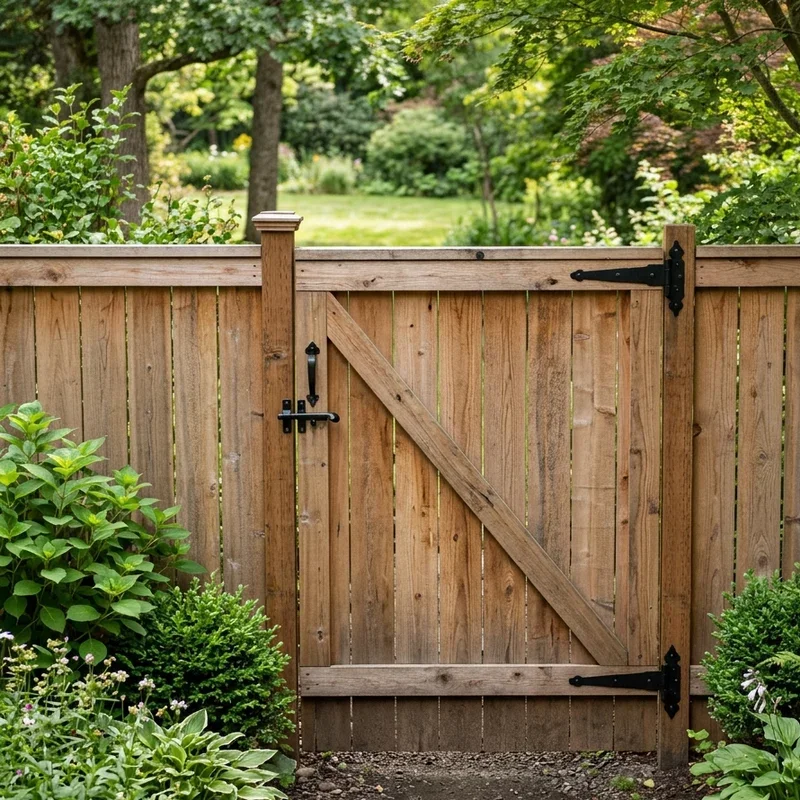
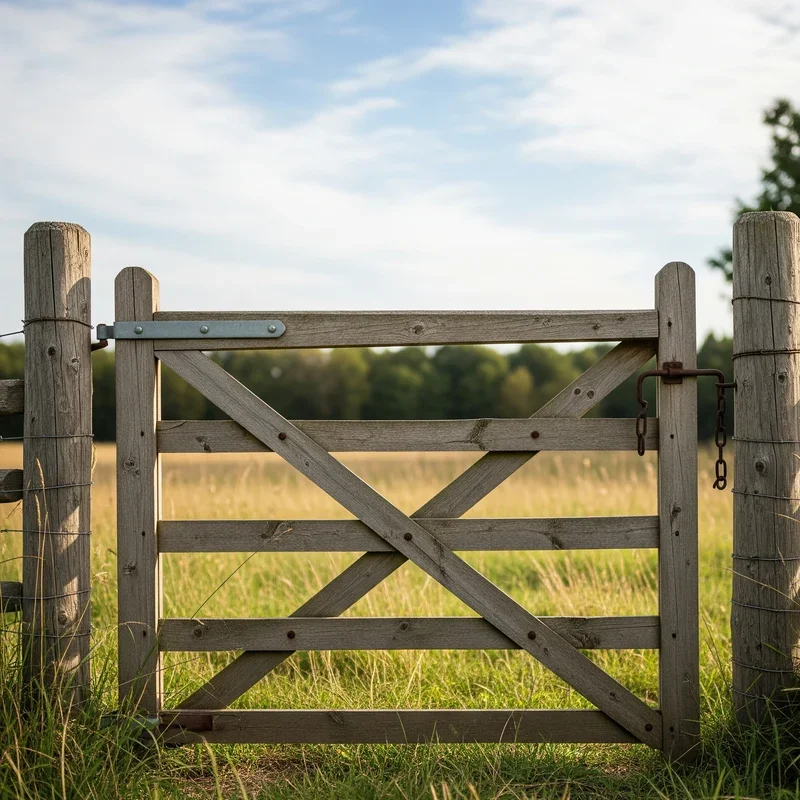
A: Install a diagonal cross-brace inside the gate frame running from the bottom hinge corner to the opposite top corner.
Q5: Should privacy gates open inward or outward?
A: Gates typically open inward toward the property for security, though outward-opening designs work when inward clearance is limited.
Stay up to date with our latest ideas!