How to Siphon Water Off Pool Cover Step by Step
Learn how to siphon water off pool cover step by step with simple methods that save time, protect your cover, and keep your pool clean.
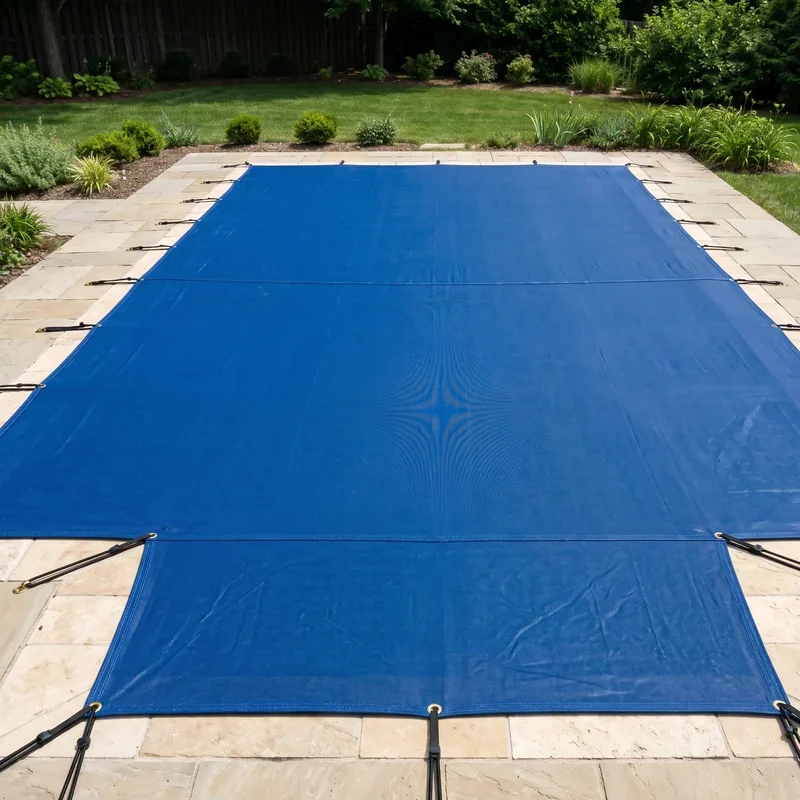
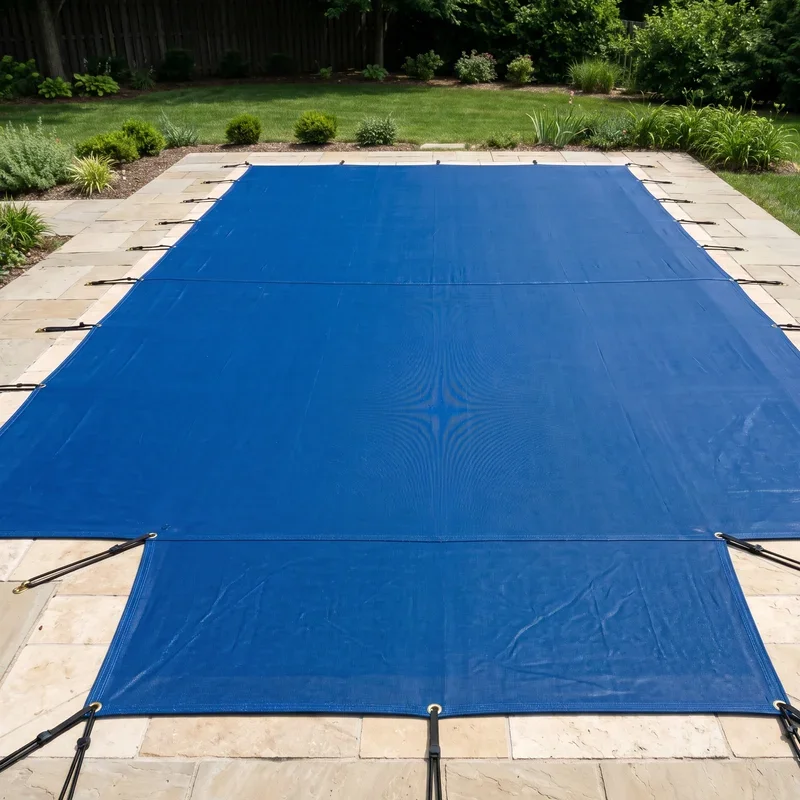
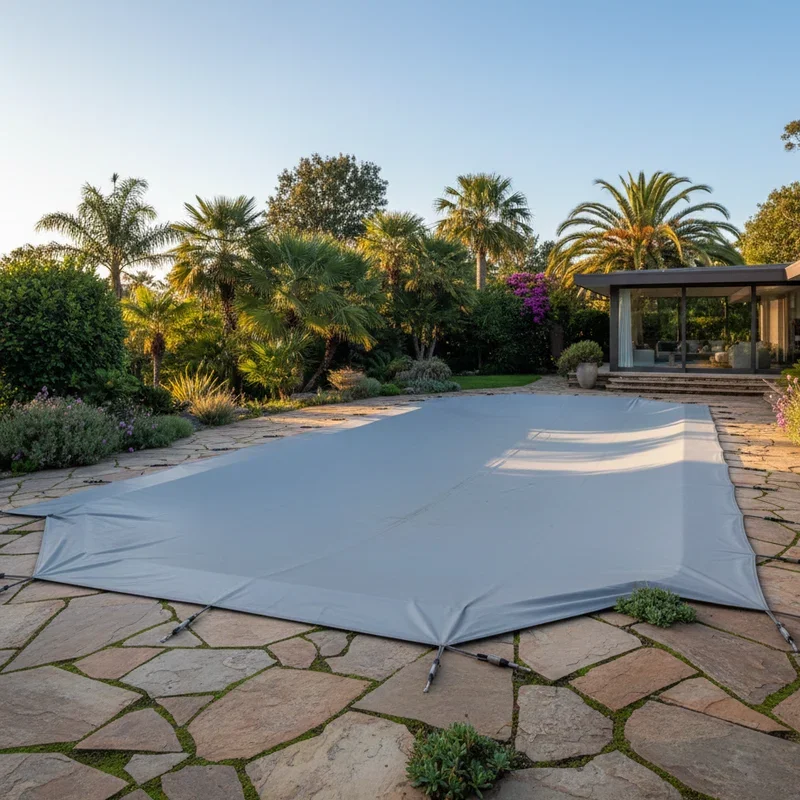
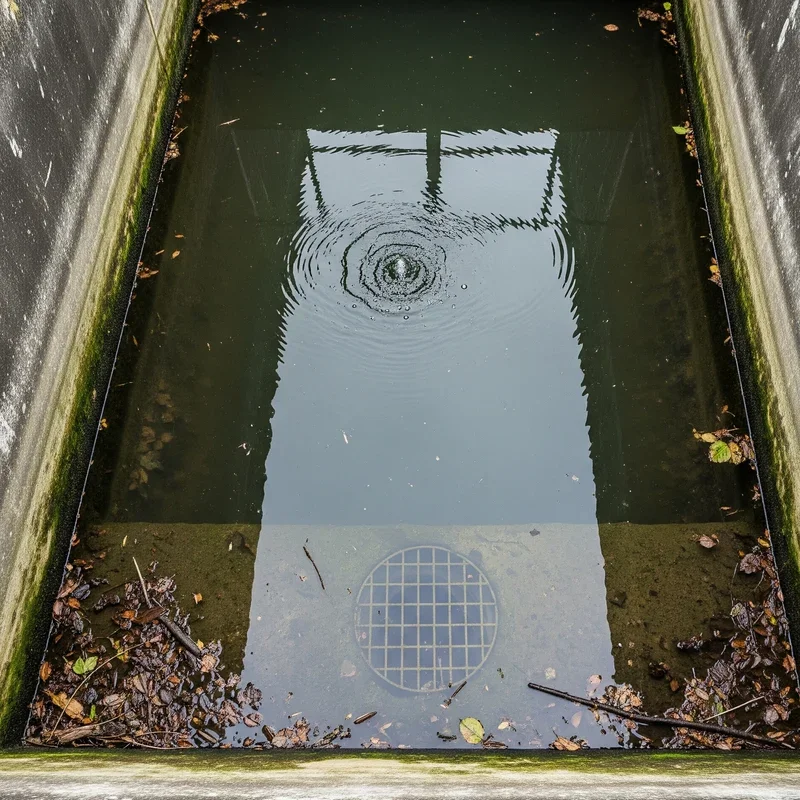
So you've walked outside after a heavy rainstorm, and there it is. Your pool cover looks like it's hosting its own little lake. That sagging, water-logged mess isn't just an eyesore. It's actually a ticking time bomb for your cover, your pool, and honestly, your patience. Left unchecked, standing water can stretch and tear even the sturdiest covers, dump debris straight into your pool, and create a breeding ground for mosquitoes. Nobody wants that.
Here's the good news, though. Getting rid of that water doesn't require calling in the pros or spending a fortune on fancy equipment. Once you understand how to siphon water off pool cover step by step, the whole process becomes almost laughably simple. We're talking basic physics, a garden hose, and maybe ten minutes of your time. Whether you're a first-time pool owner or someone who's been battling puddles on covers for years, this guide is going to walk you through everything you need to know. From gathering your supplies to troubleshooting common hiccups, we've got you covered. Pun absolutely intended.
Let's roll up our sleeves and get into it.
Why You Shouldn't Ignore Water on Your Pool Cover
Before we jump into the nuts and bolts, let's talk about why this matters in the first place. A lot of folks look at a puddle sitting on their pool cover and think it's no big deal. They figure the sun will dry it up eventually or that the cover can handle the extra weight. Well, not exactly.
Water is surprisingly heavy. A single gallon weighs about eight pounds. Now picture dozens or even hundreds of gallons pooling on top of your cover after a solid week of rain. That weight puts enormous stress on the cover material, the anchors, and the pool structure itself. Over time, this leads to stretching, sagging, and eventually tearing. Replacing a pool cover isn't cheap, and neither is fixing damage to your pool walls or frame.
There's also the cleanliness factor. Standing water attracts leaves, dirt, insects, pollen, and all sorts of organic gunk. When that dirty water eventually finds its way into your pool, and trust me it will, you're looking at a much bigger cleanup job when it's time to open the pool for the season. Algae can take hold faster than you'd expect, and your chemical balance gets thrown completely out of whack.
Then there's the safety concern that a lot of people overlook. A heavy pool of water on a cover creates a drowning hazard, especially for small children and pets. The cover might look solid, but with all that weight on it, the edges can give way, and anything that steps onto the surface could slip right into the water underneath.
Long story short, keeping your cover clear of standing water is one of those small maintenance tasks that prevents a whole cascade of bigger problems down the road.
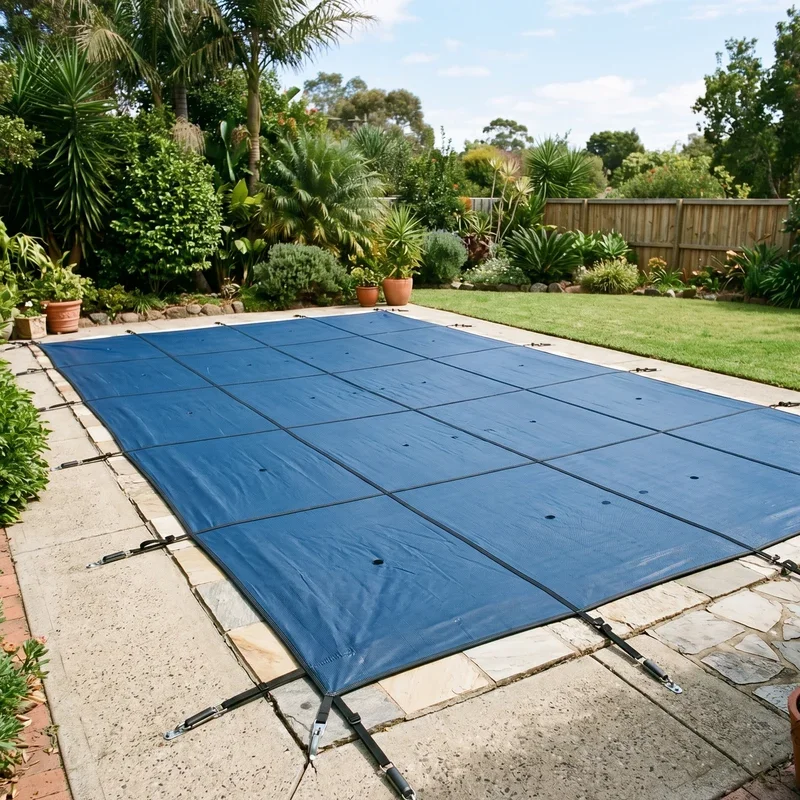
What You'll Need Before Getting Started
Preparation is half the battle with any project around the house. Siphoning water off your pool cover isn't complicated, but having everything ready before you start makes the process smoother and quicker. Here's what you should gather up.
You'll need a standard garden hose. The length depends on where you plan to drain the water, but something in the range of twenty-five to fifty feet usually does the trick. Make sure the hose doesn't have any kinks or cracks because even a tiny leak can break the siphon.
A submersible pump is optional but helpful if you're dealing with a really large volume of water. For most situations, though, a simple hose siphon works perfectly fine.
Grab a pair of waterproof gloves if you're not a fan of cold, grimy water. A bucket can come in handy for removing the last stubborn inch or two that the siphon can't quite reach. And if your cover has accumulated a lot of leaves and debris, a pool skimmer or a soft broom will help you clear that off before you start draining.
One more thing. Identify where you want the water to drain. The discharge end of the hose needs to be at a lower elevation than the water on the cover for the siphon to work. A garden bed, a storm drain, or a lower section of your yard are all solid options. Just make sure you're not sending all that water toward your foundation or your neighbor's property.
How to Siphon Water Off Pool Cover Step by Step
Alright, here's the main event. This is the process broken down into clear, manageable steps that anyone can follow. No plumbing degree required.
Step 1: Clear Off Debris First
Before you even think about draining, grab your pool skimmer or a soft broom and sweep off any leaves, twigs, or other junk sitting on the cover. This serves a couple of purposes. First, it keeps debris from clogging your hose. Second, it lightens the load on the cover, reducing stress while you work. Don't be too aggressive with the broom because you don't want to push debris into the water or scratch the cover material.
Step 2: Submerge the Hose Completely
Take your garden hose and feed the entire thing into the puddle on top of the cover. You want every inch of the hose filled with water, and the easiest way to do that is to push the whole thing under the surface. This eliminates air pockets, which are the number one enemy of a good siphon. You can also connect one end of the hose to an outdoor faucet, turn the water on until the hose fills up, then turn the faucet off and disconnect. Both methods work, so pick whichever feels more convenient.
Step 3: Cap One End and Position It
Once the hose is full of water, place your thumb tightly over one end to create a seal. This is the end that's going to be your discharge point. While keeping that seal intact, pull that end of the hose off the cover and down to the area where you want the water to drain. Remember, this spot needs to be lower than the water level on the cover. Gravity is doing all the heavy lifting here, so elevation matters a lot.
Step 4: Release and Let Gravity Work
With the other end of the hose still submerged in the water on the cover, remove your thumb from the discharge end. If you've done everything correctly, water should start flowing almost immediately. You might need to wait a few seconds for the flow to get going, but once it starts, it'll keep draining on its own until the water level on the cover drops below the hose opening.
Step 5: Monitor the Process
Don't just walk away and forget about it. Check on things every few minutes. Make sure the submerged end stays under the water line, because if it pops above the surface, air enters the hose and breaks the siphon. You might need to gently reposition the hose as the water level drops. Also keep an eye on where the water is draining to make sure it's going where you intended and not creating a swampy mess somewhere you don't want it.
Step 6: Handle the Remaining Water
The siphon will get most of the water, but there's usually a shallow layer left that the hose can't quite pick up. This is where your bucket or a small hand pump comes in. Scoop up that last bit and dump it in the yard. Some folks use a large sponge or an old towel to soak up the final traces. It doesn't need to be bone dry, but getting as much water off as possible is the goal.
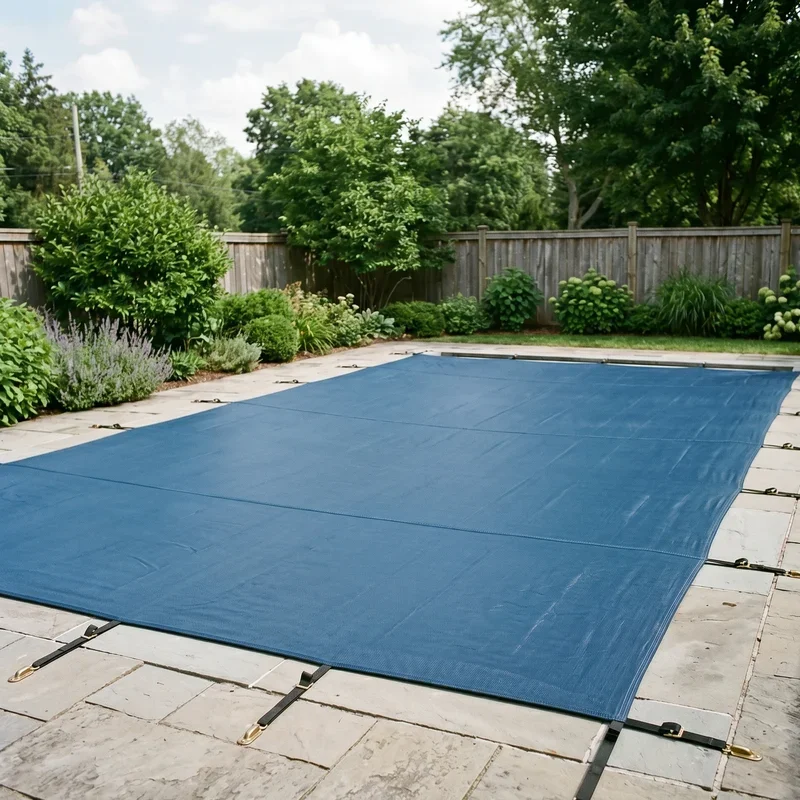
Alternative Methods Worth Considering
The hose siphon method is the classic approach, but it's not the only game in town. Depending on your situation, one of these alternatives might suit you better.
A cover pump is a small, lightweight submersible pump designed specifically for this job. You set it on the cover, plug it in, and it pumps the water off through a discharge hose. These usually run between thirty and sixty dollars and are a real time-saver if you're dealing with heavy water accumulation on a regular basis. They're especially popular in regions that get a lot of rain during the off-season.
If you've got a wet-dry vacuum with enough capacity, that can work for smaller amounts of water. It's not ideal for large puddles, but for that stubborn remaining water after siphoning, it does a nice job.
Some pool owners install an automatic cover pump that kicks on whenever it detects a certain water level. It's a set-it-and-forget-it solution that works well if you travel a lot or simply don't want to bother with manual draining after every storm.
Common Mistakes and How to Avoid Them
Even with a straightforward task like this, there are a few pitfalls that trip people up.
Not fully filling the hose with water before starting is probably the most common mistake. Even a small air bubble can prevent the siphon from working. Take the extra minute to make sure the hose is completely water-filled before you begin.
Placing the discharge end at the same level as, or higher than, the water on the cover is another frequent error. The siphon relies entirely on gravity, so the exit point must be lower. If you're working with a flat yard, you might need to use a longer hose to reach a spot with enough elevation drop.
Using a hose with holes or cracks will sabotage the whole process. Air gets sucked in through those openings and breaks the vacuum that keeps water flowing. Give your hose a quick inspection before you start.
Dragging heavy objects across the cover while working can cause scratches or tears. Be gentle with your tools and your movements. Pool covers are durable, but they're not indestructible.
Forgetting to clean the cover after draining is a missed opportunity. Once the water is gone, give the cover a good sweep or rinse. Removing dirt and organic material prevents staining and extends the cover's lifespan.
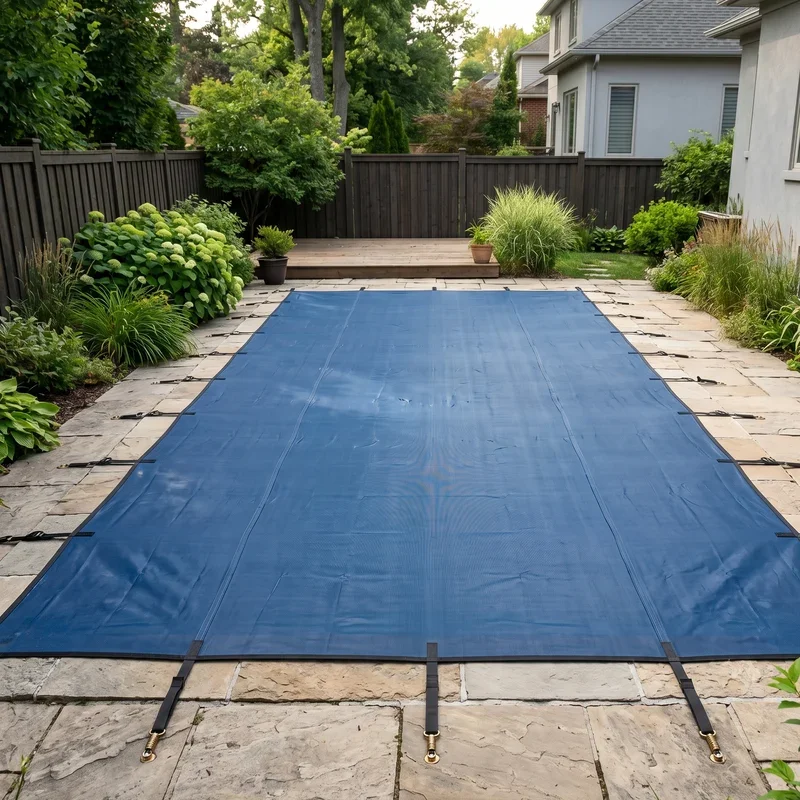
Tips for Keeping Water Off Your Pool Cover
Prevention is always easier than cleanup, so here are some practical ways to minimize water buildup in the first place.
Use a cover pump set on a timer or with an automatic sensor so water gets removed before it accumulates to problematic levels. Ensure your pool cover is properly tightened and secured because a taut cover sheds water more effectively than a loose, saggy one. Place an air pillow or cover support beneath the center of the cover. This creates a slight dome shape that encourages water to run off the edges rather than pooling in the middle. Check your cover after every significant rainfall and remove water promptly. Small amounts are much easier to deal with than letting things pile up over weeks.
If you live in an area with harsh winters and lots of precipitation, investing in a high-quality solid cover or a mesh cover that allows water to pass through naturally can save you a ton of hassle over the long haul.
Conclusion
Learning how to siphon water off pool cover step by step is one of those essential homeowner skills that pays for itself many times over. With nothing more than a garden hose and a bit of patience, you can protect your cover from damage, keep your pool cleaner, and avoid costly repairs when spring rolls around. The process is simple, quick, and something anyone can handle regardless of experience. Make it part of your regular pool maintenance routine, and you'll wonder why you ever let that water sit there in the first place.
Read next: 15 Narrow Pool Ideas to Maximize Outdoor Space
Frequently Asked Questions
Q1. How often should I remove water from my pool cover?
Remove water after every heavy rainstorm or whenever noticeable pooling occurs on the surface.
Q2. Can I use a garden hose to siphon water off my pool cover?
Yes, a standard garden hose works perfectly for siphoning water off any pool cover.
Q3. What happens if I leave standing water on the pool cover?
Standing water causes sagging, tearing, debris buildup, and creates potential safety hazards over time.
Q4. Is a cover pump better than siphoning by hand?
Cover pumps are faster and more convenient, but manual siphoning works great for occasional use.
Q5. Does the siphon method work on all types of pool covers?
Yes, siphoning works effectively on solid winter covers, safety covers, and solar cover types alike.
Stay up to date with our latest ideas!