Wondering when to backwash your pool filter? Discover the right timing, signs, and tips to keep your pool sparkling clean year-round.

Owning a pool sounds glamorous until cloudy water shows up out of nowhere. Suddenly, you're staring at the filter wondering if it's begging for help or just having a bad day. Truth is, backwashing isn't rocket science, but timing matters more than folks realize. Get it wrong, and you'll waste water, chemicals, and weekends. Get it right, and your pool practically glows. So let's chat about when should a pool filter be backwashed for best results, breaking down the science, the signs, and the small habits that separate decent pool care from genuinely great pool care.
What Backwashing Actually Means in Plain Terms
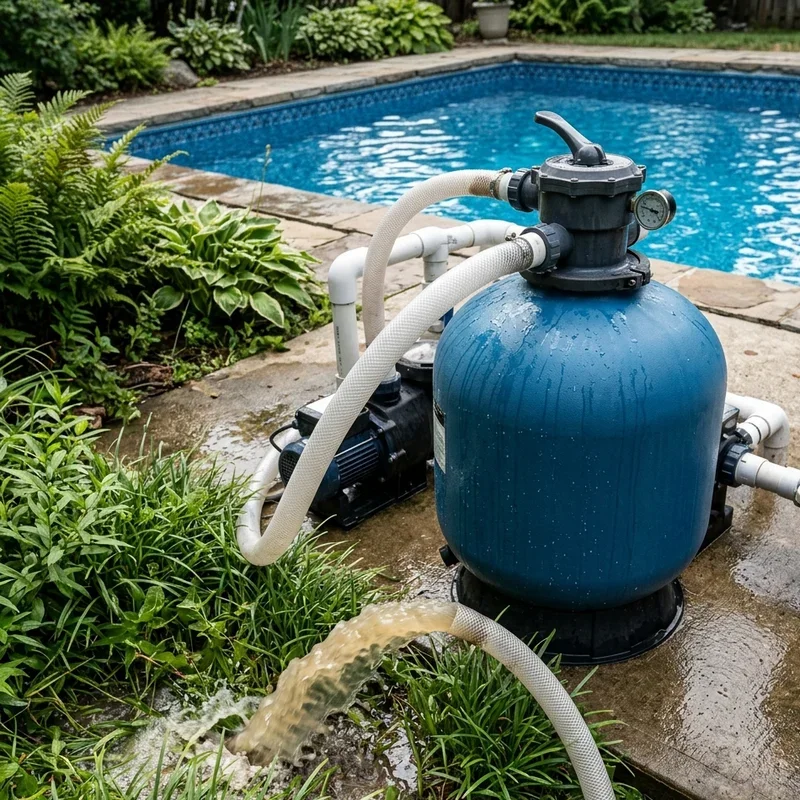
Before diving into timing, let's get one thing straight. Backwashing is basically flipping the water flow inside your filter to flush out the gunk it's been catching. Think of it like shaking out a dusty doormat instead of beating it with a stick. The filter's been doing its job, trapping debris, oils, dead bugs, and whatever else your pool encounters. Eventually, all that junk clogs things up, and water can't move efficiently. Backwashing pushes water backward through the filter, sending the trapped mess straight to a waste line. Easy concept, tricky execution if you don't know the cues.
Reading the Pressure Gauge Like a Pro
Honestly, the pressure gauge is your best friend here. When your filter's running clean, it'll show a baseline pressure, usually somewhere between 10 and 15 PSI, depending on the system. Once that number creeps up by 8 to 10 PSI above baseline, that's your golden signal. Don't wait until the gauge is screaming red. Pools handle backwashing better when you stay ahead of the curve. Jot down your clean pressure on a sticky note near the equipment pad. Future you will be grateful, especially during peak swim season when memory tends to fade.
When Should a Pool Filter Be Backwashed for Best Results During Heavy Use
Heavy bather loads change everything. Got a pool party last weekend? Kids cannonballing all day Saturday? Your filter probably caught more than it bargained for. Sunscreen, body oils, hair products, and stray leaves all pile up fast. In situations like these, checking the pressure gauge a day or two after the event makes serious sense. If it's climbed noticeably, go ahead and backwash, even if your usual schedule says otherwise. Pools don't care about calendars, they respond to actual conditions. Reading the situation beats following a rigid routine every single time.
After Storms and Wild Weather Episodes
Mother Nature loves throwing curveballs. After heavy rain, windstorms, or a dust cloud rolling through, your filter ends up working overtime. Leaves, twigs, pollen, and sediment swirl into the water uninvited. Sure, your skimmer catches a chunk, but plenty sneaks through to the filter itself. Once the storm passes and you've cleaned out the visible debris, monitor the pressure for a day. If things look elevated, back washing becomes the smart move. Skipping this step often leads to murky water that takes way longer to clear up later.

The Once a Week Rule and Why It's Not Always Right
You've probably heard somebody swear by weekly backwashing. While that schedule works for some pools, it's not gospel. Pools in shaded backyards with low usage might only need backwashing every two or three weeks. Meanwhile, busy pools surrounded by trees might need it twice weekly during summer. Blindly following a calendar can actually waste water and erode filter media faster than necessary. Instead of marking Tuesdays as backwash day forever, treat the weekly check-in as a reminder to evaluate, not automatically act.
Signs Beyond the Pressure Gauge Worth Watching
Sometimes your eyes catch what the gauge misses. Cloudy water that won't clear despite balanced chemistry? Reduced flow from the return jets? Weak suction at the skimmer? These are all whispers from your filter saying it's struggling. Algae blooms popping up despite proper chlorine levels can also point to a bogged-down filter. Trust your instincts. If something feels off, even when the gauge looks fine, give the filter a closer look. Pool care rewards pool owners who pay attention to the small stuff before problems snowball into expensive headaches.
Sand Filters Versus Cartridge Versus DE: Different Beasts
Not all filters play by the same rules. Sand filters love a good backwash and need it regularly throughout the season. Cartridge filters, on the other hand, don't backwash at all. You pull the cartridges out and hose them down. DE filters require backwashing followed by adding fresh DE powder, which adds another step to the process. Knowing your filter type matters because applying sand filter logic to a cartridge system is like trying to start a manual car the way you'd start an automatic. It just doesn't translate.

When Should a Pool Filter Be Backwashed for Best Results in Different Seasons
Seasons play a bigger role than most people think. During summer, when pools see daily action and pollen counts spike, more frequent backwashing becomes necessary. Fall brings leaf drop, which means even calm pools fill up with organic matter quickly. Winter and shoulder seasons usually need less backwashing because usage drops and biological activity slows. If you live somewhere with mild winters, your routine might shift but never fully stop. Adjusting frequency to match the season instead of sticking to one rigid schedule keeps things efficient and your wallet happier.
Step by Step: Doing the Backwash Right
Once you've decided it's time, doing the actual job correctly matters. Here's a quick rundown to keep things straightforward:
Turn off the pump completely before touching the multiport valve.
Switch the valve to the backwash position firmly.
Restart the pump and let water run until the sight glass shows clear water, usually two to three minutes.
Shut the pump off again and turn the valve to rinse mode for about 30 seconds.
Power down once more, return the valve to filter mode, and resume normal operation.
Skipping the rinse step is a rookie mistake that sends dirty water back into your pool. Don't be that person.
Common Mistakes That Sabotage Good Results
Backwashing too often ranks high on the list of pool care blunders. Filters actually clean better when they're slightly dirty because trapped debris helps catch smaller particles. Over-eager backwashing strips that helpful layer away and lowers efficiency. Another mistake involves moving the multiport valve while the pump is running, which can damage the gasket and cause leaks. Forgetting to refill the pool afterward can drop water levels below the skimmer line, causing the pump to run dry. Each of these errors looks small but stacks up into real damage over time.
How Long Should the Backwashing Process Take
Generally speaking, two to three minutes hits the sweet spot for most residential pools. Watch the sight glass closely, that tiny window on top of the multiport valve. The water starts out filthy, then gradually clears. Once it looks mostly clean, you're done. Running the cycle longer than necessary wastes thousands of gallons over a season and stresses your equipment unnecessarily. Patience helps here, but obsession doesn't. Keep an eye on the glass, trust what you see, and don't drag the process out just because it feels like more must be better.
Water Loss Considerations and Refilling Smartly
Each backwash sends out hundreds of gallons of water down the drain. That's not nothing, especially in regions facing drought or high water bills. After every session, you'll need to top off the pool to maintain proper levels. Some pool owners install separators or backwash recycling systems to capture that water for landscaping use. Whether you go that route or not, being mindful of frequency directly impacts your water consumption. Backwashing only when needed, rather than out of habit, keeps your pool happy and your conscience clear about resource use.

When to Call in the Pros
Sometimes things get weird. If you've backwashed properly and pressure stays sky-high, your filter media might be due for replacement. Sand typically lasts five to seven years, while DE grids can wear out and cartridges eventually break down. If pressure drops to abnormally low levels suddenly, you might have a leak or broken laterals inside the tank. These situations call for someone with hands-on experience. Pouring more time into trial and error usually costs more than just hiring a professional once. Knowing when you've hit your limit shows wisdom, not weakness.
Conclusion
Figuring out when should a pool filter be backwashed for best results comes down to paying attention rather than following rigid rules. Watch your pressure gauge, observe water clarity, and adjust based on weather, usage, and season. Avoid both over-backwashing and ignoring obvious warning signs. With a little practice, the rhythm becomes second nature, and your pool stays inviting all season long. Treat the filter like a teammate, not an afterthought, and you'll spend less time troubleshooting and more time enjoying that crystal-clear water you worked hard for.
Read next: How Long Does a Pool Filter Last? Lifespan Guide
Frequently Asked Questions
1. How often should I backwash my pool filter during summer?
Most pools benefit from backwashing every one to two weeks during heavy summer usage periods.
2. Can backwashing too often actually harm my pool filter system?
Yes, excessive backwashing reduces filtration efficiency and shortens the lifespan of filter media noticeably.
3. What pressure increase signals it's time to backwash the filter?
A rise of 8 to 10 PSI above your normal clean operating pressure baseline.
4. Do cartridge pool filters need backwashing like sand filters do?
No, cartridge filters require manual cleaning by removing and rinsing them with a hose.
5. Should I backwash immediately after vacuuming my pool thoroughly?
Yes, vacuuming pushes lots of debris into the filter, so backwashing afterward maintains performance well.
Stay up to date with our latest ideas!