Innovative Solar Panel Systems for Modern Homes
Explore innovative solar panel systems for modern homes, improving energy efficiency, sustainability, cost savings, and long term environmental impact.
Key Takeaways
Advances in solar technology have led to efficient, visually appealing energy solutions for modern homes.
Innovative solar panel systems can enhance a home’s design while meeting a variety of energy requirements.
Awareness of the latest solar options enables homeowners to make choices that fit their lifestyle, budget, and sustainability goals.
Solar energy is reshaping the way homeowners think about both sustainability and style when it comes to powering their homes. With rapid advancements in solar technology, new systems have emerged that are more efficient, visually appealing, and customizable than ever before. Homeowners now have access to a wide range of solutions that cater to unique architectural needs while significantly reducing energy bills. For those interested in taking a step toward green energy, exploring the benefits of modern solar panel systems is an essential part of planning a future-proof home. Find more about modern solar solutions at https://gtconstruction.solar/solar/.
The world of solar installations is no longer limited to bulky, unattractive roof-mounted panels. Instead, advanced systems can be tailored to seamlessly blend with your home's design, whether it is a new build or a centuries-old heritage property. Today’s homeowners can enjoy both beauty and functionality by choosing solar options that maximize energy production without compromising aesthetics. As more people recognize both the environmental and financial benefits of going solar, the demand for flexible, intelligent, and attractive solar technology continues to grow as part of a comprehensive home improvement strategy.
Integrated Solar Roofs
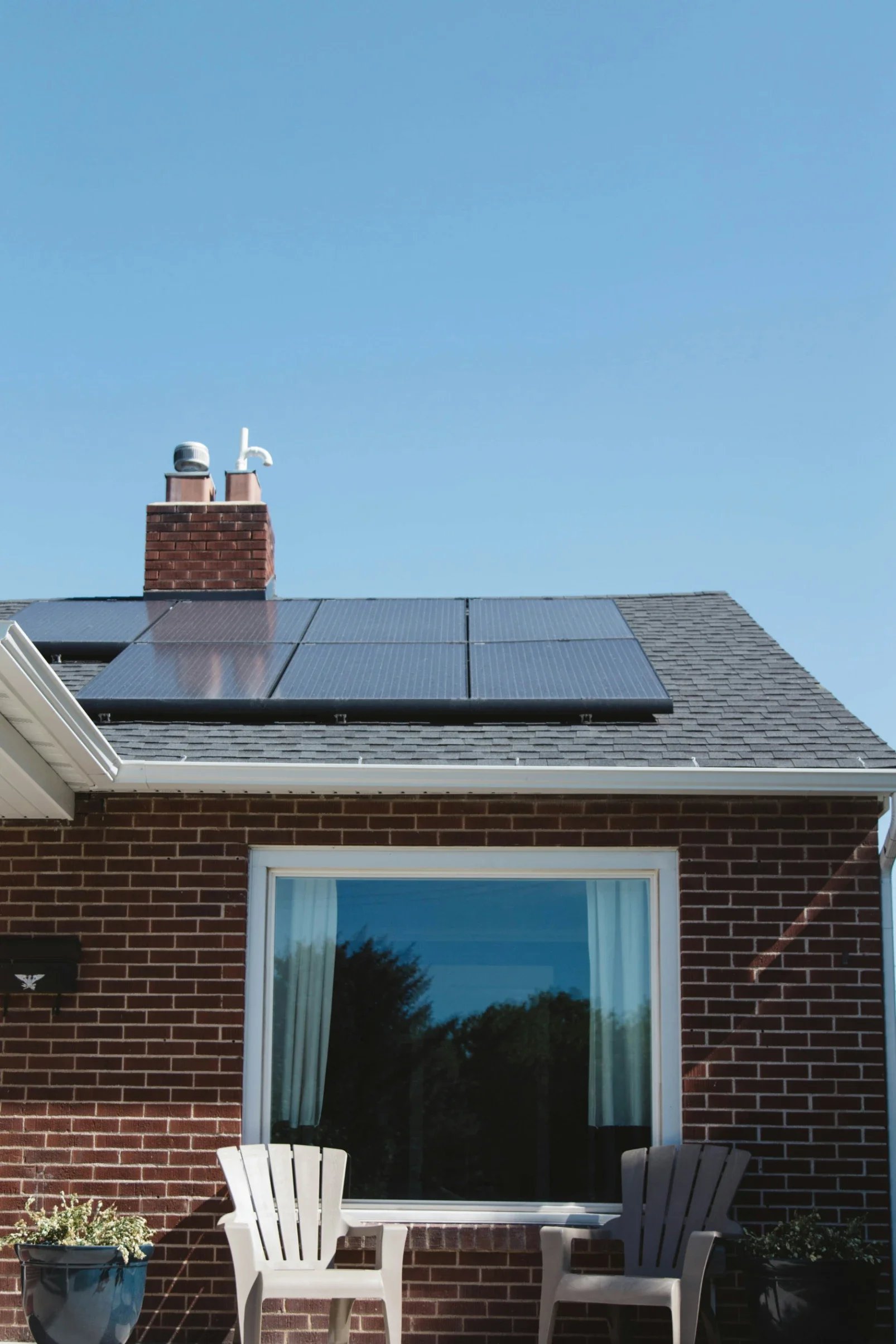
One of the leading innovations in residential solar technology is the integrated solar roof. Unlike conventional panels that sit atop shingles, integrated systems, such as Tesla’s Solar Roof, incorporate photovoltaic cells into the roof itself. This design approach results in sleek, low-profile energy generation that maintains the building's architectural integrity. Homeowners can now enjoy the benefits of solar energy without sacrificing curb appeal or exterior design. The acclaimed Solar Umbrella House in Los Angeles demonstrates how integrated roofs can deliver impressive performance by meeting nearly all of its energy needs through discreet, built-in solar technology.
Bifacial Solar Panels
Bifacial solar panels are redefining efficiency by collecting sunlight from both the top and underside of the panel. This innovative design can boost energy production by up to 30 percent compared to standard one-sided panels, especially when installed on light-colored or reflective surfaces. Bifacial technology is increasingly popular in regions with frequent snow or in homes with bright rooftop surfaces, providing homeowners with greater output even under challenging conditions.
Solar Canopies
Solar canopies address two key home needs at once: providing shade for outdoor areas and generating clean energy. These systems can be installed as stand-alone structures over driveways, patios, or gardens. A prominent example is SunCommon’s Solar Canopy, which utilizes bifacial panels to create a functional, energy-producing shelter for vehicles or social gatherings. This flexible approach opens solar adoption to properties where rooftop panels are impractical, demonstrating the versatility of modern solar design.
Community Solar Projects
Even if your roof is unsuitable for solar installation, there are still innovative ways to participate in renewable energy. Community solar projects allow individuals to subscribe or invest in a shared solar array, typically located elsewhere in the community. Participants benefit through credits on their energy bills, based on their share of the project’s energy generation. This model makes solar accessible to renters, homeowners with shaded properties, and homeowners in multi-unit buildings. According to resources from the U.S. Department of Energy, this approach not only democratizes solar energy but also helps reduce regional dependence on non-renewable sources.
Smart Solar Systems
The integration of smart technology is taking solar energy management to the next level. New systems use artificial intelligence and advanced software to analyze weather data, adjust panel orientation, and control storage batteries. Homeowners can monitor performance in real time, optimize energy consumption, and detect potential issues early, all via smartphone applications. These intelligent features ensure solar systems operate at peak efficiency, making solar power a more reliable primary energy source.
Solar Solutions for Historic Homes
Preserving the unique character of historic homes while upgrading to renewable energy requires creative solar solutions. Innovations such as flexible, lightweight solar panels and solar shingles that mimic traditional tiles make it possible to install solar energy systems with minimal alteration to original structures. For example, a historic rowhouse in Philadelphia built in the 18th century successfully installed a modern solar system without compromising its period details, offering inspiration for others seeking a balance between preservation and progress.
Financial Incentives and Considerations
The cost of adopting solar technology is mitigated by a variety of incentives, including the federal investment tax credit and numerous state-based rebates or loan programs. Staying updated on these programs is essential, as government policies can shift and influence the overall return on investment. Local solar contractors can offer guidance on current credits, rebates, and financing options, ensuring that homeowners do not miss out on valuable savings when transitioning to solar power.
Final Thoughts
Innovative solar panel systems are making it easier than ever for homeowners to reduce energy bills, enhance property value, and minimize their environmental footprint. Whether you choose integrated solar roofs, bifacial panels, or community projects, modern solar solutions provide the flexibility to match your design preferences, site conditions, and energy goals. By staying up to date with the latest advancements, homeowners can make informed choices that contribute to a cleaner, more sustainable future.
Stay up to date with our latest ideas!