15 Cheap DIY Deck Railing Ideas for Budget-Friendly Decks
Discover 15 cheap DIY deck railing ideas for budget-friendly decks that add safety, style, and character without draining your wallet dry.
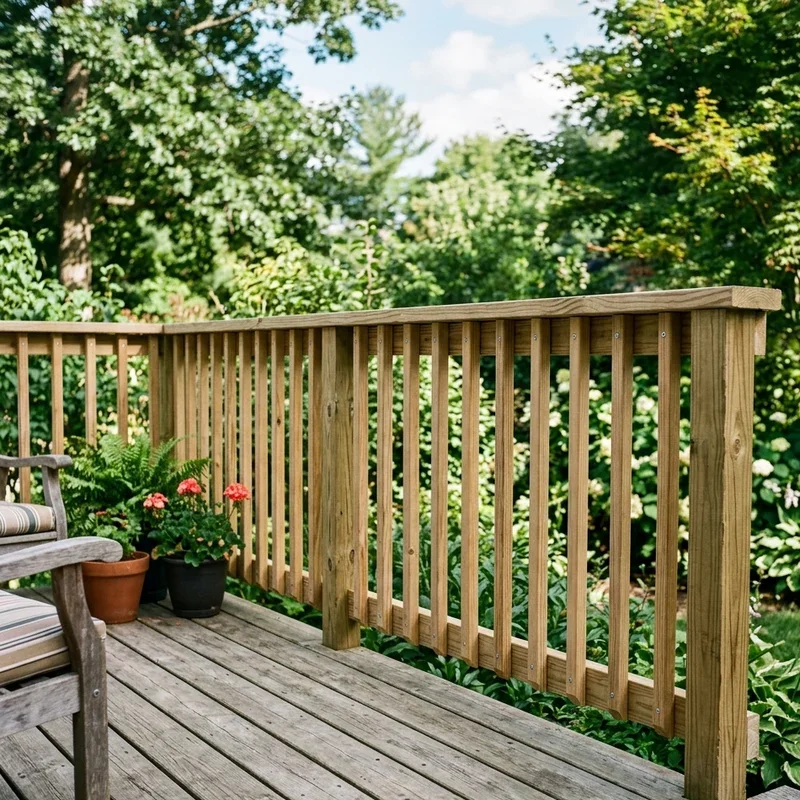
Cheap DIY deck railings prove that safety and style coexist beautifully on tight budgets, where creative material choices and weekend labor replace expensive contractor quotes with handcrafted results you genuinely feel proud building yourself. Have you ever priced professional deck railing installation and felt your jaw hit the floor faster than a dropped hammer? That sticker shock sends smart homeowners straight to the hardware store, where affordable materials and a willingness to get your hands dirty produce stunning railings at a fraction of the professional cost. Think of budget deck railings like thrift-store fashion, where creativity and effort transform cheap materials into results that look intentionally designed rather than obviously economized. Whether you prefer rustic rope, industrial wire, or reclaimed wood, wallet-friendly options deliver genuine character. Let's explore fifteen ideas.
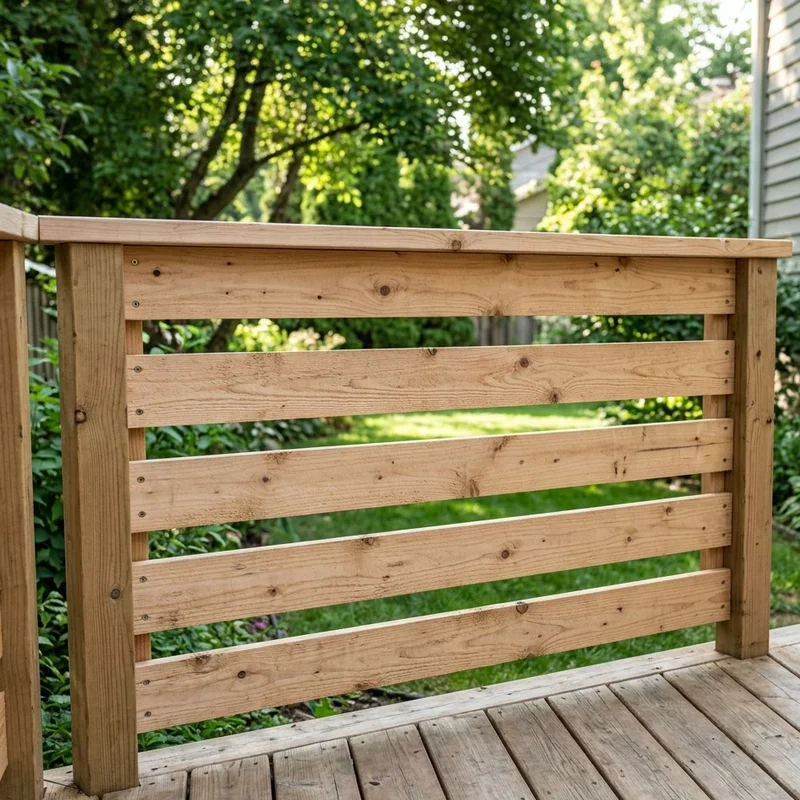
1. Horizontal Wood Plank Railing
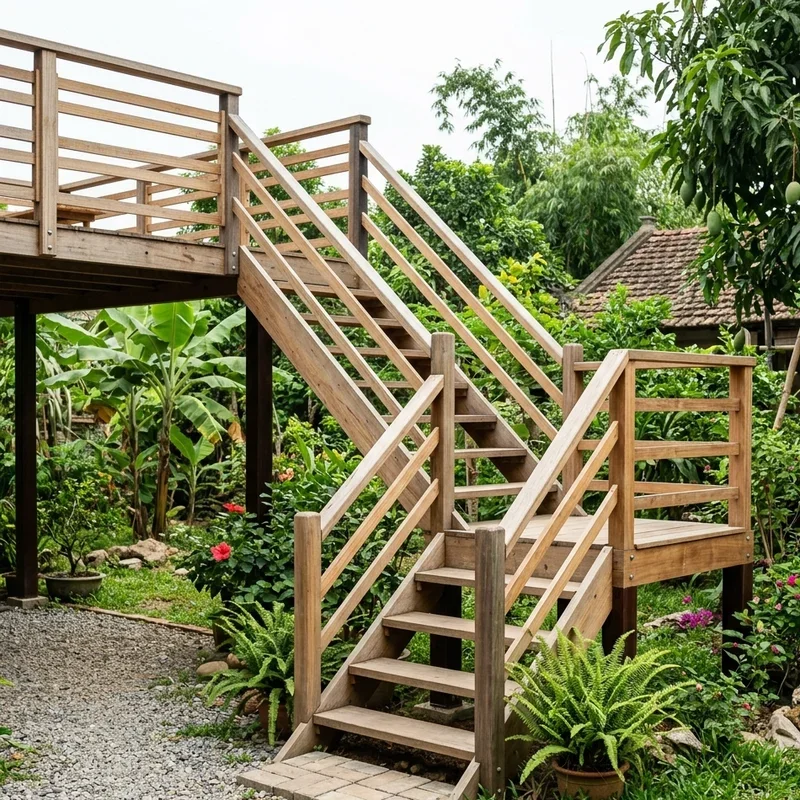
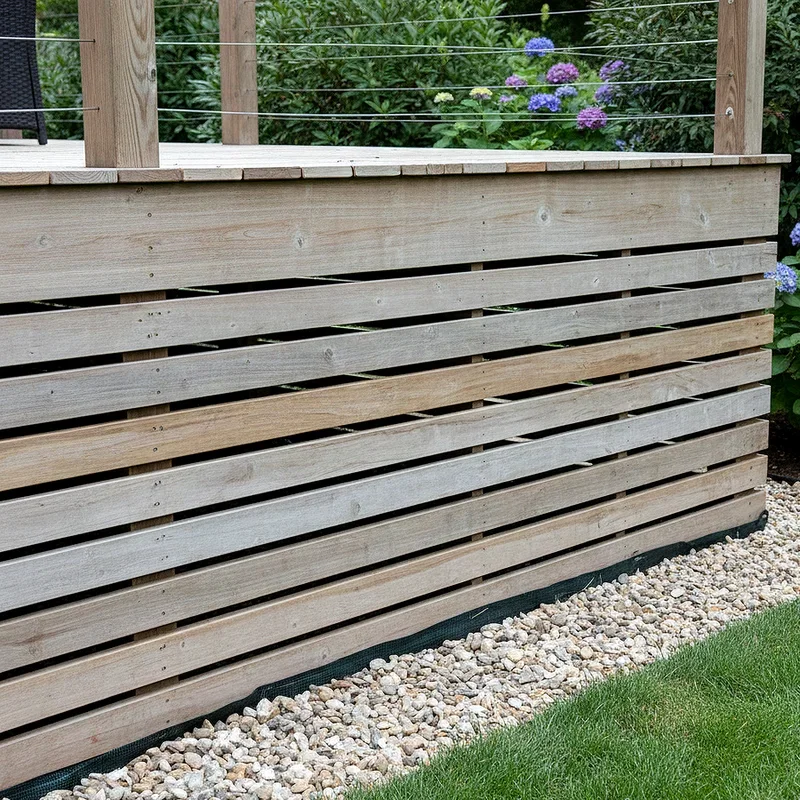
Horizontal wood plank railing runs affordable lumber boards parallel to the deck floor between sturdy posts, creating a clean, modern look that costs significantly less than traditional vertical baluster systems requiring individually cut, spaced, and attached pickets. Choose pressure-treated pine, cedar, or affordable furring strips, since these budget-friendly lumber options deliver the horizontal profile that more expensive hardwoods produce at three times the material cost. Space planks evenly with consistent gaps, because uniform spacing creates the professional, intentional rhythm that sloppy, uneven gaps undermine immediately. Secure each plank with exterior screws driven through pre-drilled holes, since proper fastening prevents splitting that nailed connections risk in thin, affordable lumber. Stain or paint for weather protection. Think of horizontal planks like modern design on a lumber budget. Your deck gains sleek, affordable style.
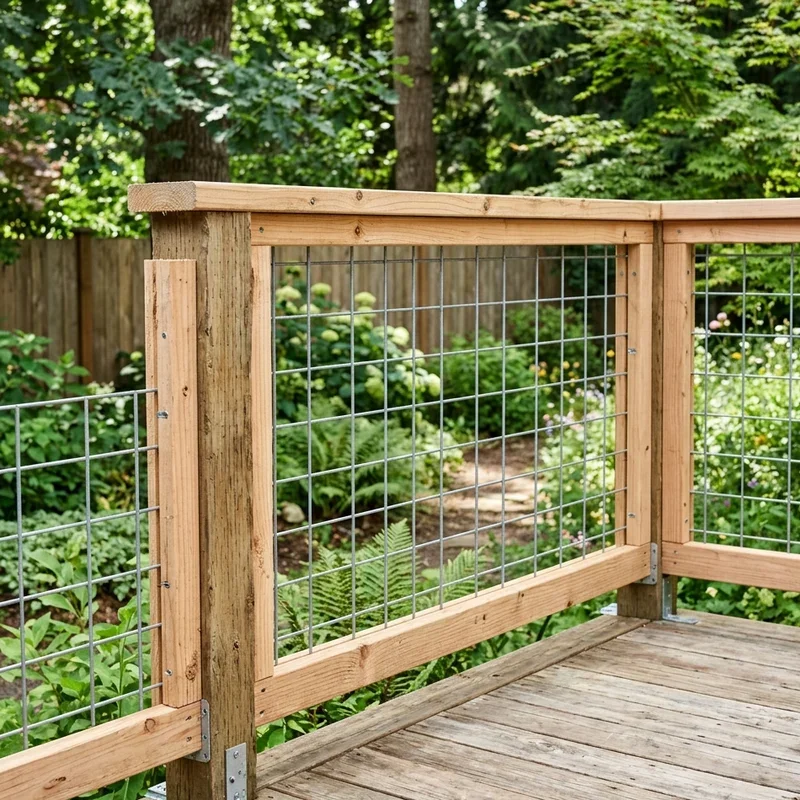
2. Hog Wire Panel Railing
Hog wire panel railing stretches rigid livestock fencing between wooden frames, creating a contemporary farmhouse look that costs a fraction of custom metalwork while maintaining clear sightlines through the wire grid from deck to yard beyond. Buy hog wire panels from farm supply stores, since the galvanized welded grid comes in large, affordable sheets that cut to size with basic wire cutters. Build simple wooden frames from two-by-four lumber, then sandwich the wire panel between the frame pieces, because the enclosed edge creates a finished, intentional appearance that raw, exposed wire edges lack entirely. Mount the framed panels between deck posts. Stain the wood dark for modern contrast. Think of hog wire like designer metal at farm-supply prices. Your deck gains contemporary style cheaply.
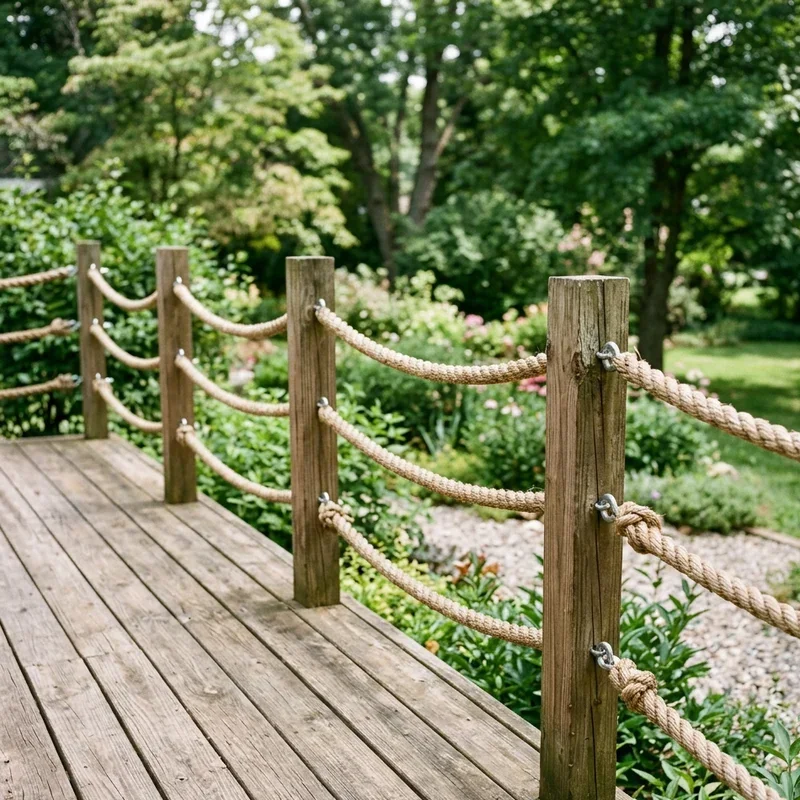
3. Rope and Post Nautical Railing
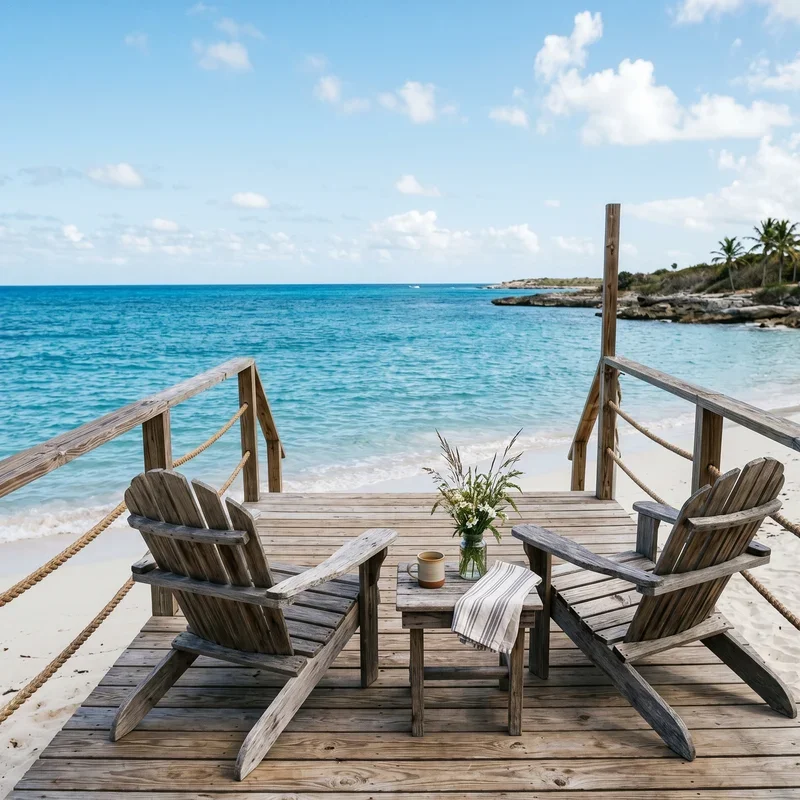
Rope and post nautical railing threads thick marine-grade rope through drilled deck posts, creating a coastal, seaside aesthetic that costs remarkably little while delivering the relaxed, breezy character that expensive custom railings charge premium prices to achieve. Drill evenly spaced holes through your posts, then thread thick manila, sisal, or synthetic marine rope through each hole in continuous horizontal runs, since the woven pattern creates the nautical barrier that simple stretched single lines feel too minimal to accomplish safely. Knot the rope ends decoratively at the terminal posts, because visible knot work adds handcrafted character that concealed fastening hides completely. Tension each line snugly between posts. Choose UV-resistant synthetic rope for longevity. Think of rope railings like ship rigging for your backyard. Your deck gains affordable coastal charm.
4. Pallet Wood Railing
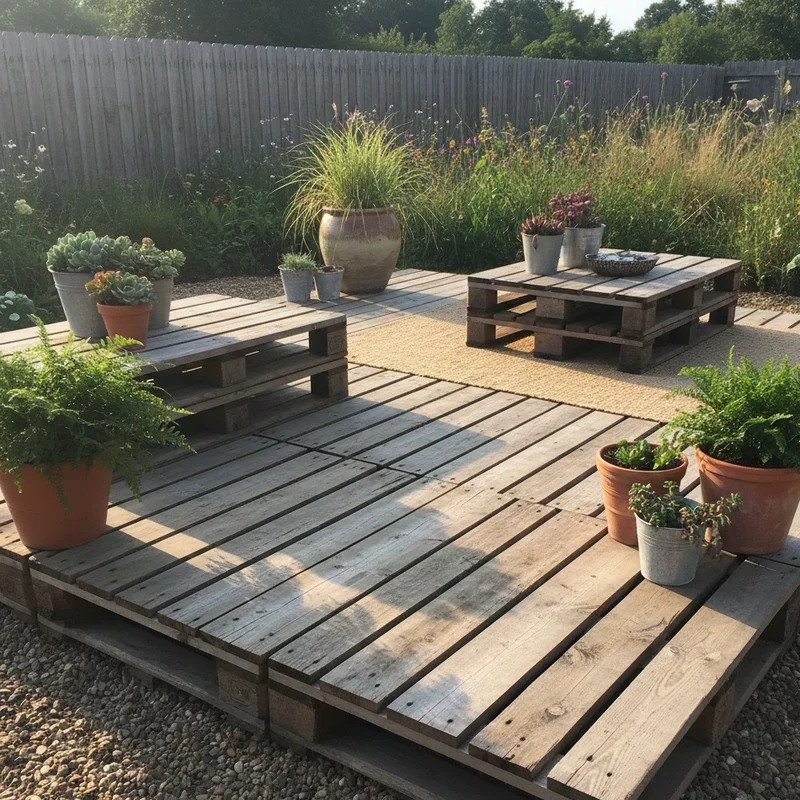
Pallet wood railing builds your deck barrier from free salvaged shipping pallets, turning discarded lumber into rustic, characterful railings that cost nothing beyond screws, stain, and a single afternoon of weekend labor. Disassemble clean pallets, then cut the planks to consistent lengths matching your railing span between posts, since uniform sizing creates intentional design rather than the haphazard look that random-length boards produce unconvincingly. Sand every surface thoroughly, because pallet wood carries splinters, rough edges, and occasional chemical residue that needs removal before anyone leans against the finished railing safely. Attach the planks horizontally or vertically between posts. Stain in a warm tone. Choose heat-treated pallets stamped HT only. Think of pallet railings like free lumber dressed up beautifully. Your deck gains rustic charm.
5. Cable Wire Railing
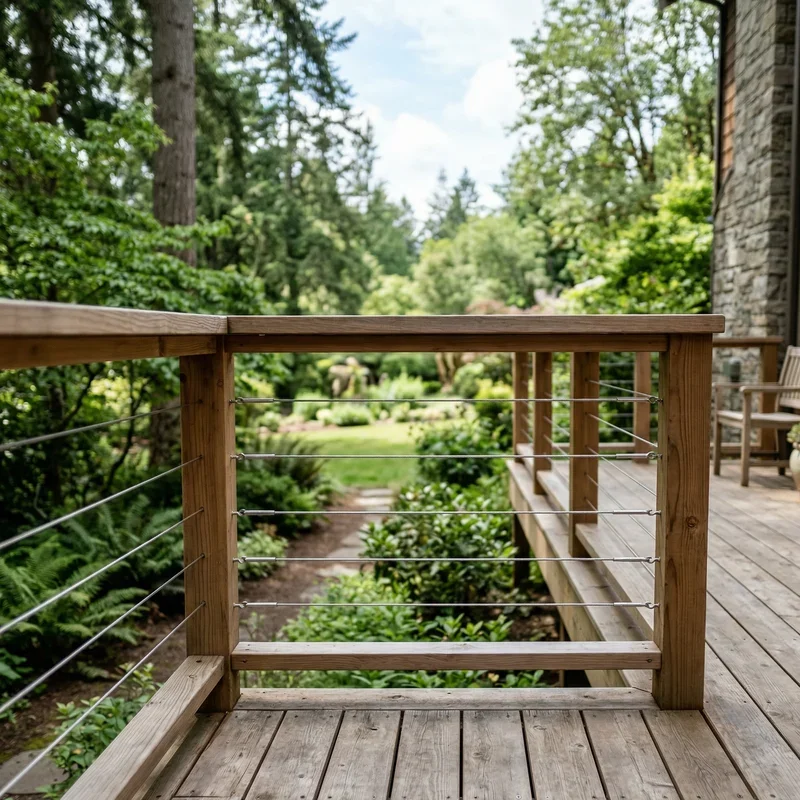
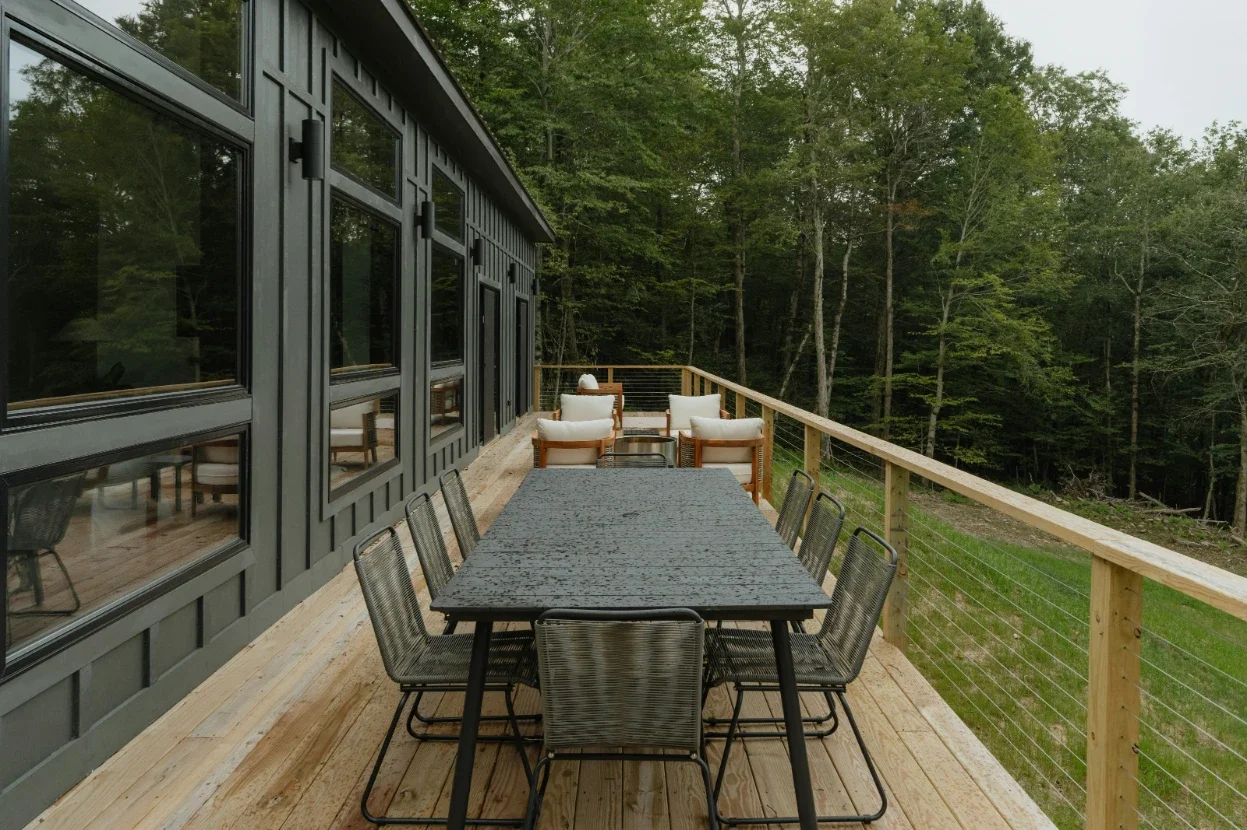
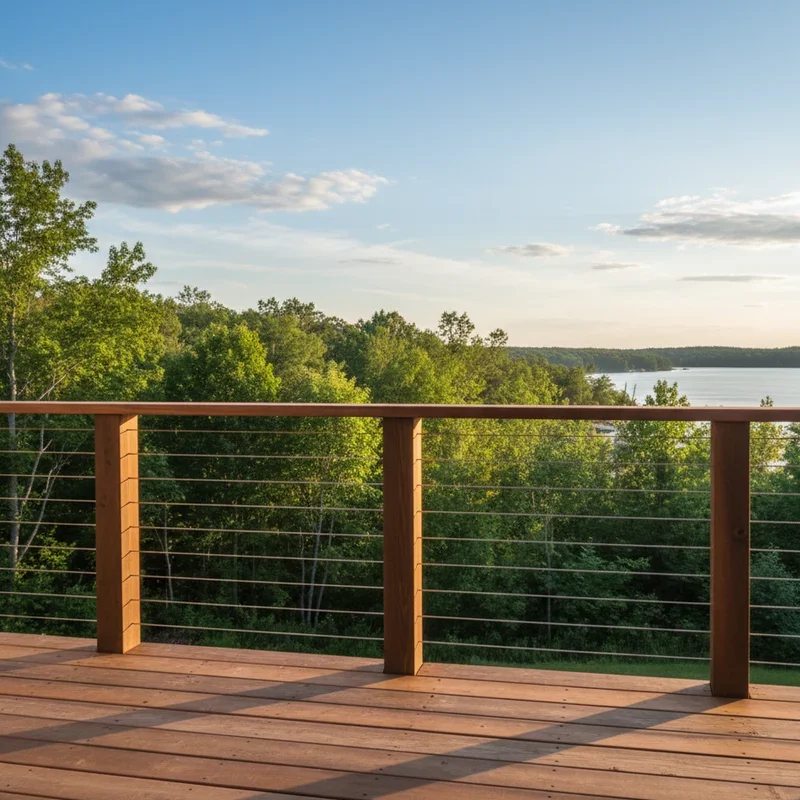
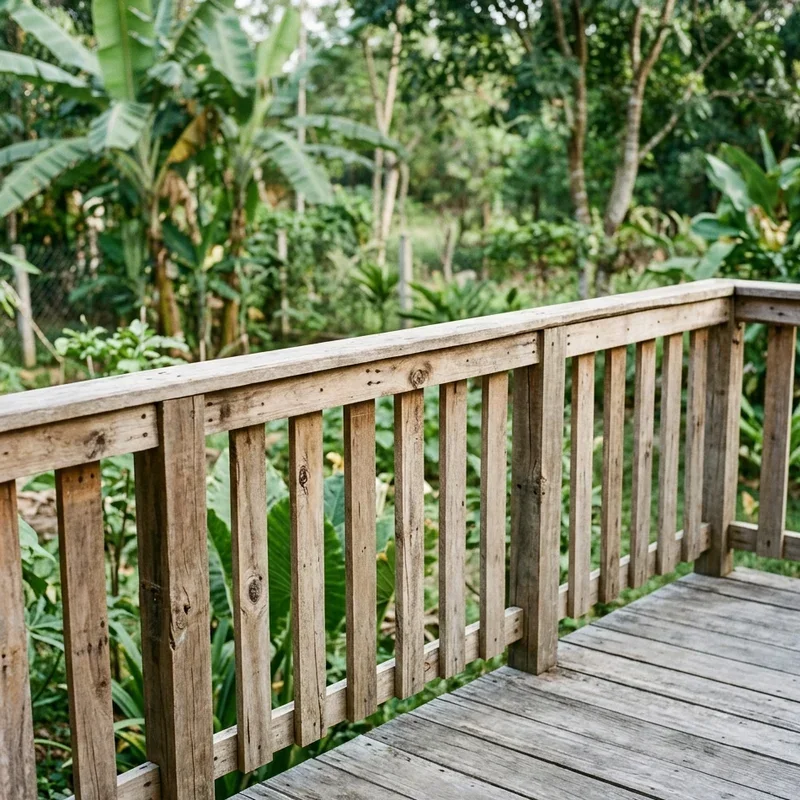
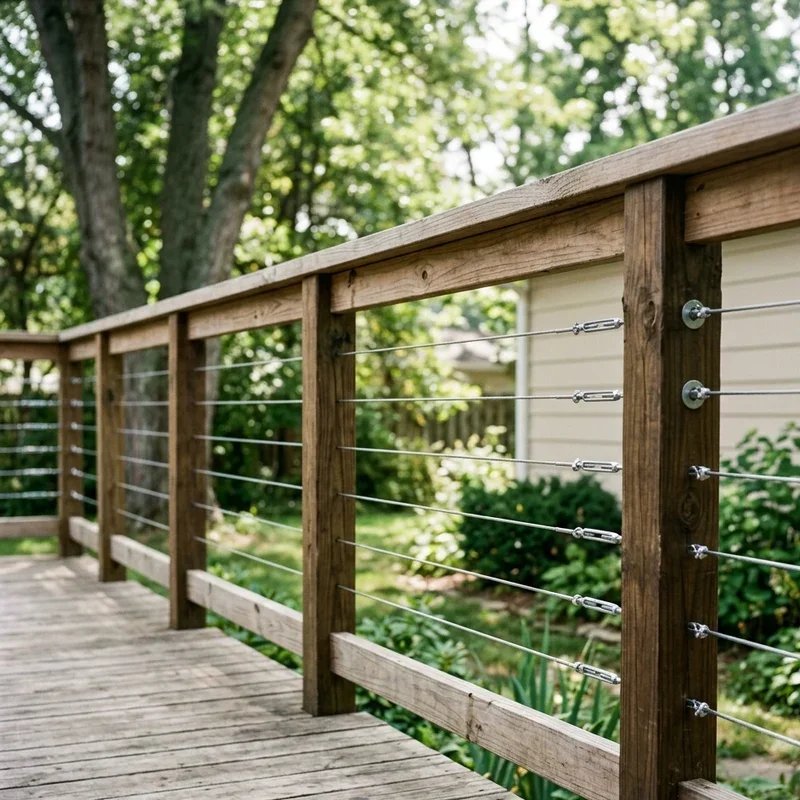
Cable wire railing stretches thin stainless steel cables horizontally between posts, creating the sleek, modern look of expensive commercial cable systems at a DIY price that drops the cost by half or more through self-installation and hardware store sourcing. Buy stainless steel cable, turnbuckles, and eye bolts from marine supply or hardware stores, since these basic components assemble into functional cable runs without requiring the proprietary hardware that branded systems sell at premium prices. Drill holes through posts at even intervals, run the cable through, and tension each line using turnbuckles at the terminal ends. Maintain proper spacing between cables. Check local code requirements. Think of cable railings like professional design at DIY prices. Your deck gains modern, transparent elegance.
6. Bamboo Screen Railing
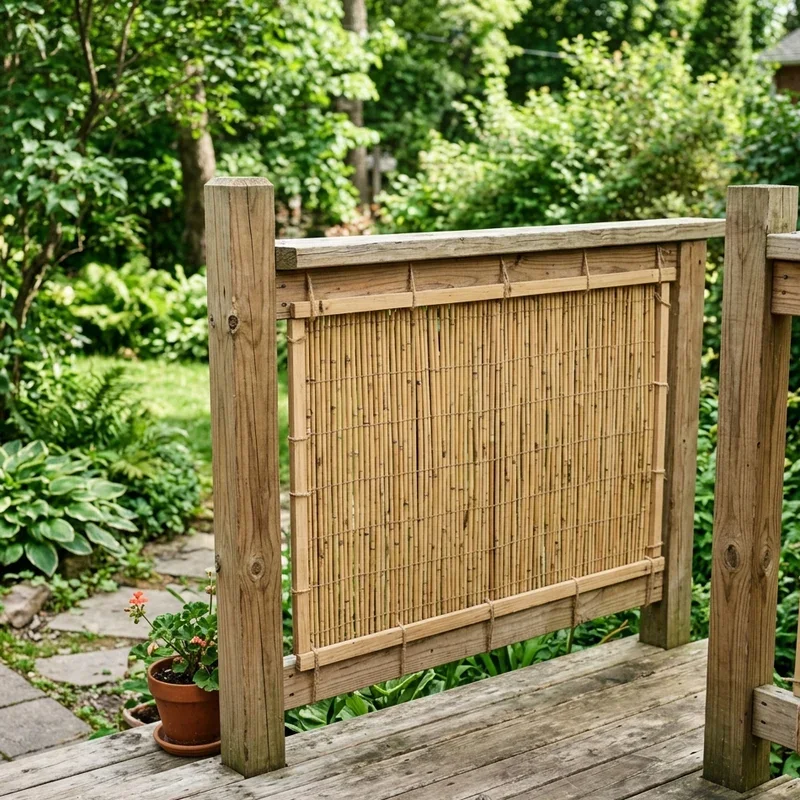
Bamboo screen railing attaches pre-rolled bamboo fencing to your deck's post structure, creating an instant tropical privacy barrier that costs less than almost any other railing material while delivering exotic, resort-inspired character from the moment installation finishes. Buy rolled bamboo fencing from garden centers, then attach it to the inside or outside face of your deck posts using zip ties, wire, or screws with fender washers, since the flexible mounting options accommodate various post configurations without custom cutting. Choose thicker bamboo poles for greater durability, because flimsy, thin-reed rolls fray and deteriorate faster than substantial poles under weather exposure. Seal with outdoor-rated clear coat for UV protection. Think of bamboo screens like tropical resort walls for your deck. Your outdoor space gains instant island style.
7. PVC Pipe Railing
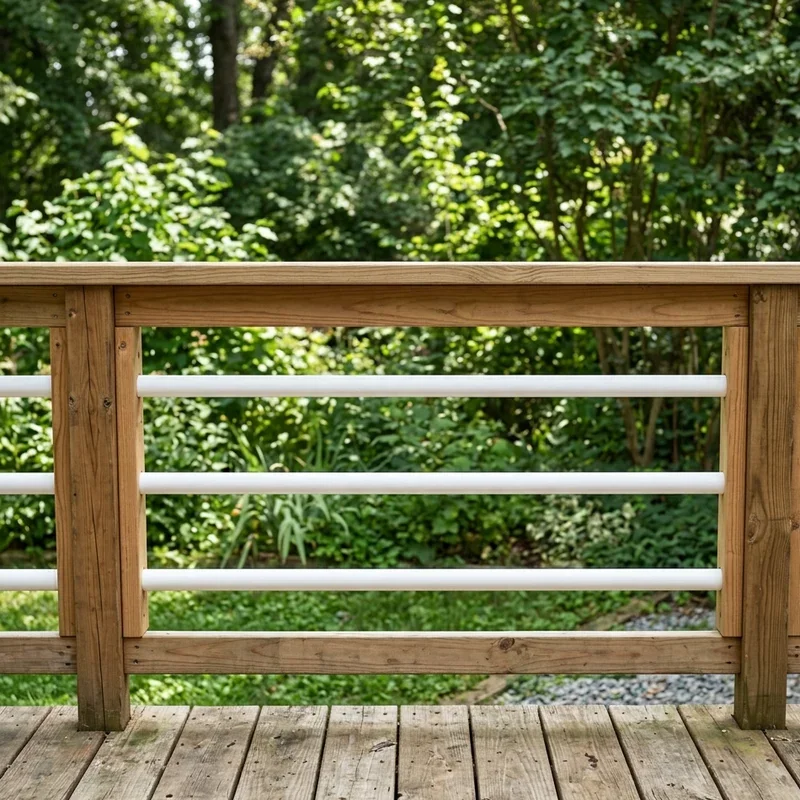
PVC pipe railing builds a clean, white barrier from affordable plumbing supplies, creating a maintenance-free, paintless railing system that never rots, rusts, or requires the annual refinishing that wood and metal alternatives demand throughout their service lives. Cut PVC pipe into consistent baluster lengths, then insert them into drilled holes along top and bottom rails, since the snug fit holds each vertical pipe securely without adhesive in most installations. Choose schedule forty PVC for structural rigidity, because thinner pipes flex under leaning pressure that heavier gauge resists firmly. Paint the PVC if you prefer non-white coloring, using plastic-compatible spray paint for proper adhesion. Connect sections with standard PVC fittings. Think of PVC railings like plumbing supplies promoted to deck duty. Your railing stays maintenance-free.
8. Branch and Log Rustic Railing
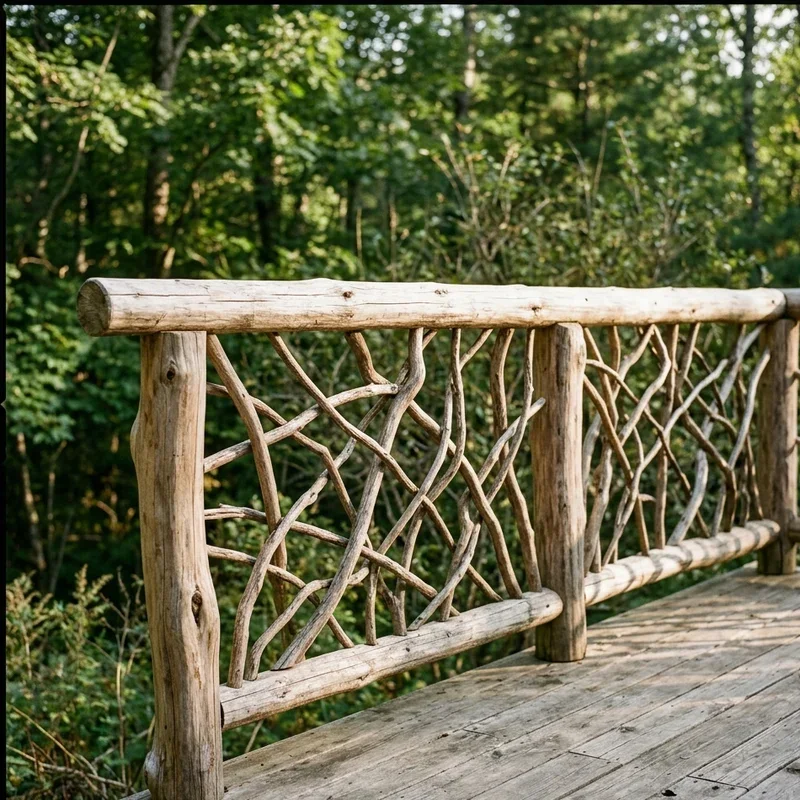
Branch and log rustic railing builds your deck barrier from gathered natural wood, creating a woodland aesthetic that costs nothing beyond collection effort while delivering the kind of organic, one-of-a-kind character that manufactured materials never produce through factory-standard uniformity. Collect sturdy, straight branches and small-diameter logs from fallen trees, since naturally dried wood provides the structural strength that freshly cut green wood lacks until it seasons and shrinks unpredictably. Peel the bark, sand the surfaces smooth, and seal with outdoor-rated polyurethane, because prepared natural wood resists insect damage and moisture absorption that raw, untreated branches invite destructively. Attach branches vertically between top and bottom rails. Think of rustic railings like forest architecture transplanted to your deck. Your outdoor space gains genuine woodland character.
9. Corrugated Metal Panel Railing
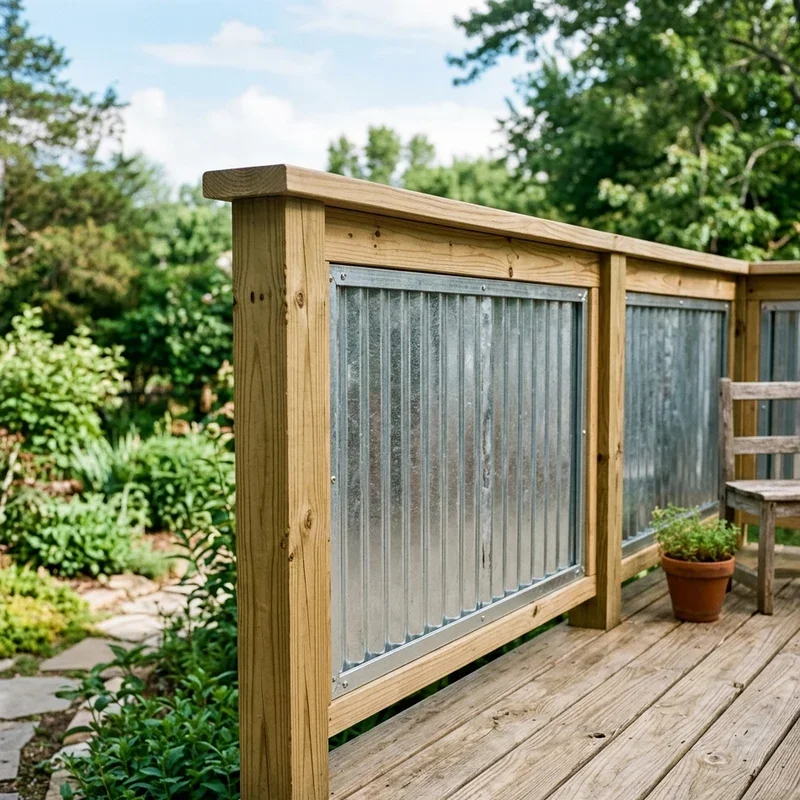
Corrugated metal panel railing mounts affordable galvanized or rusted steel sheets between deck posts, creating an industrial, farmhouse-inspired barrier that delivers bold visual impact at a material cost lower than most wood alternatives per linear foot. Buy corrugated metal roofing panels, then cut them to railing height using tin snips or an angle grinder, since the corrugated profile adds structural rigidity that flat sheet metal lacks without additional framing support. Frame the panels between wooden posts, because the warm-against-cold material contrast defines the modern farmhouse aesthetic beautifully while the wood framing covers the sharp metal edges that exposed panels present dangerously. Wear gloves during installation. Choose galvanized or weathering steel. Think of metal panels like barn walls protecting your deck. Your railing gains bold industrial character.
10. Lattice Panel Railing
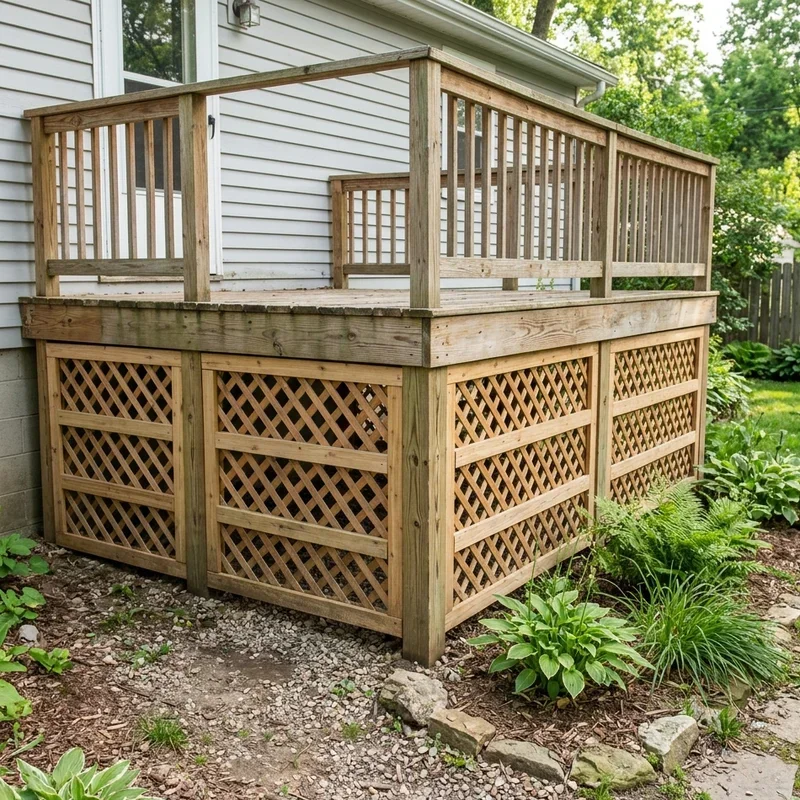
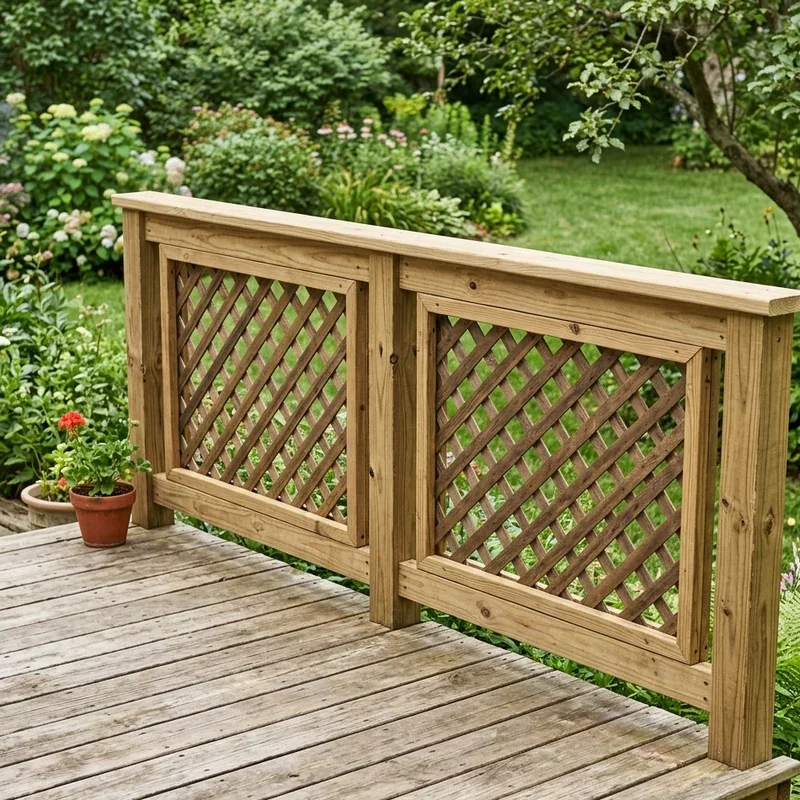
Lattice panel railing fills the space between deck posts with crisscrossed wooden or vinyl panels that provide partial privacy, visual interest, and code-compliant barrier height at one of the lowest per-foot costs available in any railing material category. Buy pre-made lattice panels from home improvement stores, then cut them to fit between your posts using a circular saw, since standard panel sizes often require trimming for precise deck-specific dimensions. Frame the lattice with simple trim boards, because finished borders create a polished, intentional appearance that raw, unframed lattice edges look unfinished without. Choose vinyl lattice for zero-maintenance performance, or wood lattice for natural warmth. Paint or stain to match. Think of lattice railings like decorative screens at bargain prices. Your deck gains affordable patterned beauty.
11. Conduit Pipe Metal Railing
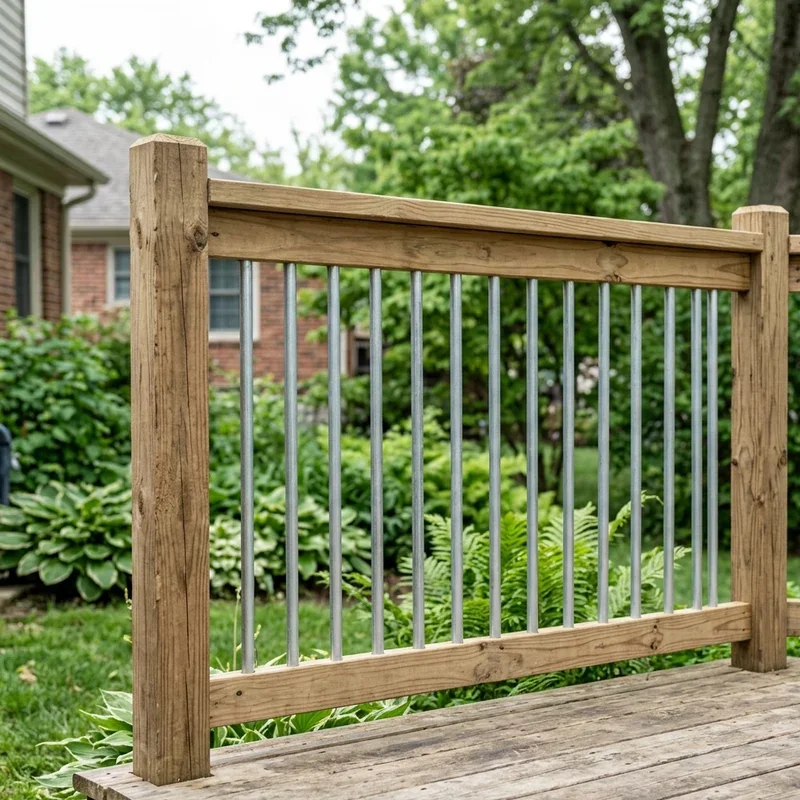
Conduit pipe metal railing builds a sleek, industrial barrier from affordable electrical conduit tubing, creating the look of custom metal fabrication at plumbing-aisle prices that professional metalwork quotations exceed by dramatic multiples. Buy thin-wall EMT conduit from electrical supply sections, since the smooth, round tubing cuts easily with a pipe cutter while bending cleanly with an inexpensive conduit bender for curved design elements. Thread horizontal conduit runs through drilled holes in wooden posts, or build a complete metal frame using conduit fittings and set screws, because the versatile connections create rigid joints without welding equipment. Spray paint in matte black. Think of conduit railings like industrial design built from electrician supplies. Your deck gains sleek metal style affordably.
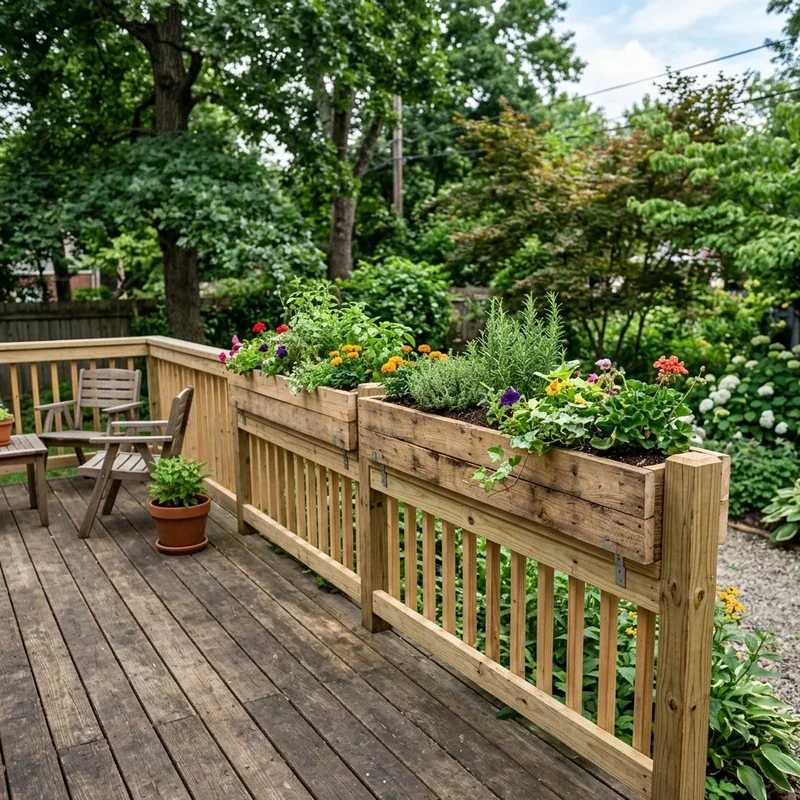
12. Planter Box Railing Wall
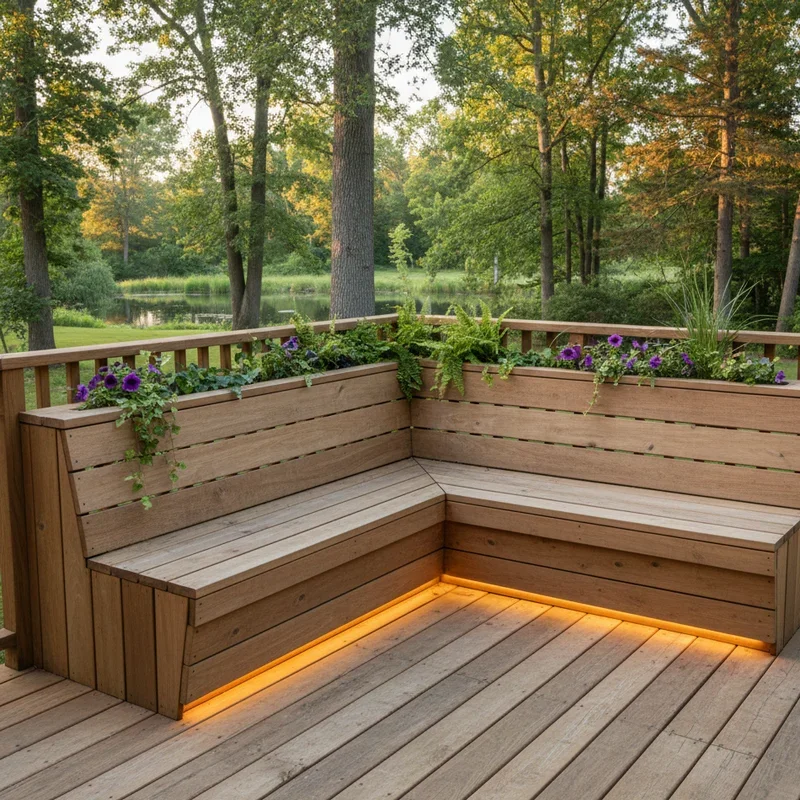
Planter box railing walls replace traditional balusters with a continuous row of built-in flower boxes, creating a living, blooming barrier that provides safety while adding the garden beauty that standard railings cannot deliver through functional lumber alone. Build long, narrow planter boxes from pressure-treated lumber or cedar, then mount them atop your deck railing frame at barrier height, since the box structure itself becomes the protective wall that conventional pickets or cables would otherwise provide. Line the interiors with landscape fabric, because the permeable barrier retains soil while allowing drainage that prevents waterlogged wood rot. Fill with trailing flowers, herbs, or seasonal plants. Think of planter railings like garden walls growing atop your deck. Your barrier blooms beautifully.
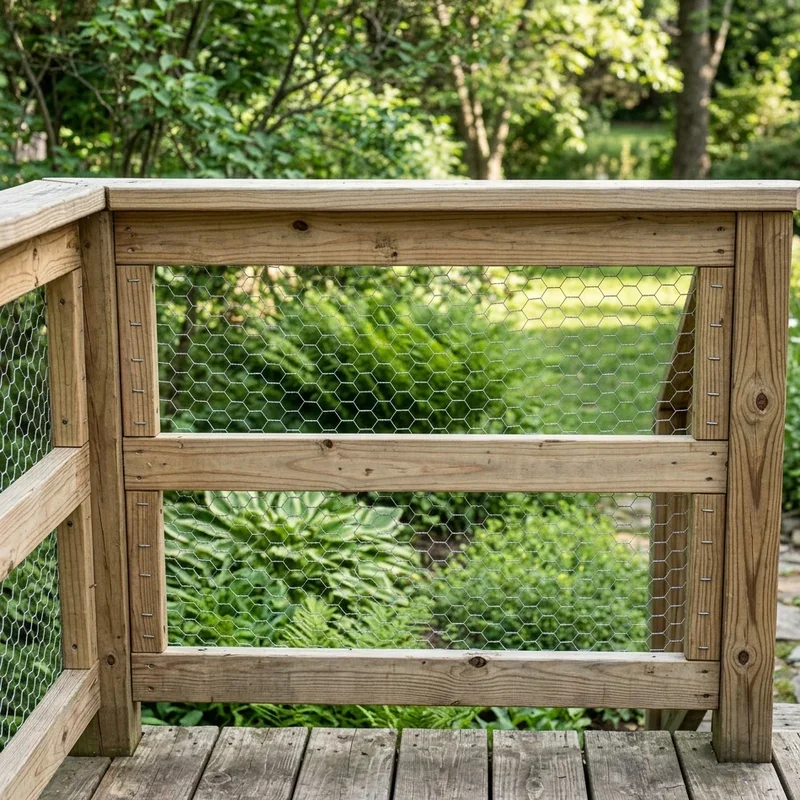
13. Chicken Wire and Frame Railing
Chicken wire and frame railing stretches hexagonal poultry netting across simple wooden frames, creating a see-through, farmhouse-inspired barrier that costs almost nothing while maintaining clear views through the small-gauge wire mesh from deck to landscape beyond. Build rectangular frames from inexpensive furring strips or one-by-two lumber, then staple chicken wire tightly across each frame panel, since the stretched mesh provides the visual barrier and child-safety prevention that open railings lack without blocking airflow or light. Mount the framed panels between deck posts. Paint the frames a coordinating color, because finished wood frames elevate the rustic wire into intentional design rather than temporary agricultural fencing. Think of chicken wire railings like garden charm translated to deck safety. Your barrier stays transparent and affordable.
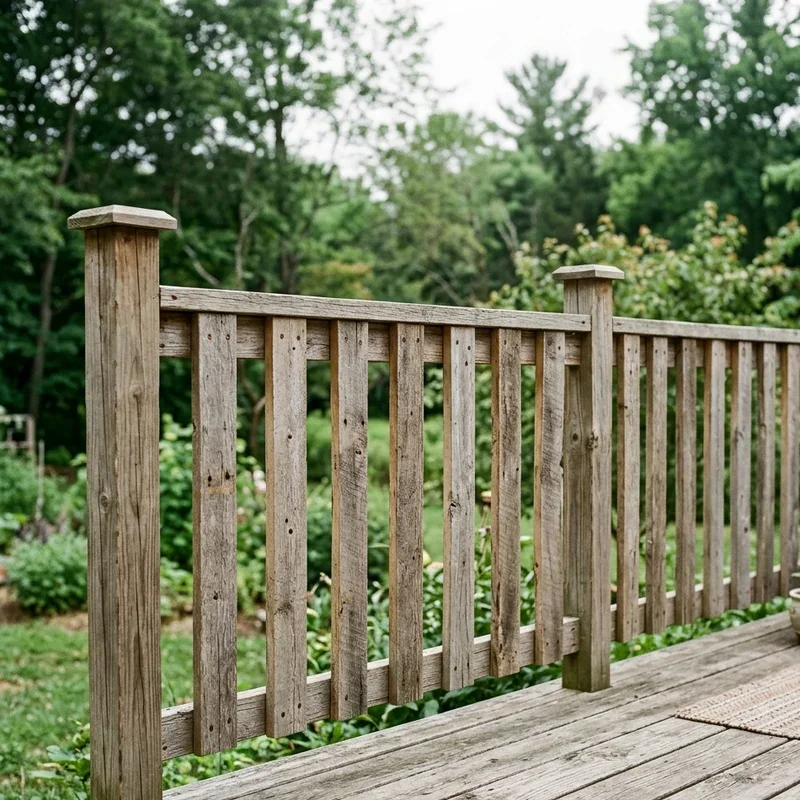
14. Reclaimed Wood Picket Railing
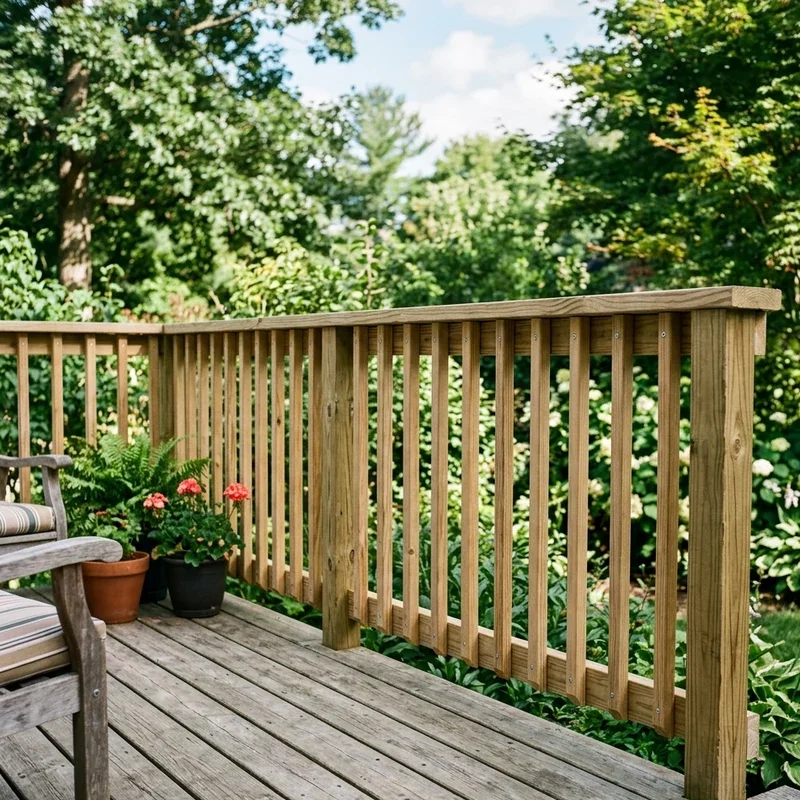
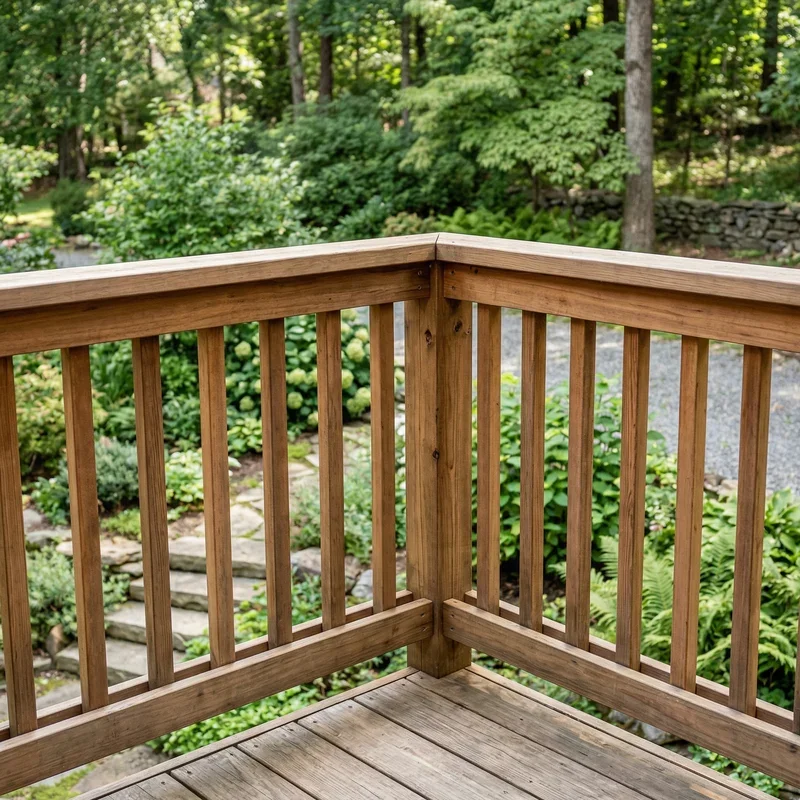
Reclaimed wood picket railing cuts salvaged lumber into traditional picket shapes, building a classic barrier from old fence boards, barn wood, or demolition salvage that costs almost nothing while carrying authentic weathered character no new lumber replicates through artificial distressing techniques. Source reclaimed boards from demolition sites, old fences, or online salvage marketplaces, since genuine aged wood carries the nail holes, sun-fading, and patina that decades of real exposure produce naturally. Cut the boards into consistent picket lengths, then attach them vertically between top and bottom rails with uniform spacing, since even gaps create the professional rhythm that random placement destroys. Sand sharp edges. Seal with clear outdoor finish. Think of reclaimed pickets like historic wood earning a second career. Your deck gains authentic character.
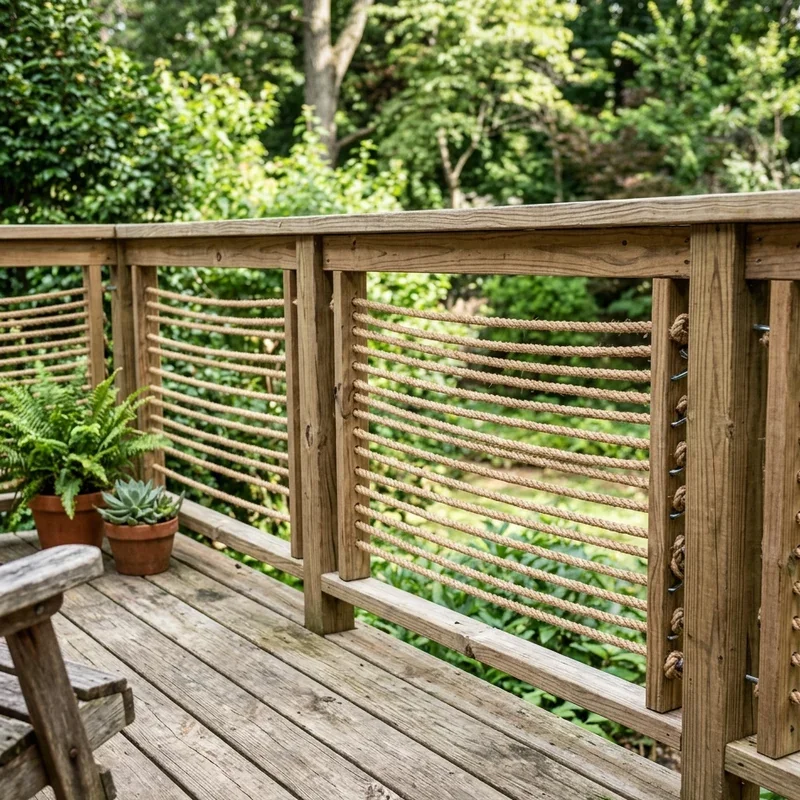
15. Woven Rope Panel Railing
Woven rope panel railing interlaces thick rope through a frame structure, creating a textured, nautical-inspired barrier where the woven pattern provides both safety compliance and genuine handcrafted beauty that simple stretched lines cannot achieve through single-strand simplicity alone. Build a rectangular frame from lumber, then weave rope through drilled holes in a crisscross, grid, or basket-weave pattern, since the woven texture adds visual density that single horizontal runs feel too sparse to accomplish safely. Choose thick manila, jute, or UV-resistant synthetic rope, because the material determines both the aesthetic character and the outdoor durability your deck environment demands throughout changing seasons. Seal natural rope against moisture. Think of woven panels like textile art installed as deck barriers. Your railing gains handcrafted, coastal character.
Conclusion
Cheap DIY deck railings prove that safety, style, and affordability intersect beautifully when creative material choices replace expensive contractor bills with hands-on weekend projects delivering results you genuinely feel proud standing behind. These fifteen ideas span hog wire panels to woven rope barriers, matching every deck style, skill level, and budget with genuine handcrafted character that expensive alternatives often lack beneath their premium price tags. Whether you stretch cable wire or weave rope panels, smart DIY approaches deliver designer-looking railings at hardware-store prices. The secret lies in choosing materials matching your aesthetic. Start building your budget railing today.
Read next: 15 Horizontal Deck Railing Ideas for Outdoor Flair
Frequently Asked Questions
Q1: What's the cheapest DIY deck railing material available?
A: Pallet wood and gathered branches cost nothing, while hog wire and rope run under two dollars per foot.
Q2: Do DIY deck railings meet building code requirements?
A: Most codes require thirty-six-inch minimum height and four-inch maximum baluster spacing, so verify local requirements first.
Q3: How long do budget deck railings typically last?
A: Properly sealed and maintained DIY railings last five to fifteen years depending on material choice and weather exposure.
Q4: Can beginners build their own deck railings safely?
A: Yes, most designs require only basic tools like a drill, saw, level, and measuring tape for successful installation.
Q5: Should I stain or paint my DIY deck railing?
A: Always apply weather-protective finish, choosing stain for natural wood grain or paint for uniform color and coverage.
Stay up to date with our latest ideas!