Terrace Repairs: When Foundation and Wall Issues Should Not Be Ignored
Learn how to identify signs that your terrace needs foundation or wall repairs and how to choose qualified contractors for safe and lasting restoration work.

Terraces add functional outdoor space and architectural value to residential and commercial buildings. Over time, however, exposure to weather, structural loads, and ground movement can lead to foundation and wall problems. Understanding when a terrace needs professional repair is essential to prevent further damage and maintain safety. Early assessment allows property owners to address structural concerns before they escalate into costly reconstruction projects.
If you are unsure where to begin your search for experienced specialists, resources such as https://www.commercial-nds.com/ can help you understand professional repair services and connect with qualified contractors. Reliable guidance is especially important when dealing with structural elements that directly affect building integrity.
Common Signs Your Terrace Foundation Needs Repair
The foundation supports the entire terrace structure, so any weakness can compromise stability. One of the most noticeable signs is uneven or sinking surfaces. If sections of the terrace appear sloped, sunken, or misaligned, this often indicates soil settlement or foundation failure beneath the surface.
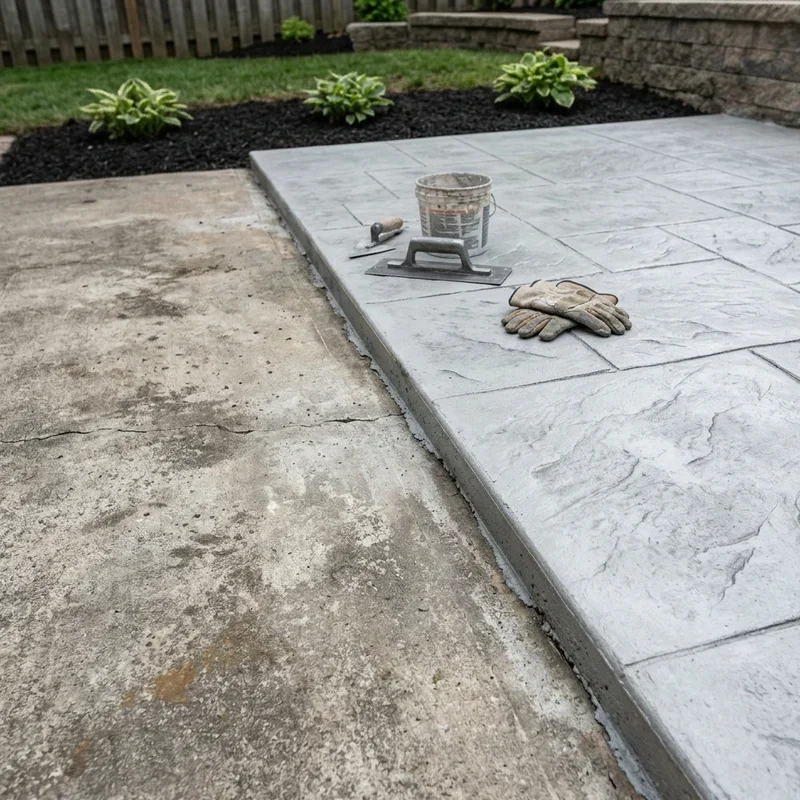
Cracks are another warning sign. While hairline cracks may be cosmetic, wider or expanding cracks suggest structural stress. These cracks often appear near edges, support columns, or areas exposed to heavy loads. Water pooling after rainfall can also signal foundation issues, as improper drainage may erode the base and weaken support over time.
How to Identify Wall Damage on Terraces
Terrace walls serve both structural and protective purposes. Damage to these walls often presents itself through visible cracking, bulging, or separation from adjoining surfaces. Vertical or diagonal cracks may indicate shifting loads or foundation movement, while horizontal cracks often suggest pressure from soil or moisture buildup.
Efflorescence, a white powdery residue on wall surfaces, is another indicator of moisture intrusion. While it may seem minor, persistent moisture can degrade materials and weaken wall integrity. In colder climates, freeze thaw cycles worsen this damage by expanding trapped water inside wall materials.
Structural Versus Cosmetic Issues
Not all wall damage requires immediate structural intervention, but distinguishing between cosmetic and structural problems is critical. Cosmetic issues usually affect surface finishes and do not change over time. Structural issues, by contrast, tend to worsen, spread, or reappear after temporary fixes. Professional inspection helps determine the severity and appropriate repair strategy.
Why Timely Terrace Repairs Matter
Ignoring foundation or wall problems can lead to safety risks, including collapse or falling debris. Over time, minor defects place additional stress on other structural elements, increasing the likelihood of widespread damage. Early repairs help preserve the original design and reduce long term maintenance costs.
From a property value perspective, well maintained terraces enhance curb appeal and usability. Visible structural damage can deter buyers or tenants and raise concerns during inspections. Proactive repairs demonstrate responsible property management and protect investment value.
Choosing the Right Contractors for Terrace Repair Work
Selecting qualified contractors is one of the most important steps in successful terrace repair. Look for professionals with experience in structural repairs rather than general surface renovations. Contractors should be able to explain the cause of the damage, propose a clear repair plan, and outline materials and methods suited to your terrace design.
Transparency is key. Reliable contractors provide detailed assessments and realistic timelines without promising quick fixes for complex structural problems. Written documentation, including scope of work and safety measures, helps ensure accountability throughout the repair process.
Preventive Maintenance to Avoid Future Damage
Once repairs are completed, regular maintenance reduces the risk of recurrence. Proper drainage is essential to prevent water from accumulating near foundations and walls. Sealing joints, maintaining expansion gaps, and addressing minor cracks early all contribute to long term durability.
Periodic inspections are especially important after extreme weather events. Identifying changes in surface level, drainage patterns, or wall condition allows property owners to act before damage becomes structural.
Conclusion
Terrace foundation and wall repairs require careful evaluation and professional expertise. By recognizing early warning signs such as uneven surfaces, cracking, and moisture intrusion, property owners can take timely action. Working with experienced contractors ensures repairs are safe, durable, and suited to the specific structural demands of terraces. With proper assessment and maintenance, terraces can remain stable, attractive, and functional for years to come.
Stay up to date with our latest ideas!