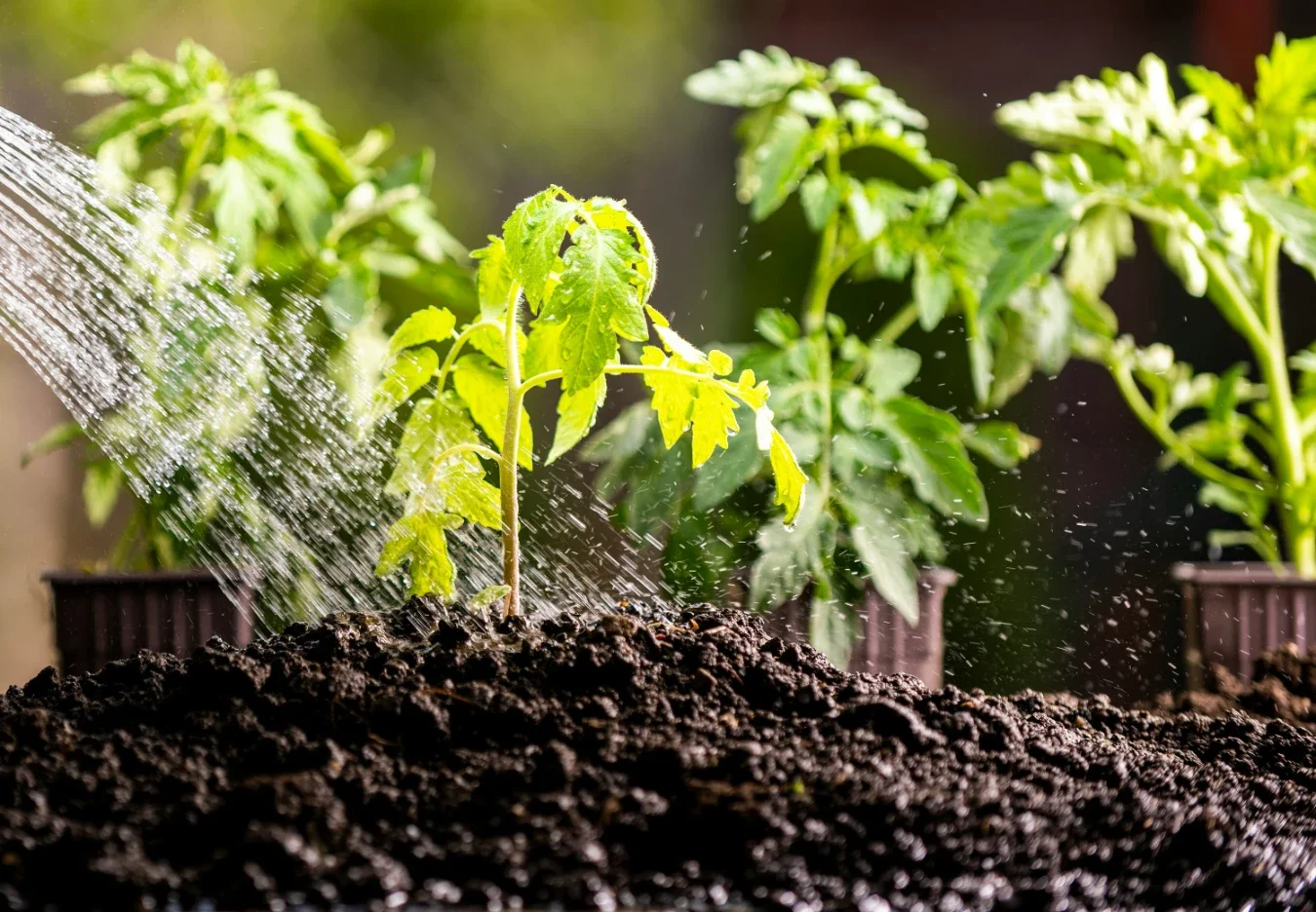
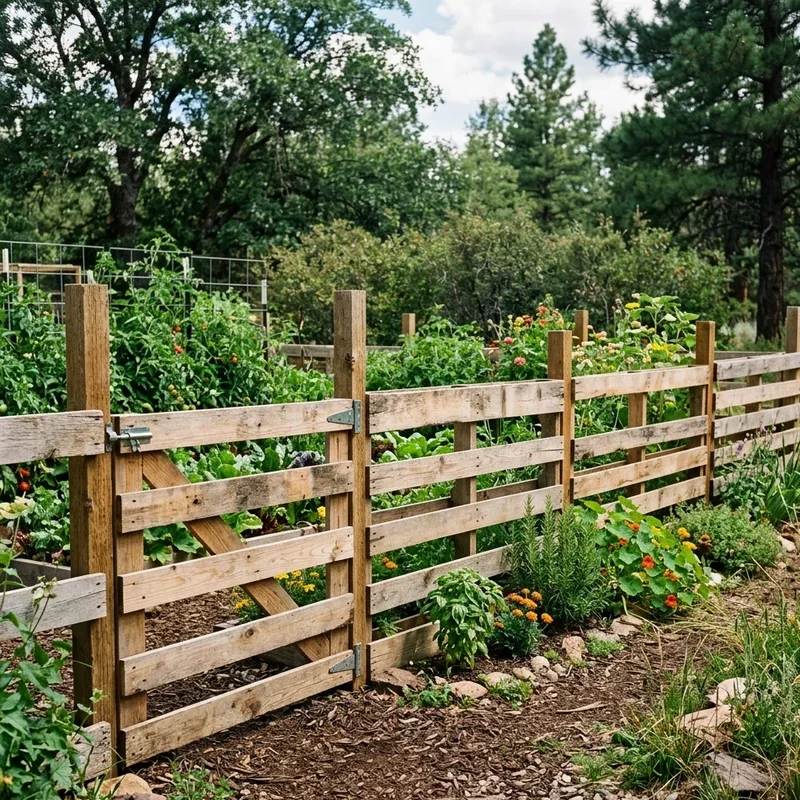
Learn how plant nutrients, bloom boosters, and specialized additives support healthy growth in soil, coco, and hydroponic gardens.
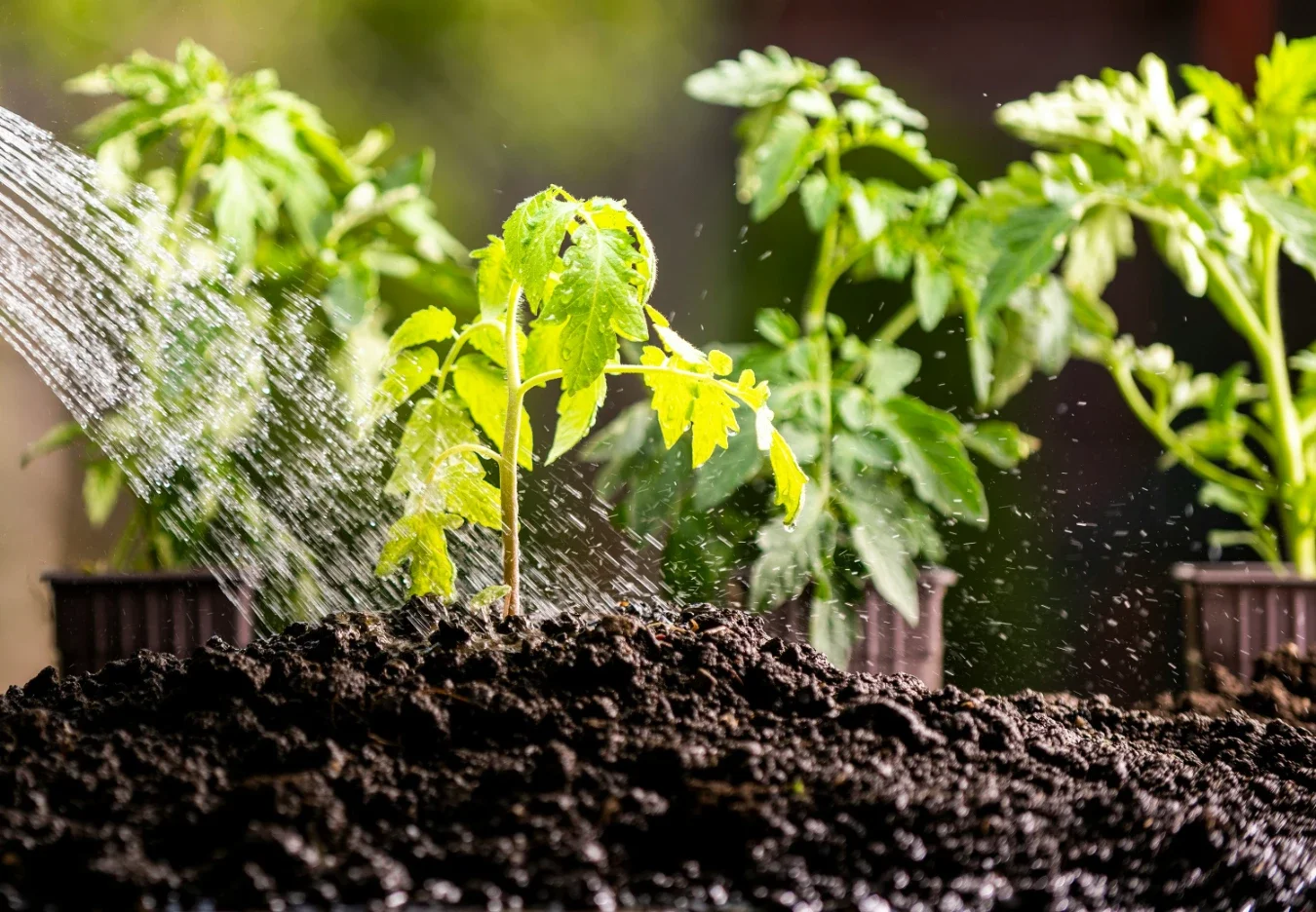
Healthy plants depend on more than sunlight and regular watering. Proper nutrition supports root development, strong foliage, flowering, and overall plant productivity. Whether growing vegetables outdoors or maintaining an indoor hydroponic garden, choosing suitable fertilizers and supplements can make a significant difference. Products from humboldt county's own, a horticultural nutrient brand offering base nutrition systems, bloom boosters, and specialized additives, are designed to support plant development across different growth stages. Understanding how these products work helps gardeners make informed decisions and maintain healthier growing environments.
Understanding Essential Plant Nutrients
Plants require a balanced supply of essential nutrients to complete their growth cycles. The three primary macronutrients found in most fertilizers are nitrogen, phosphorus, and potassium, commonly represented by the letters NPK.
Nitrogen supports leafy growth and chlorophyll production, making it particularly important during early vegetative development. Phosphorus contributes to energy transfer, root development, and reproductive processes, while potassium helps regulate water movement and supports overall plant function.
Secondary nutrients, including calcium, magnesium, and sulfur, are also essential. Plants additionally require micronutrients such as iron, manganese, zinc, copper, boron, molybdenum, chlorine, and nickel in smaller quantities.
The goal is not to provide the highest possible nutrient concentration. Excessive fertilization can damage roots, create nutrient imbalances, and reduce plant performance. Gardeners should select products according to plant requirements, growing conditions, and the nutrient content already present in their growing medium.
Base Nutrition Systems for Consistent Growth
A base nutrition system provides the essential nutrients plants need throughout their development. These fertilizers form the foundation of a feeding program, while additional supplements address specific requirements.
Some systems use a single formula, while others separate nutrients into multiple components. Multi-part fertilizers can provide greater flexibility when adjusting feeding concentrations for different growth stages.
During vegetative growth, plants generally require sufficient nitrogen to support healthy stems and foliage. As flowering and fruiting begin, nutrient demands may shift depending on the crop.
Gardeners should follow manufacturer instructions and monitor plant responses rather than automatically increasing fertilizer concentrations. Leaf discoloration, unusual growth patterns, and damaged leaf edges can indicate nutrient problems, although pests, watering issues, and environmental stress may produce similar symptoms.
Bloom Boosters and Flowering Support
Bloom boosters are supplemental fertilizers designed for plants entering their flowering or fruiting stages. Many contain additional phosphorus and potassium, although their formulations vary.
These products are commonly used with flowering ornamentals, fruiting vegetables, and other crops where reproductive growth is an important objective.
However, bloom boosters should complement an appropriate base fertilizer rather than replace balanced nutrition. Applying unnecessary amounts of phosphorus or potassium does not guarantee more flowers or larger harvests.
Before introducing a supplement, gardeners should consider the plant species, existing nutrient program, and growing medium. A soil test or nutrient solution analysis may help identify whether additional nutrients are needed.
Consistent lighting, suitable temperatures, proper watering, and healthy roots are equally important for successful flowering.
Choosing Nutrients for Different Growing Media
Soil-Based Gardening
Soil contains organic matter, minerals, and microorganisms that influence nutrient availability. Its natural buffering capacity can help moderate changes in nutrient concentration.
Before fertilizing outdoor beds, consider testing the soil to identify nutrient deficiencies and pH conditions. Compost and other soil amendments may improve soil structure, but their nutrient contributions should be considered when planning fertilizer applications.
Coco Coir Growing Systems
Coco coir is a popular growing medium because it provides a useful balance of moisture retention and aeration. However, it contains relatively few immediately available nutrients compared with fertile garden soil.
Coco-based systems typically require a consistent feeding program. Calcium and magnesium management can be particularly important because coco coir interacts with certain nutrient ions.
Hydroponic Gardening
Hydroponic systems deliver nutrients through water-based solutions rather than relying on soil. This allows growers to manage nutrient concentrations directly, but it also requires careful monitoring.
Electrical conductivity, commonly called EC, helps estimate the concentration of dissolved salts in a nutrient solution. Monitoring pH is also important because nutrient availability changes with acidity.
Regular reservoir maintenance and appropriate solution adjustments help create stable conditions for plant roots.
Specialized Additives and Plant Development
Horticultural additives are designed to supplement standard feeding programs. Depending on their formulation, they may provide additional minerals, beneficial microorganisms, or other ingredients intended to support particular aspects of plant growth.
For example, calcium supplements may be useful when a growing system cannot provide adequate calcium through its existing nutrient program. Some microbial products are intended to support biological activity around plant roots.
However, not every garden benefits from additional products. Combining several supplements without understanding their ingredients can lead to excessive nutrient concentrations or incompatible mixtures.
Gardeners should review product labels, check compatibility, and introduce changes gradually. Maintaining simple records of feeding schedules and plant responses can help determine whether a particular additive provides a measurable benefit.
Maintaining Healthy Plants Throughout the Growing Cycle
Successful plant nutrition requires regular observation and adjustment. Young seedlings, actively growing plants, and mature flowering crops have different nutrient requirements.
Indoor gardeners should monitor lighting, temperature, humidity, and airflow alongside their feeding programs. Outdoor gardeners must also account for rainfall, seasonal temperature changes, and soil conditions.
Avoid treating fertilizer as a solution to every growing problem. Wilting may result from excessive watering, poor drainage, root damage, or environmental stress rather than a nutrient deficiency.
A balanced approach combines appropriate fertilizers with healthy growing conditions and consistent maintenance.
Building a Practical Plant Nutrition Strategy
Choosing the right horticultural products begins with understanding the crop, growing medium, and stage of development. Base nutrients provide essential nutrition, while bloom boosters and specialized additives may help address specific requirements when used appropriately.
By monitoring plant health, following recommended application rates, and making adjustments based on actual growing conditions, gardeners can support stronger development, healthier flowering, and more consistent yields in both indoor and outdoor environments.
Stay up to date with our latest ideas!